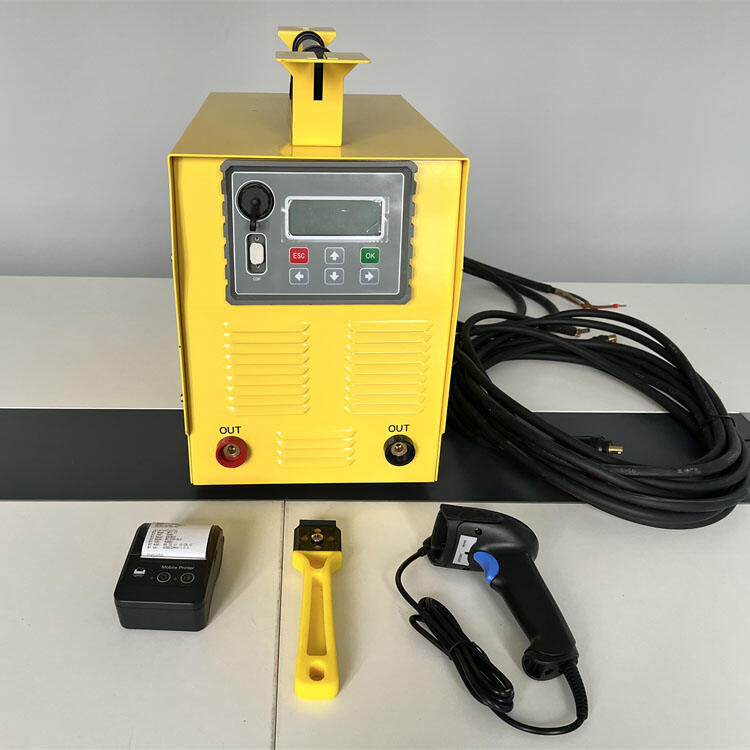
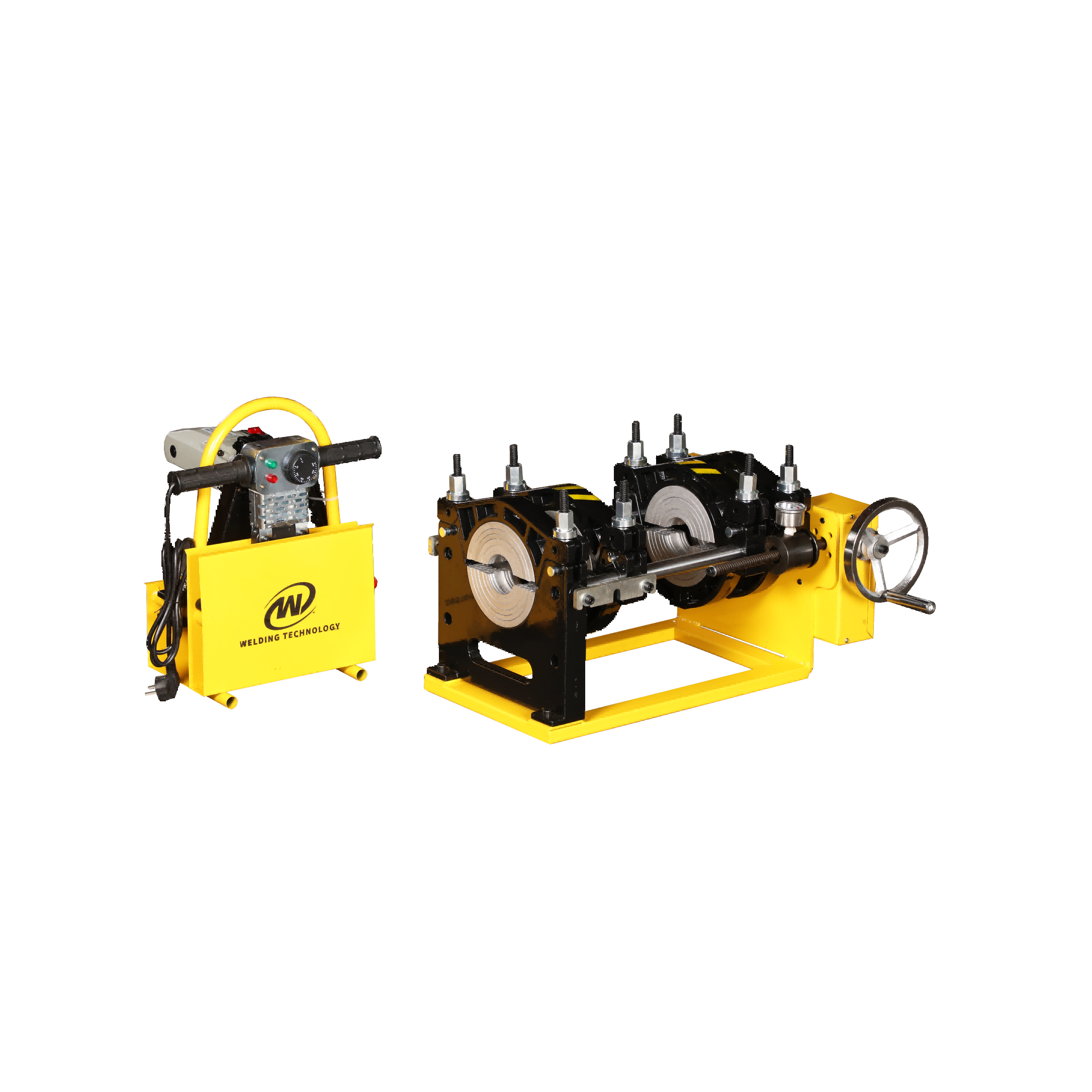
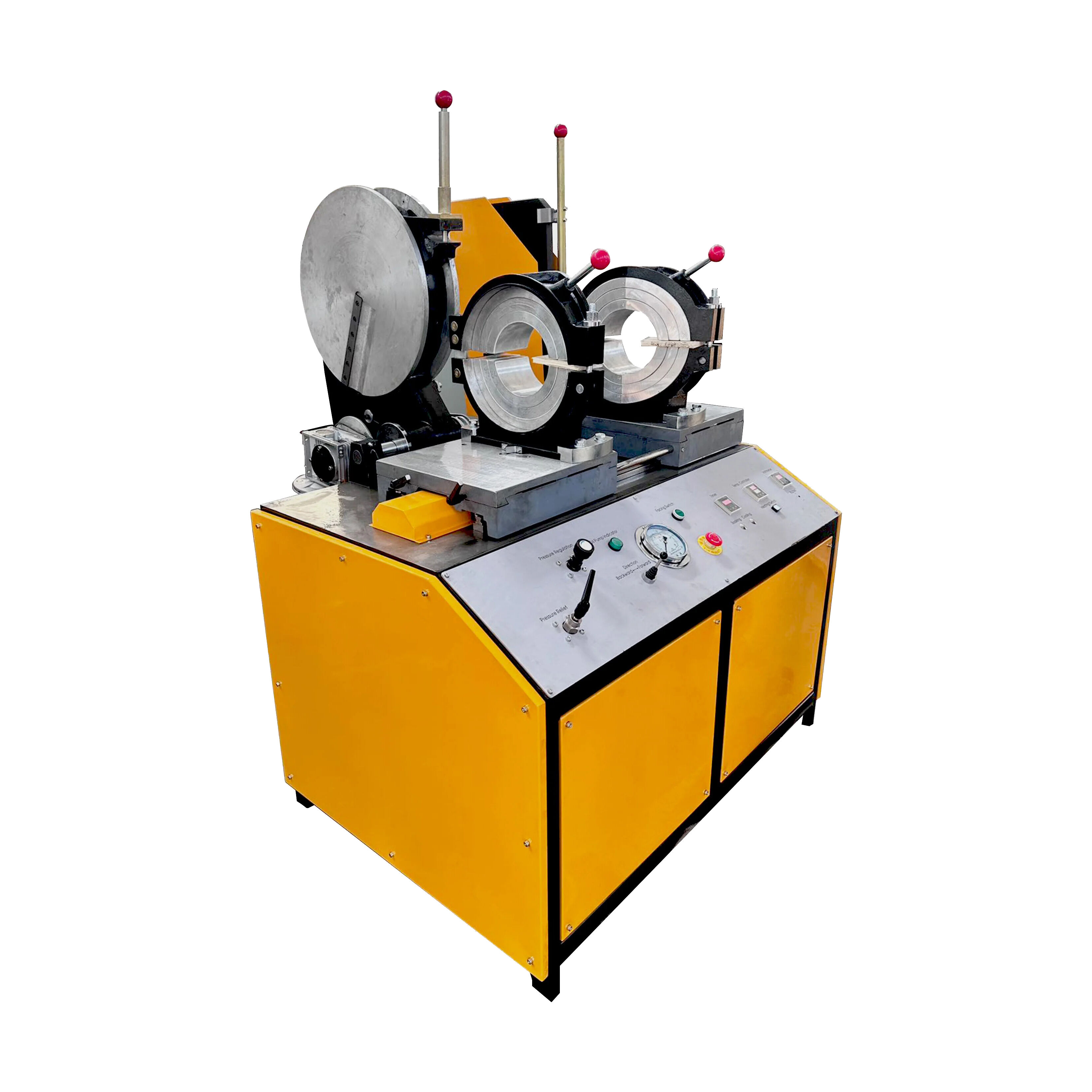
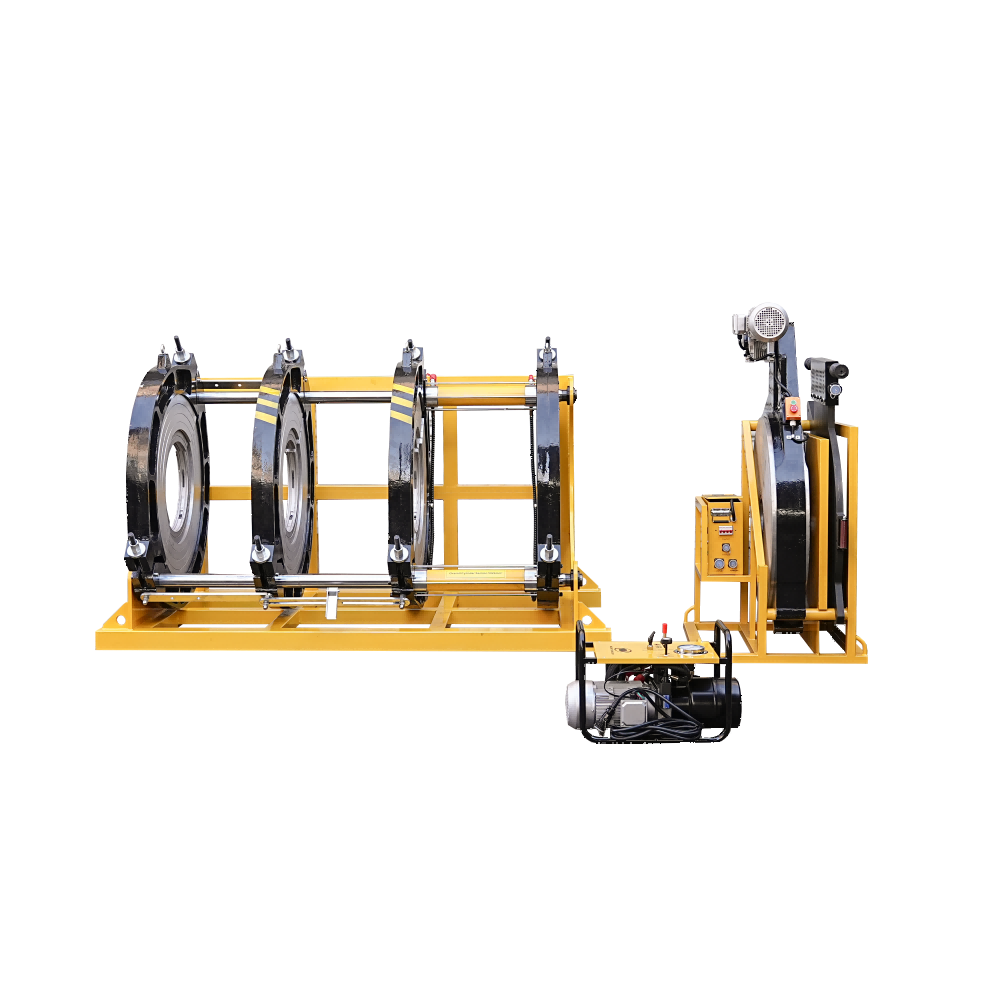
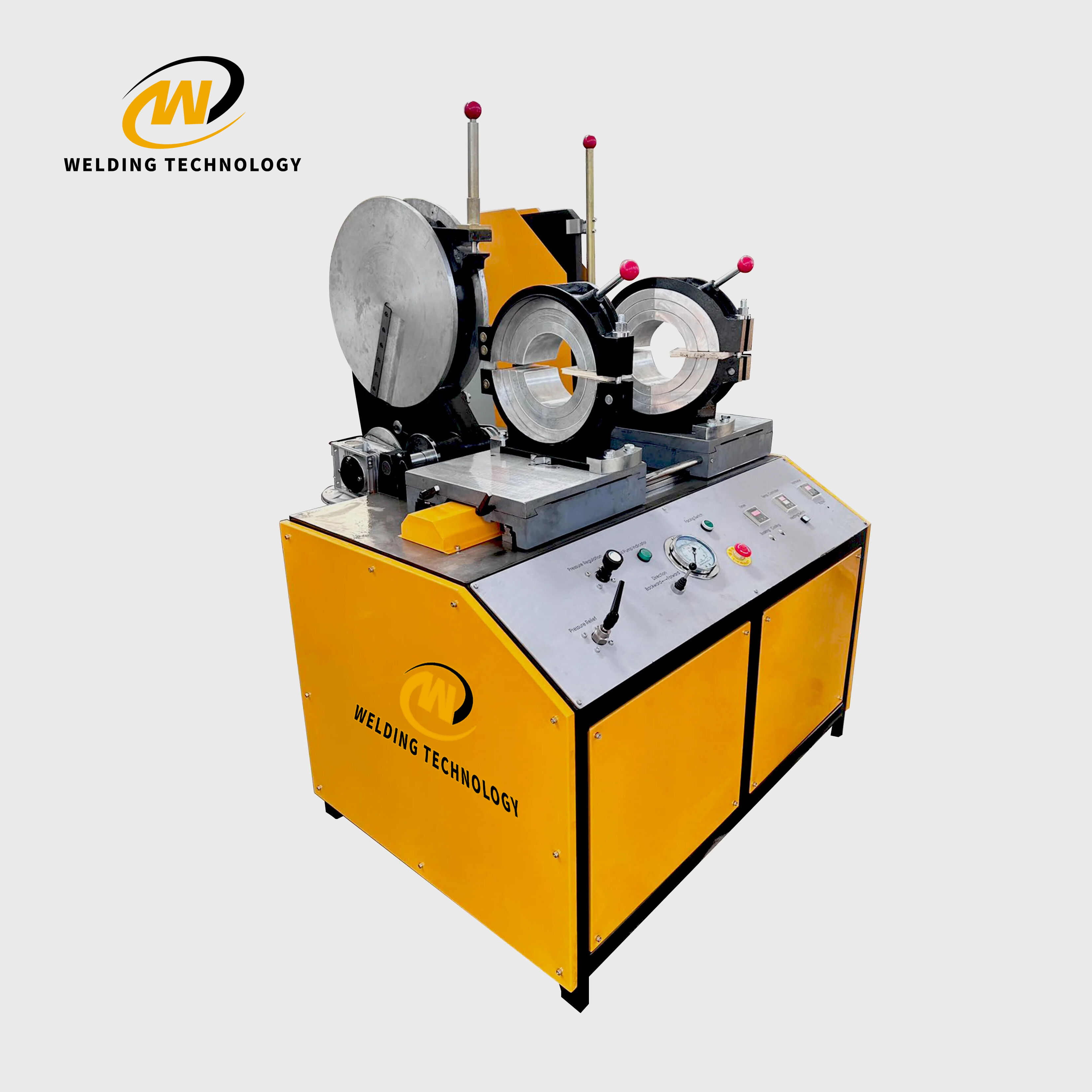
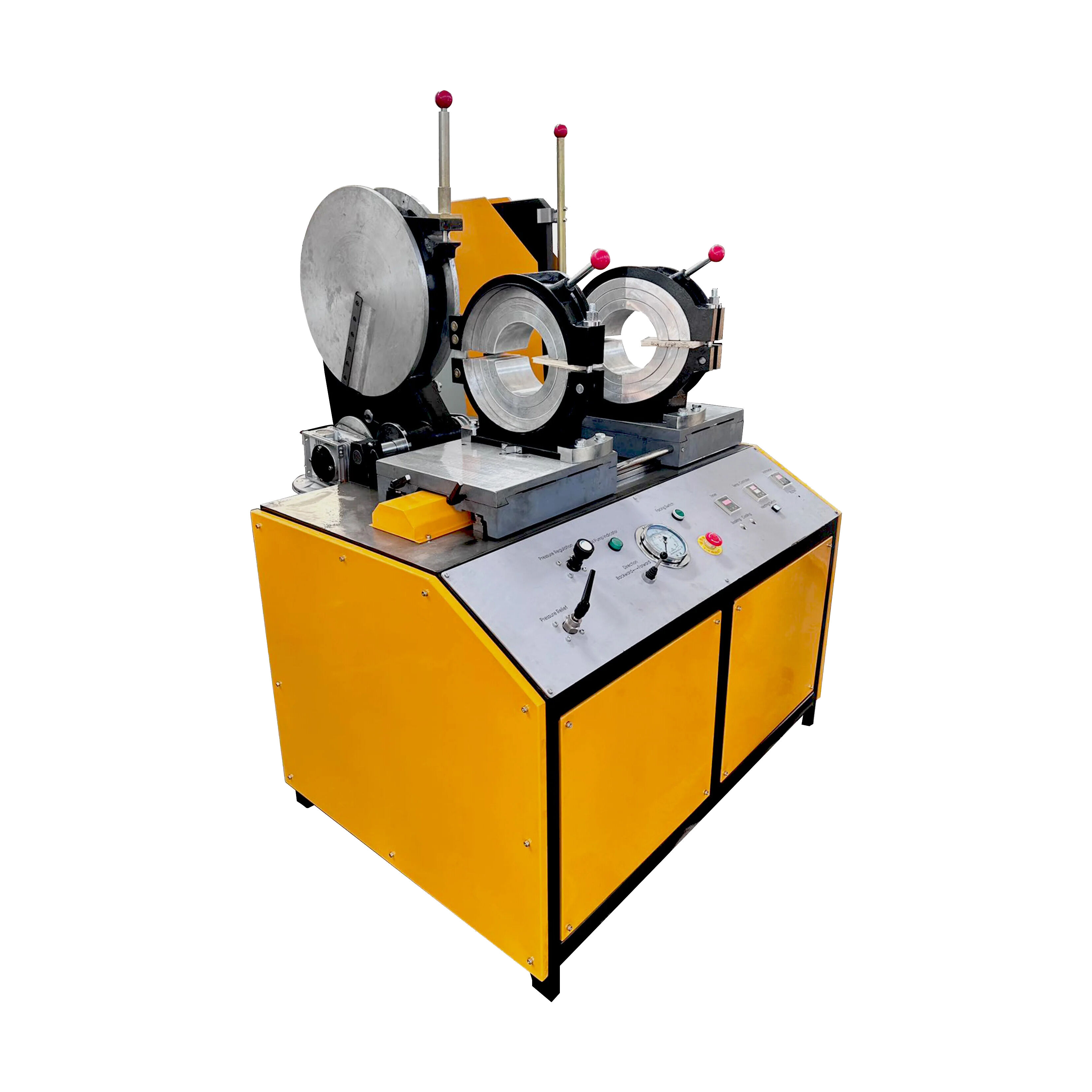
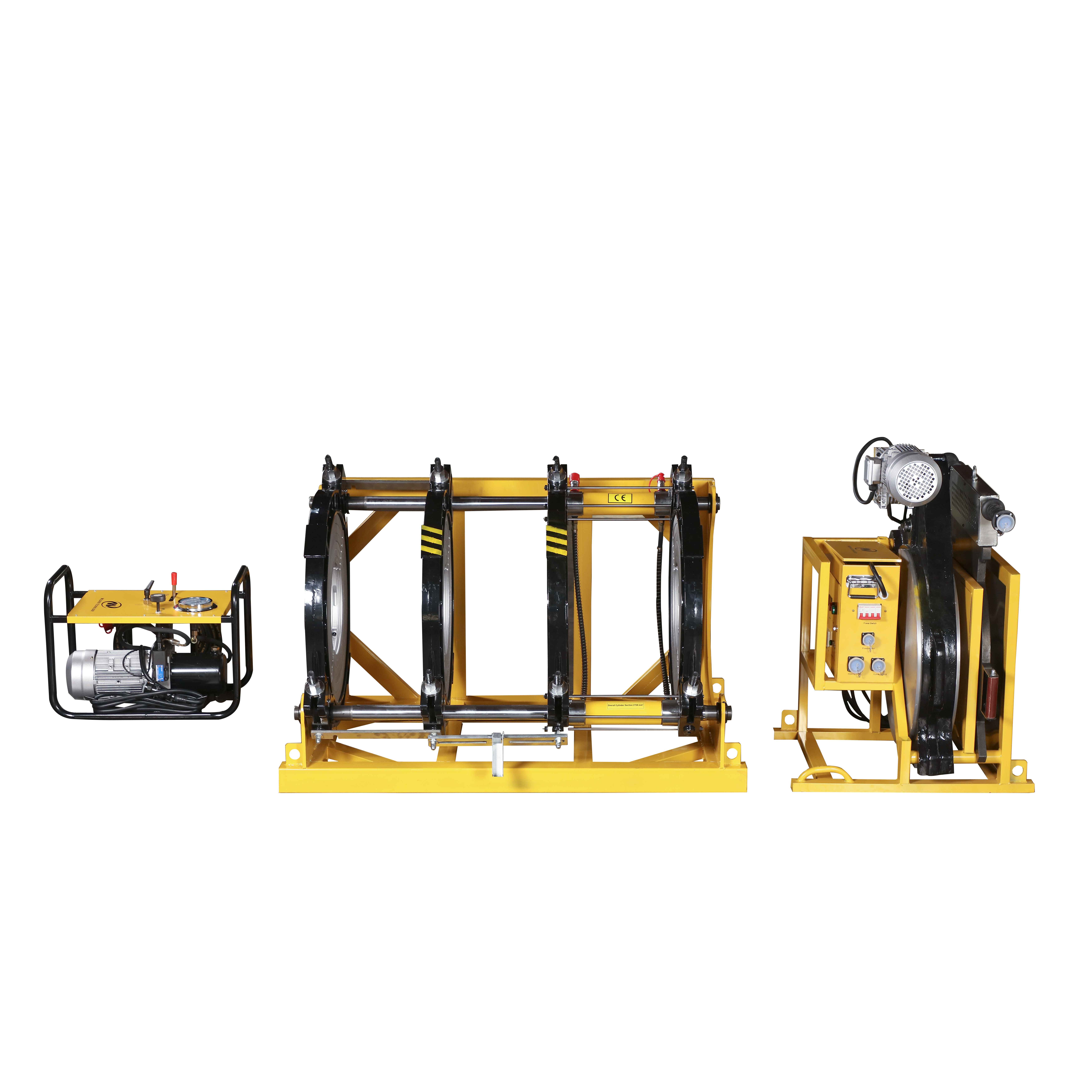
Multi Angle Pipe Fusion Machine: Professional Precision Equipment for Angled Thermoplastic Pipeline Connections

Get a Free Quote

Our representative will contact you soon.
E-mail
Name
Mobile/WhatsApp
Company Name
Message
0/1000

multi angle pipe fusion machine

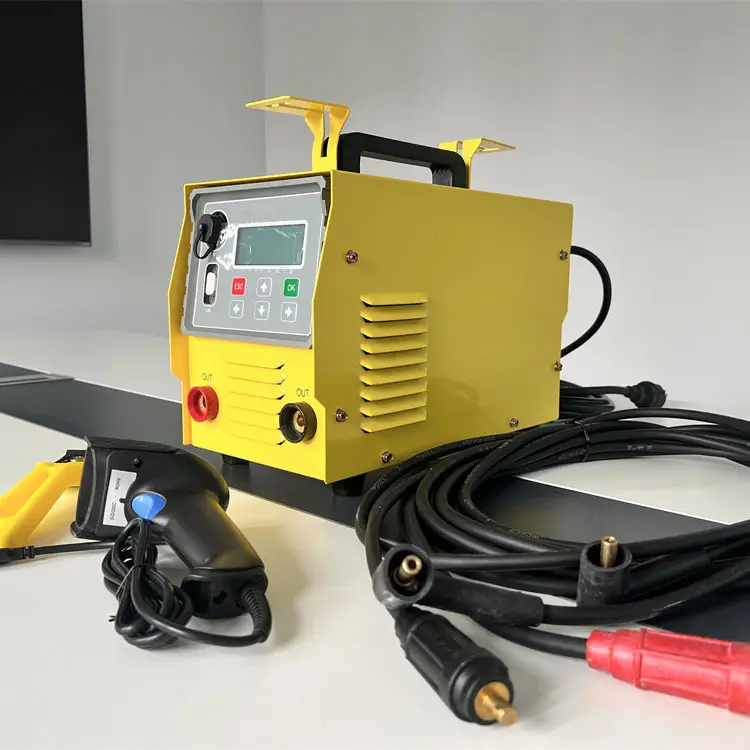
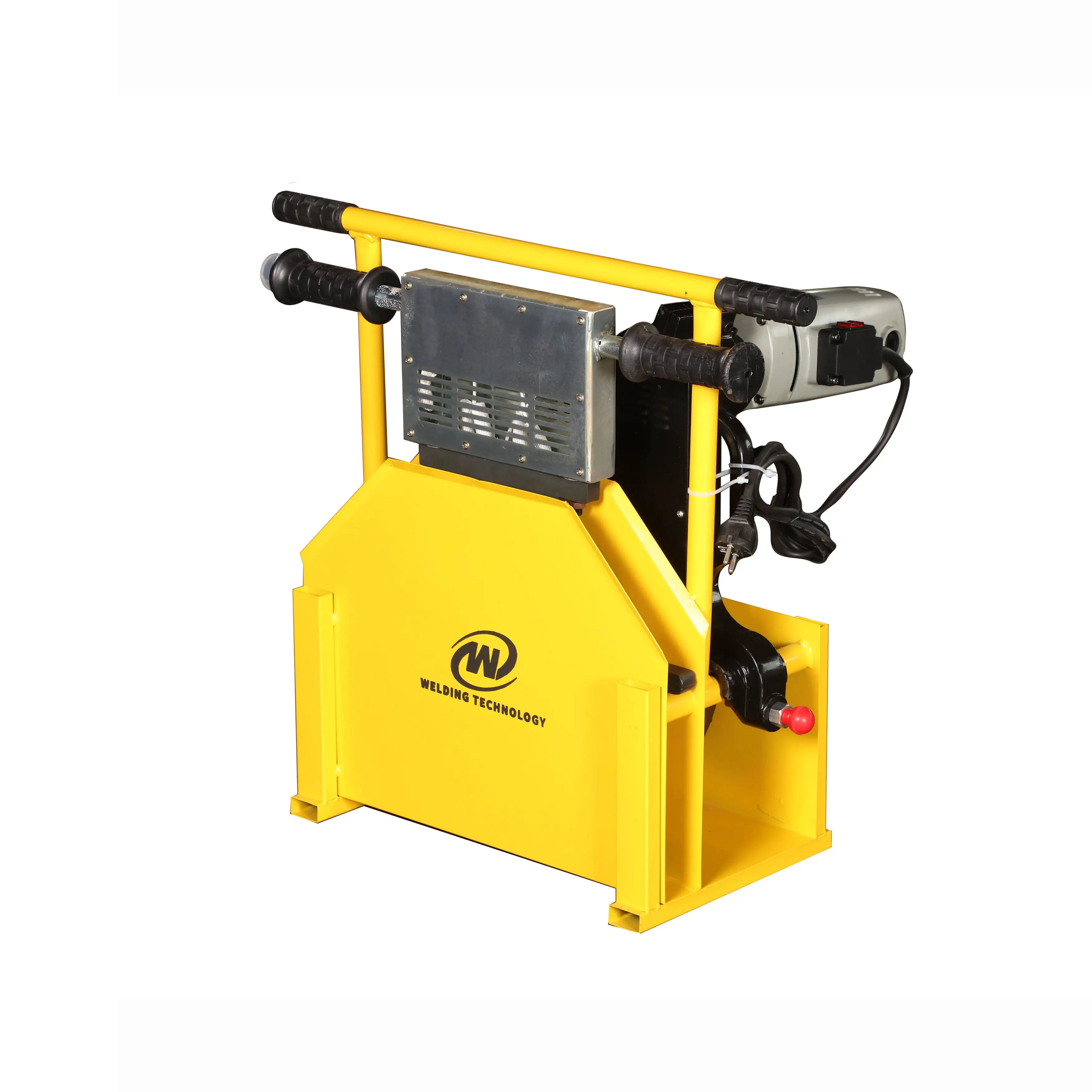
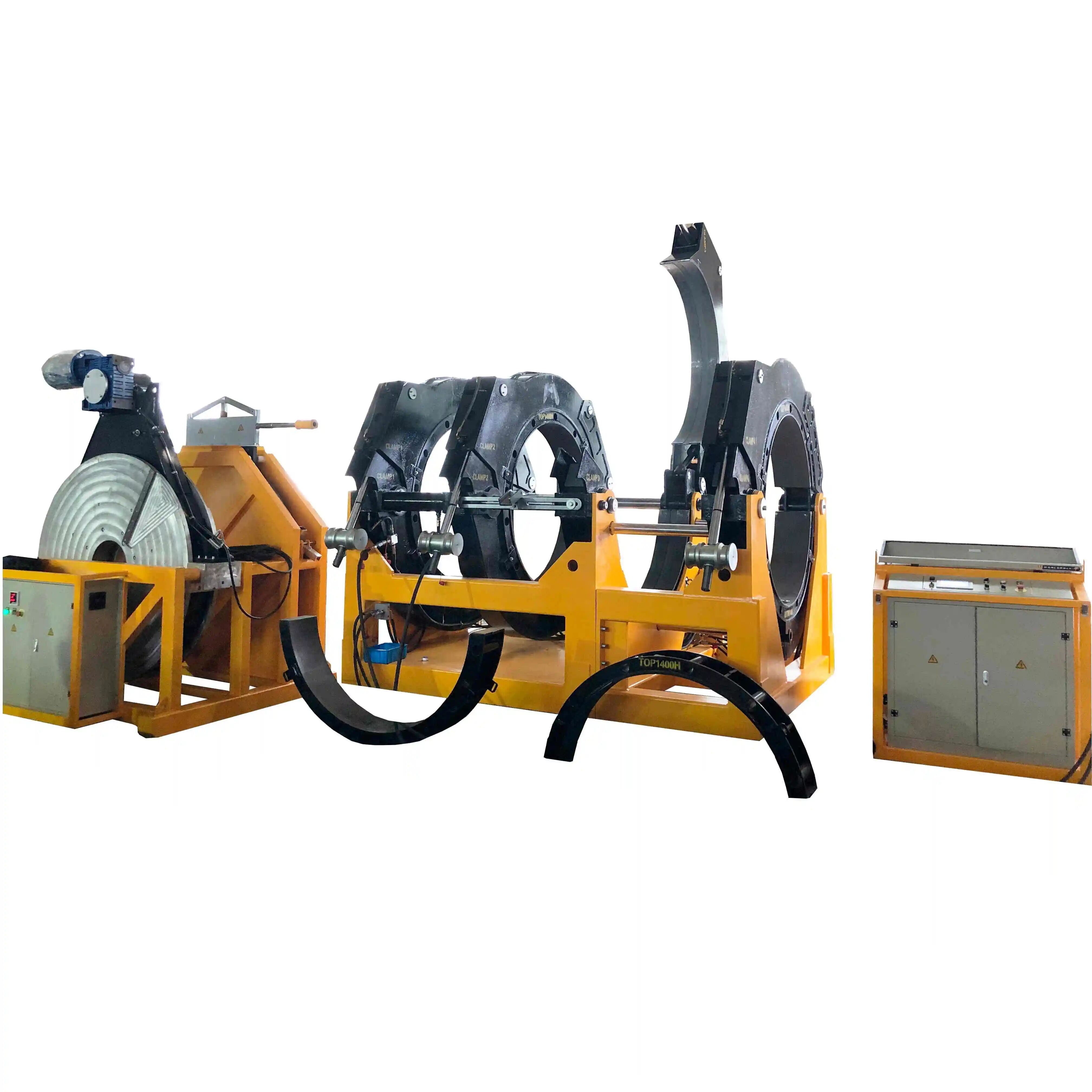
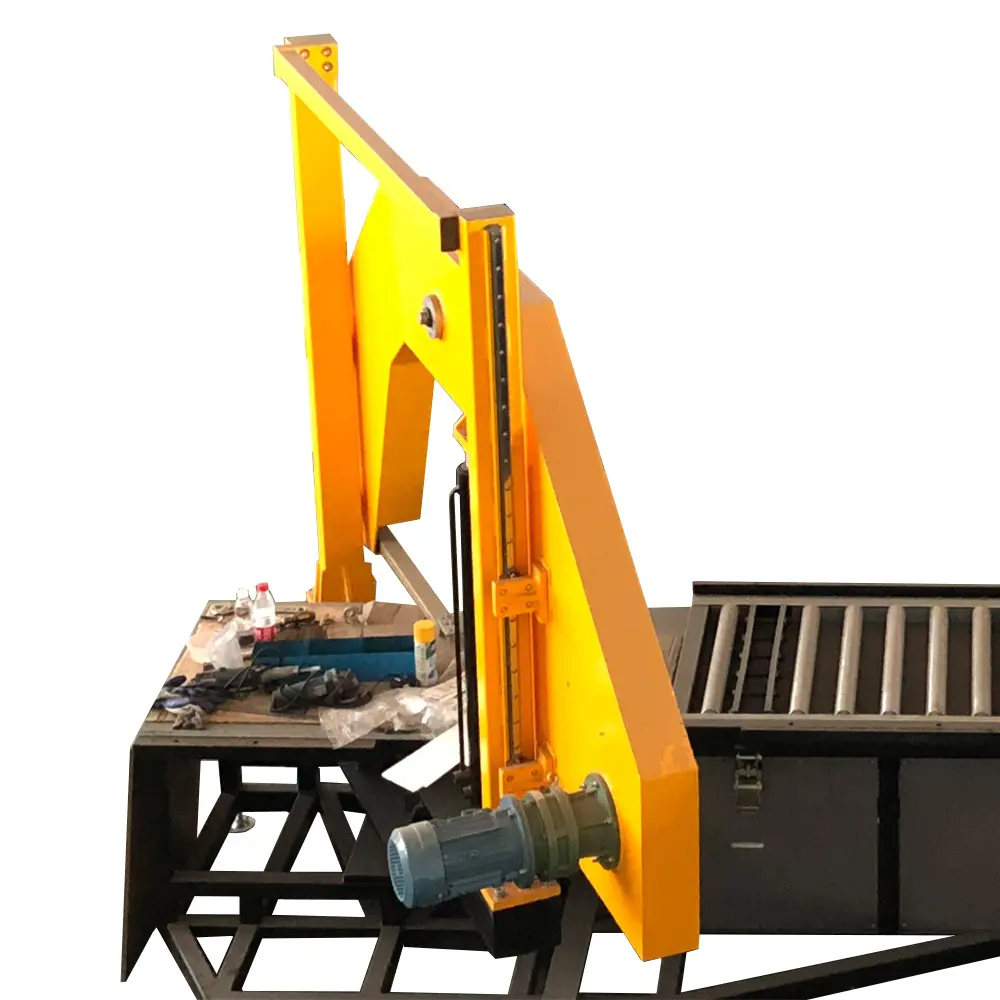
The multi angle pipe fusion machine represents a cutting-edge solution in modern pipeline joining technology, designed to accommodate the complexities of contemporary plumbing, HVAC, and industrial piping systems. This specialized equipment enables operators to create seamless, leak-proof connections between pipes at various angles, eliminating the limitations imposed by traditional fusion methods that only work with straight alignments. The multi angle pipe fusion machine incorporates advanced heating elements, precision alignment systems, and adjustable fixtures that work together to ensure perfect fusion regardless of the angular configuration required. Its primary function revolves around melting and bonding thermoplastic pipes such as polyethylene, polypropylene, and PVDF materials at angles ranging from acute to obtuse, providing installers with unprecedented flexibility during construction and repair projects. Technological features include microprocessor-controlled temperature management, ensuring consistent heat distribution across the fusion surface, automated pressure application systems that maintain optimal force during the cooling phase, and digital displays that provide real-time monitoring of critical parameters. The machine typically features modular clamping assemblies that can be repositioned to accommodate different pipe diameters and angles, hydraulic or pneumatic actuation systems for smooth, controlled movement, and built-in safety mechanisms that prevent operation outside specified parameters. Applications span across municipal water distribution networks, gas transmission pipelines, chemical processing facilities, geothermal systems, and mining operations where pipes must navigate around obstacles, follow terrain contours, or connect equipment positioned at non-standard angles. The multi angle pipe fusion machine has become indispensable in renovation projects where existing infrastructure dictates unconventional connection angles, and in new installations where space constraints or design specifications require creative routing solutions. Its versatility extends to both field applications and workshop settings, supporting everything from small-diameter residential piping to large-scale industrial conduits, making it an essential tool for contractors, maintenance teams, and fabrication specialists working with thermoplastic piping systems.

New Products

Investing in a multi angle pipe fusion machine delivers substantial practical benefits that directly impact project efficiency, cost management, and quality outcomes. First and foremost, this equipment dramatically reduces installation time by eliminating the need for multiple fittings, elbows, and connectors that would otherwise be required to achieve angled connections. Traditional methods force installers to use prefabricated angle pieces, which require additional fusion points, create potential leak paths, and consume valuable time during assembly. The multi angle pipe fusion machine creates direct angled joints in a single operation, cutting installation hours significantly and allowing crews to complete more work within tight deadlines. This time savings translates directly into reduced labor costs, as fewer worker hours are needed per connection, and projects can be completed with smaller teams. Material costs also decrease substantially because the need for expensive angled fittings disappears, and less pipe material is wasted since custom angles can be created exactly where needed without excess length for accommodation of standard fittings. The resulting joints exhibit superior strength and reliability compared to mechanical connections, as the fusion process creates molecular bonds that are as strong as the pipe material itself, virtually eliminating the risk of leaks, failures, or maintenance issues over the system's lifespan. This reliability reduces long-term operational costs by minimizing repair calls, system downtime, and the associated expenses of emergency fixes. The multi angle pipe fusion machine also enhances project flexibility, allowing installers to adapt to unexpected site conditions, work around obstacles discovered during construction, and accommodate last-minute design changes without requiring new materials or extensive rework. Operators appreciate the user-friendly nature of modern machines, which feature intuitive controls, clear visual indicators, and automated processes that reduce the skill level required for producing professional-quality joints. Safety improvements represent another significant advantage, as proper fusion eliminates the chemical emissions associated with solvent welding, reduces fire hazards compared to open-flame methods, and minimizes physical strain on workers through powered actuation systems. The precision offered by the multi angle pipe fusion machine ensures consistent results regardless of operator experience, reducing quality variations and ensuring every joint meets specification requirements. Environmental benefits include reduced material waste, lower energy consumption compared to alternative joining methods, and the creation of fully recyclable joints that support sustainability initiatives. For businesses, ownership of a multi angle pipe fusion machine creates competitive advantages by enabling them to bid on projects requiring specialized angled connections, expand service offerings, and deliver superior quality that builds customer loyalty and generates referrals.

Tips And Tricks

What Is a Plastic Pipe Electric Fusion Welder and How Does It Work?

15

Apr

What Is a Plastic Pipe Electric Fusion Welder and How Does It Work?

A plastic pipe electric fusion welder is a specialized welding device designed to join thermoplastic pipes and fittings through a controlled heating process known as electrofusion. This technology has revolutionized the way polyethylene, polypropylen...
View More
Why Do Engineers Choose an HDPE Thermofusion Machine for Projects?

06

Apr

Why Do Engineers Choose an HDPE Thermofusion Machine for Projects?

Engineers working on pipeline infrastructure projects face critical decisions that affect long-term performance, project budgets, and operational reliability. Among the most consequential choices is the selection of joining equipment for high-density...
View More
How Can a Plastic Sheet Butt Welding Machine Ensure Strong Seams?

05

May

How Can a Plastic Sheet Butt Welding Machine Ensure Strong Seams?

The strength and integrity of welded plastic seams directly impact the performance, durability, and safety of countless industrial applications, from geomembranes in environmental containment to large-scale tank fabrication. Achieving consistently st...
View More
How Can a Plastic Band Cutting Saw Ensure Accurate Cutting Results?

30

Jun

How Can a Plastic Band Cutting Saw Ensure Accurate Cutting Results?

In plastic fabrication and industrial processing environments, precision is not a luxury — it is a baseline requirement. A plastic band cutting saw is one of the most reliable tools available when consistent, clean, and accurate cuts are the goal. Wh...
View More

Get a Free Quote

Our representative will contact you soon.
E-mail
Name
Mobile/WhatsApp
Company Name
Message
0/1000

multi angle pipe fusion machine

Precision Angle Adjustment System for Perfect Connections Every Time

Precision Angle Adjustment System for Perfect Connections Every Time

The precision angle adjustment system built into the multi angle pipe fusion machine stands as one of its most valuable features, providing installers with the capability to create exact angular connections that meet stringent engineering specifications without guesswork or trial-and-error approaches. This sophisticated system typically incorporates calibrated protractors, digital angle indicators, or laser alignment guides that allow operators to set the desired angle with accuracy measured in fractions of a degree. The importance of this precision cannot be overstated, as even minor angular deviations in pipeline systems can create flow restrictions, stress concentrations, and premature failure points that compromise system performance and longevity. The adjustment mechanism usually features both coarse and fine-tuning capabilities, enabling quick positioning for approximate angles followed by micro-adjustments to achieve exact specifications. Many advanced multi angle pipe fusion machine models include memory functions that store frequently used angles, allowing operators to recall standard configurations instantly without remeasuring, which proves invaluable in production environments or when installing multiple identical connections. The locking system that maintains the selected angle during the fusion process represents critical engineering, as it must hold position firmly against the forces generated during heating, joining, and cooling phases while still allowing smooth adjustment between operations. High-quality machines employ hardened steel components, precision bearings, and robust clamping mechanisms that prevent any shift or drift during operation, ensuring the final joint angle matches the initial setting exactly. This reliability eliminates the costly problems associated with misaligned connections, such as system inefficiencies, accelerated wear, and the need for corrective rework. The value this feature brings to potential customers extends beyond immediate installation quality to encompass long-term system reliability and reduced maintenance requirements. Projects in sectors like chemical processing, where precise flow characteristics are essential, or in building systems where space constraints demand exact routing, benefit enormously from this precision capability. The multi angle pipe fusion machine with advanced angle adjustment systems allows fabricators to create custom pipeline assemblies in controlled workshop environments, delivering pre-configured sections to installation sites for rapid deployment, which accelerates project timelines and reduces field labor requirements substantially.
Versatile Pipe Diameter Compatibility for Maximum Project Flexibility

Versatile Pipe Diameter Compatibility for Maximum Project Flexibility

The versatile pipe diameter compatibility engineered into modern multi angle pipe fusion machine designs addresses one of the most significant challenges facing pipeline installers and contractors: the need to work with diverse pipe sizes across different projects and even within single installations. This feature eliminates the necessity of maintaining multiple specialized machines for different diameter ranges, representing substantial capital cost savings and reducing equipment inventory requirements for businesses of all sizes. The multi angle pipe fusion machine typically accommodates diameter ranges from small residential-scale pipes measuring less than one inch to industrial-scale conduits exceeding twelve inches or more, depending on the specific model configuration. This broad compatibility is achieved through modular insert systems, adjustable clamp assemblies, and scalable heating elements that can be quickly reconfigured to match the pipe dimensions being joined. The changeover process between different sizes has been streamlined in quality machines to require minimal time and no specialized tools, allowing a single operator to switch configurations between jobs or even during a project as requirements change. This adaptability proves particularly valuable in renovation and repair scenarios where existing pipe sizes may not match current standards, or where connections must be made between different diameter sections. The heating elements within the multi angle pipe fusion machine are designed to distribute thermal energy uniformly across the entire fusion surface regardless of pipe size, ensuring consistent joint quality whether working with small-diameter tubing or large-diameter mains. Temperature control systems automatically adjust power output based on the pipe size selected, preventing overheating of smaller pipes while ensuring adequate heat penetration in larger, thicker-walled sections. The clamping force applied during the fusion process is similarly scaled to pipe diameter, with hydraulic or pneumatic systems modulating pressure to match the surface area being joined, which ensures proper molecular bonding without damaging or deforming the pipe material. For businesses evaluating a multi angle pipe fusion machine purchase, this diameter versatility translates into enhanced return on investment, as a single machine can service multiple market segments and project types rather than sitting idle between specialized applications. Contractors can pursue diverse opportunities, from residential plumbing upgrades requiring small-diameter connections to commercial HVAC installations demanding large-diameter junctions, all with the same equipment investment. The reduction in equipment specialization also simplifies operator training, as technicians become proficient with one system that handles all scenarios rather than needing to master multiple machines with different operational characteristics.
Automated Fusion Cycle Control for Consistent Professional Results

Automated Fusion Cycle Control for Consistent Professional Results

The automated fusion cycle control technology integrated into advanced multi angle pipe fusion machine systems revolutionizes the joining process by eliminating human variability and ensuring every connection meets professional standards regardless of operator experience level. This intelligent automation manages the critical parameters that determine joint quality, including heating temperature, dwell time, joining pressure, and cooling duration, executing each phase according to scientifically optimized protocols specific to the pipe material, diameter, and wall thickness being processed. The importance of this automation becomes clear when considering the complexity of creating proper thermoplastic fusion joints, where insufficient heating produces weak bonds prone to separation, excessive heating degrades material properties and creates brittle joints, inadequate pressure fails to achieve molecular intermixing, and premature cooling allows crystallization defects that compromise strength. The multi angle pipe fusion machine with automated control removes these concerns by continuously monitoring conditions through integrated sensors and adjusting operation in real-time to maintain ideal parameters throughout the cycle. Operators simply input the pipe specifications, position the materials correctly in the clamping fixtures, and initiate the automated sequence, after which the machine handles all technical aspects of the fusion process. This simplification dramatically reduces the training time required to produce competent technicians, as the knowledge and judgment traditionally needed to assess heating adequacy, determine proper joining timing, and evaluate cooling completion are embedded in the machine's programming rather than dependent on individual skill development. The consistency delivered by automated systems proves particularly valuable in quality-critical applications such as potable water distribution, where joint integrity directly impacts public health, or chemical transfer systems where leaks pose environmental and safety hazards. Documentation and traceability represent additional benefits of automation, as many multi angle pipe fusion machine models record cycle parameters for each joint created, generating quality assurance records that satisfy regulatory requirements, support warranty claims, and provide evidence of proper installation practices. This data logging capability allows supervisors to verify that all connections were made correctly without direct observation, enabling efficient management of large crews across multiple work sites. The automation also includes safety interlocks that prevent operation if conditions fall outside acceptable ranges, such as insufficient clamping pressure, incorrect temperature settings, or premature attempt to separate pipes before cooling completes, protecting both the joint quality and operator wellbeing. For potential customers, the automated fusion cycle control feature represents insurance against costly callbacks, reputation damage from failed installations, and the liability exposures associated with substandard workmanship, making the multi angle pipe fusion machine not just a productivity tool but a quality assurance system that protects business interests while delivering superior results.


Get a Free Quote

Our representative will contact you soon.
E-mail
Name
Mobile/WhatsApp
Company Name
Message
0/1000