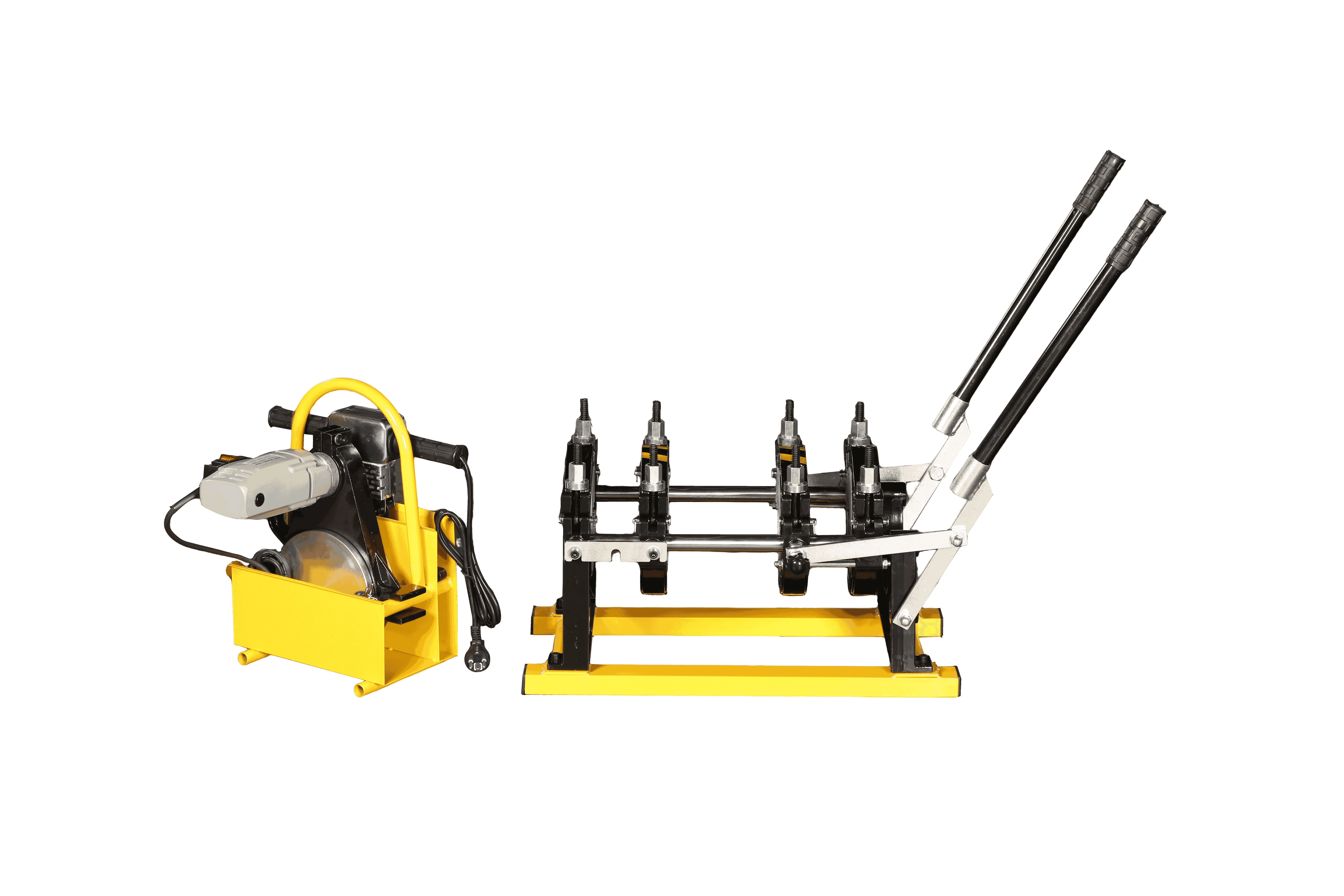
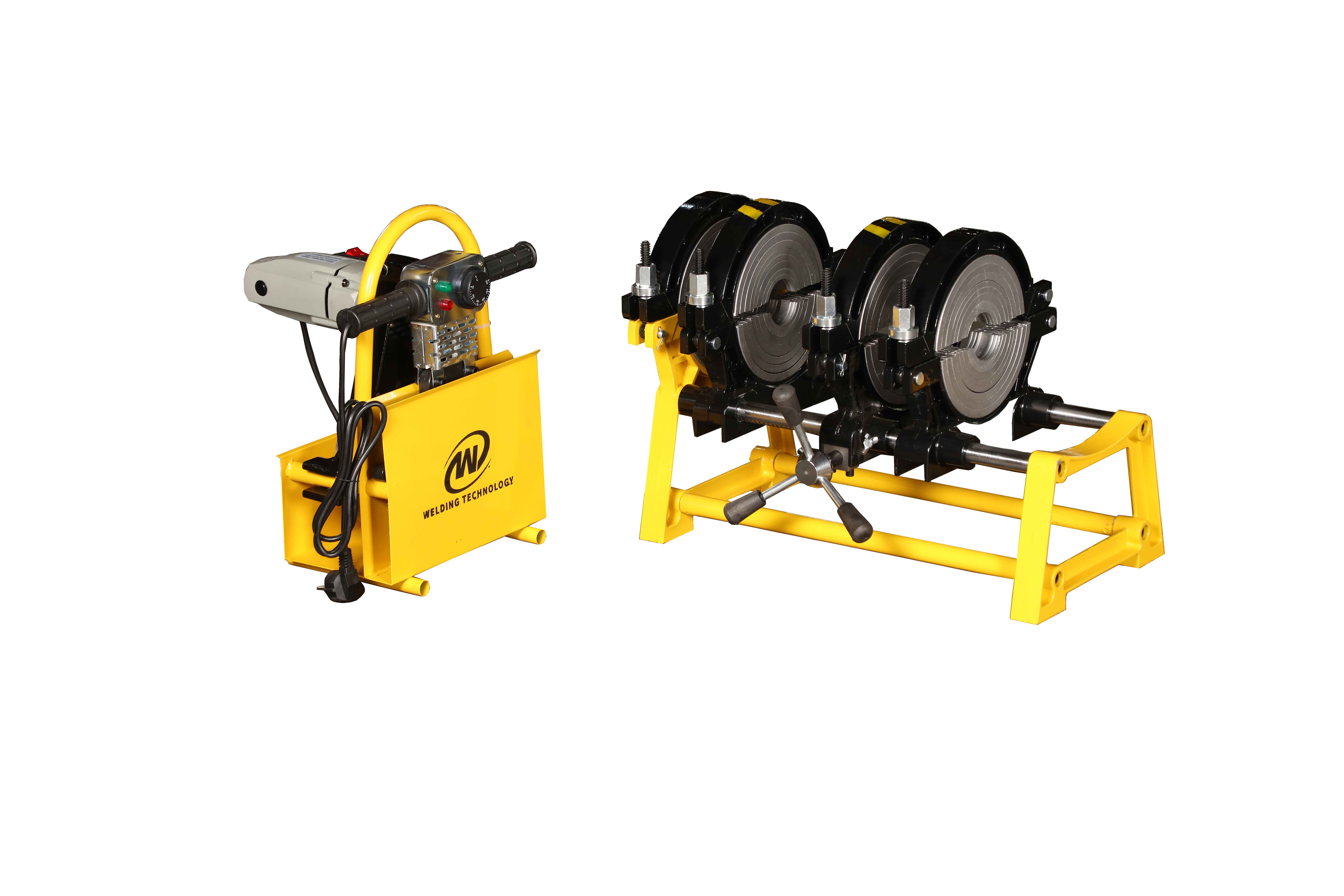
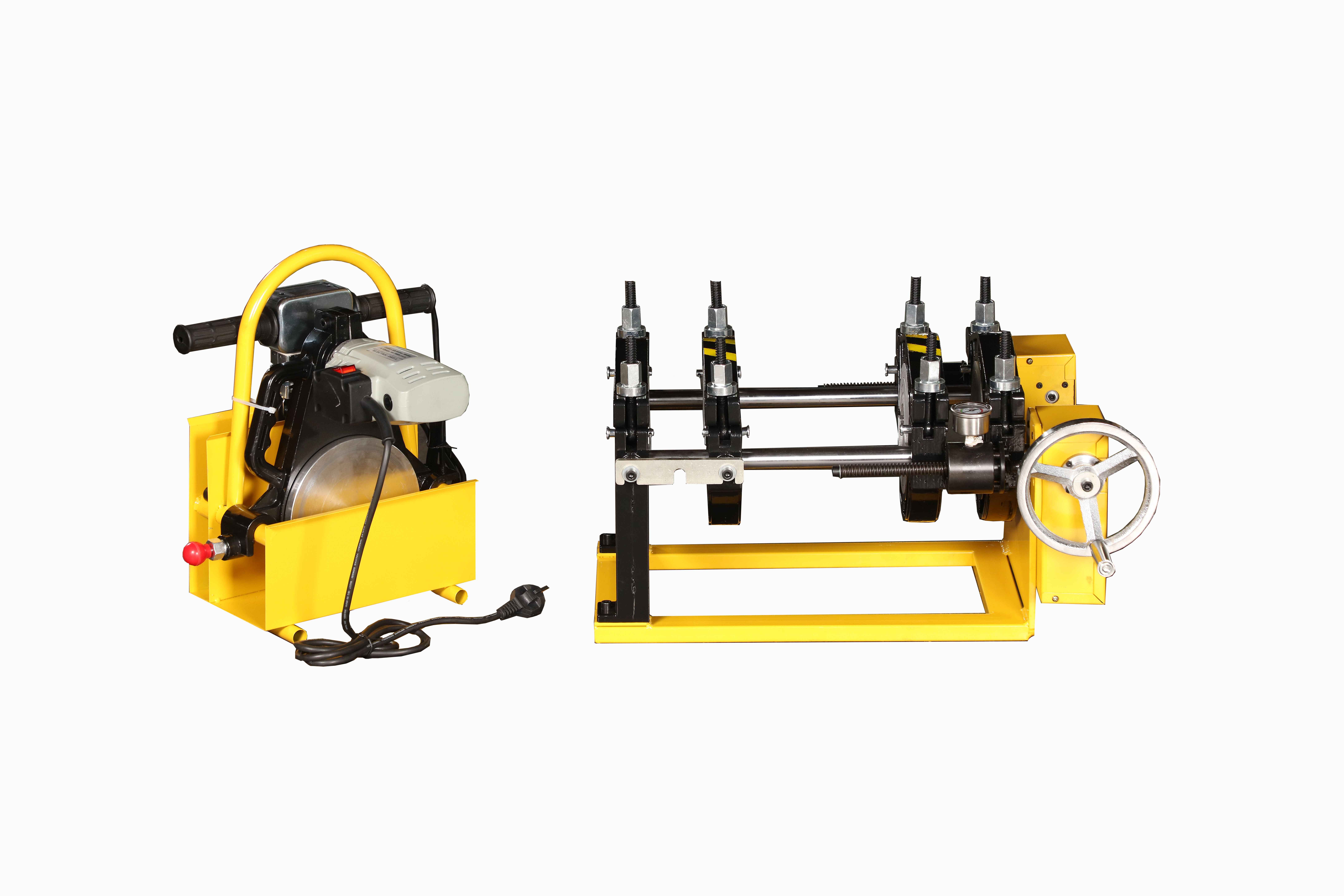
plastic sheet butt welding machine
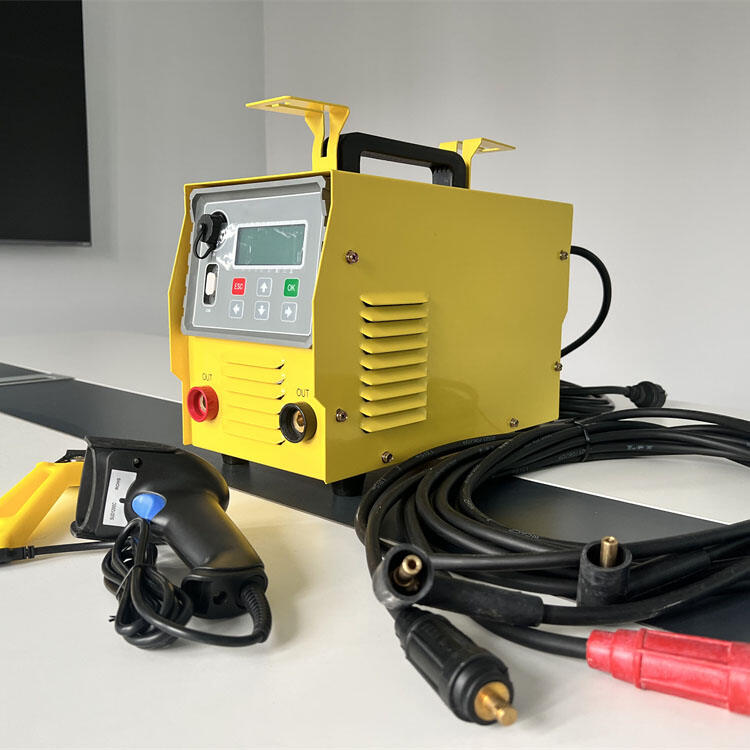
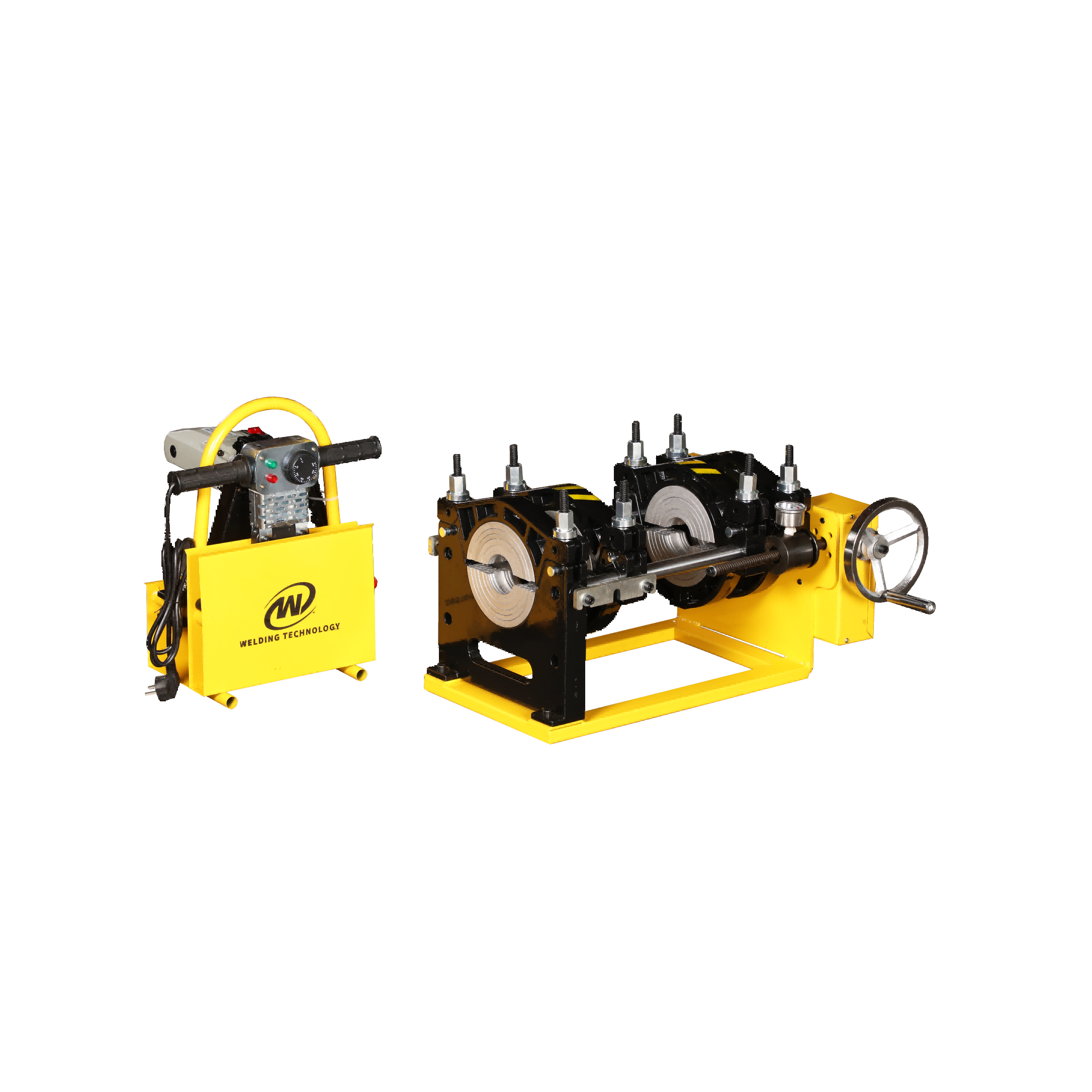
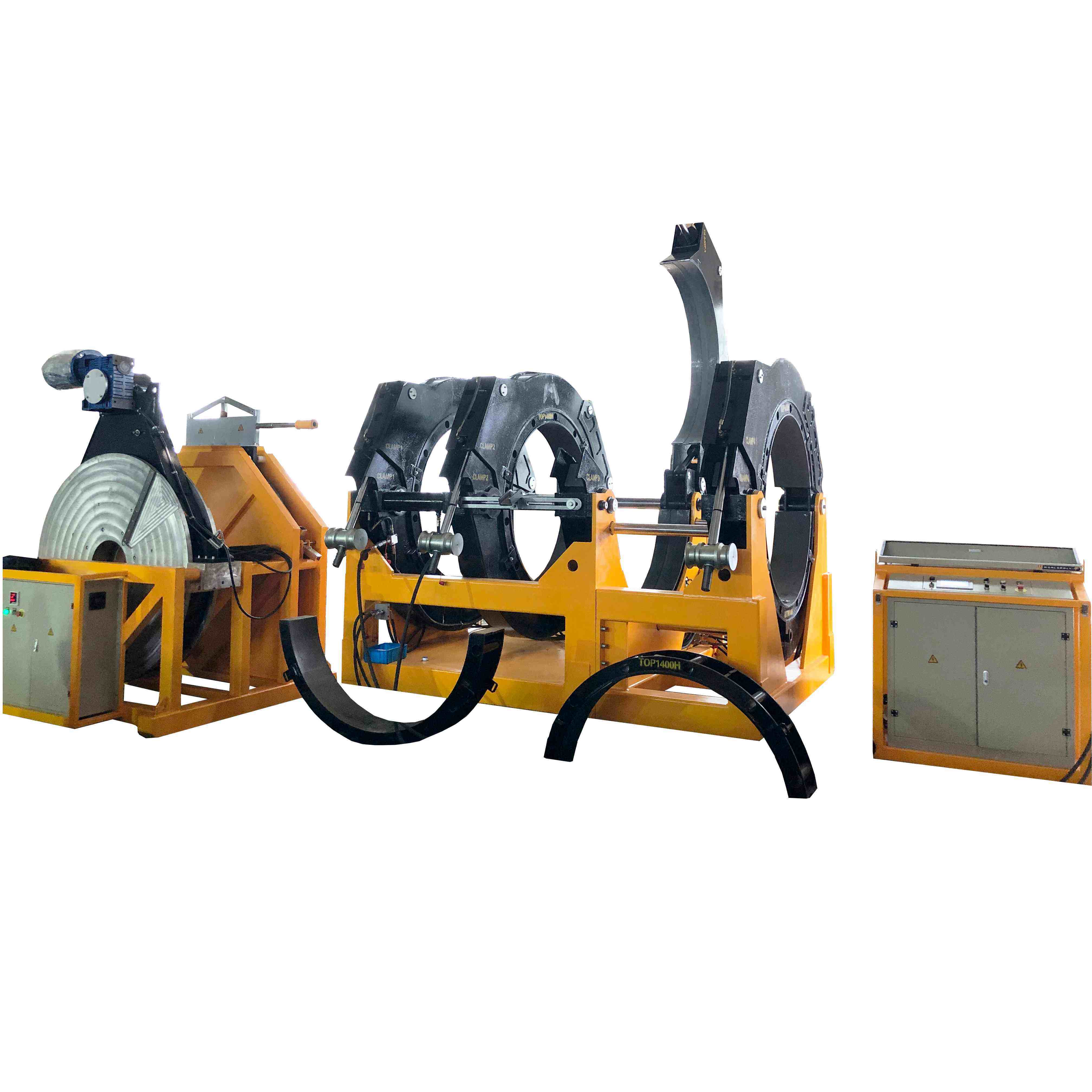
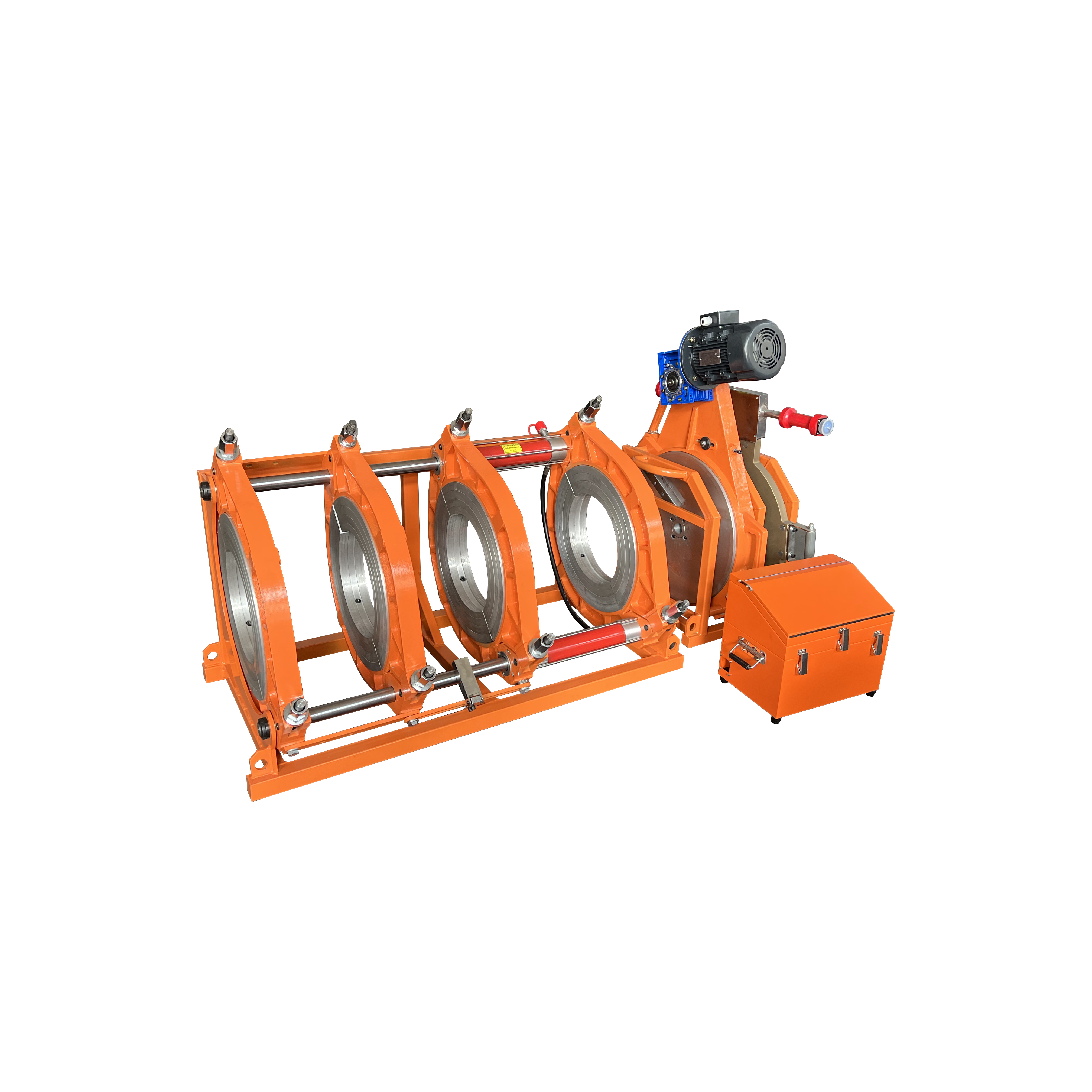
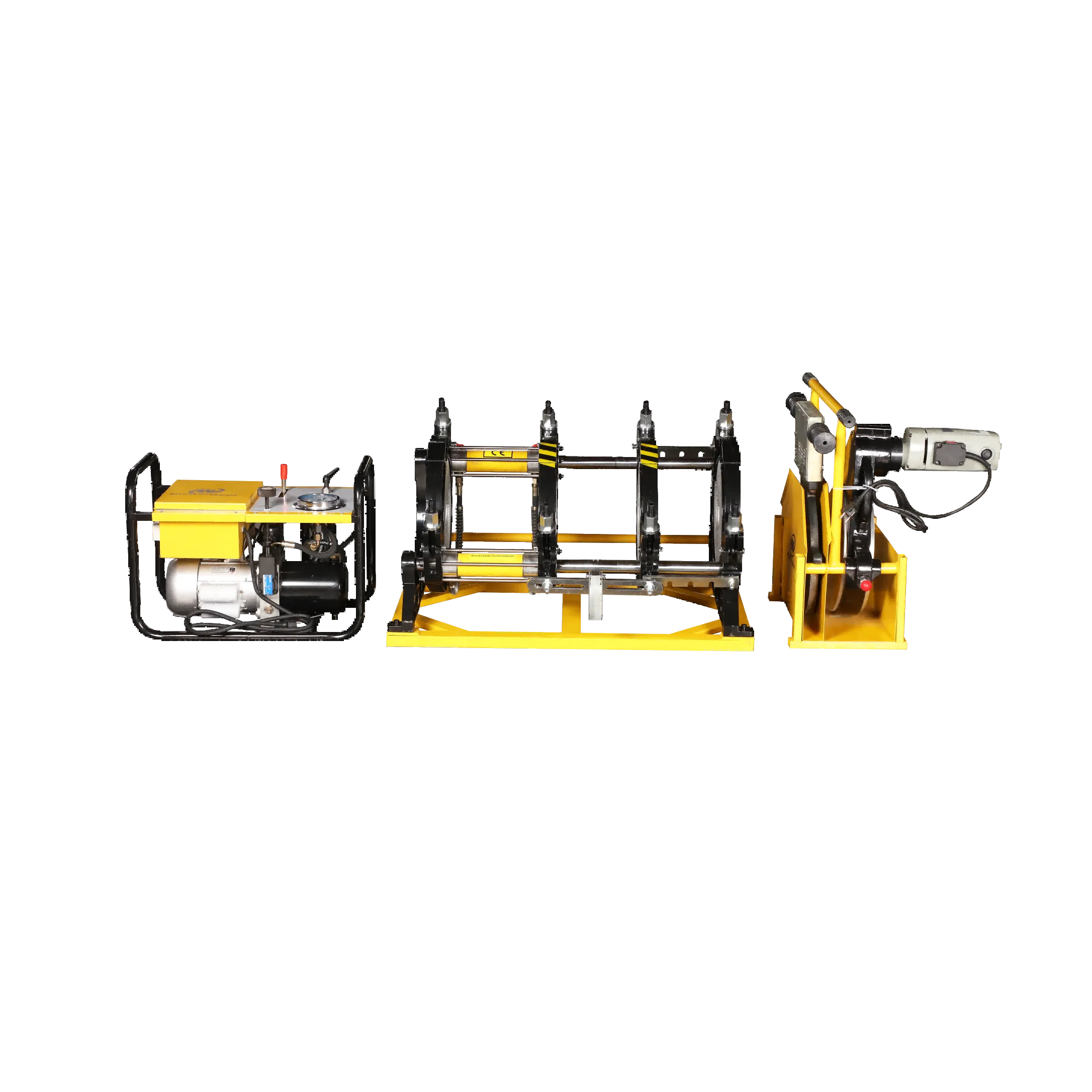
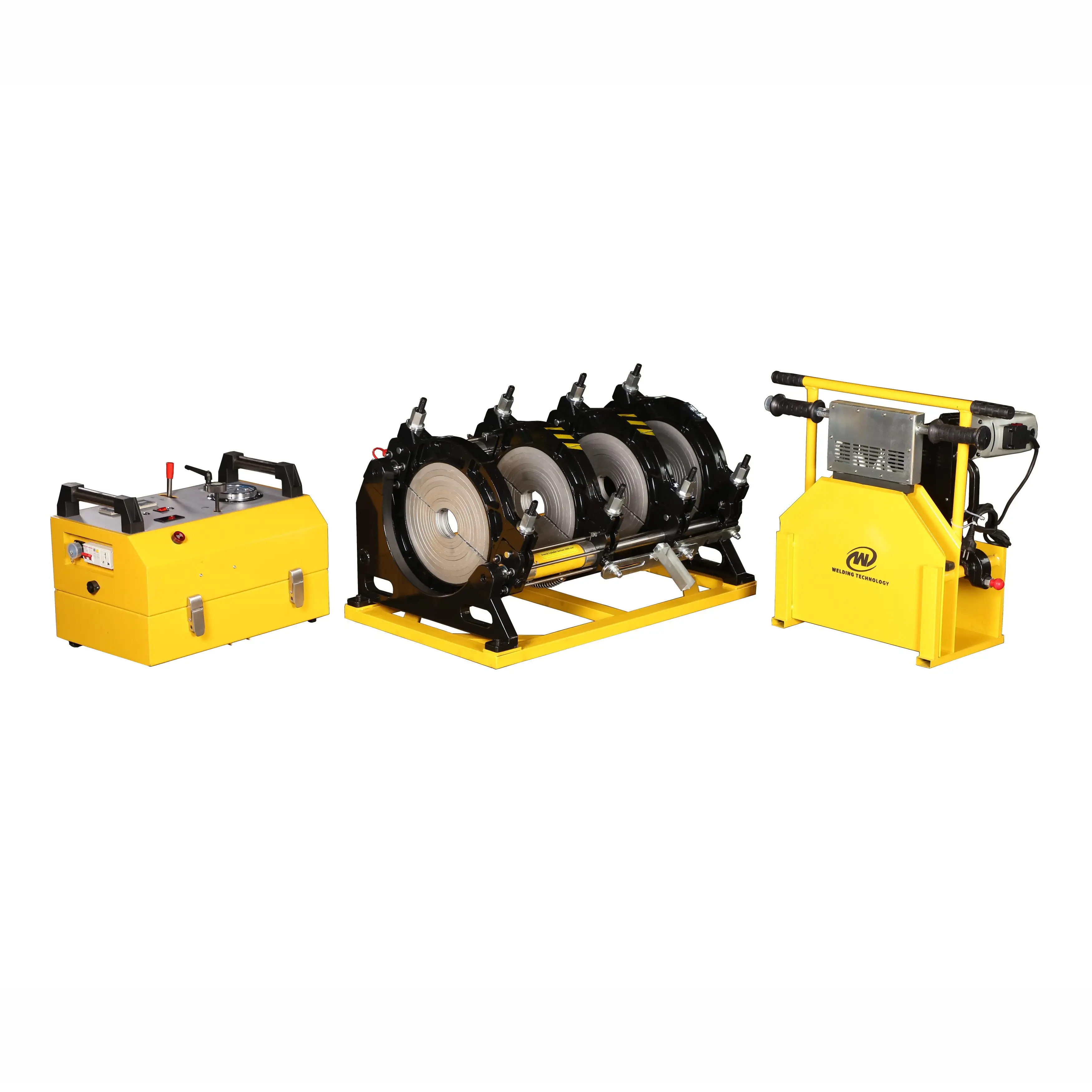
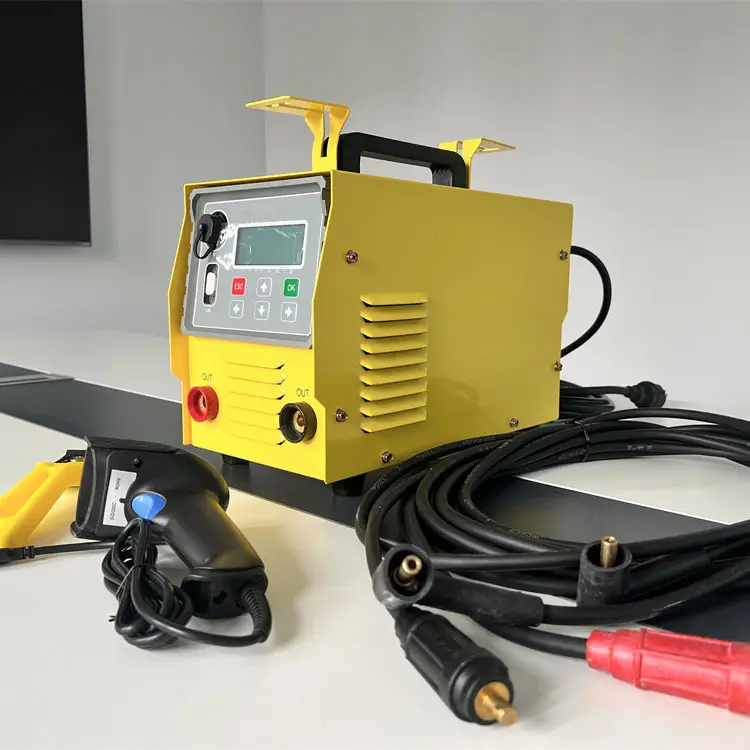
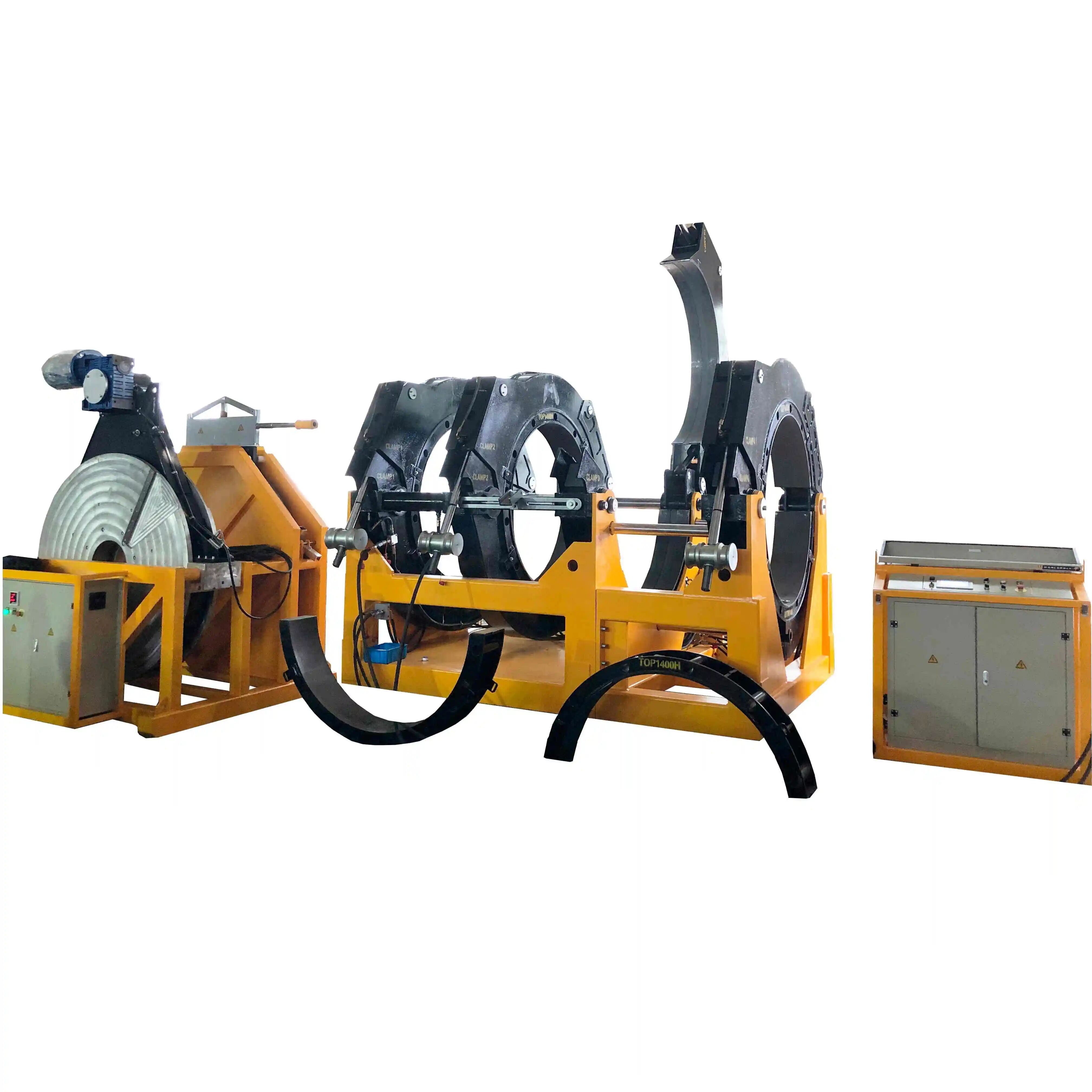
The plastic sheet butt welding machine represents a sophisticated solution for joining thermoplastic sheets through precise heat fusion technology. This specialized equipment creates permanent, leak-proof bonds between plastic materials by heating the edges of two sheets until they reach their melting point, then pressing them together under controlled pressure to form a seamless joint. The machine serves as an essential tool in industries requiring durable, chemically resistant connections in plastic fabrication projects. Modern plastic sheet butt welding machines incorporate advanced temperature control systems that maintain consistent heat distribution across the welding surface, ensuring uniform melting and optimal bond strength. The equipment typically features adjustable heating plates, pressure regulation mechanisms, and cooling systems that work together to produce reliable welds. These machines accommodate various thermoplastic materials including polypropylene, polyethylene, PVC, and PVDF, making them versatile solutions for diverse manufacturing needs. The technology behind the plastic sheet butt welding machine enables fabricators to create large-scale structures such as chemical tanks, water treatment basins, and industrial liners by joining individual sheets into expansive configurations. The welding process eliminates the need for mechanical fasteners, adhesives, or solvents, resulting in joints that maintain the chemical resistance and structural integrity of the parent material. Operators can adjust welding parameters including temperature, pressure, and cooling time to match specific material requirements and thickness variations. The plastic sheet butt welding machine streamlines production workflows by providing consistent results that meet stringent quality standards in industries where joint failure could result in environmental contamination or safety hazards. This equipment has become indispensable in sectors such as wastewater management, chemical processing, aquaculture, and environmental containment where reliable plastic fabrication directly impacts operational success and regulatory compliance.

 EN
EN