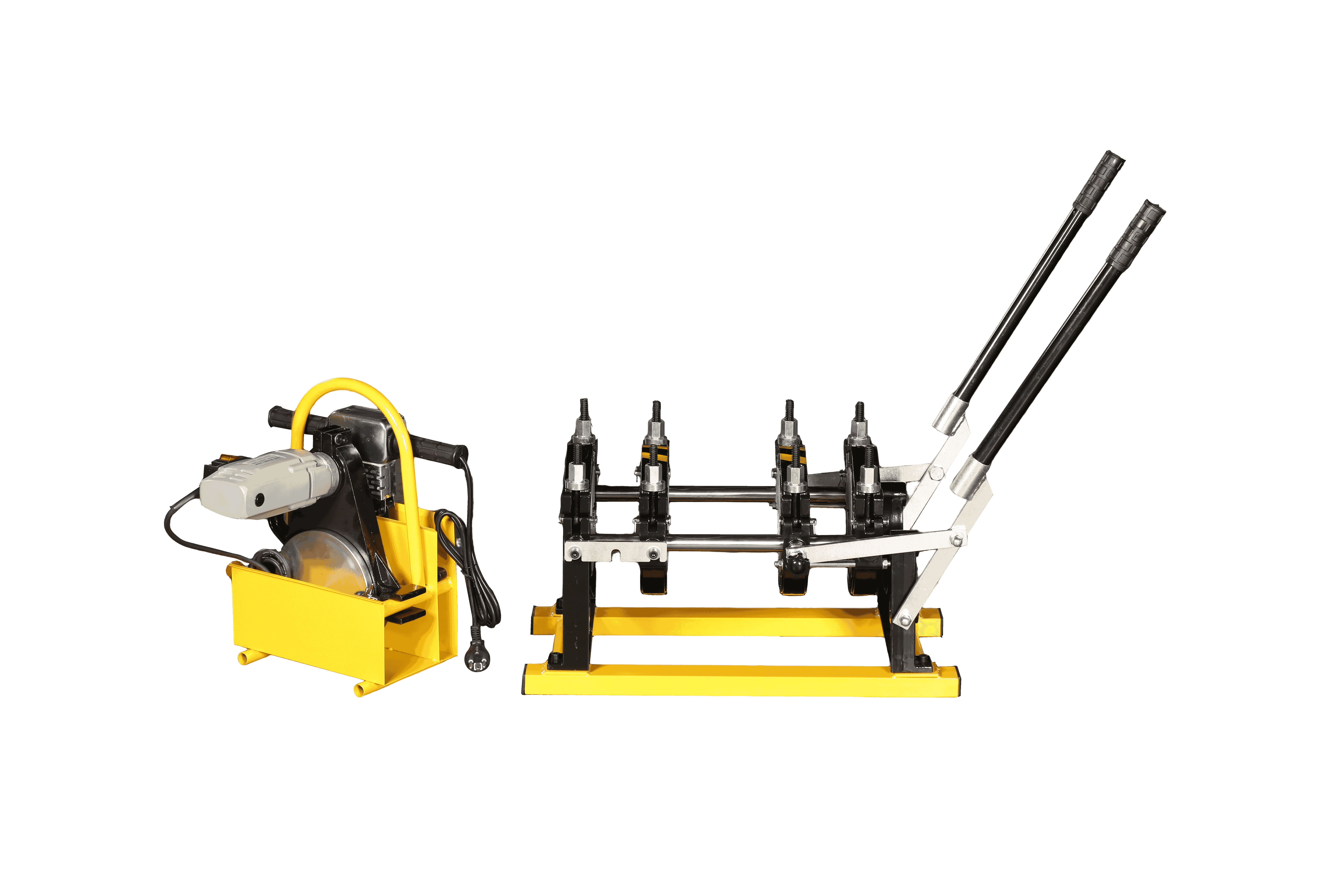
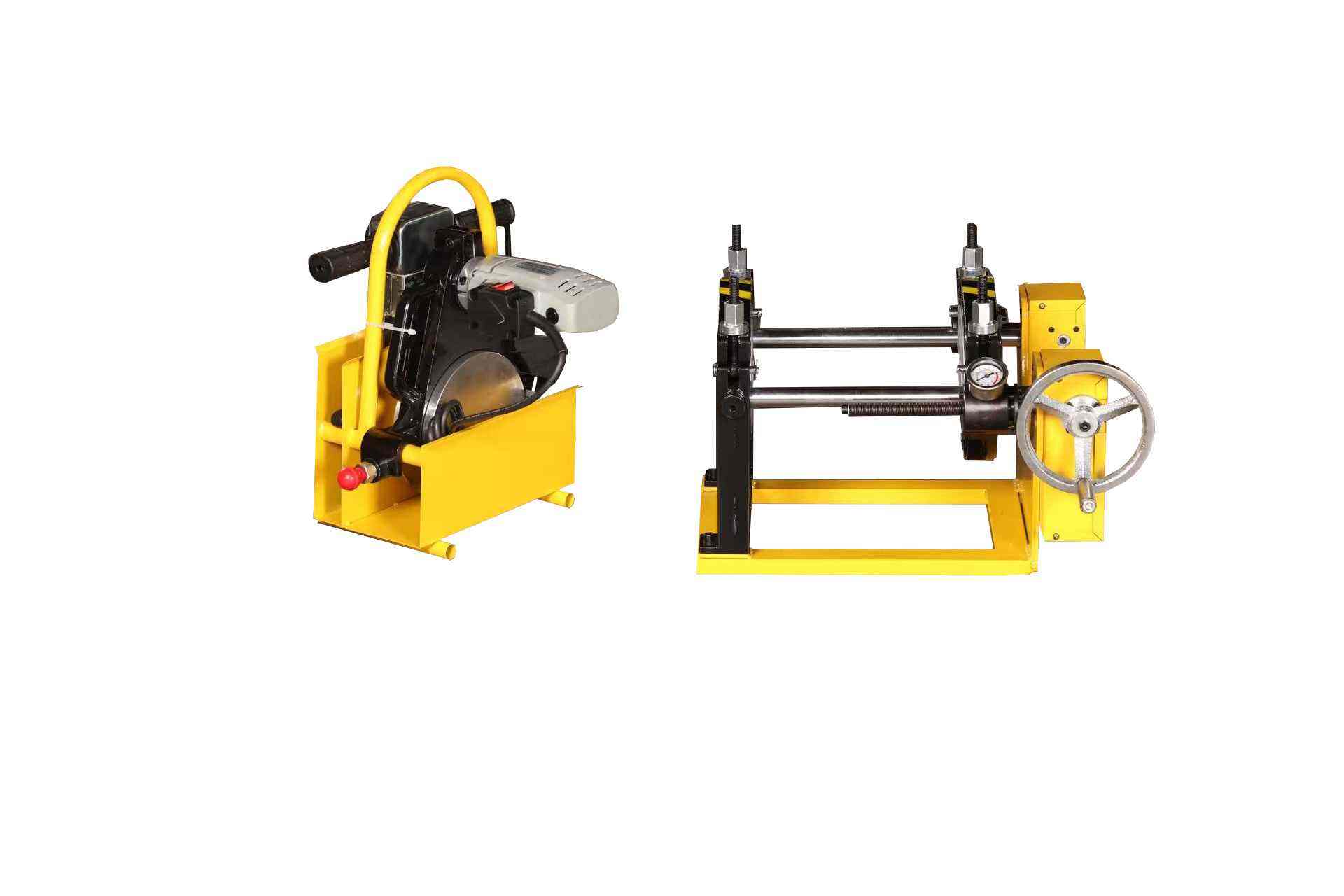
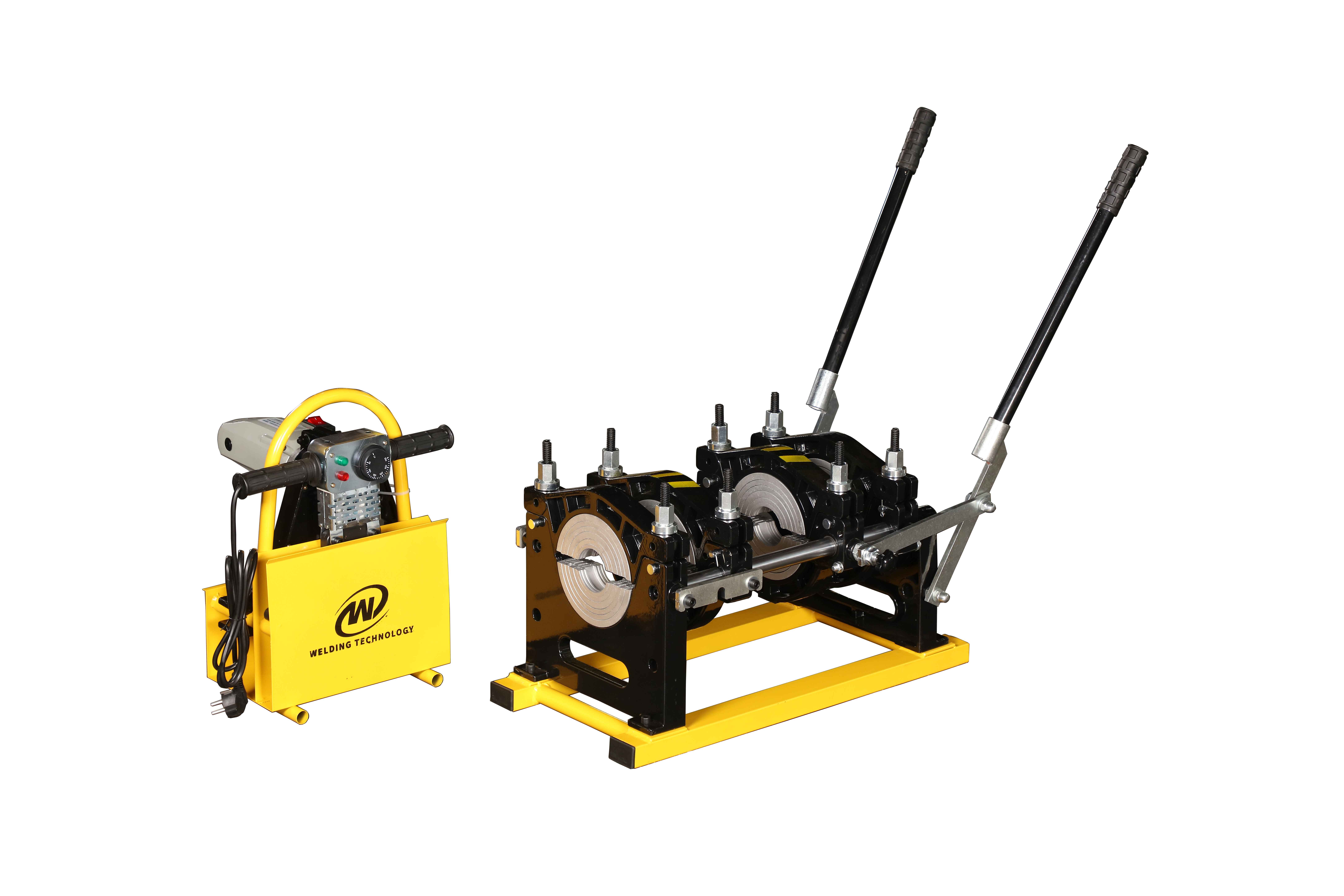
poly pipe welding machine
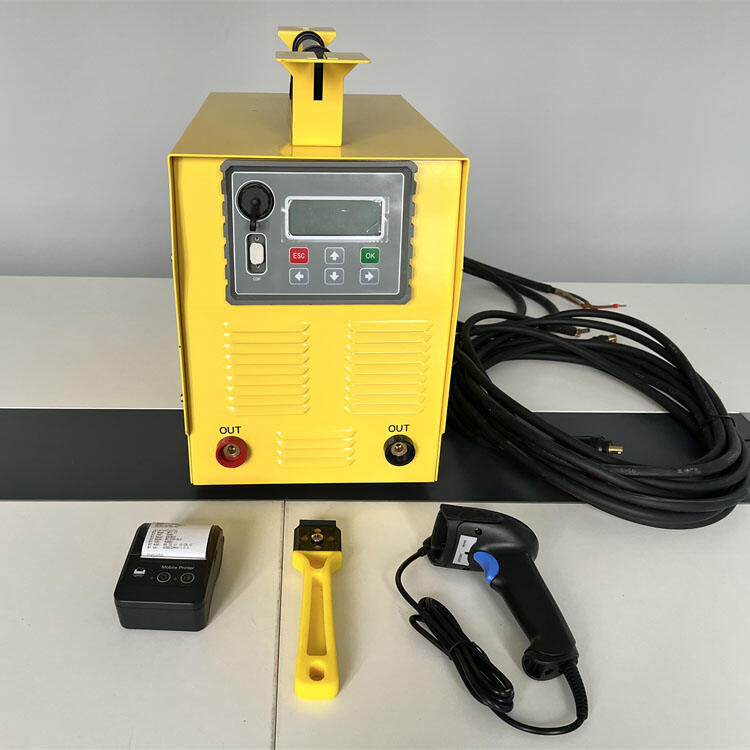
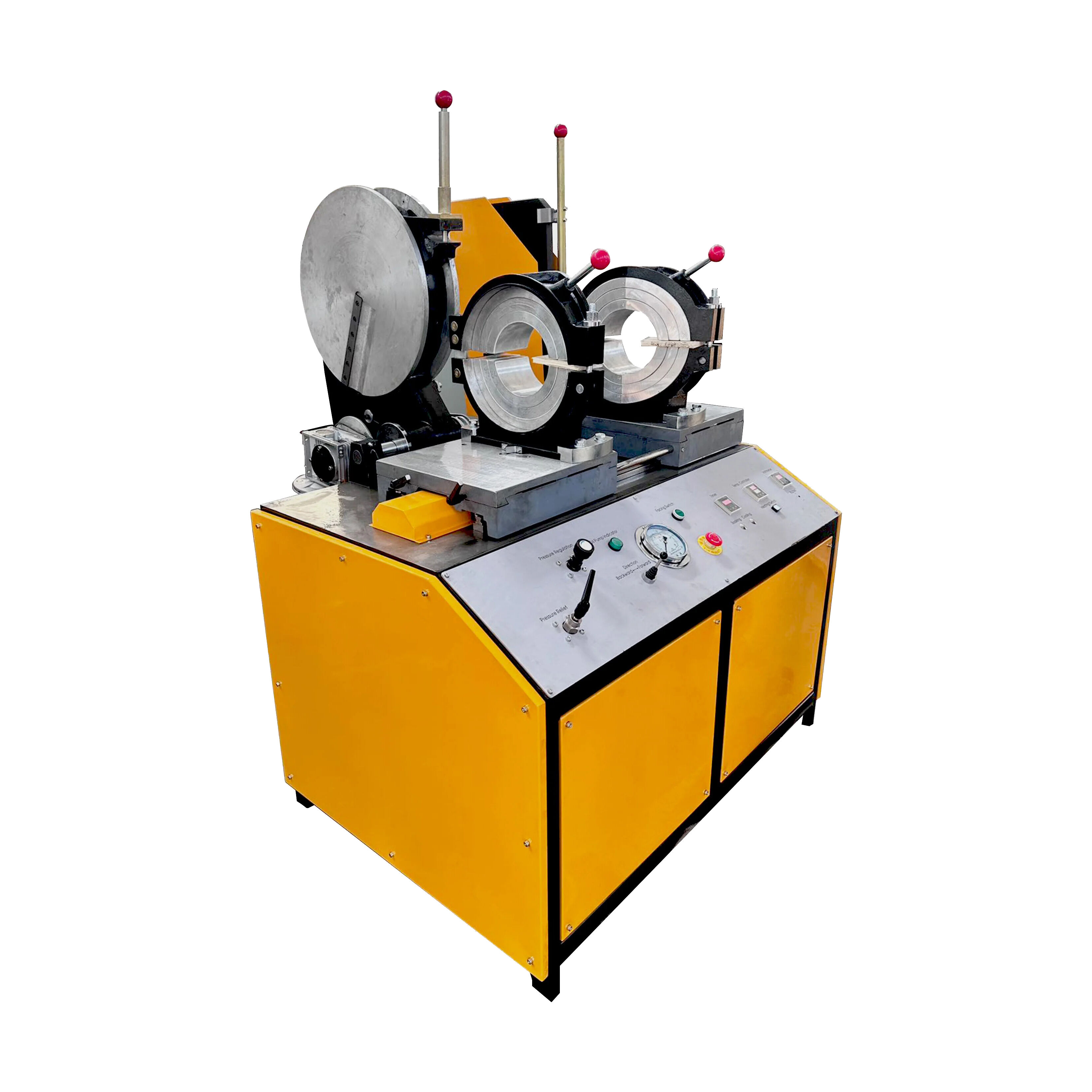
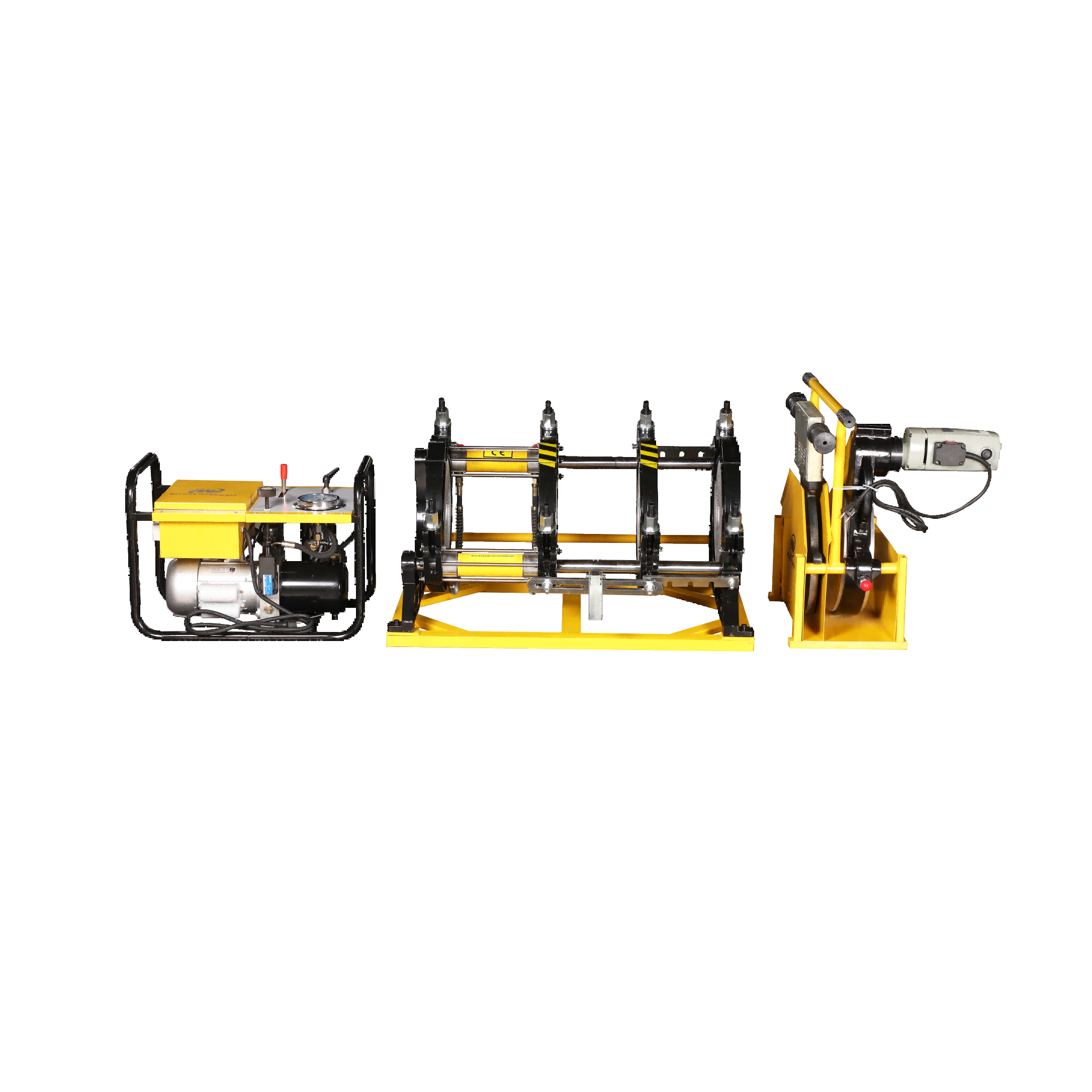
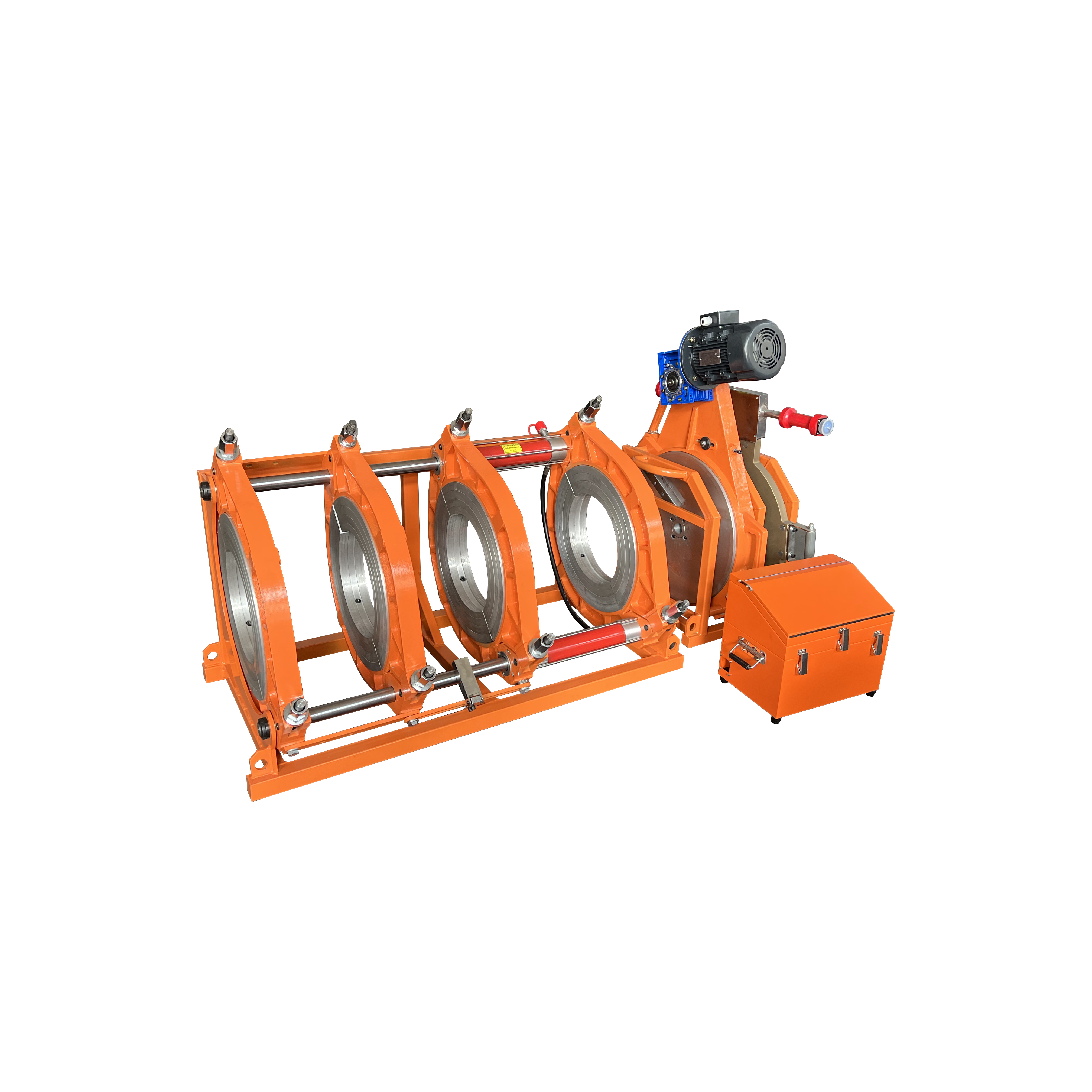
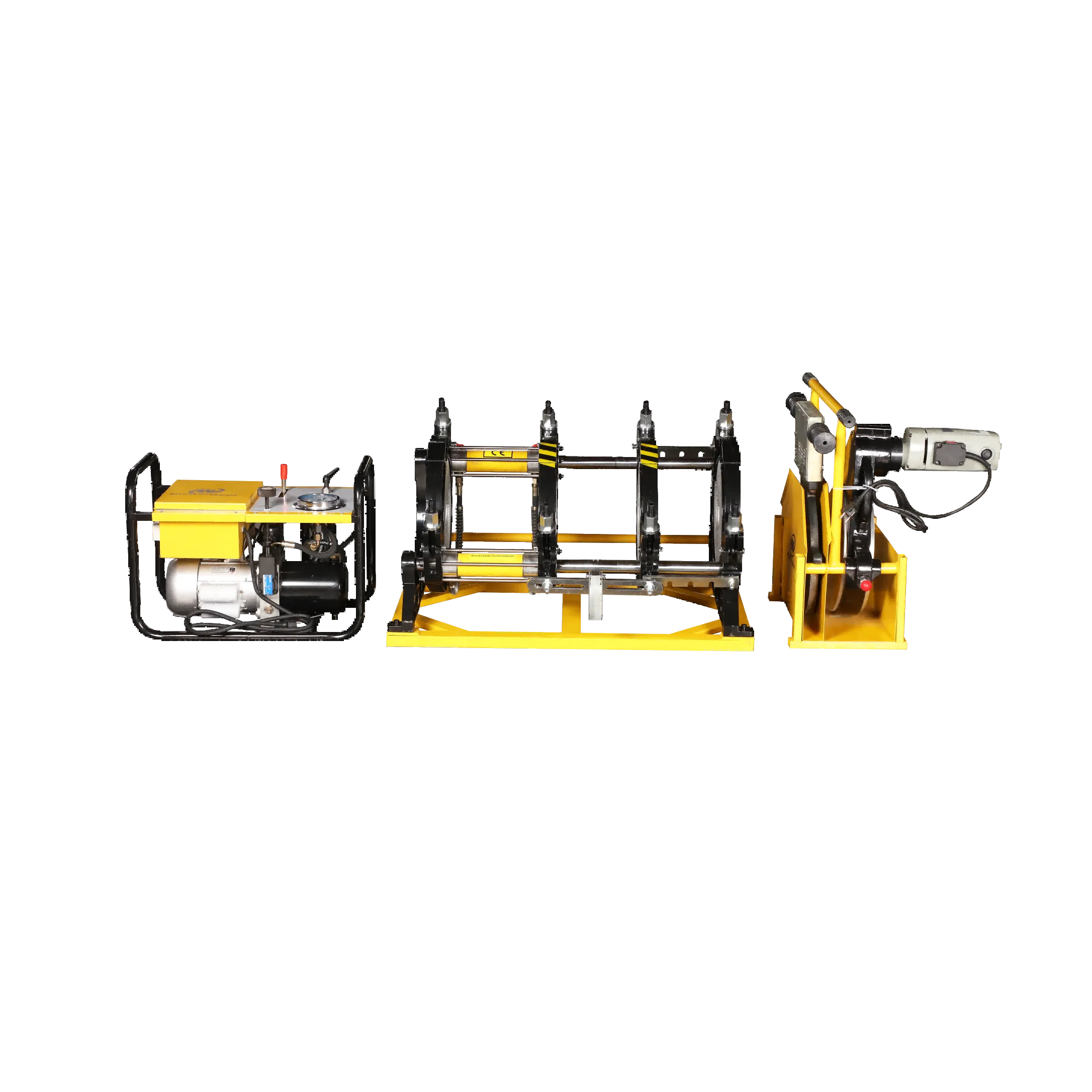
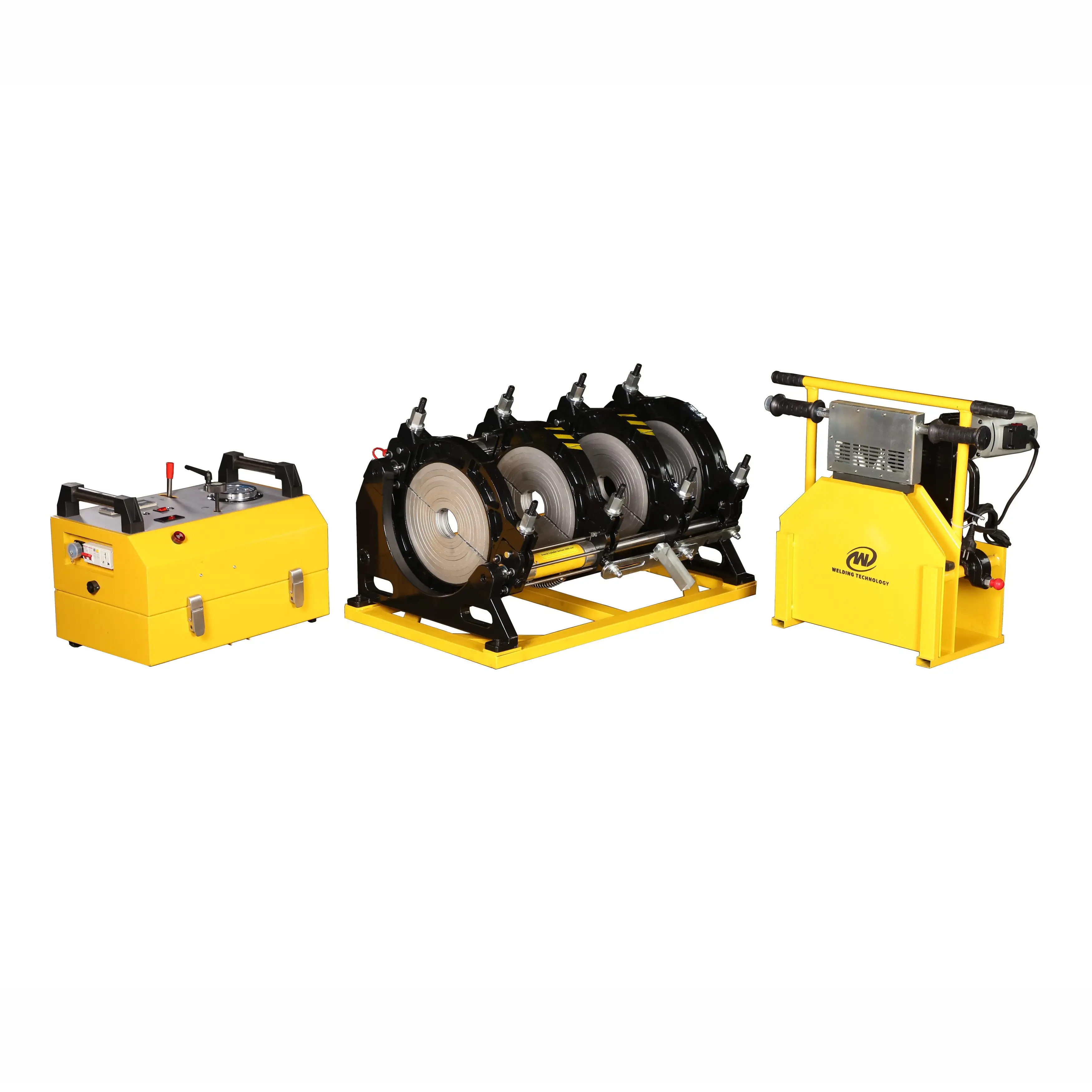
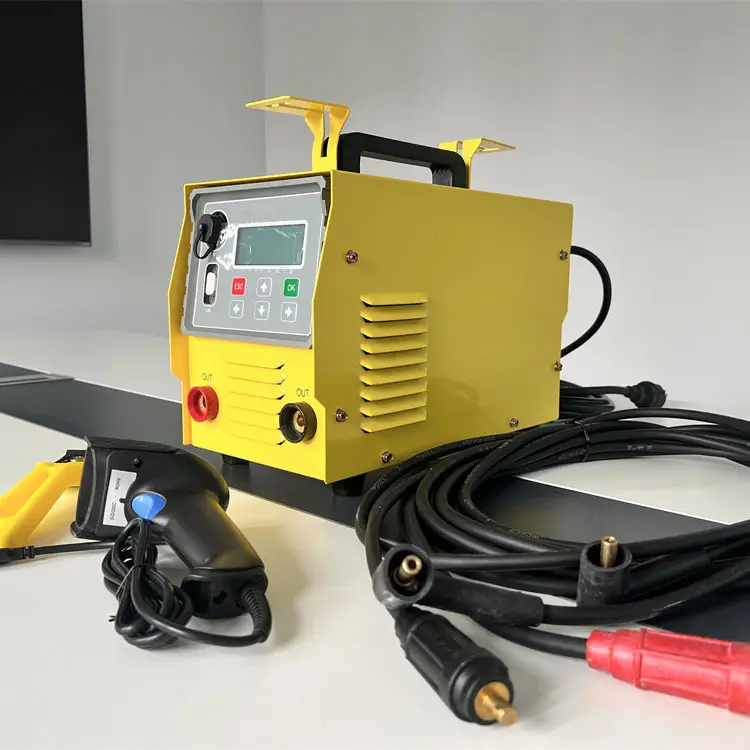
A poly pipe welding machine represents specialized equipment designed for joining polyethylene pipes through controlled heat fusion processes. This essential industrial tool creates permanent, leak-proof connections between polyethylene pipe segments commonly used in water distribution, gas transmission, mining operations, and agricultural irrigation systems. The poly pipe welding machine operates by heating the pipe ends to their melting point and pressing them together under precise pressure, forming a molecularly bonded joint that often exceeds the strength of the original pipe material. Modern poly pipe welding machine models incorporate advanced temperature control systems, hydraulic pressure mechanisms, and digital monitoring interfaces that ensure consistent weld quality across various pipe diameters and wall thicknesses. These machines accommodate pipe sizes ranging from small diameter residential lines to large industrial mains exceeding 1600 millimeters. The poly pipe welding machine category includes several configuration types: butt fusion welders for end-to-end joining, electrofusion equipment utilizing special fittings with embedded heating elements, socket fusion tools for smaller diameter connections, and saddle fusion units for creating branch connections. Temperature regulation systems within a poly pipe welding machine maintain optimal heating plate temperatures between 200 and 230 degrees Celsius, depending on polyethylene grade specifications. Hydraulic systems generate the necessary fusion pressure while allowing controlled interface movement during the joining cycle. Digital control panels provide operators with real-time feedback on heating duration, cooling time, and pressure parameters, ensuring compliance with international welding standards. Many contemporary poly pipe welding machine designs feature data logging capabilities that record welding parameters for quality assurance documentation and traceability requirements. The portability factor varies significantly, with trailer-mounted units serving large infrastructure projects while compact models facilitate repairs in confined spaces or remote locations where pipeline systems require maintenance and extension work.

 EN
EN