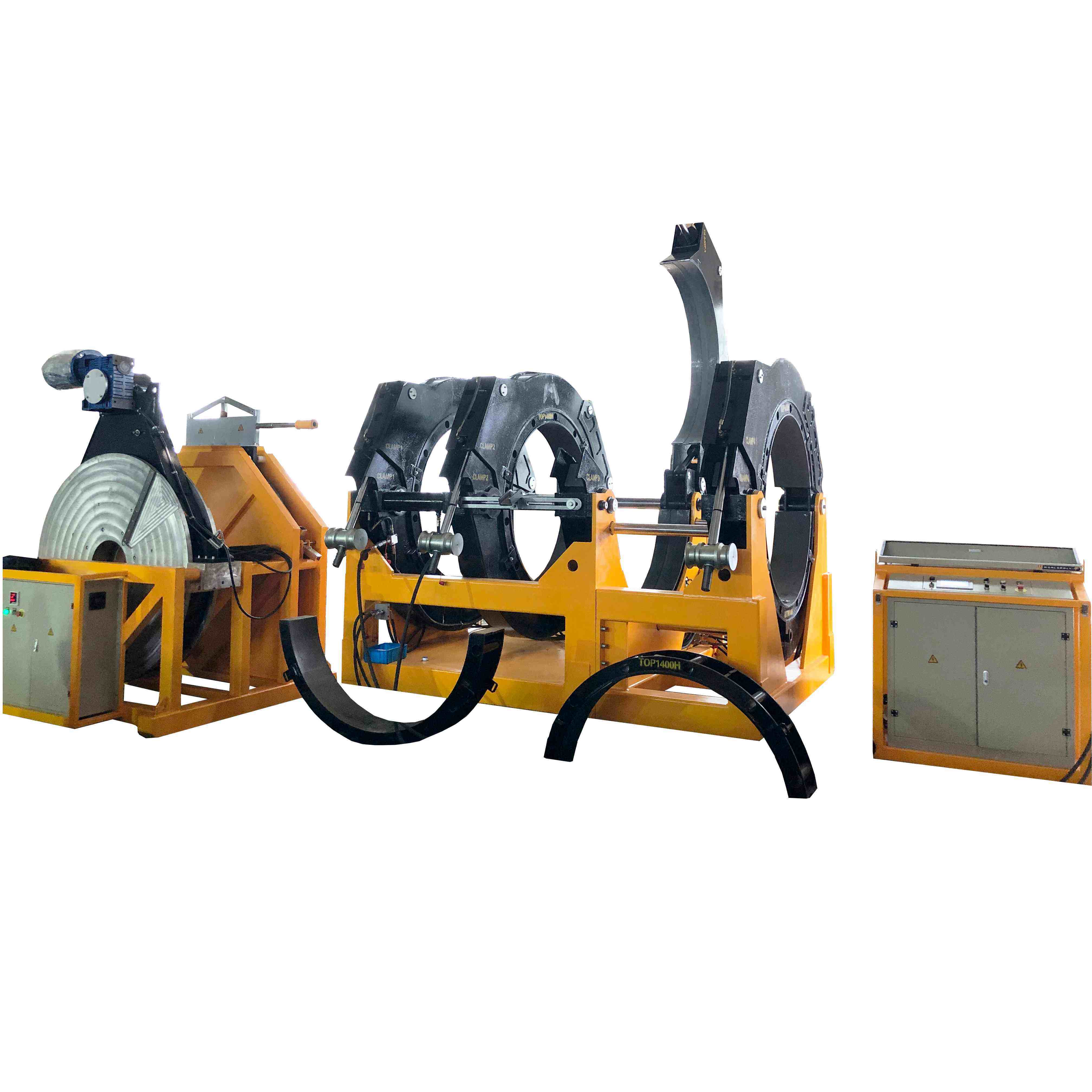
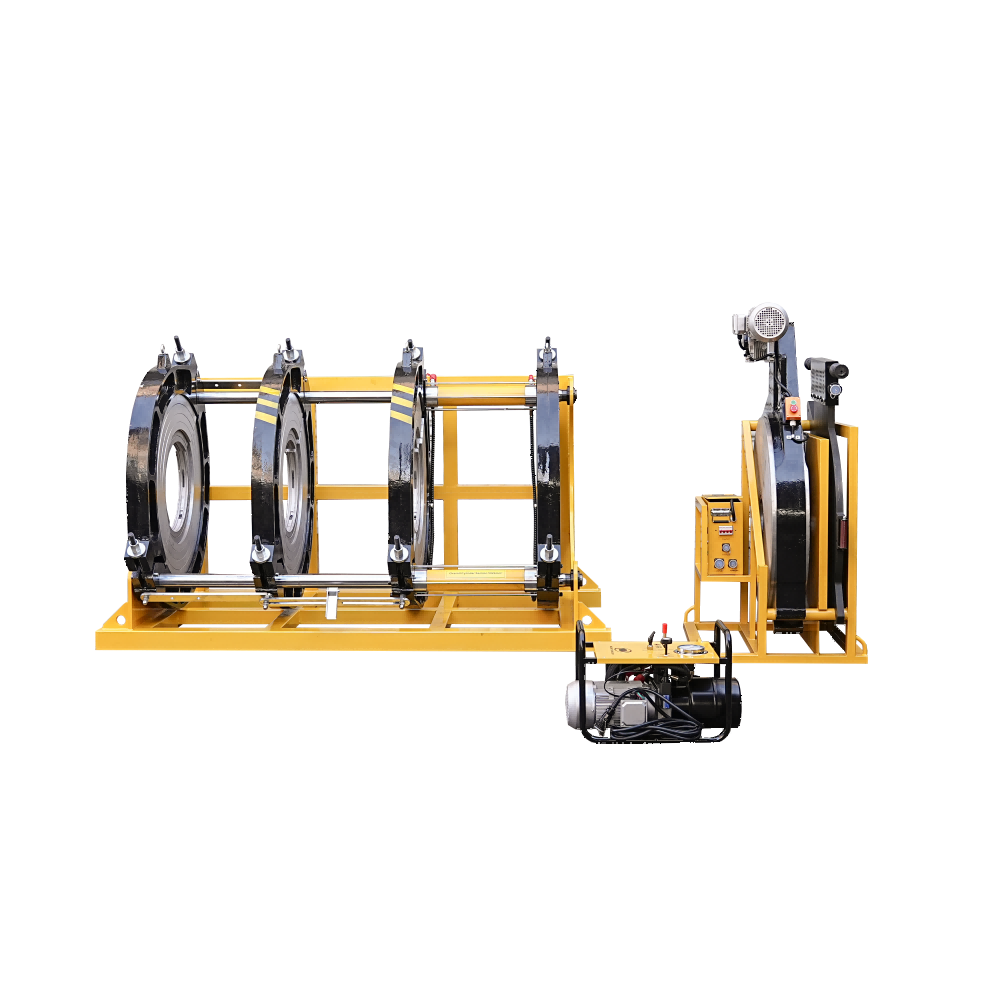
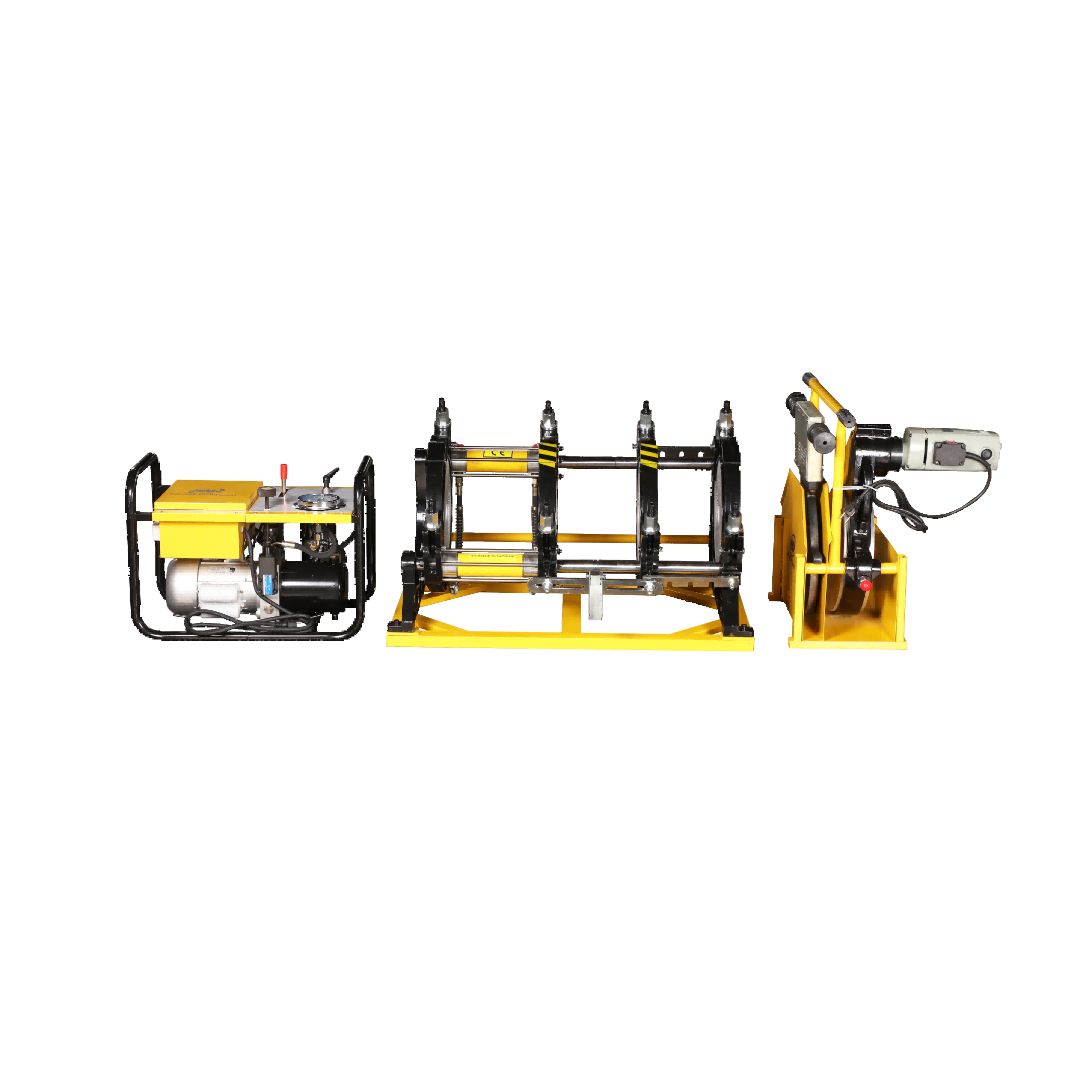
Широкая совместимость с материалами
Исключительная совместимость аппаратов для стыковой сварки по материалам позволяет подрядчикам и инженерам использовать одно и то же оборудование для самых разных трубопроводных задач в различных отраслях и типах проектов. Эти аппараты успешно сваривают полиэтиленовые трубы — от полиэтилена высокой плотности, применяемого в системах водоснабжения, до полиэтилена средней плотности, широко используемого в газораспределительных сетях. Оборудование также обеспечивает сварку полипропиленовых материалов, применяемых в химической промышленности, где критически важна устойчивость к агрессивным коррозионным веществам. Современные нагревательные плиты адаптируются к специфическим температурам плавления различных термопластичных материалов, автоматически регулируя профили температурного режима и циклы нагрева для оптимизации качества сварного соединения каждого типа материала. Универсальность охватывает также толщину стенок труб: аппараты способны сваривать как тонкостенные трубы, используемые в жилых объектах, так и толстостенные трубы, необходимые для промышленных систем высокого давления. Диаметральный диапазон совместимости охватывает как небольшие распределительные трубы, так и крупные магистральные трубопроводы, что делает аппараты для стыковой сварки пригодными для проектов в сфере муниципальной инфраструктуры, промышленных объектов и систем орошения в сельском хозяйстве. Аппараты обеспечивают надёжное соединение труб из различных марок и технических характеристик одного и того же семейства термопластов, предоставляя гибкость при расширении и ремонте систем, когда точное соответствие материала может быть недоступно. Такая совместимость снижает потребность подрядчиков и коммунальных служб в складских запасах, поскольку им достаточно хранить меньшее количество марок труб, сохраняя при этом возможность удовлетворять разнообразные требования проектов. Сварочный аппарат поддерживает различные способы подготовки торцов труб и их конфигурации, включая прямой рез, фаску и заводские подготовленные поверхности соединения, без необходимости применения дополнительного инструмента или специальных процедур настройки. Совместимость по материалам распространяется также на различные стандарты производства труб и международные технические требования, что обеспечивает применение оборудования на глобальных рынках и в международных строительных проектах. Процесс сварки одинаково эффективен как для первичных (непереработанных), так и для труб, содержащих вторичное сырьё, поддерживая принципы устойчивого строительства и инициативы по экологической ответственности. Процедуры контроля качества подтверждают целостность сварных соединений независимо от комбинаций материалов, гарантируя, что все сварные стыки соответствуют или превосходят установленные эксплуатационные требования для своих целевых применений и условий эксплуатации.





 EN
EN