butt fusion machine supplier
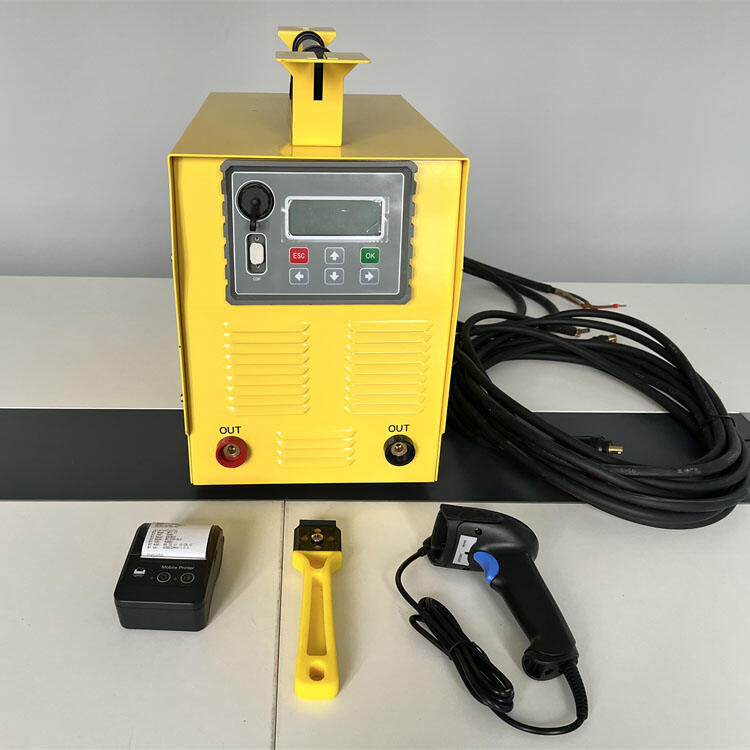
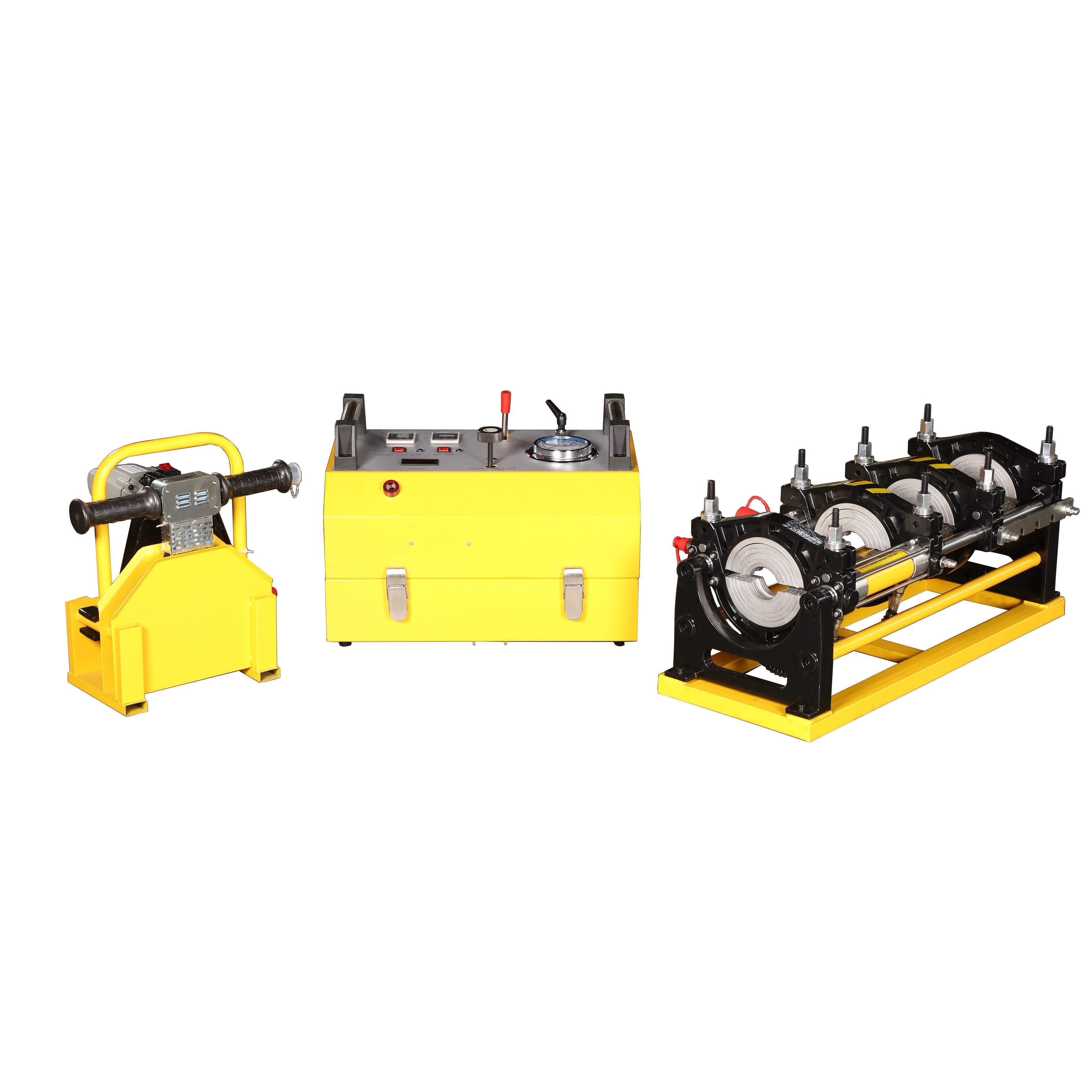
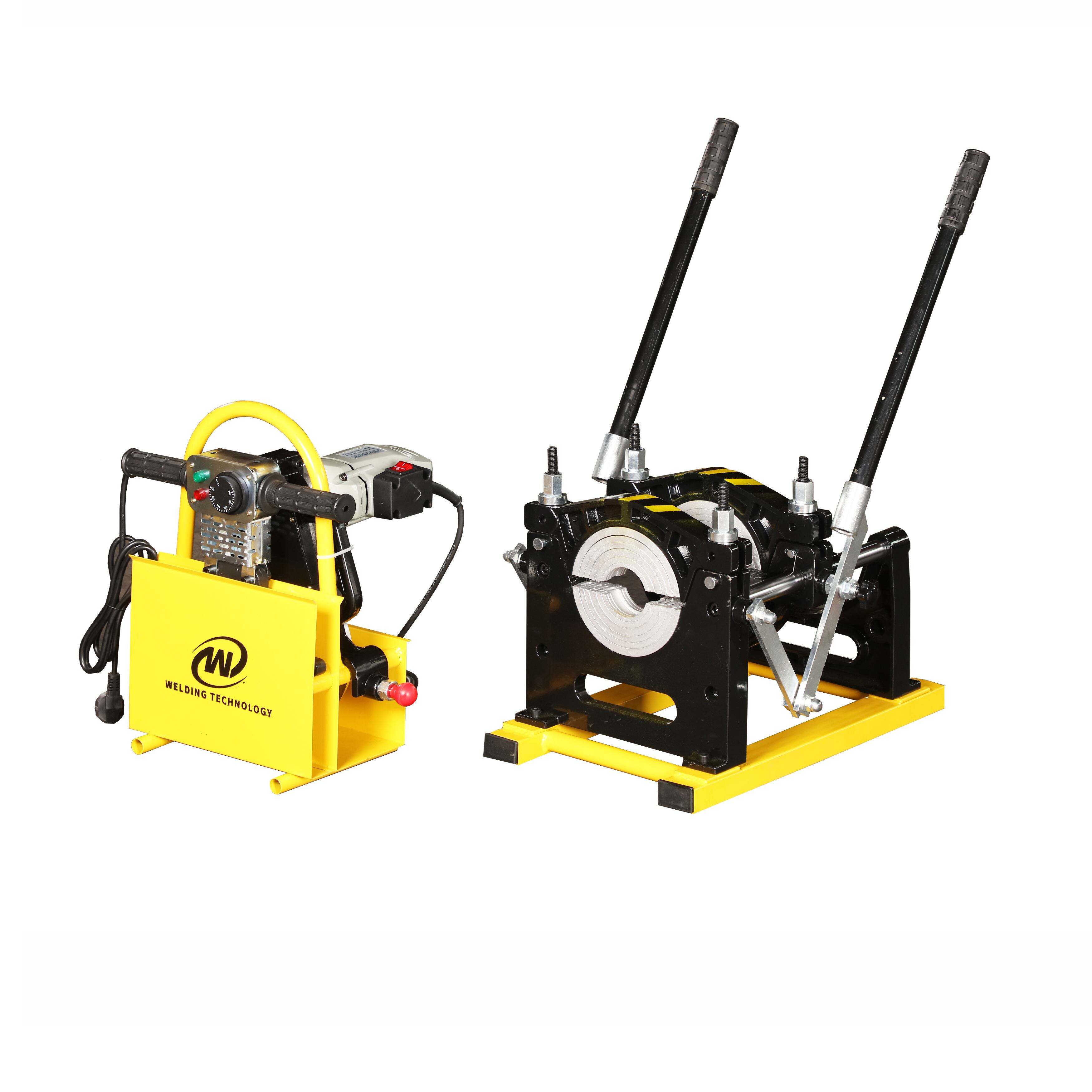
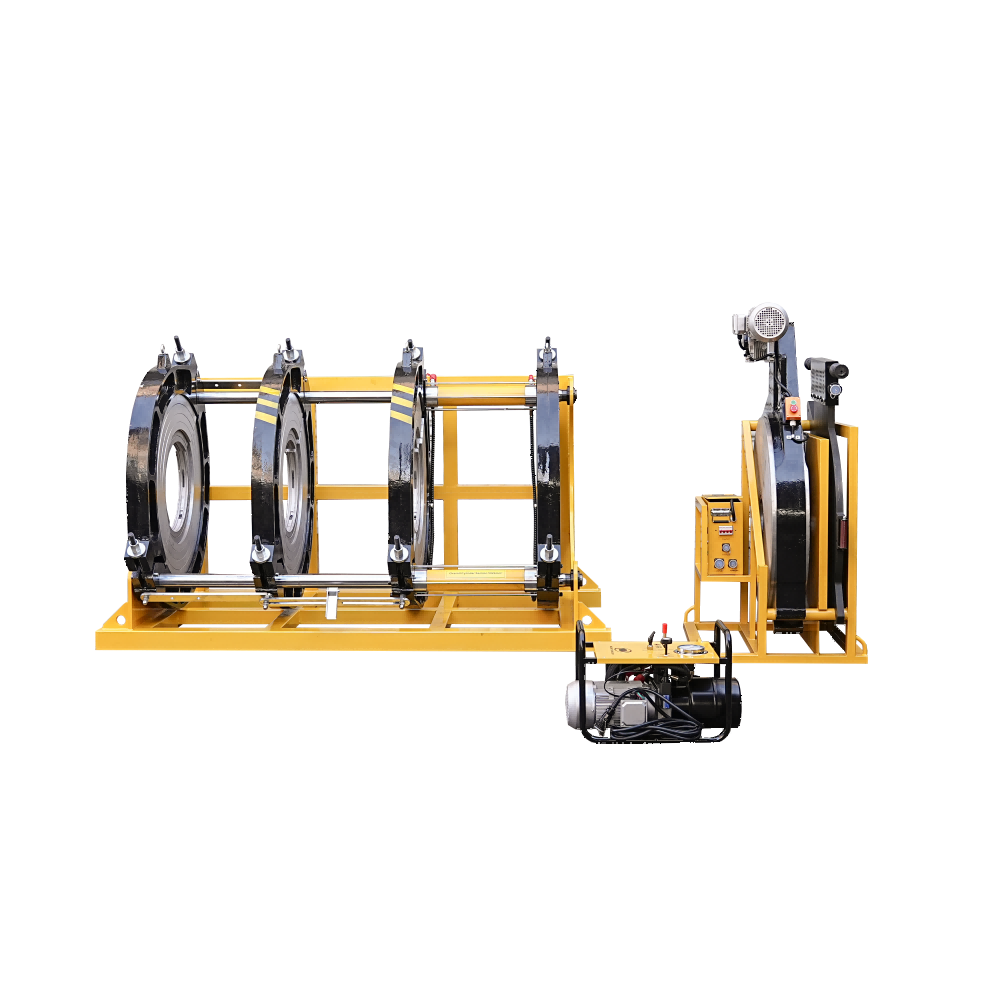
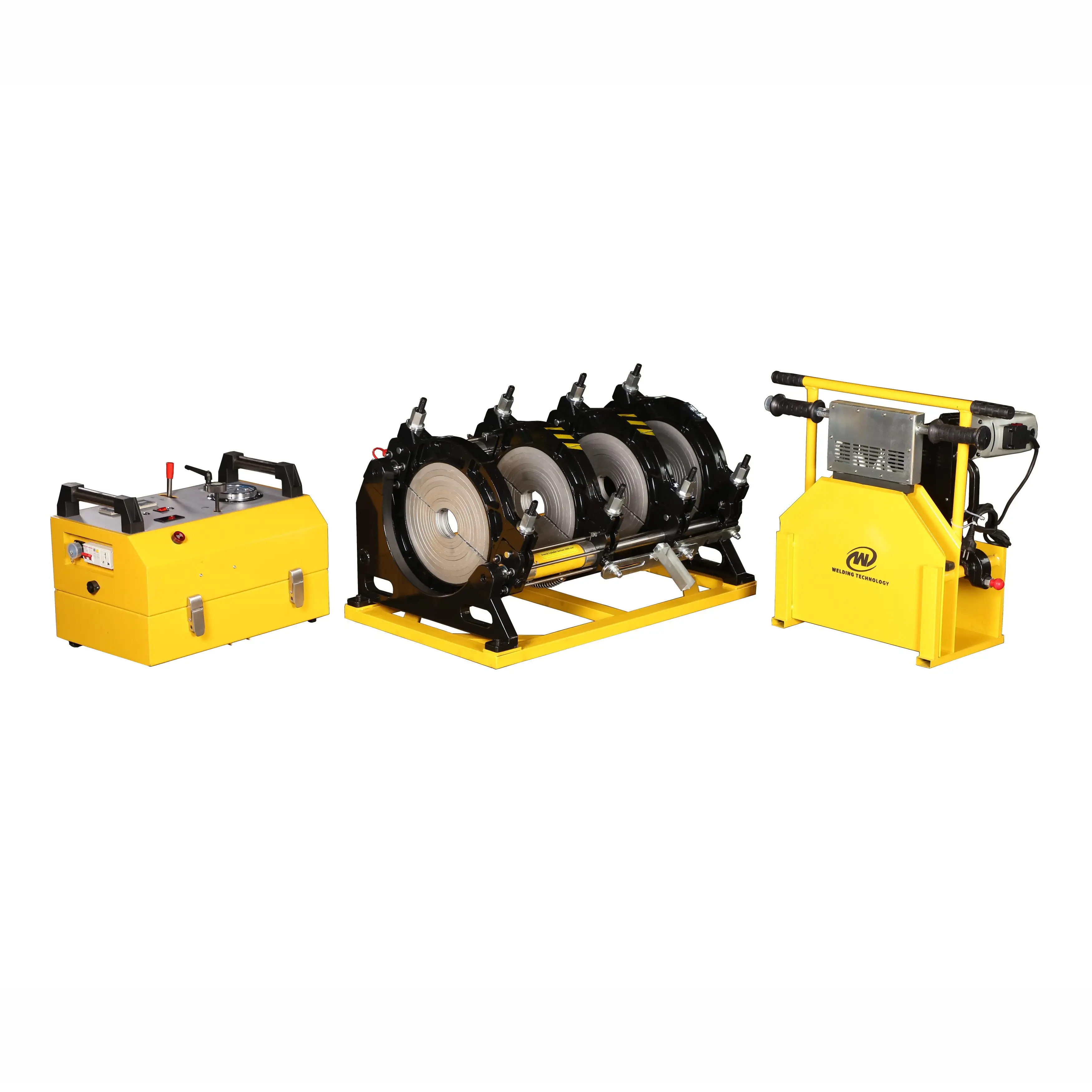
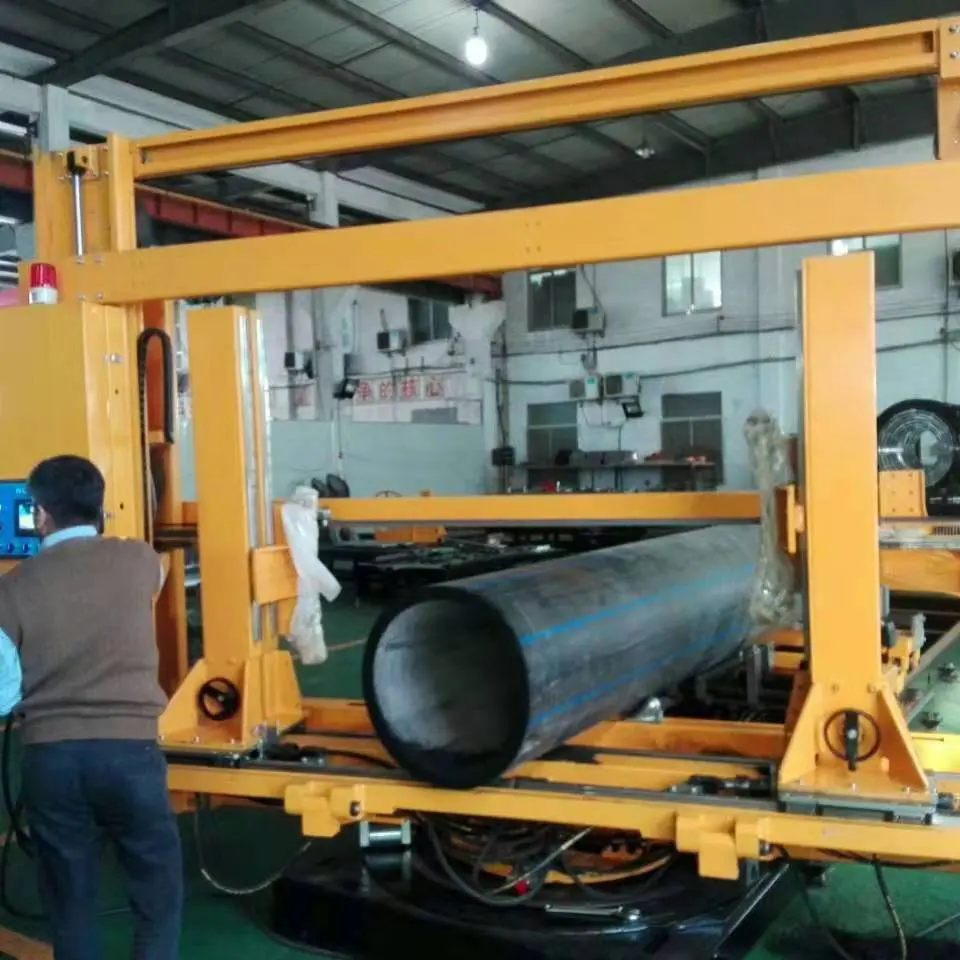
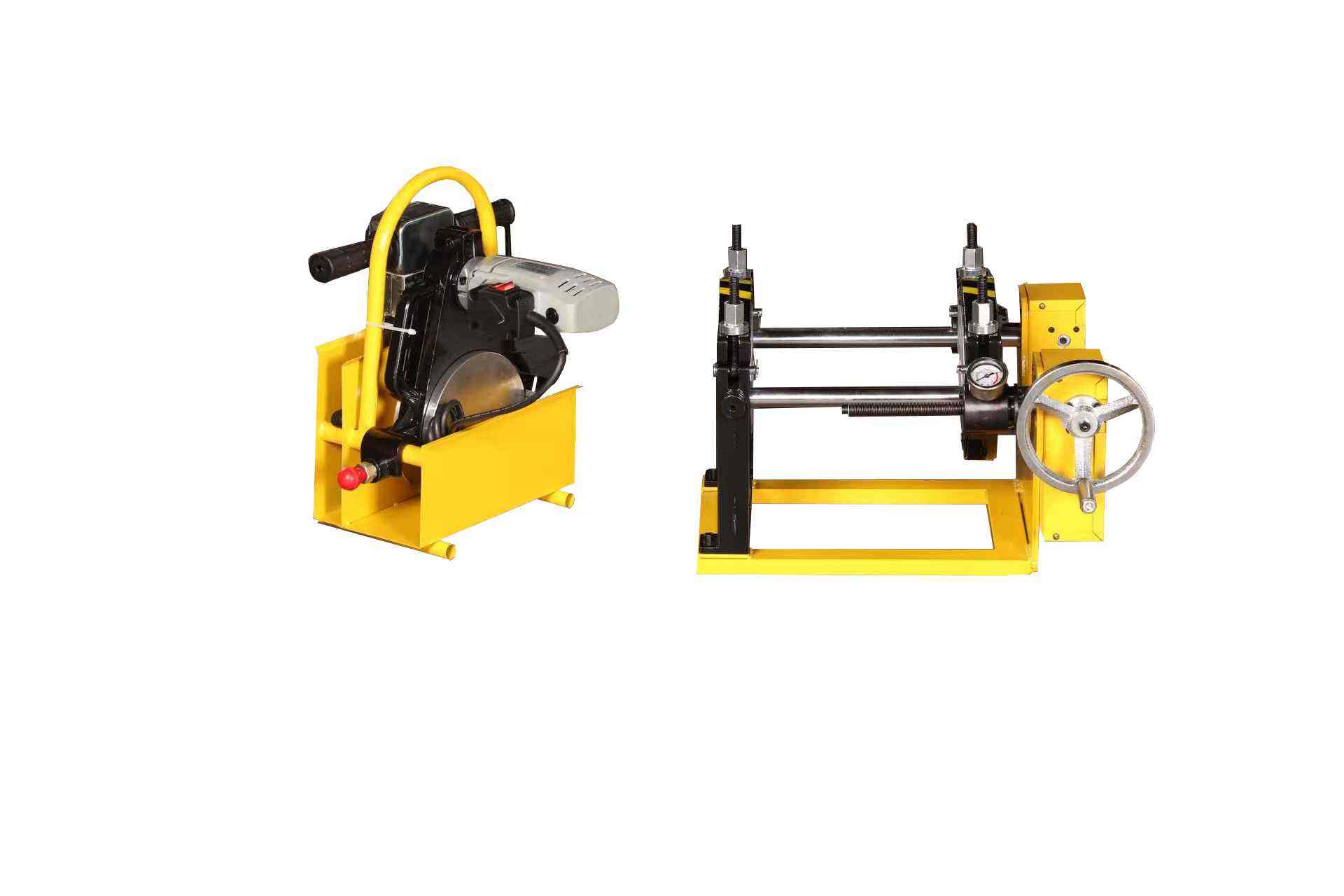
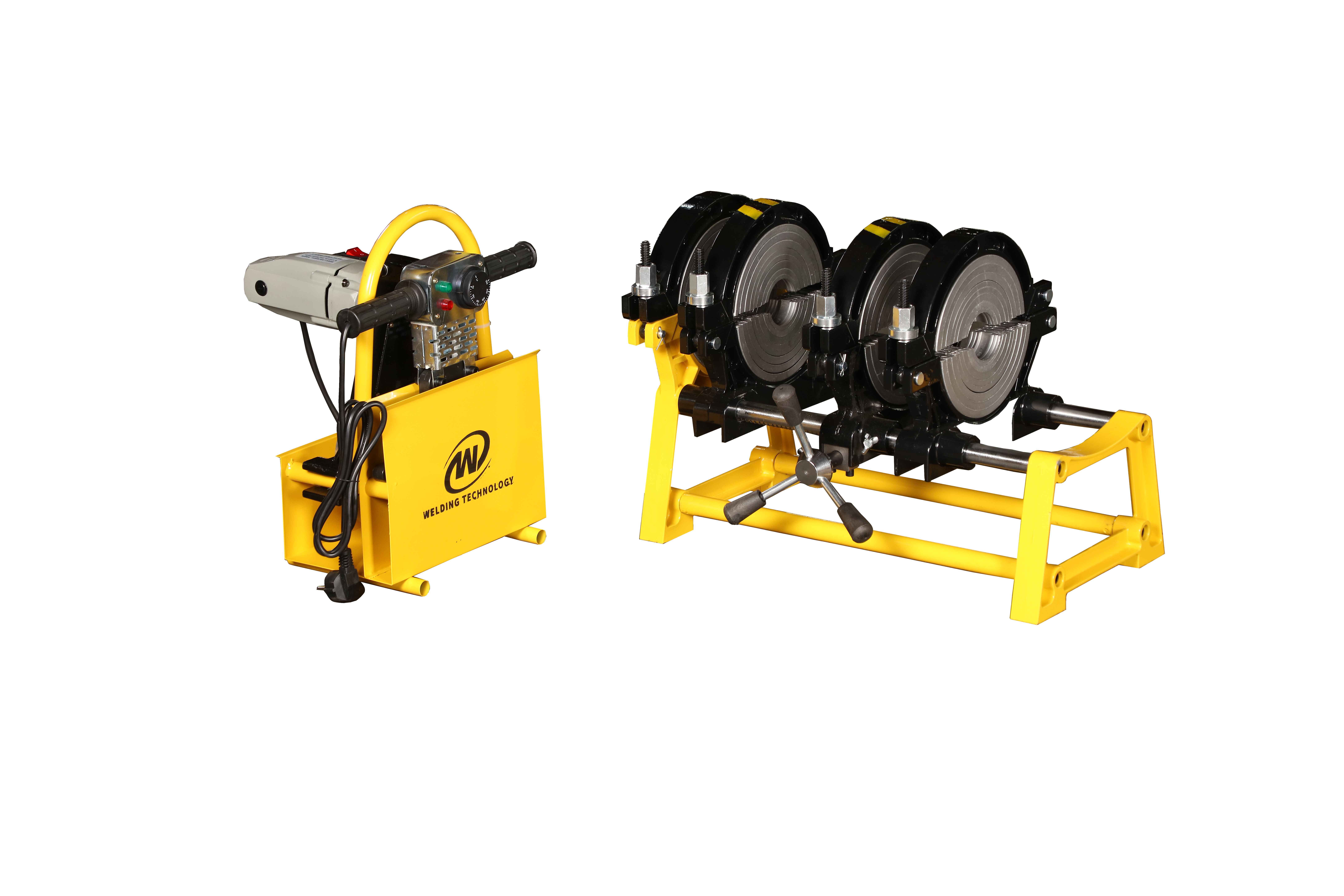
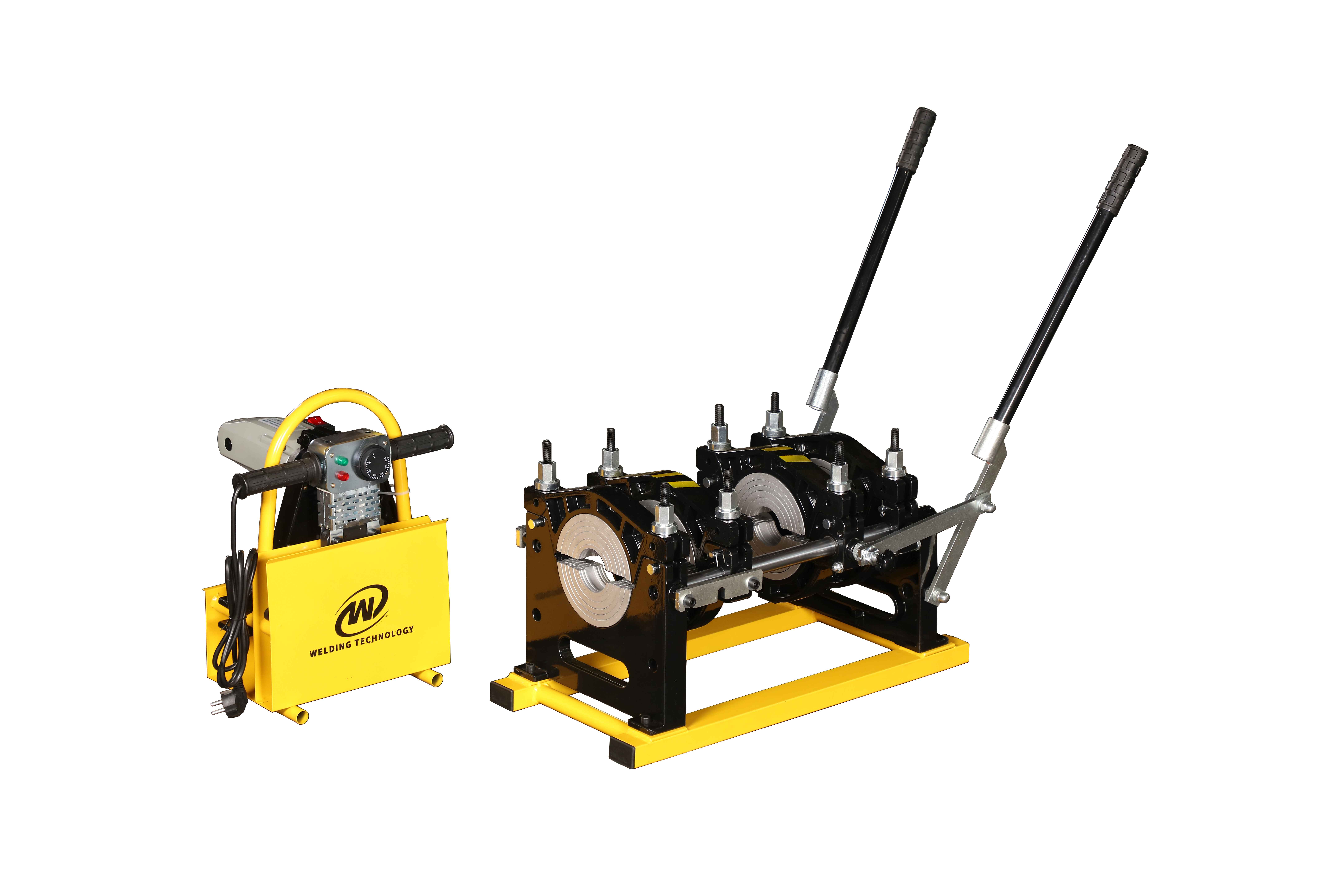
A butt fusion machine supplier provides specialized equipment designed to join thermoplastic pipes and fittings through a heat fusion process. This joining method creates seamless, leak-proof connections that match or exceed the strength of the pipe material itself. The supplier serves industries including water distribution, natural gas transmission, mining operations, industrial processing, and municipal infrastructure development. Modern butt fusion machine suppliers offer equipment ranging from manual units for small-diameter pipes to fully automated systems capable of joining pipes exceeding 2000mm in diameter. The primary function of these machines involves heating the pipe ends to their melting point, then pressing them together under controlled pressure to form a homogeneous bond. Leading butt fusion machine suppliers integrate advanced technology such as digital temperature controllers, hydraulic pressure systems, and automated alignment mechanisms to ensure consistent weld quality. These suppliers typically provide comprehensive support including operator training, maintenance services, and technical consultation for project-specific applications. The equipment they offer must comply with international standards such as ISO 21307, DVS 2207, and various regional codes that govern pipe fusion procedures. A reputable butt fusion machine supplier maintains rigorous quality control throughout manufacturing, ensuring each unit delivers precise temperature regulation, accurate pressure application, and reliable performance across varying environmental conditions. They understand that their clients depend on equipment that performs consistently whether working in extreme cold, desert heat, or high-altitude locations. The supplier relationship extends beyond equipment sales to include consumable parts, replacement heating elements, and upgrades that incorporate the latest technological advances. Professional butt fusion machine suppliers recognize that downtime translates directly to project delays and increased costs, so they maintain parts inventories and provide rapid response technical support to keep operations running smoothly.

 EN
EN