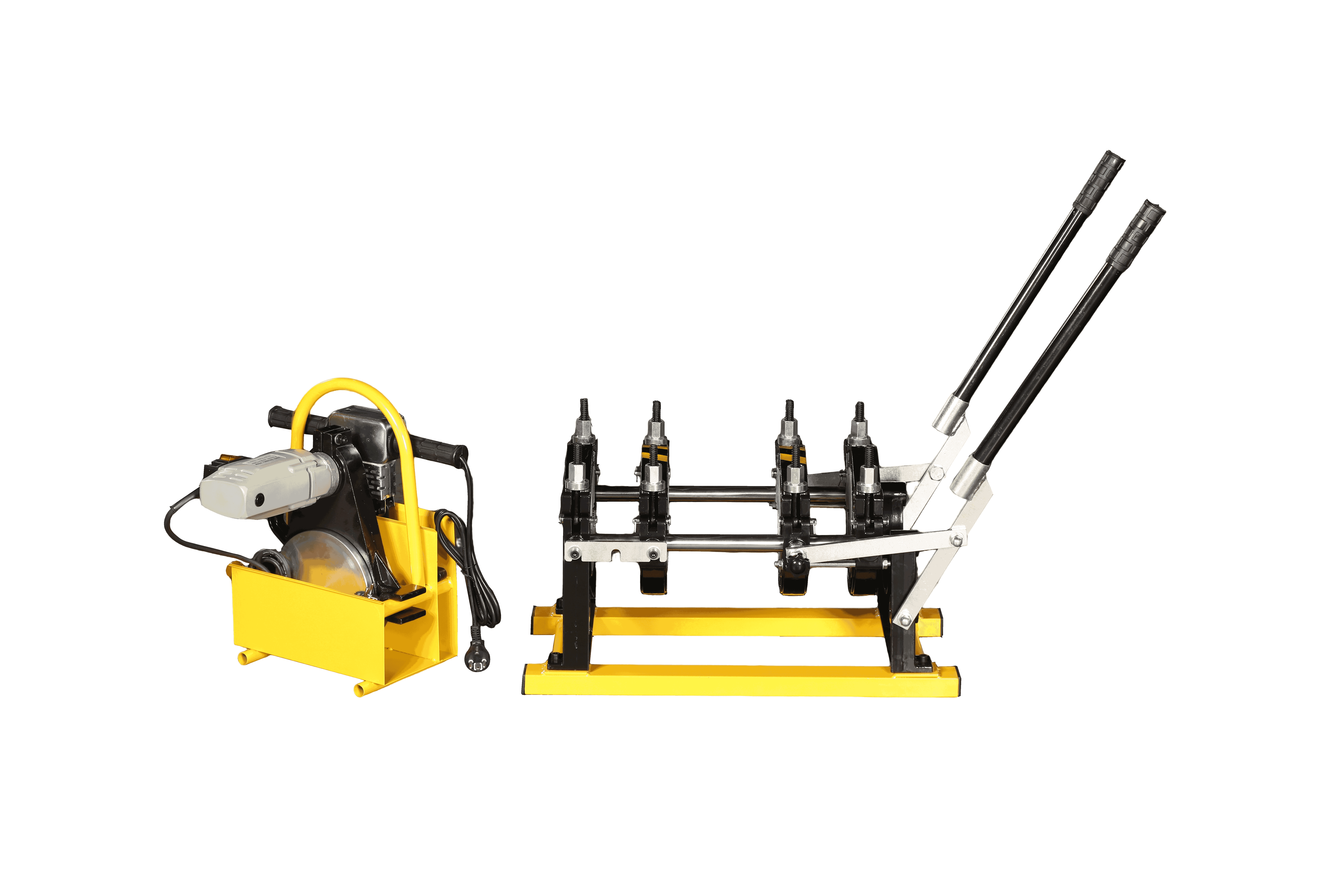
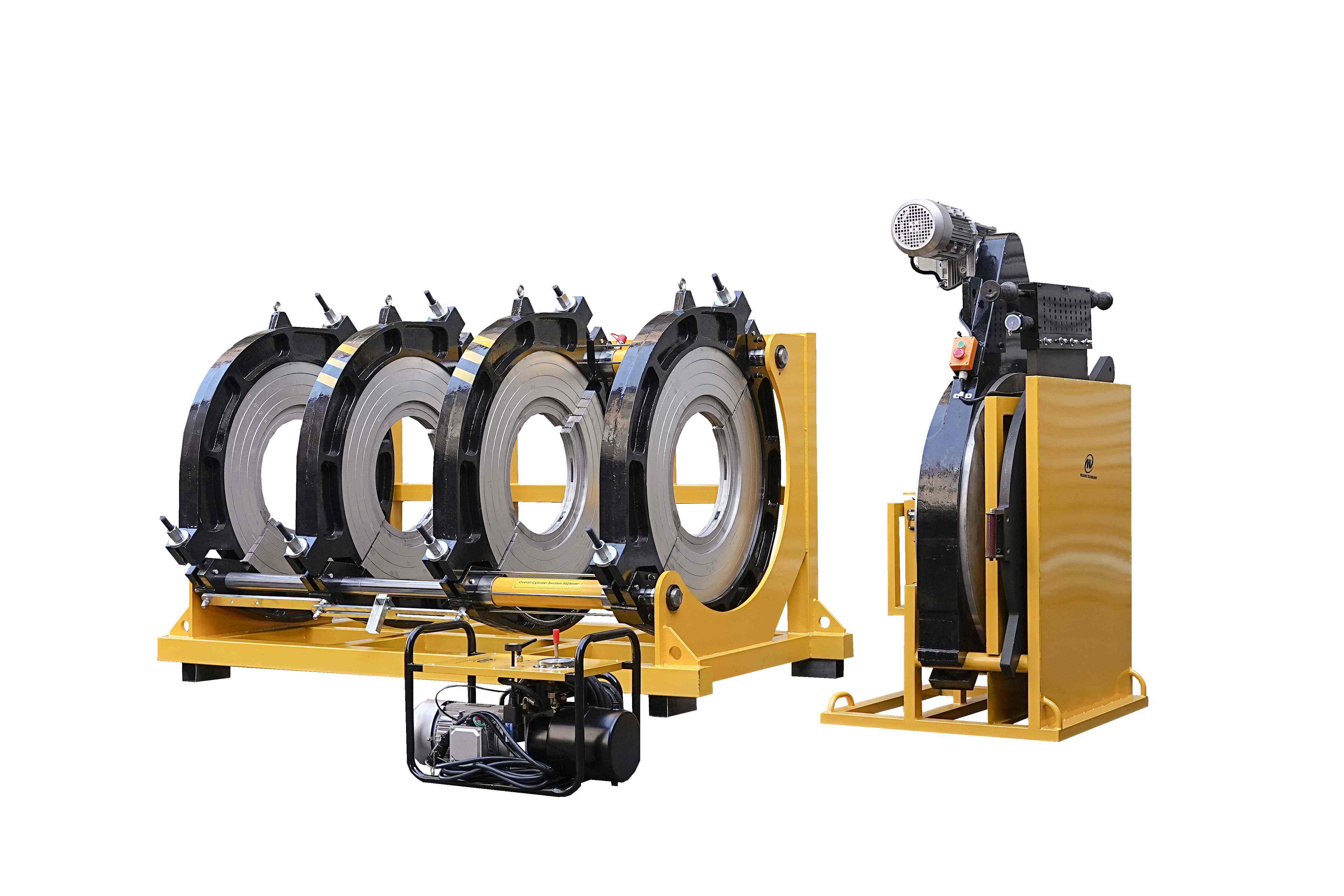
Manual Butt Fusion Machine: Professional Pipe Welding Equipment for Superior Joint Quality

Get a Free Quote

Our representative will contact you soon.
E-mail
Name
Mobile/WhatsApp
Company Name
Message
0/1000

manual butt fusion machine

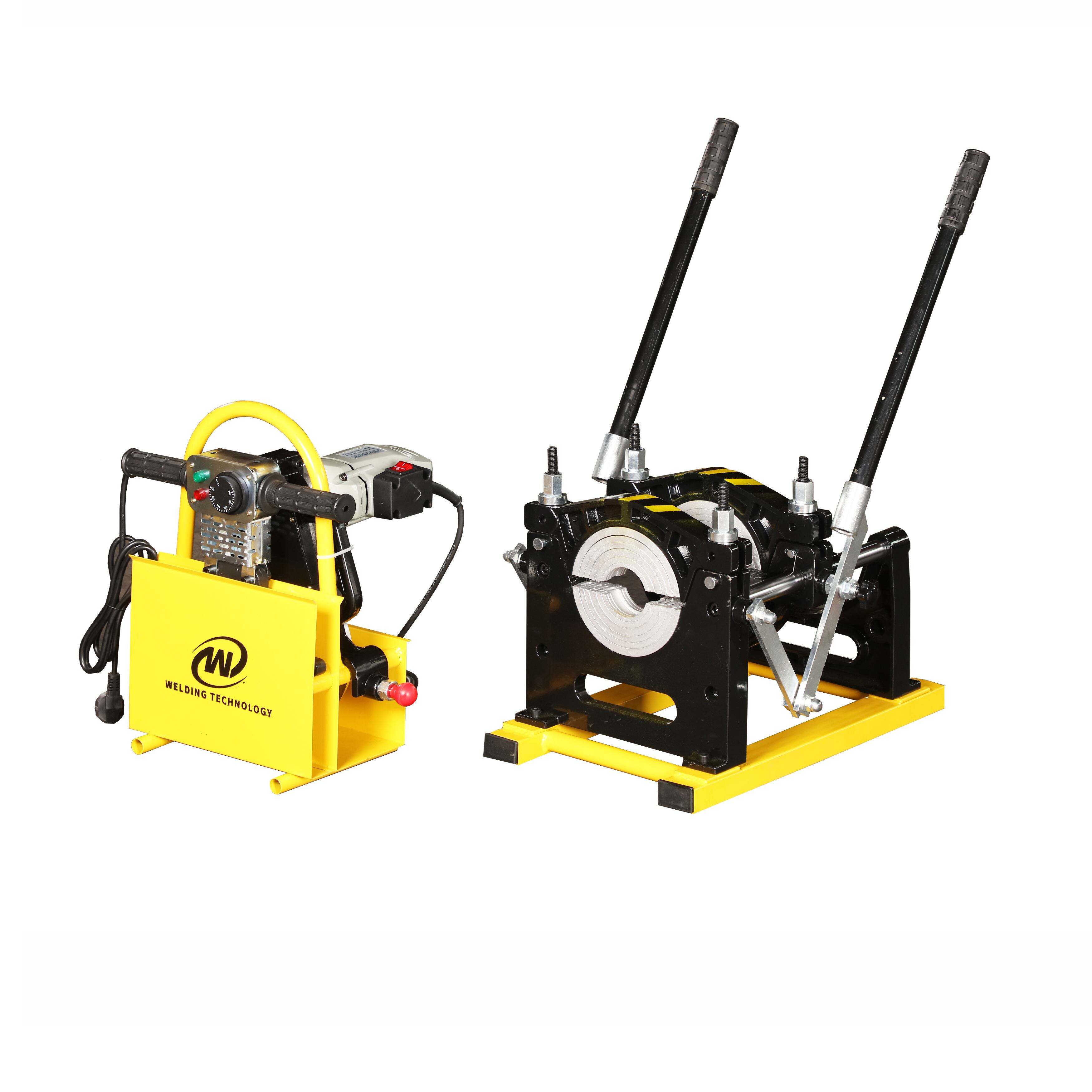
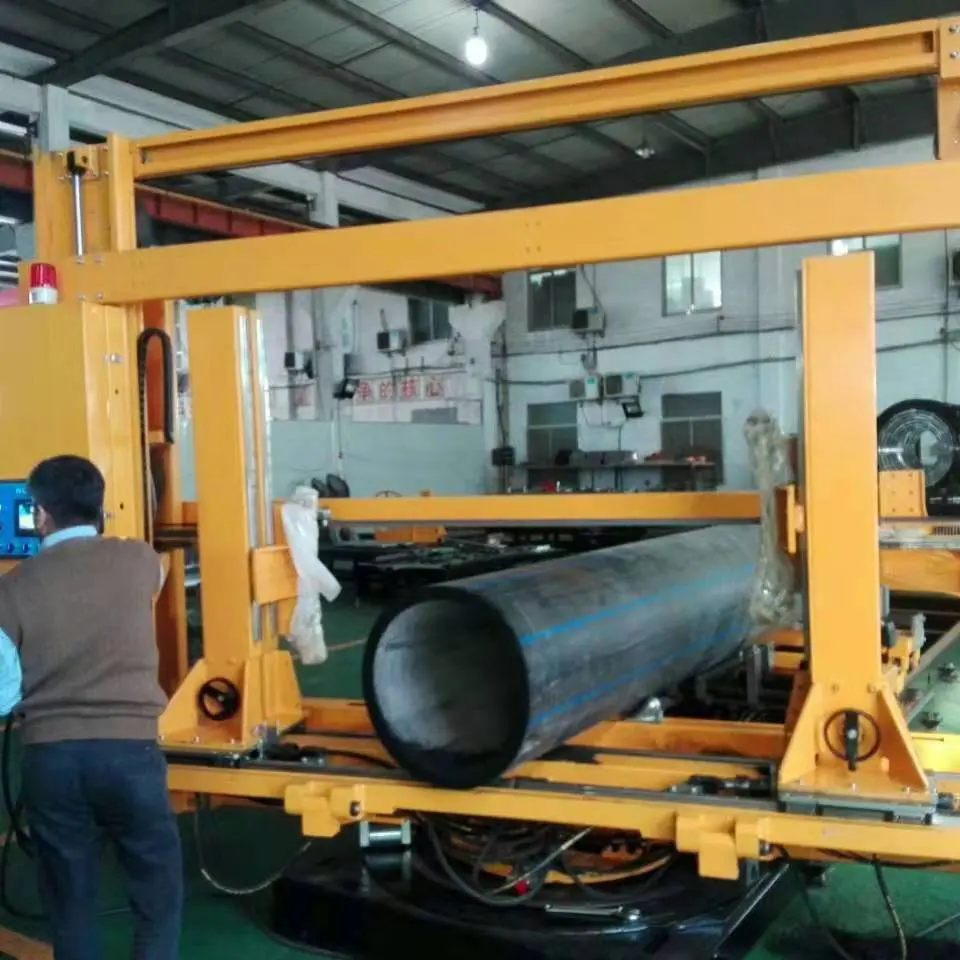
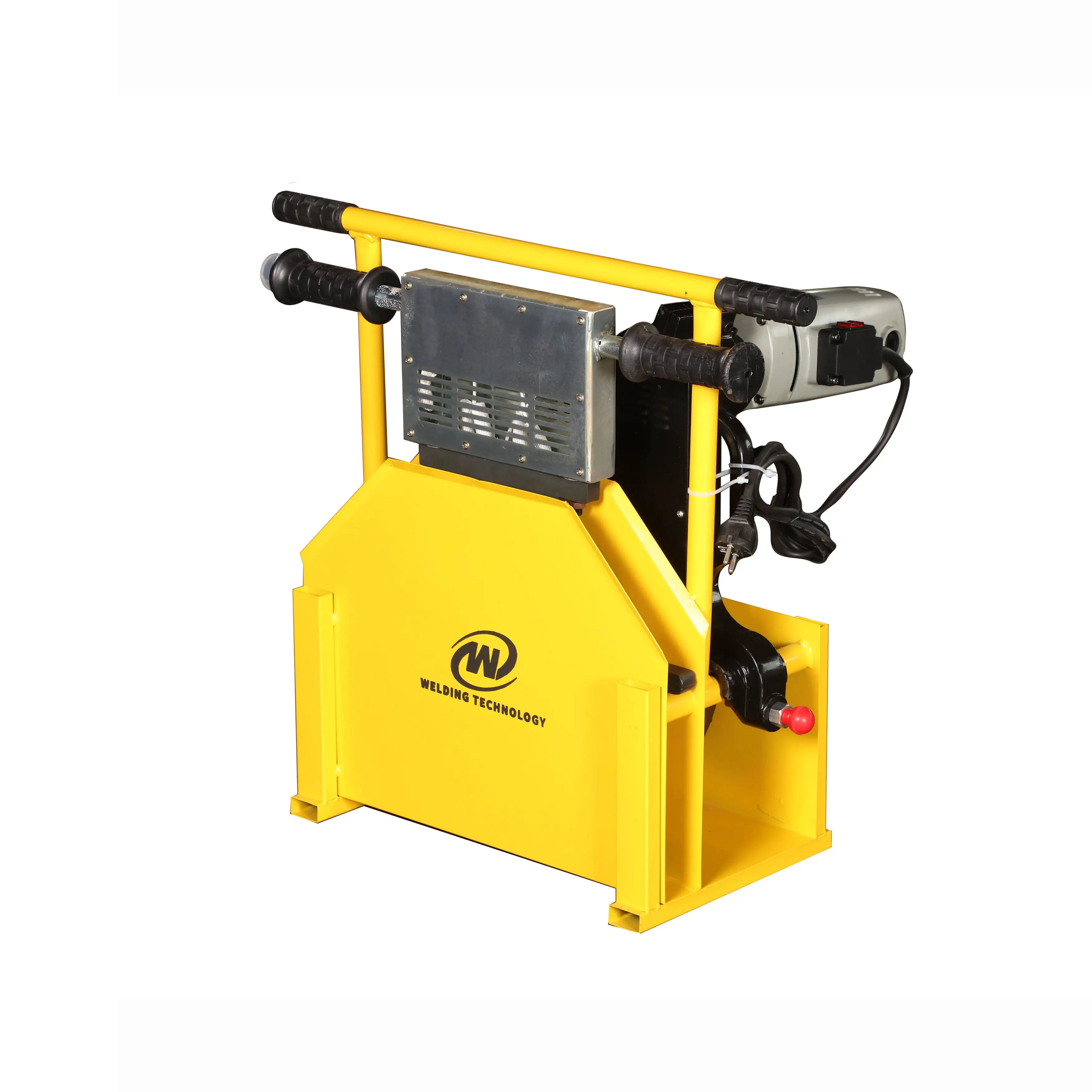
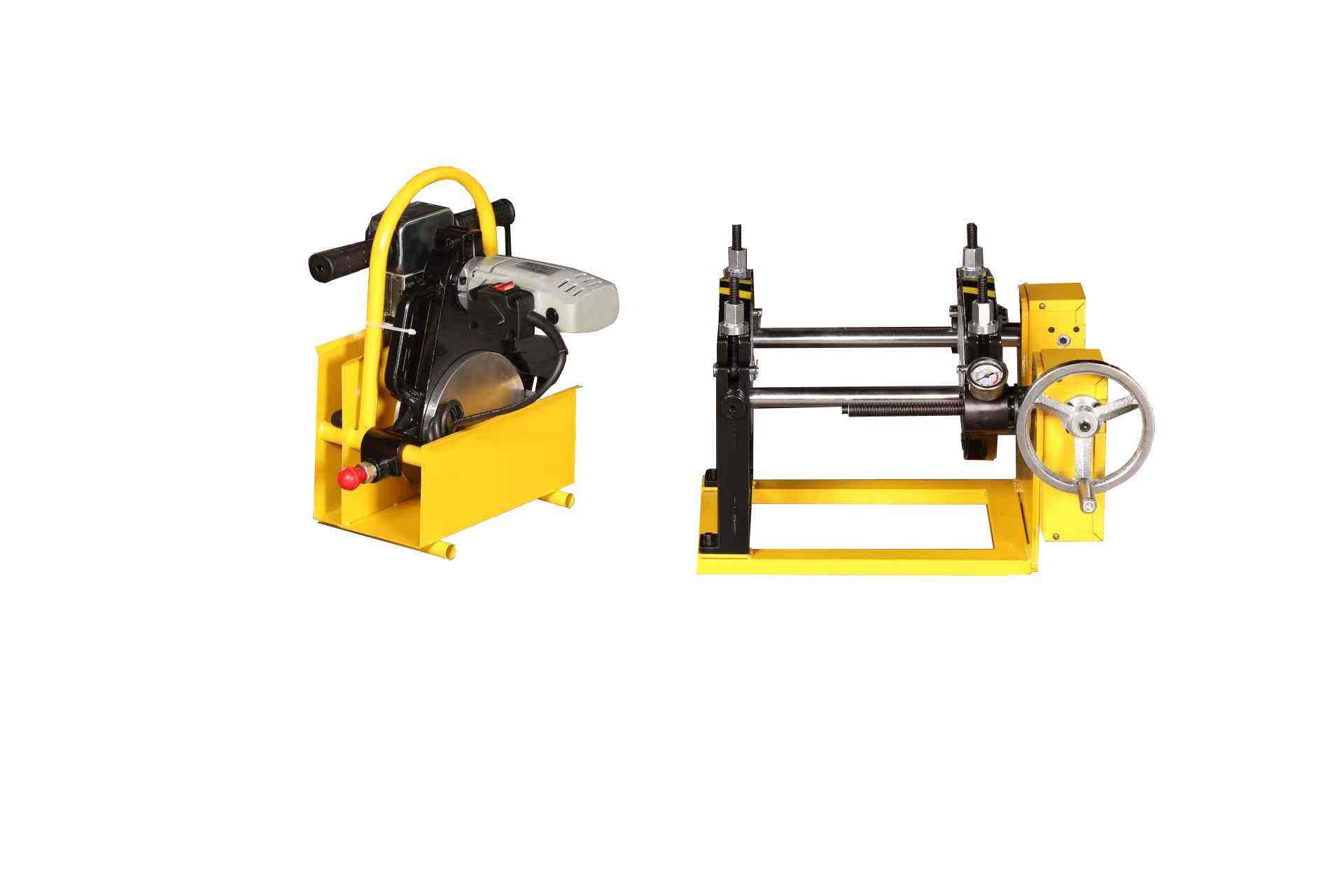
The manual butt fusion machine represents a fundamental piece of equipment in the pipe welding industry, specifically designed for joining thermoplastic pipes through the butt fusion welding process. This specialized apparatus operates by heating the ends of two pipe sections simultaneously until they reach optimal fusion temperature, then pressing them together under controlled pressure to create a permanent, seamless joint. The manual butt fusion machine serves as an essential tool for creating reliable connections in water distribution systems, gas pipelines, and various industrial applications where leak-proof joints are paramount. The core functionality of this equipment centers on precise temperature control and consistent pressure application throughout the welding cycle. Modern manual butt fusion machines incorporate advanced heating elements that ensure uniform heat distribution across the pipe surface, eliminating cold spots that could compromise joint integrity. The clamping mechanism securely holds pipes in perfect alignment during the entire fusion process, preventing any movement that might result in weak or defective welds. These machines typically feature adjustable settings to accommodate different pipe materials, diameters, and wall thicknesses, making them versatile solutions for diverse project requirements. The technological architecture of contemporary manual butt fusion machines includes sophisticated temperature monitoring systems that provide real-time feedback to operators, ensuring optimal fusion conditions are maintained throughout each welding cycle. The heating plate design incorporates non-stick coatings that prevent material buildup and facilitate easy cleaning between operations. Pressure regulation systems allow operators to apply precise force according to manufacturer specifications for different pipe types and sizes. Many models include timer functions that automatically manage heating and cooling phases, reducing operator error and improving consistency across multiple joints. The compact design of manual butt fusion machines makes them highly portable, enabling on-site welding operations in remote locations or confined spaces where larger automated systems would be impractical. These machines find extensive application in municipal water systems, natural gas distribution networks, chemical processing facilities, and mining operations where durable pipe connections are essential for operational safety and efficiency.

New Products

The manual butt fusion machine offers numerous compelling advantages that make it an indispensable tool for professionals working with thermoplastic piping systems. The primary benefit lies in its ability to create joints that are stronger than the original pipe material itself. When properly executed, butt fusion welding produces molecular bonds between pipe sections that eliminate weak points and potential failure zones. This superior joint strength translates directly into enhanced system reliability and reduced maintenance costs over the operational lifetime of the installation. Cost-effectiveness stands as another significant advantage of manual butt fusion machines. These units require minimal consumable materials during operation, as the welding process relies solely on the pipe material itself without needing additional fillers, adhesives, or mechanical fasteners. This characteristic substantially reduces ongoing operational expenses while eliminating concerns about compatibility issues between different materials. The elimination of consumables also means fewer inventory requirements and reduced procurement complexities for maintenance operations. Operational simplicity represents a key strength of manual butt fusion machines. Operators can achieve consistent, high-quality results with relatively minimal training compared to other welding techniques. The straightforward process involves heating, joining, and cooling phases that are easily understood and replicated across different job sites. This simplicity reduces the likelihood of operator errors and ensures reliable performance even when equipment is operated by personnel with varying experience levels. The portability factor provides exceptional flexibility for field operations. Manual butt fusion machines are designed with mobility in mind, allowing contractors to transport equipment directly to work locations rather than bringing materials to fixed welding stations. This capability proves particularly valuable for repair operations, remote installations, and projects where accessibility constraints limit equipment options. The self-contained nature of these machines means they can operate independently without requiring extensive support infrastructure. Versatility in application represents another compelling advantage. Manual butt fusion machines accommodate various pipe materials including polyethylene, polypropylene, and other thermoplastics commonly used in industrial applications. They can handle different pipe diameters and wall thicknesses within their design specifications, making them suitable for diverse project requirements. This adaptability eliminates the need for multiple specialized tools, simplifying equipment inventories and reducing capital investment requirements. Environmental benefits also contribute to the appeal of manual butt fusion machines. The welding process produces no harmful emissions, chemical residues, or waste materials that require special disposal procedures. The joints created through butt fusion welding maintain the chemical resistance properties of the original pipe material, ensuring long-term performance in corrosive environments without degradation.

Latest News

Global Fusion Welding Machinery Market Booms, Hangzhou Welding Leads Chinese Manufacturing to Serve 100+ Countries

11

Feb

Global Fusion Welding Machinery Market Booms, Hangzhou Welding Leads Chinese Manufacturing to Serve 100+ Countries

View More
Technological Innovation Drives Industry Upgrade, Hangzhou Welding Leads the Development of Thermoplastic Welding Technology

11

Feb

Technological Innovation Drives Industry Upgrade, Hangzhou Welding Leads the Development of Thermoplastic Welding Technology

View More
Accelerating Global Layout, Hangzhou Welding Technology Drives International Market Development with the Dual Wheels of

11

Feb

Accelerating Global Layout, Hangzhou Welding Technology Drives International Market Development with the Dual Wheels of "Products + Services"

View More

Get a Free Quote

Our representative will contact you soon.
E-mail
Name
Mobile/WhatsApp
Company Name
Message
0/1000

manual butt fusion machine

Superior Joint Integrity and Molecular Bonding Technology

Superior Joint Integrity and Molecular Bonding Technology

The manual butt fusion machine creates pipe joints that demonstrate exceptional structural integrity through advanced molecular bonding technology that fundamentally changes how thermoplastic pipes are connected. This sophisticated process works by heating both pipe ends to their precise melting temperature, creating a molten interface zone where polymer chains from each pipe section intermingle and fuse at the molecular level. When the heated surfaces are brought together under controlled pressure and allowed to cool, the result is a homogeneous joint that exhibits strength characteristics equal to or exceeding the original pipe material. This molecular fusion eliminates the traditional weak points associated with mechanical connections, threaded joints, or adhesive bonding methods. The heating elements within the manual butt fusion machine are engineered to provide uniform temperature distribution across the entire pipe circumference, ensuring consistent molecular activation throughout the joint interface. Temperature control systems maintain precise heating parameters that optimize polymer chain mobility without causing material degradation or creating thermal stress points. The pressure application system delivers consistent force distribution that promotes optimal molecular intermixing while preventing excessive material displacement that could compromise joint geometry. Quality assurance protocols built into the fusion process include visual inspection criteria that allow operators to verify proper bead formation and joint characteristics. The cooling phase is equally critical, as controlled cooling rates ensure proper molecular chain reorganization and stress relief within the fused zone. This comprehensive approach to joint formation results in connections that maintain full pipe performance characteristics including pressure rating, chemical resistance, and thermal stability. The molecular bonding achieved through manual butt fusion welding creates joints that are virtually leak-proof under normal operating conditions, significantly reducing maintenance requirements and extending system service life. Testing data consistently demonstrates that properly executed butt fusion joints will fail in the parent pipe material rather than at the weld interface when subjected to destructive testing, confirming the superior strength characteristics of this joining method.
Precision Temperature Control and Automated Process Management

Precision Temperature Control and Automated Process Management

The manual butt fusion machine incorporates sophisticated temperature control systems that ensure optimal welding conditions while minimizing operator dependency for critical process parameters. Advanced heating plate technology utilizes precision-engineered heating elements that distribute thermal energy uniformly across the pipe contact surface, eliminating hot spots and cold zones that could compromise joint quality. Digital temperature controllers monitor heating plate temperature with high accuracy, typically maintaining temperature stability within narrow tolerance ranges that ensure consistent fusion characteristics across multiple welding cycles. The automated process management features include programmable heating cycles that account for different pipe materials, diameters, and environmental conditions. These systems automatically adjust heating duration based on pipe wall thickness and material specifications, removing guesswork from the welding process and ensuring compliance with manufacturer welding procedures. Temperature ramping profiles are precisely controlled to achieve optimal fusion temperature without overheating that could cause material degradation or create internal stress concentrations. The heating plate surface incorporates non-stick coatings that prevent material buildup and facilitate easy cleaning between welding operations, maintaining consistent heat transfer characteristics throughout extended use periods. Integrated cooling systems manage the post-fusion cooling phase, ensuring adequate cooling time for proper molecular chain reorganization and stress relief within the welded joint. Process monitoring capabilities provide real-time feedback on critical parameters including heating plate temperature, pressure application, and cycle timing, enabling operators to verify proper process execution and maintain quality records for inspection purposes. Safety interlocks prevent equipment operation outside of specified parameter ranges, protecting both equipment and personnel while ensuring consistent weld quality. The combination of precise temperature control and automated process management significantly reduces the skill level required for successful operation while improving overall joint quality and consistency. These advanced control systems also enable traceability and documentation requirements often mandated for critical installations such as gas distribution systems or pressure piping applications.
Enhanced Portability and Field Operation Capabilities

Enhanced Portability and Field Operation Capabilities

The manual butt fusion machine excels in providing exceptional portability and field operation capabilities that make it the preferred choice for on-site pipe welding applications where mobility and versatility are essential requirements. The compact design philosophy behind these machines prioritizes weight reduction and space efficiency without compromising welding performance or joint quality. Lightweight construction utilizes advanced materials and optimized structural designs that significantly reduce overall equipment weight while maintaining the rigidity and stability necessary for precise pipe alignment during welding operations. Integrated carrying handles and protective cases facilitate easy transportation between job sites, allowing single-person handling for most equipment configurations. The self-contained design eliminates dependency on external power sources or support equipment, enabling operation in remote locations where infrastructure limitations might otherwise prevent effective pipe joining operations. Battery-powered models extend operational flexibility even further, providing complete independence from electrical utilities for applications in wilderness areas, emergency repairs, or locations where power availability is unreliable. Rugged construction standards ensure reliable performance under challenging field conditions including temperature extremes, moisture exposure, and rough handling typical of construction environments. Weather-resistant components and sealed electrical systems protect sensitive control electronics while maintaining precise temperature control and process monitoring capabilities. Quick-setup features minimize preparation time at job sites, allowing operators to begin welding operations shortly after arrival without extensive equipment configuration or calibration procedures. Tool-free adjustments accommodate different pipe sizes and configurations rapidly, reducing downtime between welding cycles and improving overall productivity. The modular design approach enables easy maintenance and component replacement in field conditions, minimizing equipment downtime and reducing dependency on specialized service facilities. Versatile clamping systems accommodate various pipe materials, diameters, and configurations within the equipment's operational range, eliminating the need for multiple specialized tools and reducing overall equipment investment requirements. Field-proven reliability under demanding operational conditions has established the manual butt fusion machine as the standard choice for pipeline construction, maintenance, and repair operations where quality, reliability, and mobility converge to meet critical infrastructure requirements.

Get a Free Quote

Our representative will contact you soon.
E-mail
Name
Mobile/WhatsApp
Company Name
Message
0/1000