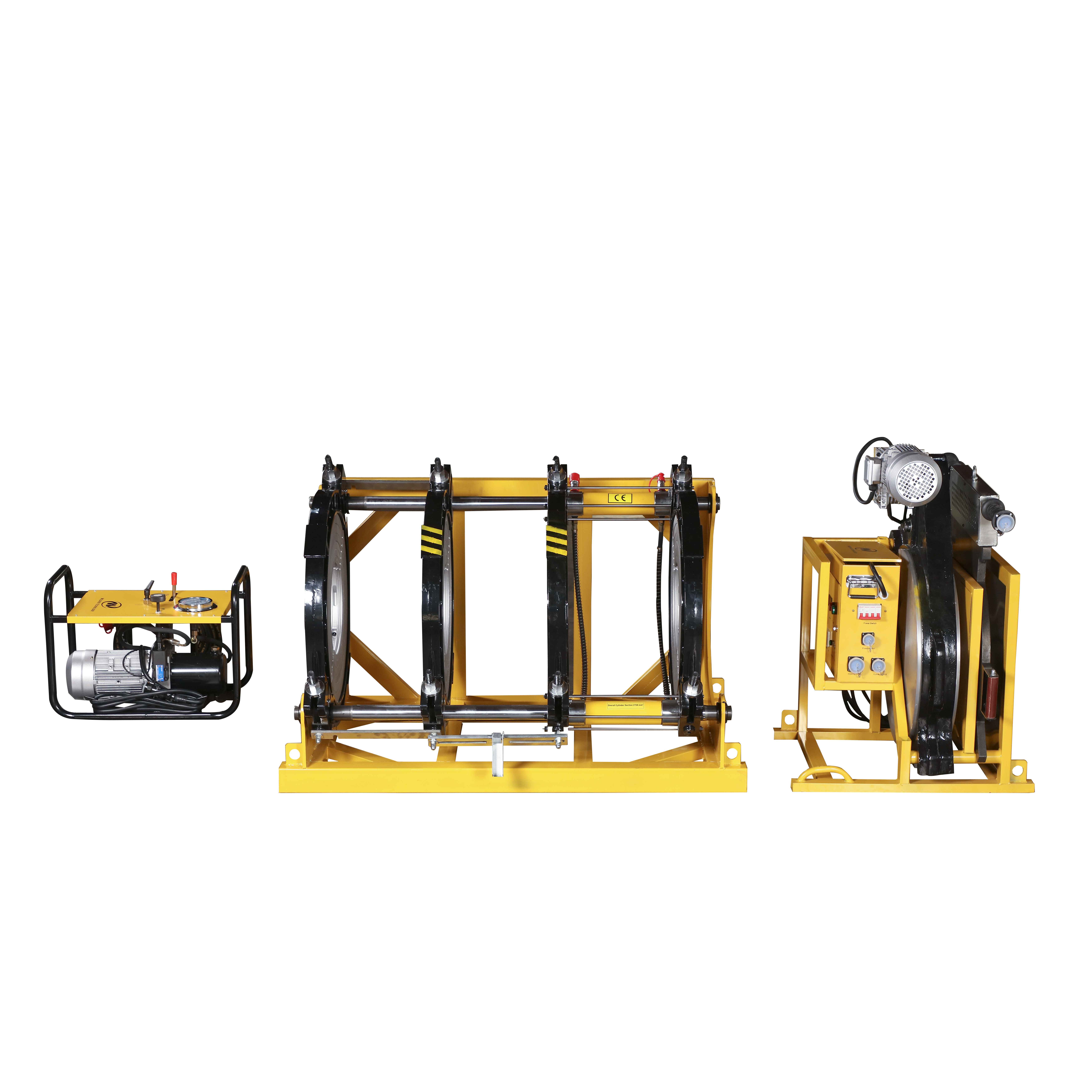
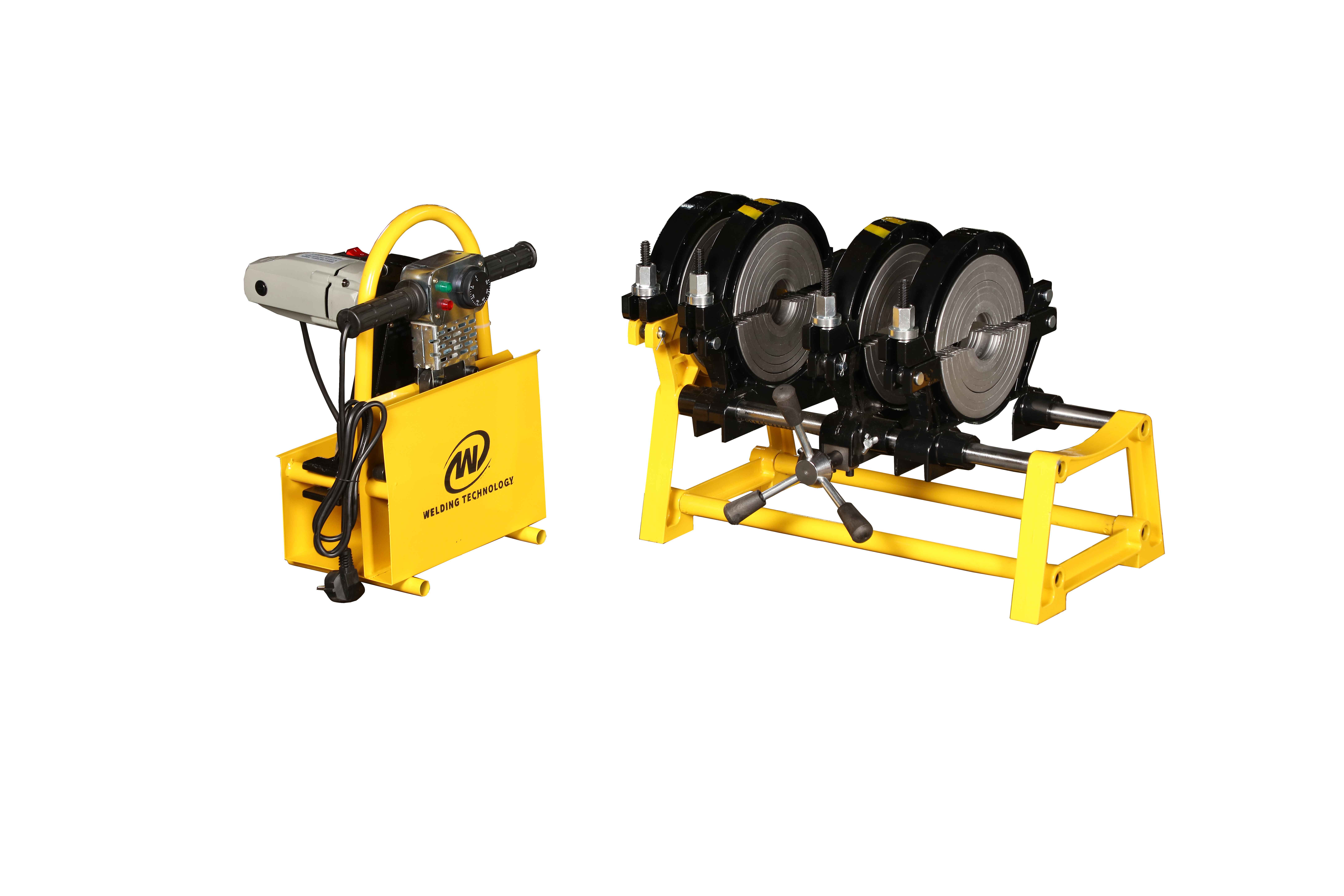
Unmatched Joint Integrity Through Molecular Fusion Technology
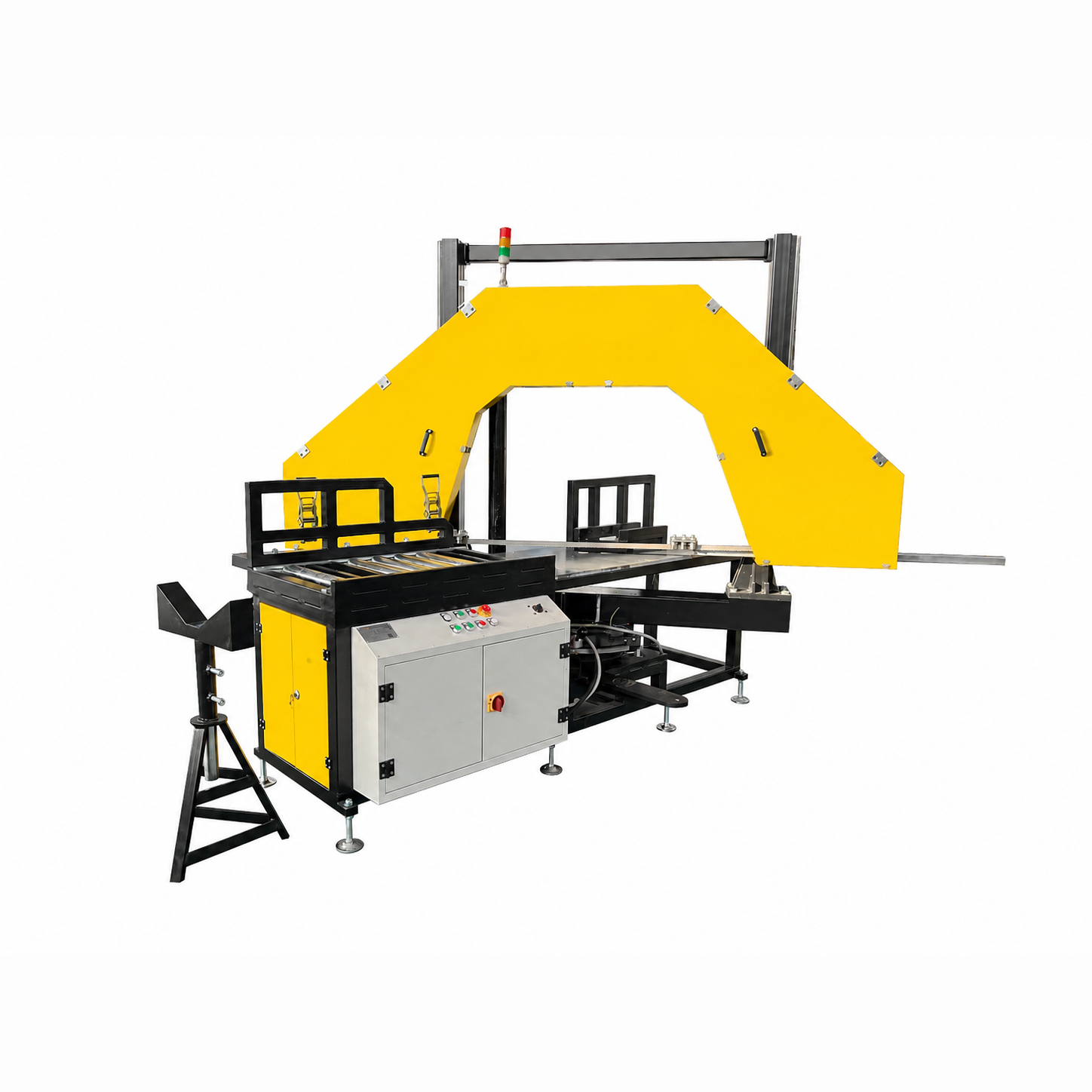
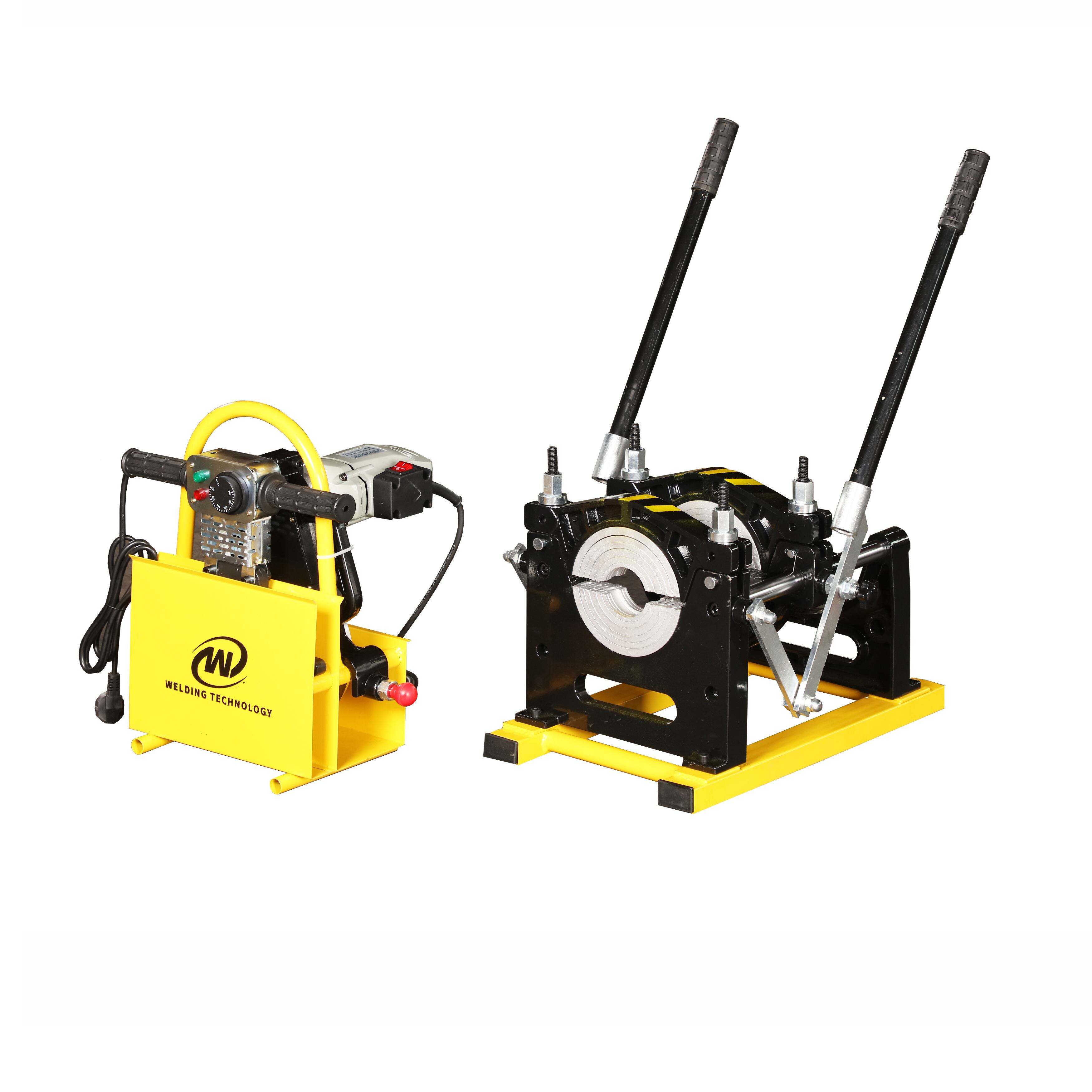
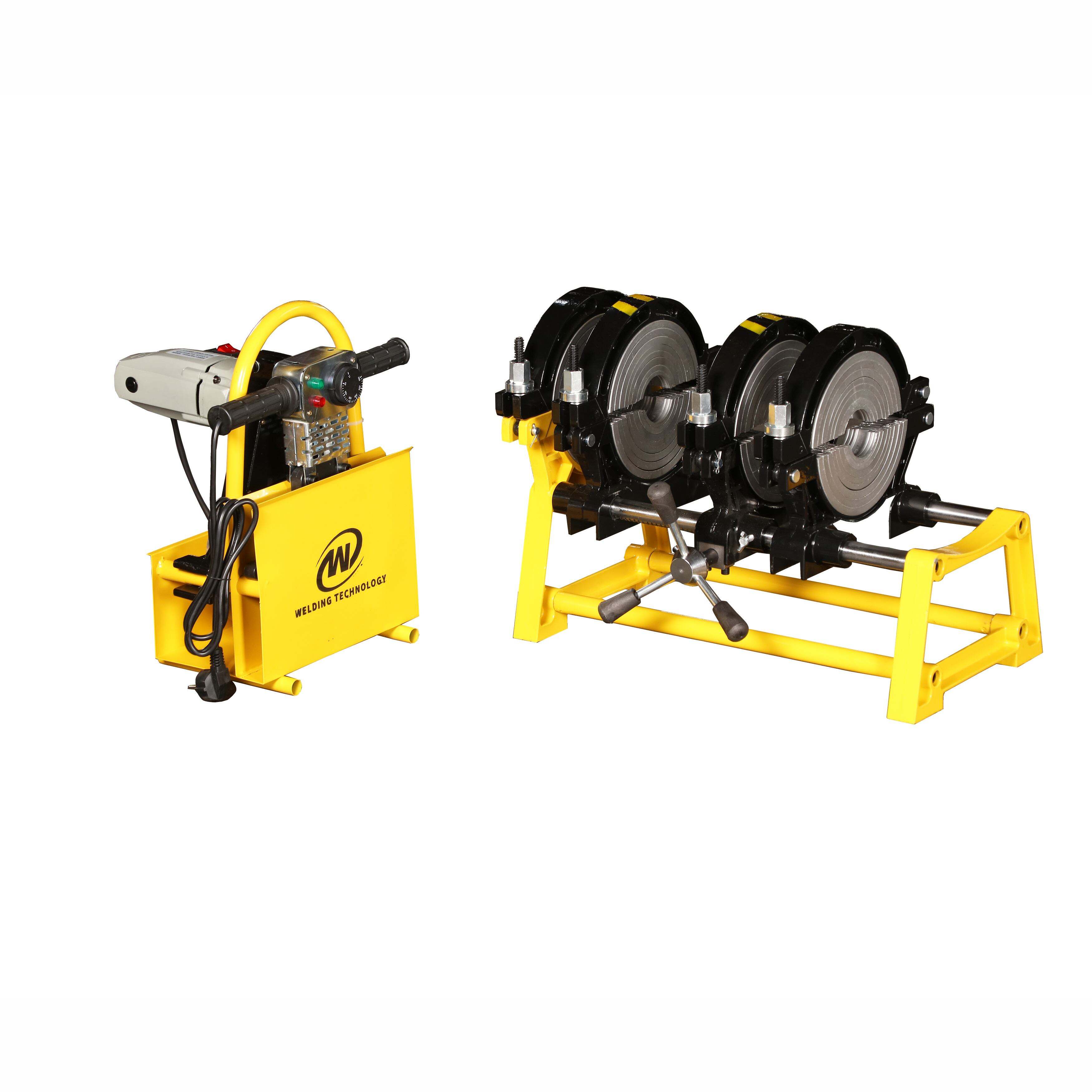
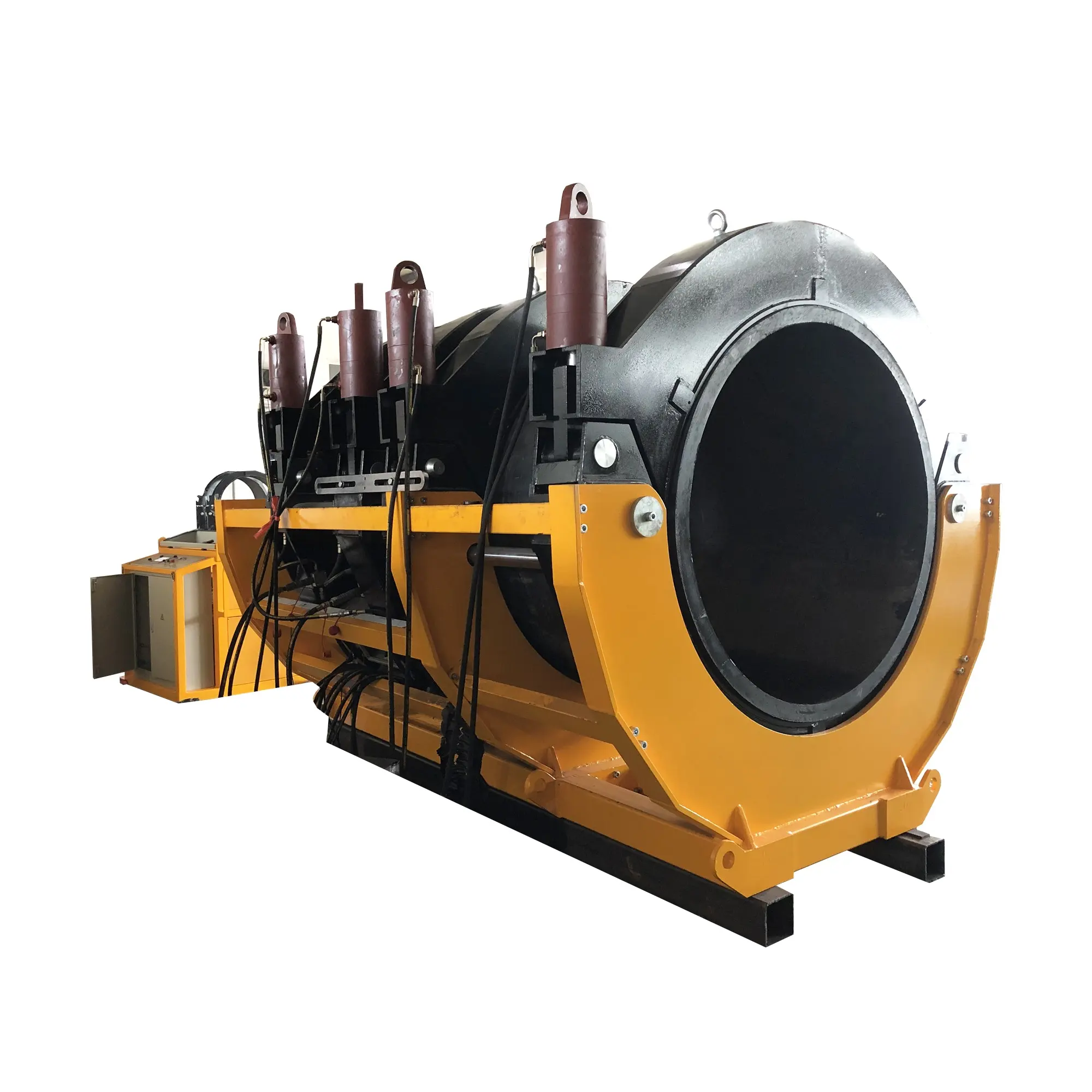
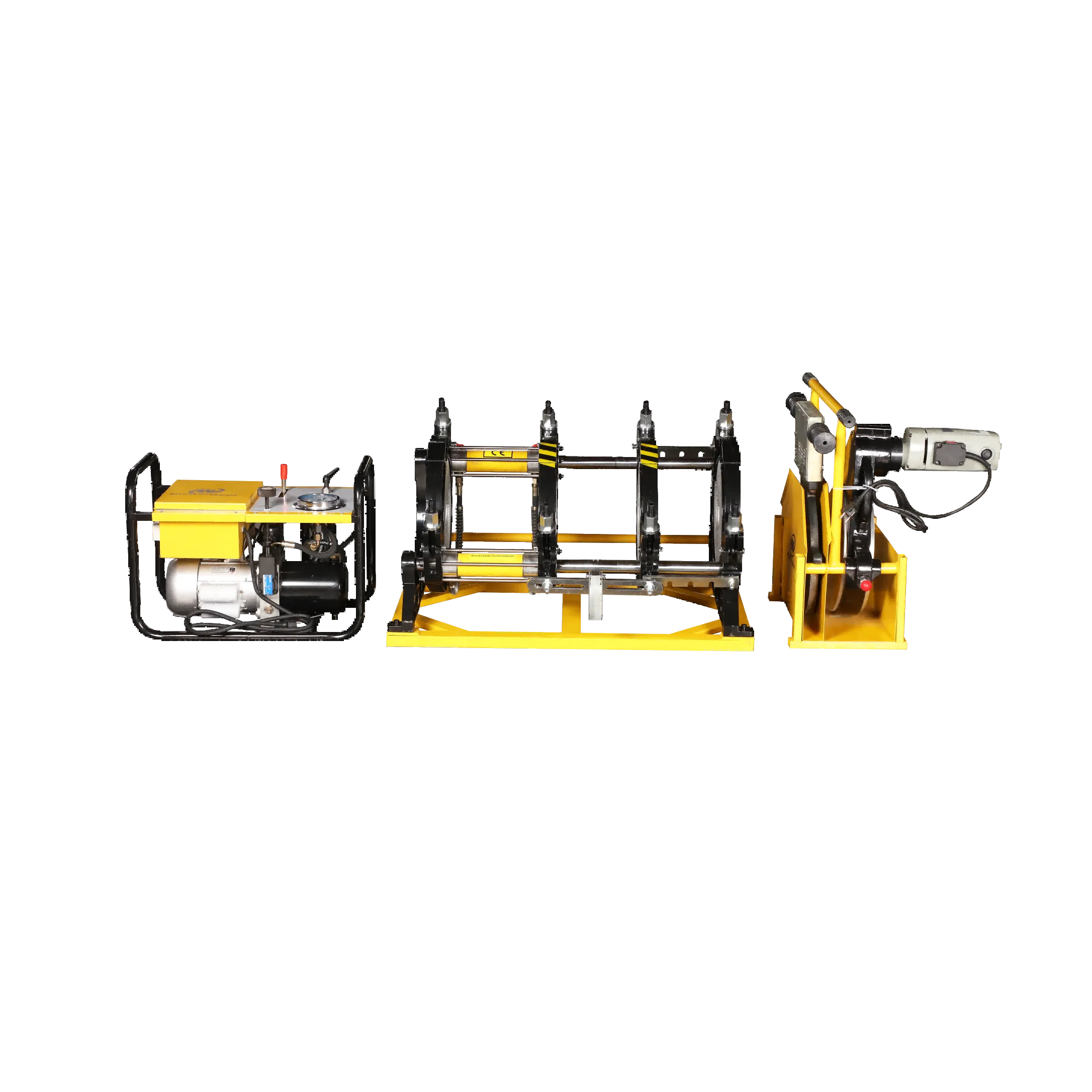
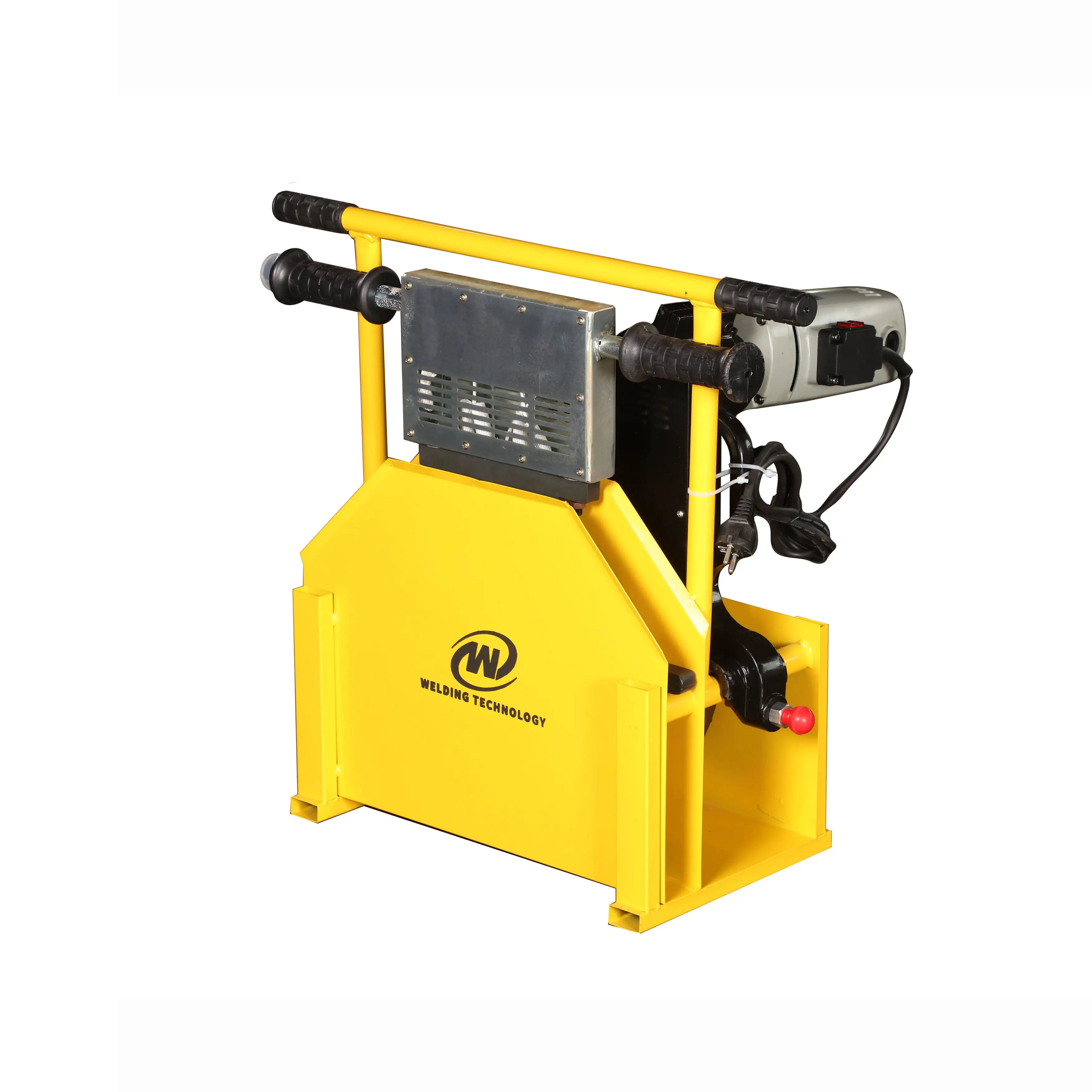
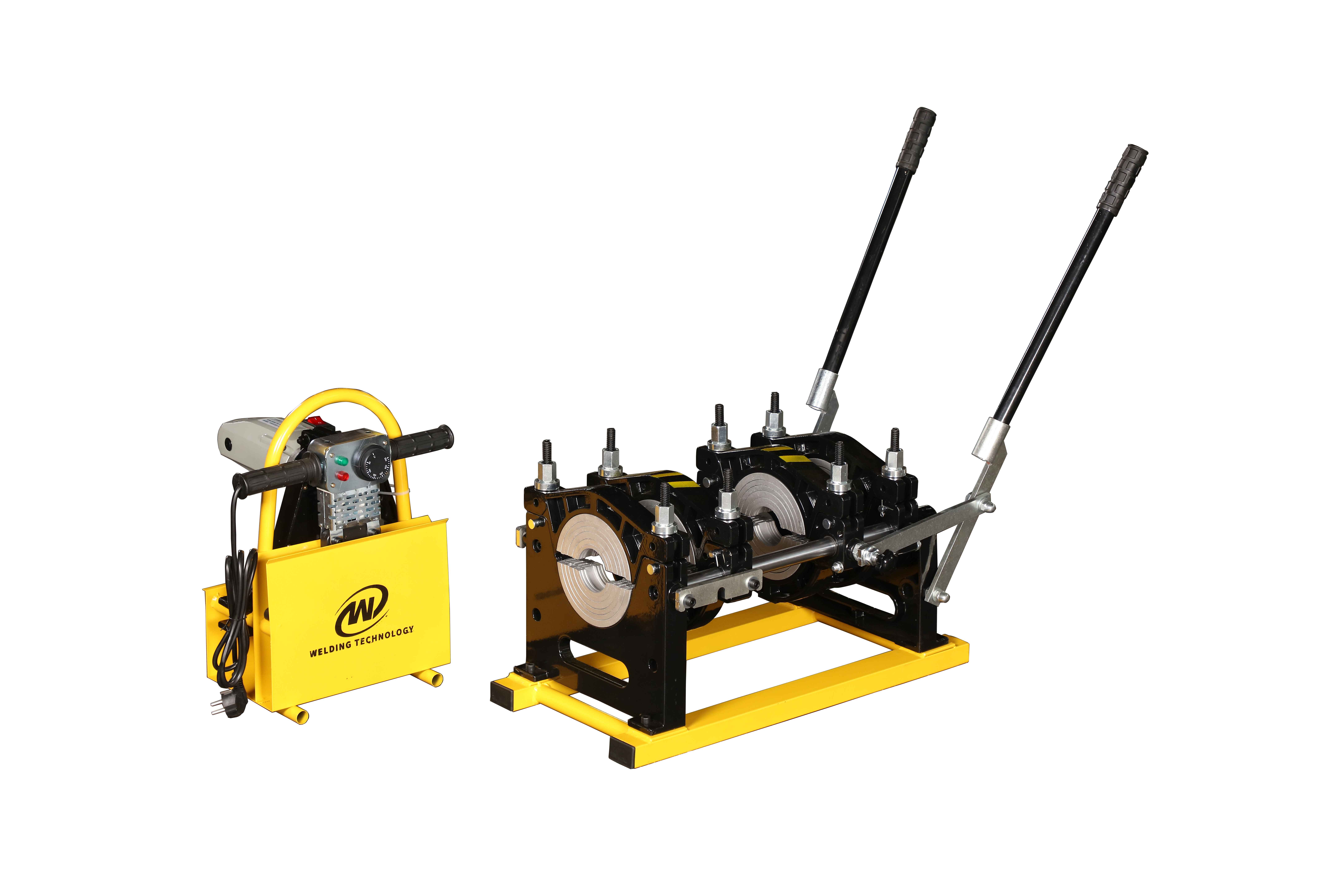
The fundamental advantage of butt fusion equipment lies in its ability to create joints through molecular fusion rather than mechanical attachment or chemical bonding. When the heating plate brings pipe ends to their melting temperature, the polymer chains at the surface become mobile and intermingle across the joint interface during the fusion phase. This intermolecular diffusion creates a homogeneous structure where the joint area becomes indistinguishable from the parent pipe material at the molecular level. The result is a connection that exhibits the same physical properties, chemical resistance, and mechanical strength as the original pipe. This is not merely a strong joint, it is essentially a continuous pipe with no discontinuity in material properties. For project owners and contractors, this translates into infrastructure that performs as a unified system rather than a collection of connected segments. The absence of mechanical components means there are no bolts to loosen, no threads to corrode, and no gaskets to compress or deteriorate over time. The joint withstands the same internal pressures, external loads, and environmental stresses as any other section of the pipeline. In applications involving ground movement from settling, seismic activity, or temperature cycling, butt fusion joints flex with the pipe rather than creating stress concentration points that lead to failure. This flexibility proves especially valuable in long-distance pipelines that experience significant temperature variations between installation and operation. The molecular fusion also provides complete impermeability. Unlike threaded connections where microscopic pathways can allow permeation, or mechanical joints where seal compression changes over time, a butt fusion joint presents no pathways for fluid migration. This characteristic makes the technology ideal for applications involving hazardous materials, potable water systems requiring absolute purity, or gas distribution networks where even minute leaks create safety concerns. The equipment's precision control systems ensure that each joint receives the exact heat input, pressure application, and cooling time necessary to achieve optimal molecular fusion, regardless of ambient conditions or operator variation.

 EN
EN