Operational Efficiency and Economic Performance
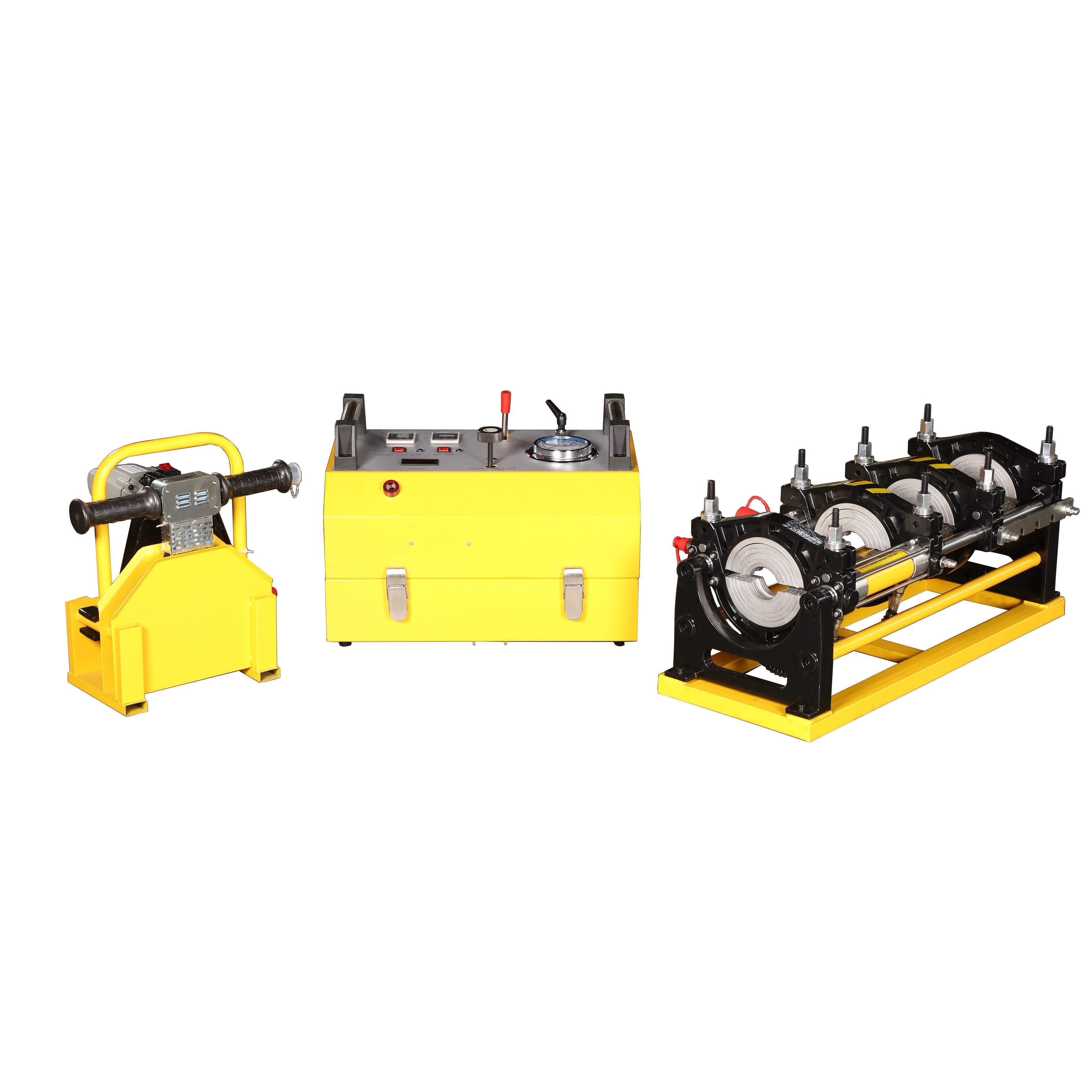
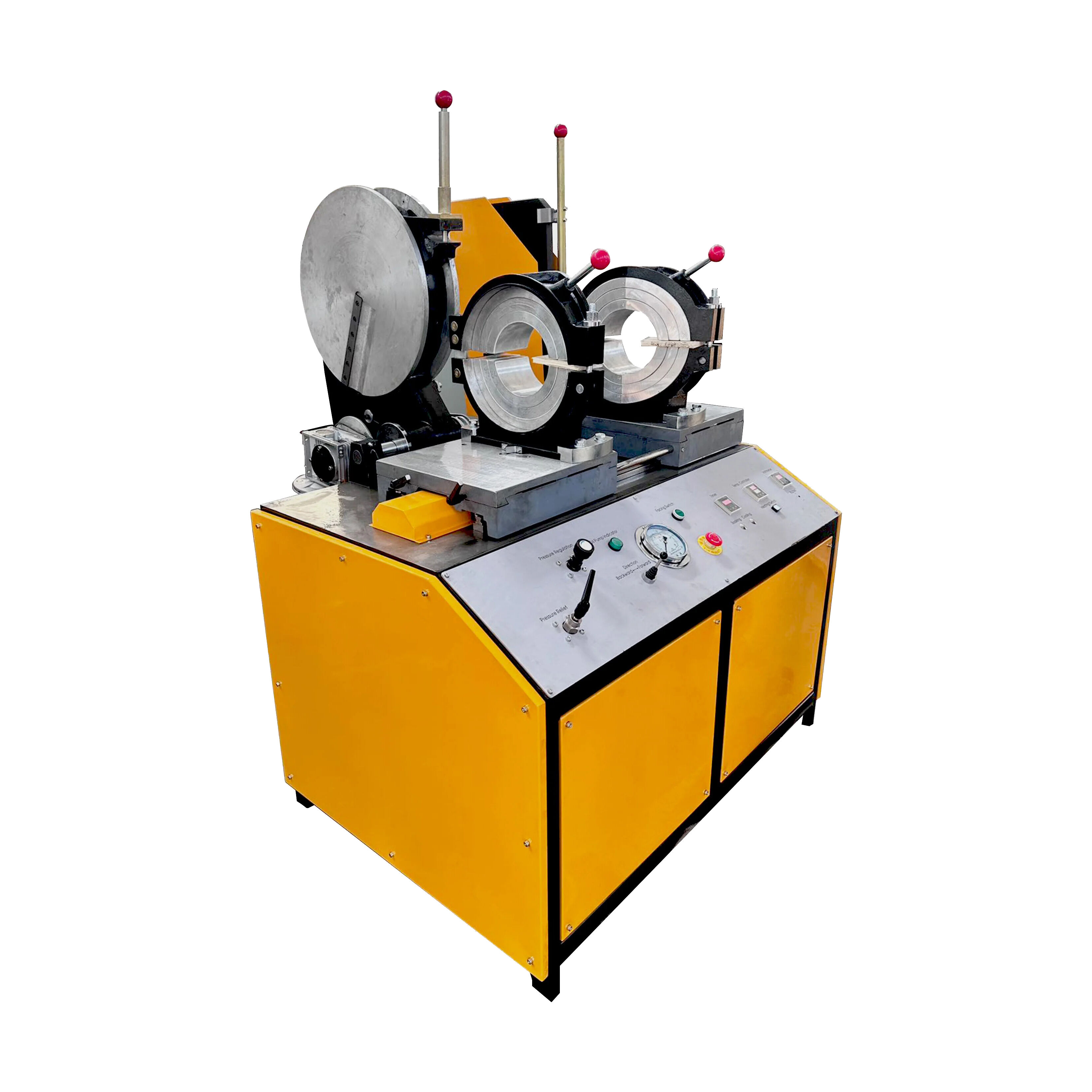
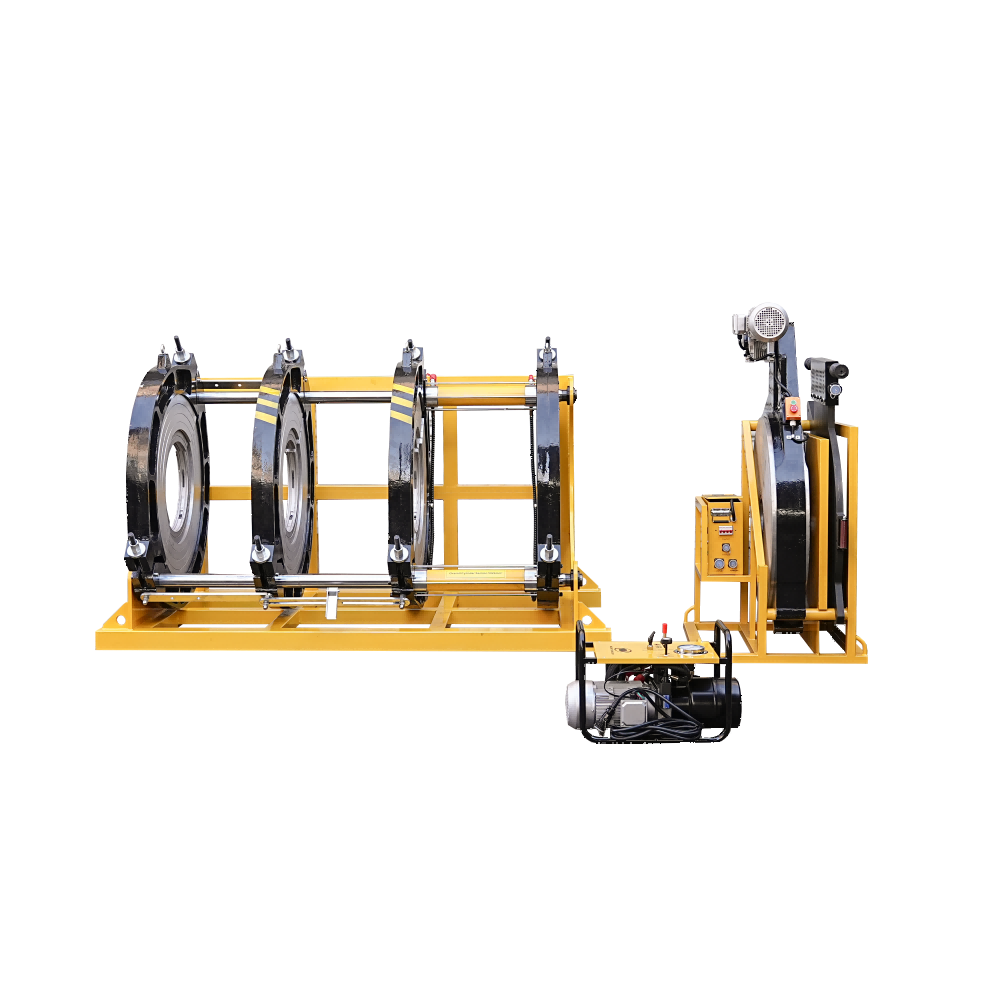
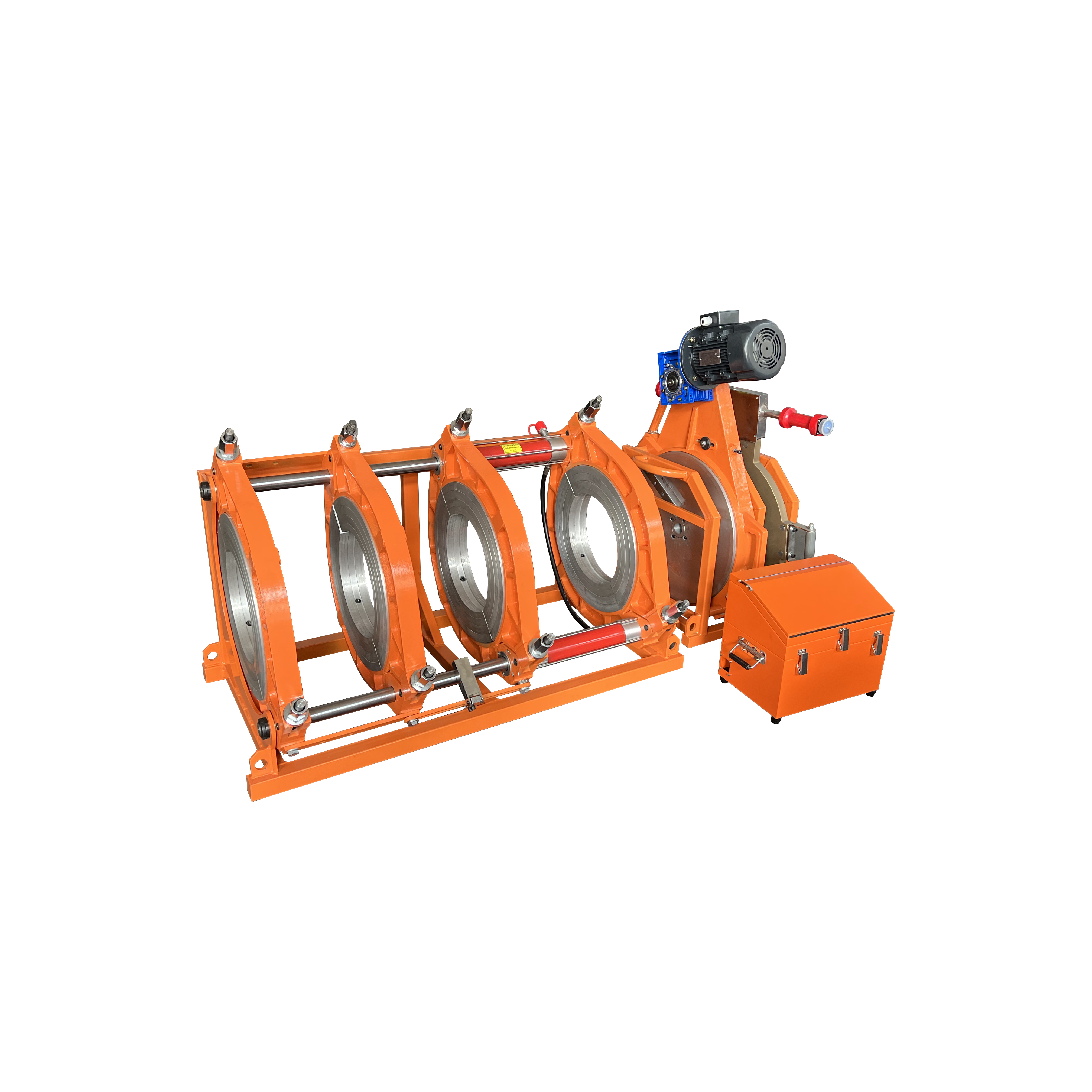
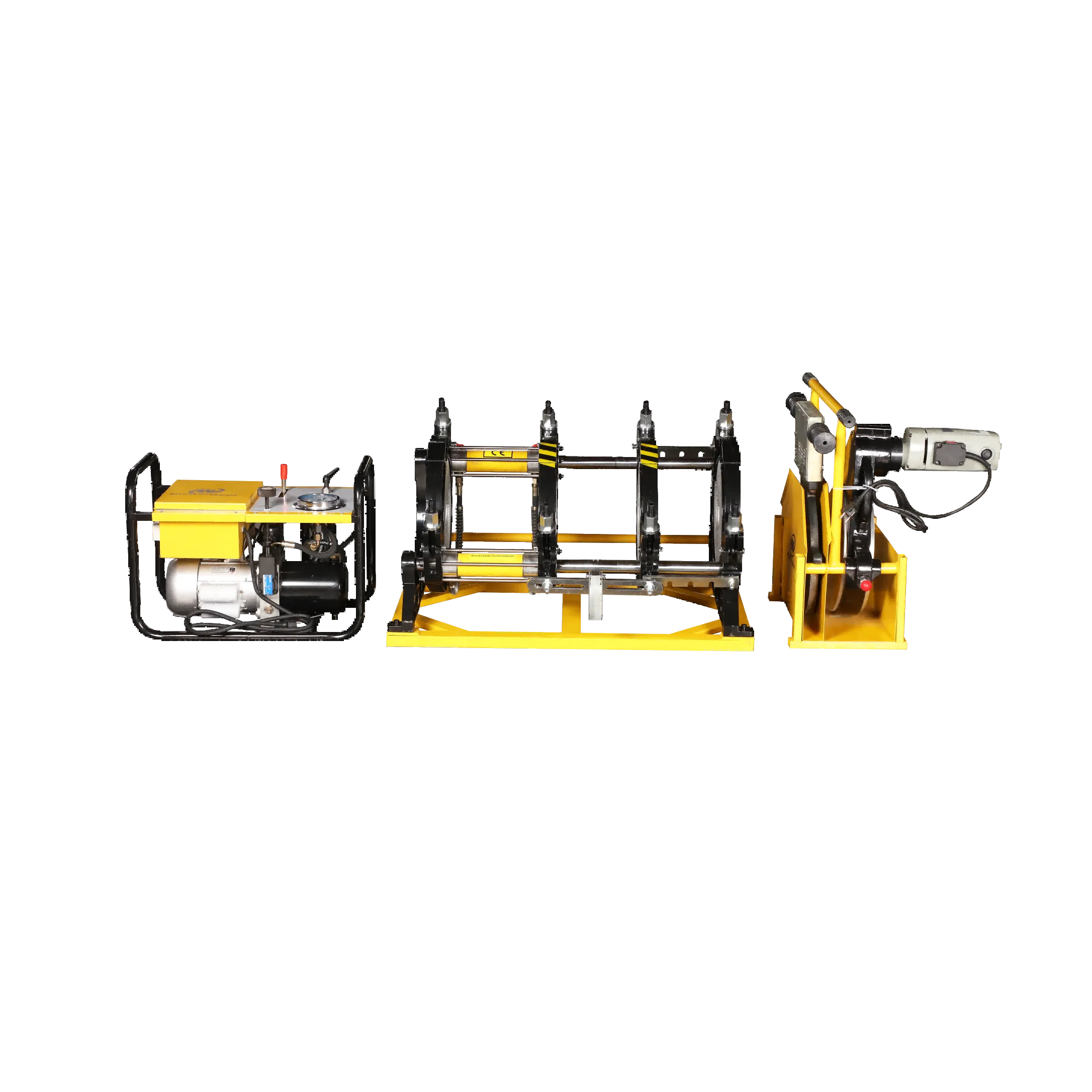
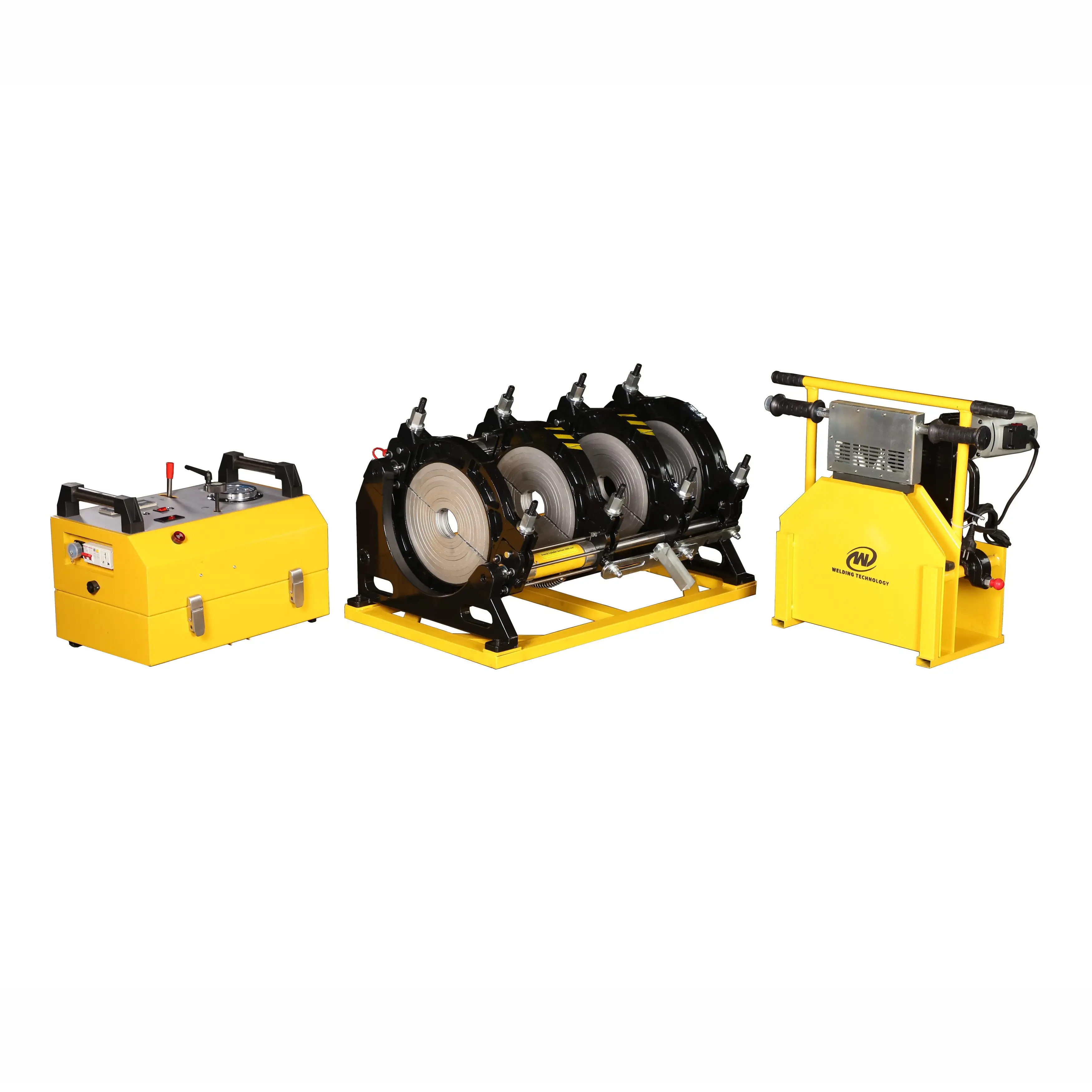
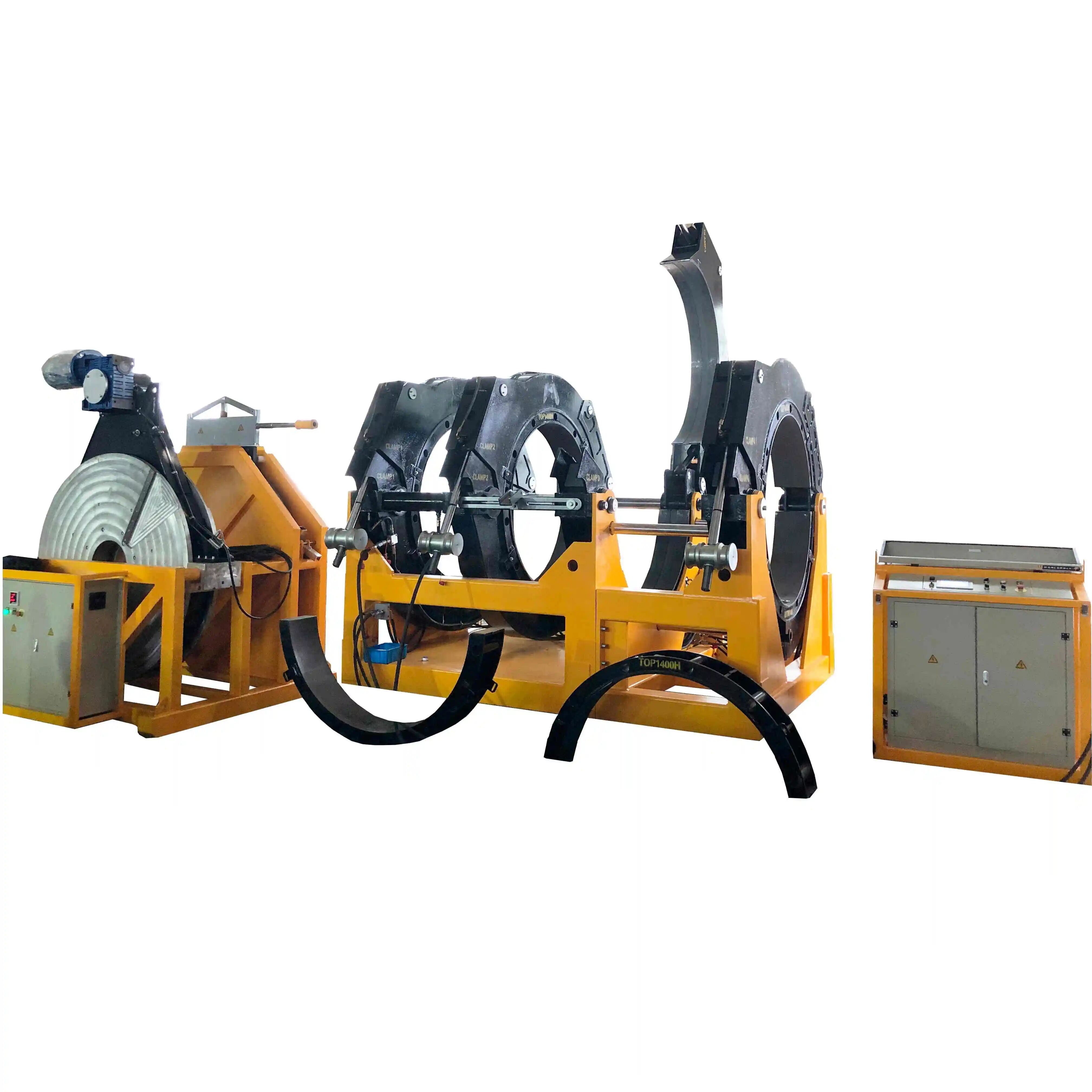
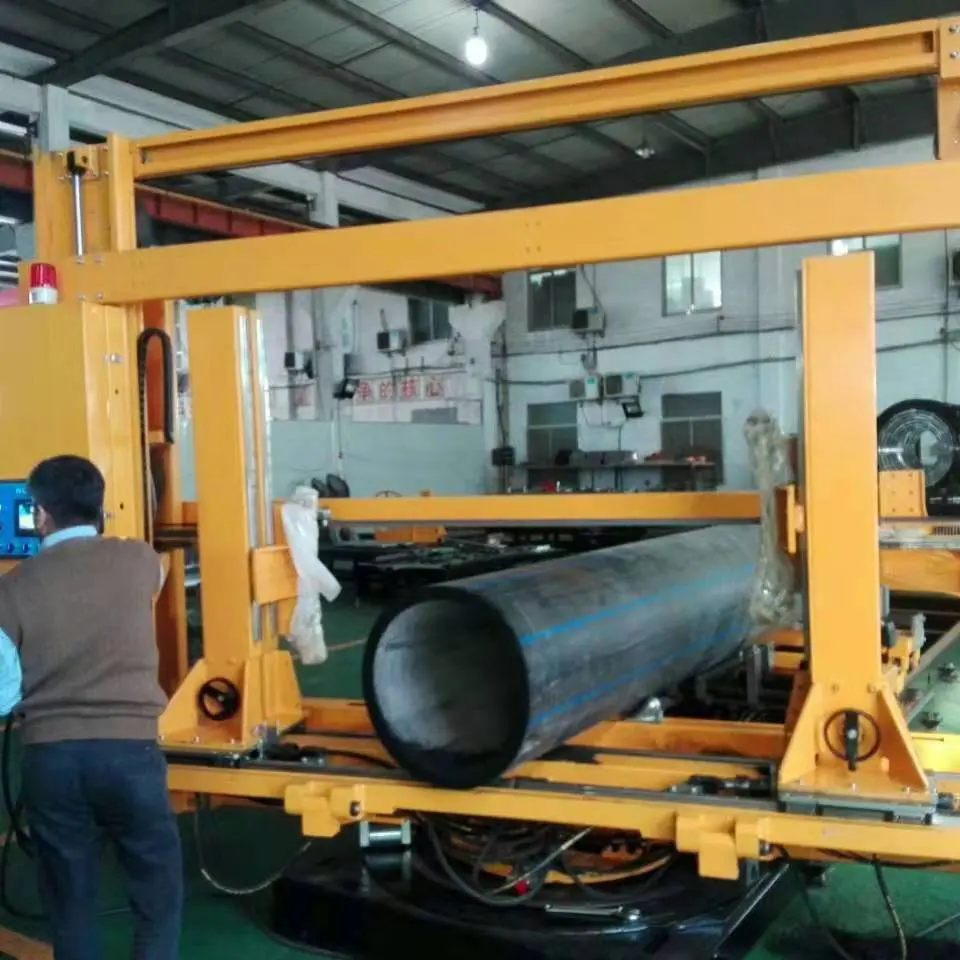
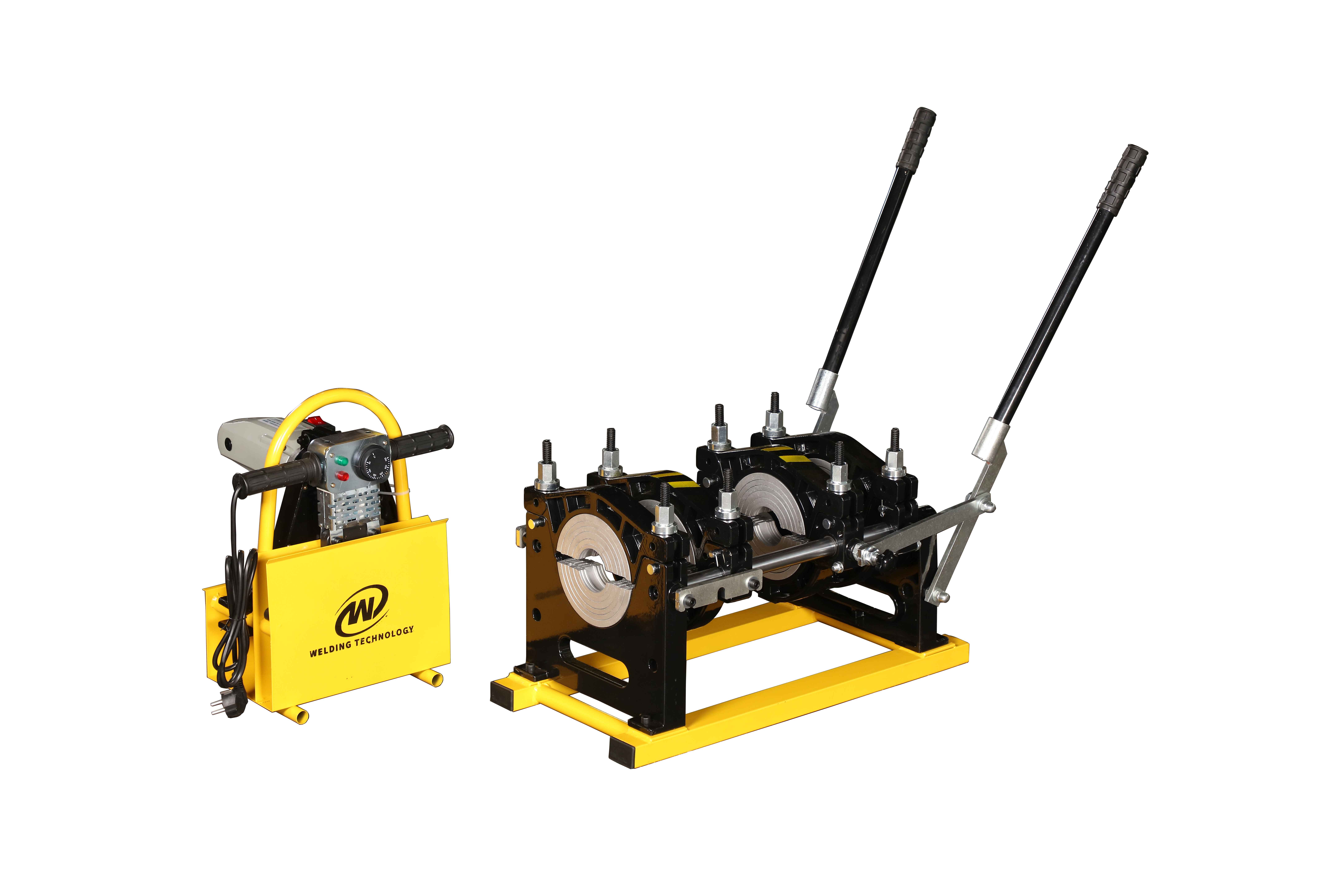
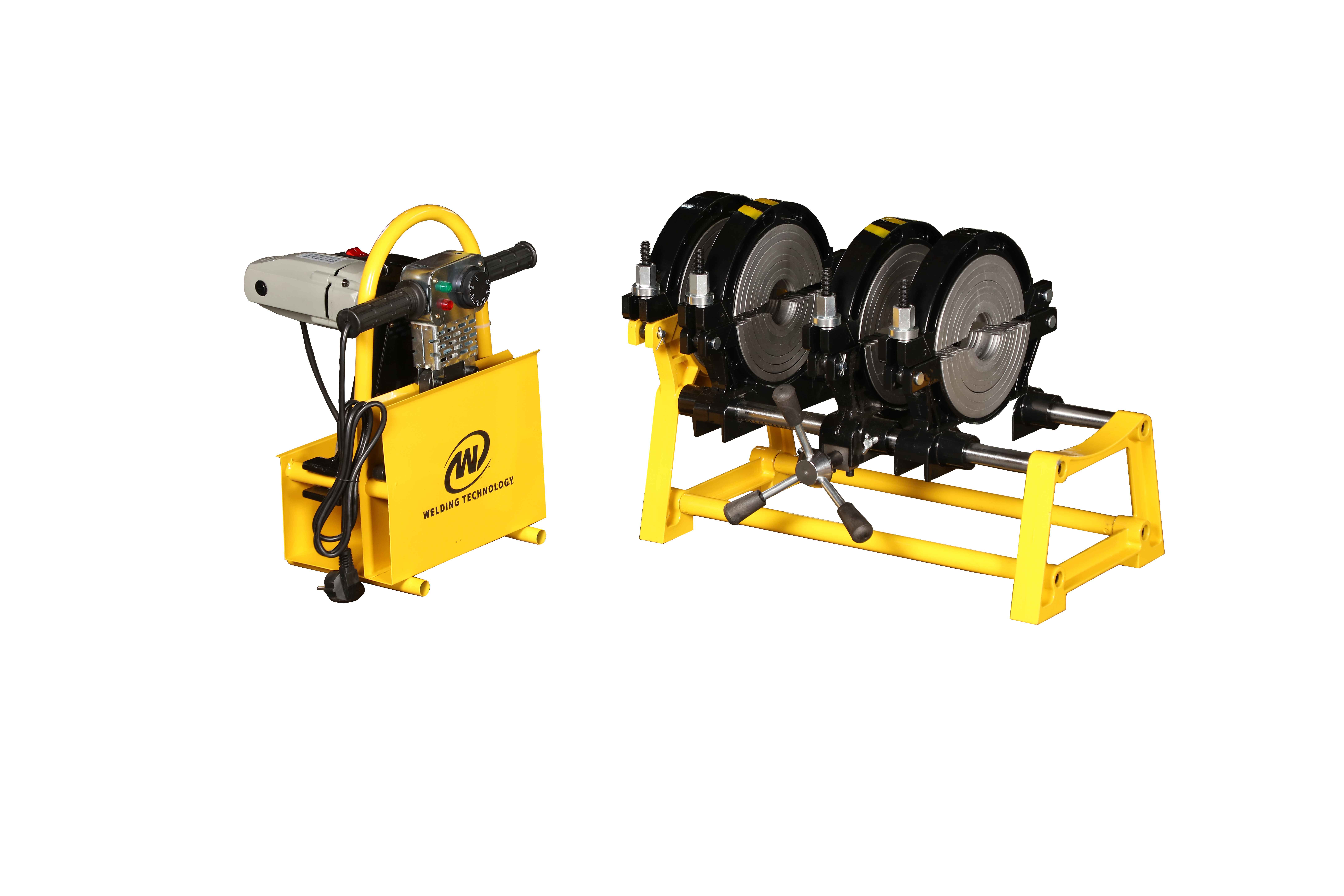
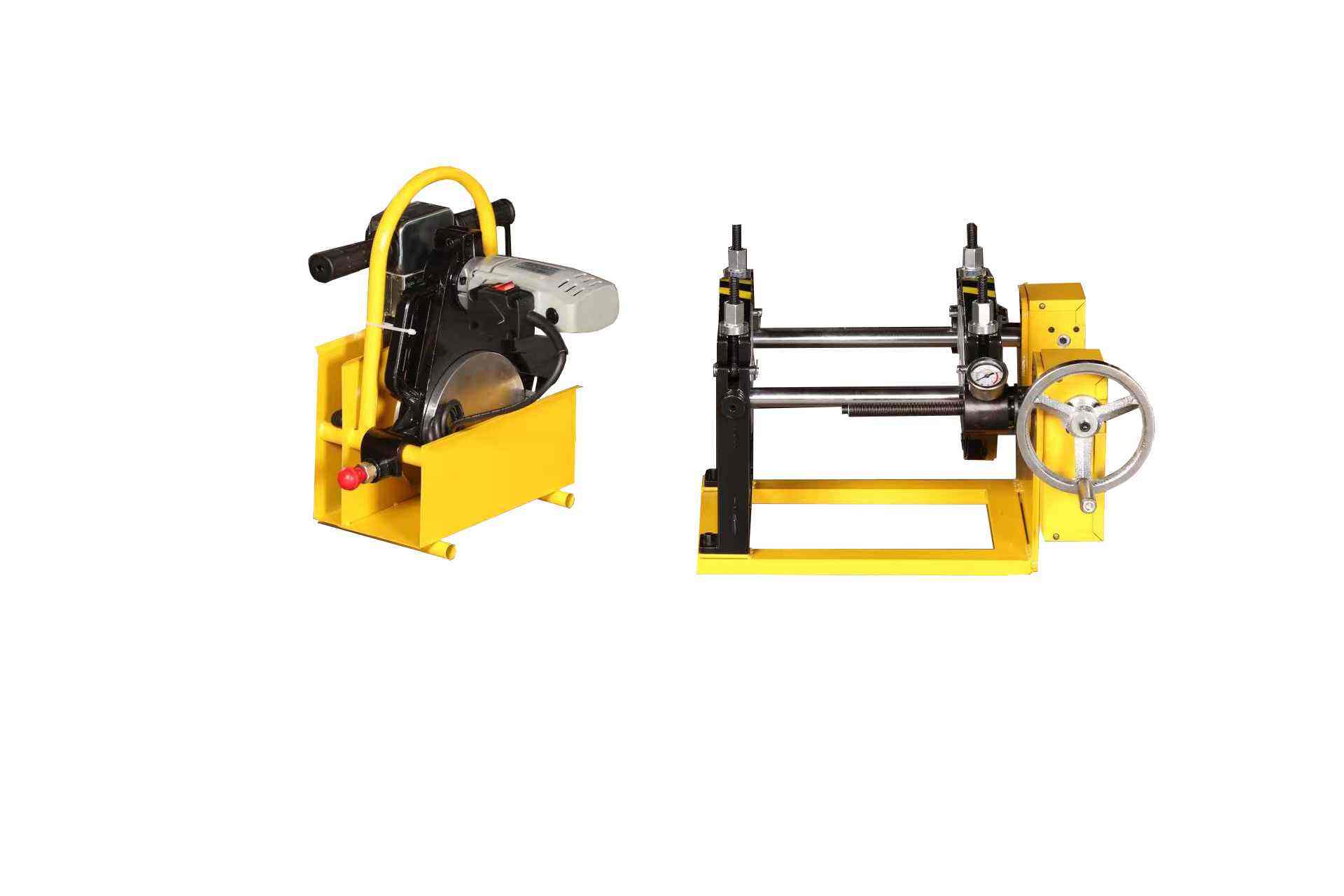
Investing in a pipe fusion machine transforms project economics through dramatic improvements in installation speed, labor productivity, and overall operational efficiency. The fusion process completes joints in a fraction of the time required by traditional methods, with typical cycles measured in minutes from pipe preparation through final cooling. This speed advantage compounds across large projects, potentially reducing installation schedules by weeks or months compared to mechanical joining alternatives. Contractor productivity increases substantially because a single pipe fusion machine operator can complete work that would otherwise require multiple workers handling various components and tools. The simplified workflow eliminates time-consuming steps like applying thread sealant, aligning bolt holes, torquing fasteners, or waiting for adhesives to cure. Setup time decreases significantly since the machine requires minimal ancillary equipment, no consumable materials beyond electricity, and straightforward positioning procedures. Material handling efficiency improves because fusion eliminates the need to inventory, transport, and manage countless fittings, gaskets, and fasteners. Supply chain complexity decreases proportionally, reducing procurement costs and the risk of project delays due to missing components. The pipe fusion machine enables just-in-time installation approaches where pipe sections are fused as needed, minimizing storage requirements and material handling at job sites. Rework rates plummet because automated controls and clear quality indicators ensure successful joints on the first attempt, unlike trial-and-error approaches common with other methods. Training costs remain modest since operator certification requires only basic instruction in machine operation and quality verification, not years of apprenticeship or specialized welding skills. Equipment versatility maximizes utilization rates, with many pipe fusion machine models capable of handling broad size ranges and multiple materials through simple adjustments or accessory changes. Maintenance requirements prove minimal, typically limited to periodic cleaning and calibration, with no consumable electrodes, cutting tips, or complex mechanical components requiring frequent replacement. Energy consumption remains reasonable even for large machines, particularly compared to the total energy investment in manufacturing and transporting the mechanical fittings that fusion welding eliminates. Return on investment timelines for a pipe fusion machine often measure in months rather than years, especially for contractors regularly working with thermoplastic piping systems. The competitive advantage gained through faster project completion and lower installed costs enables businesses to win more bids and improve profit margins simultaneously.

 EN
EN