Cost Efficiency Through Eliminated Consumables and Reduced Labor
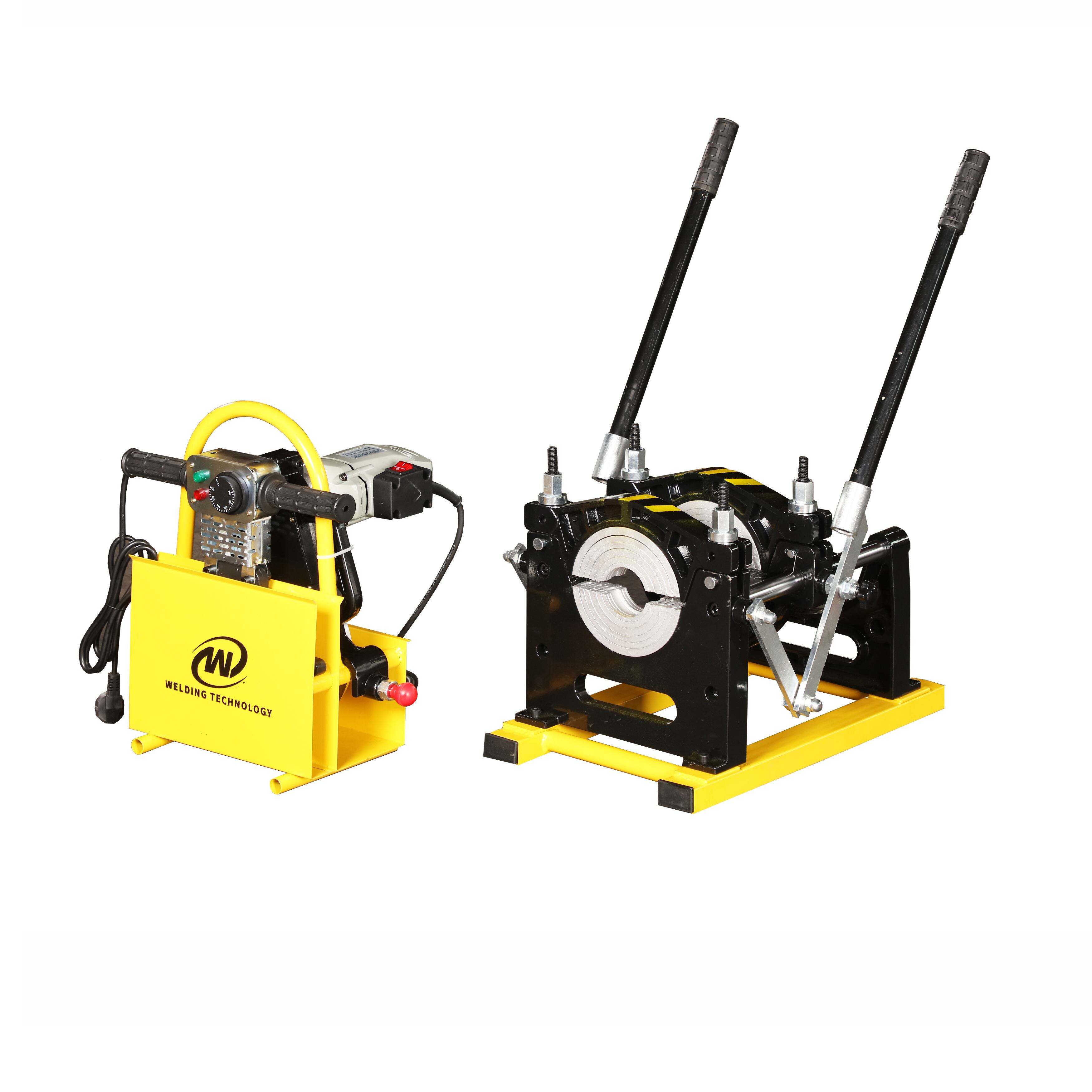
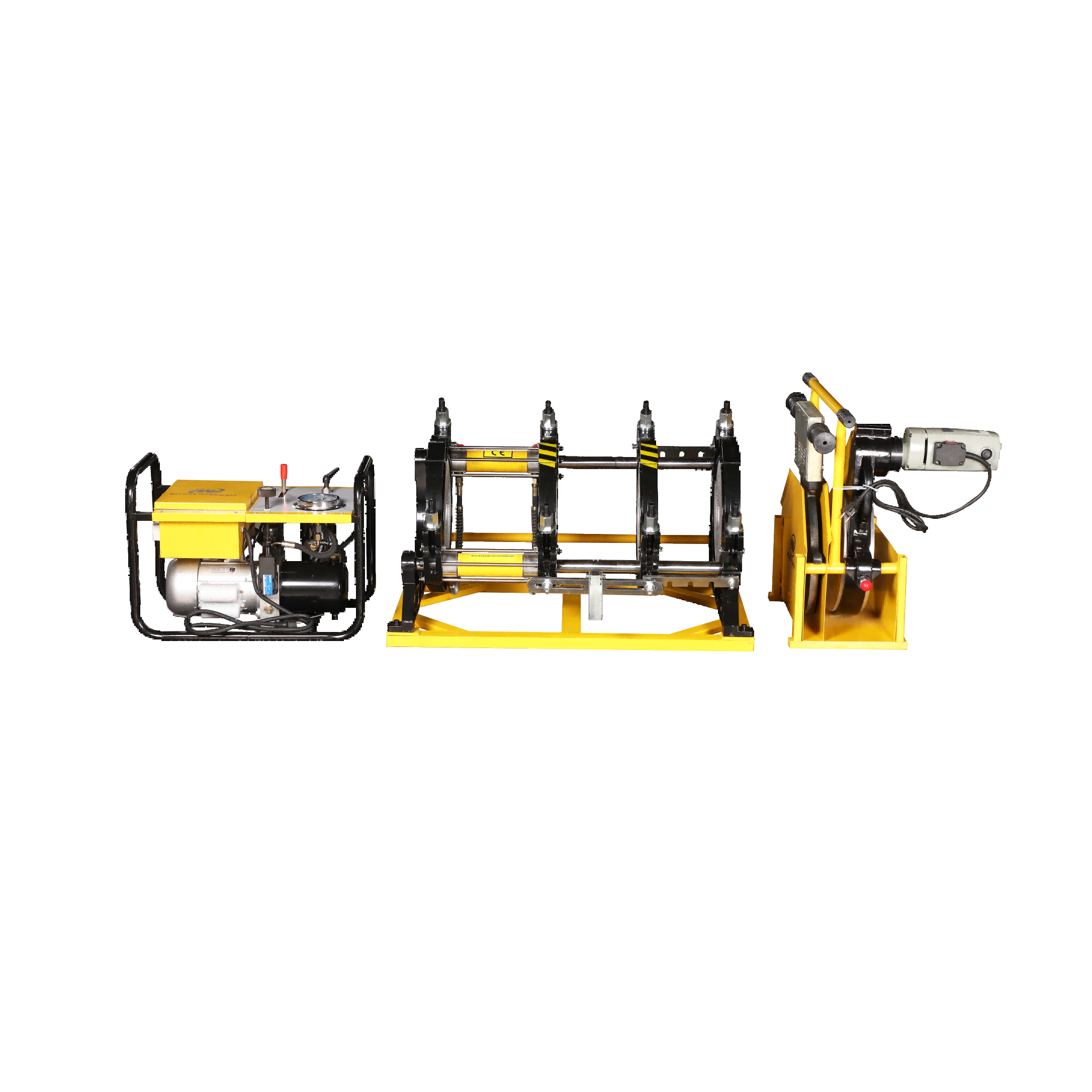
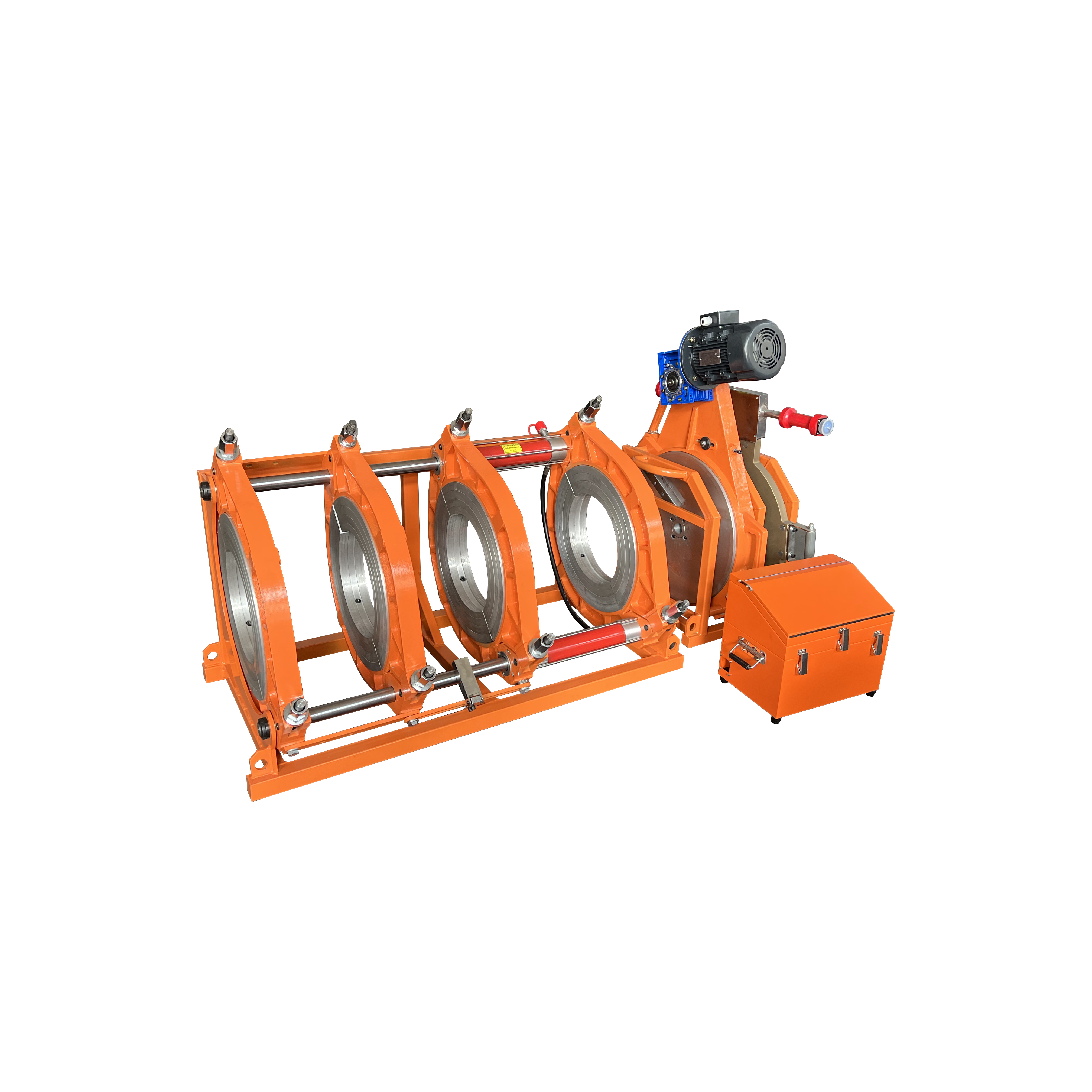
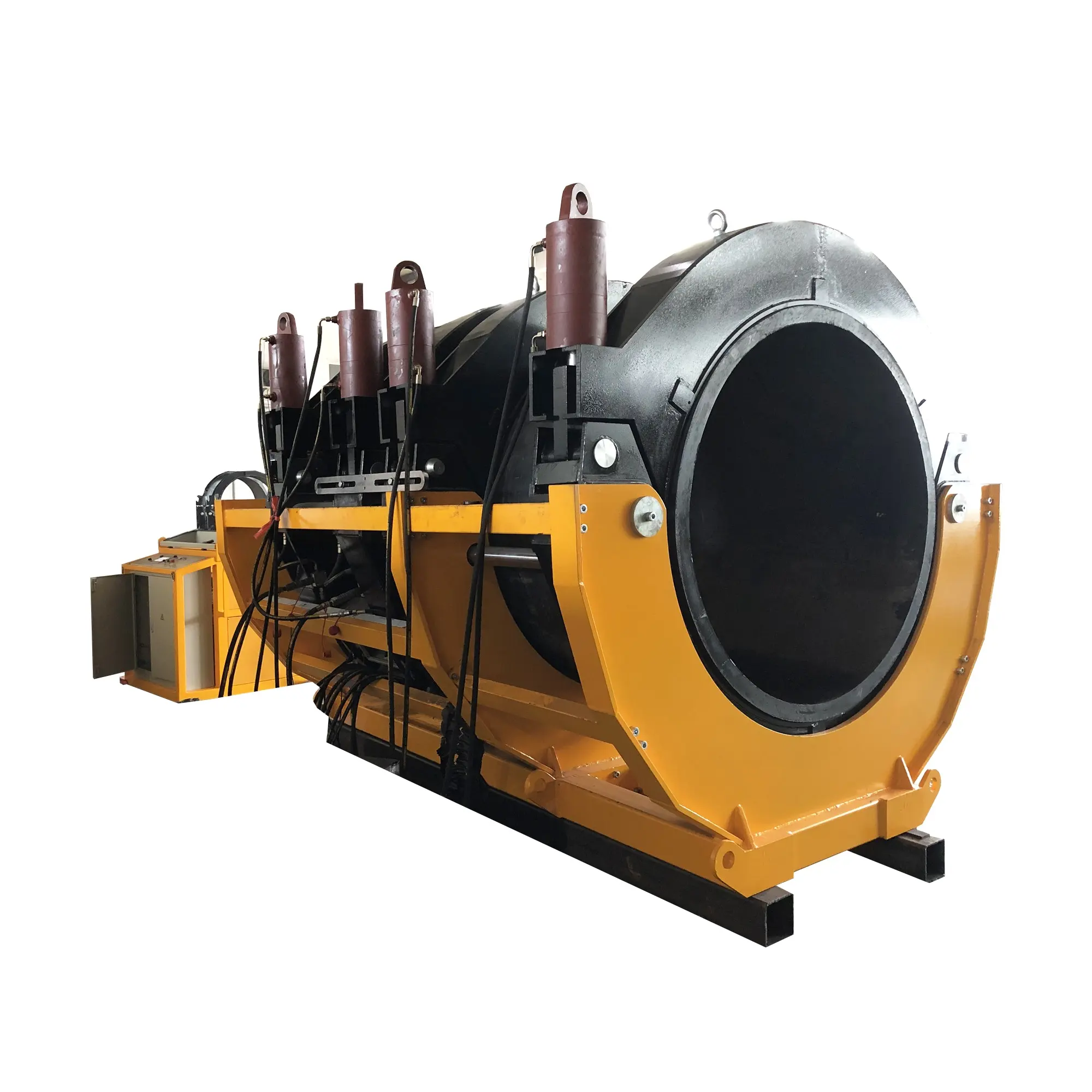
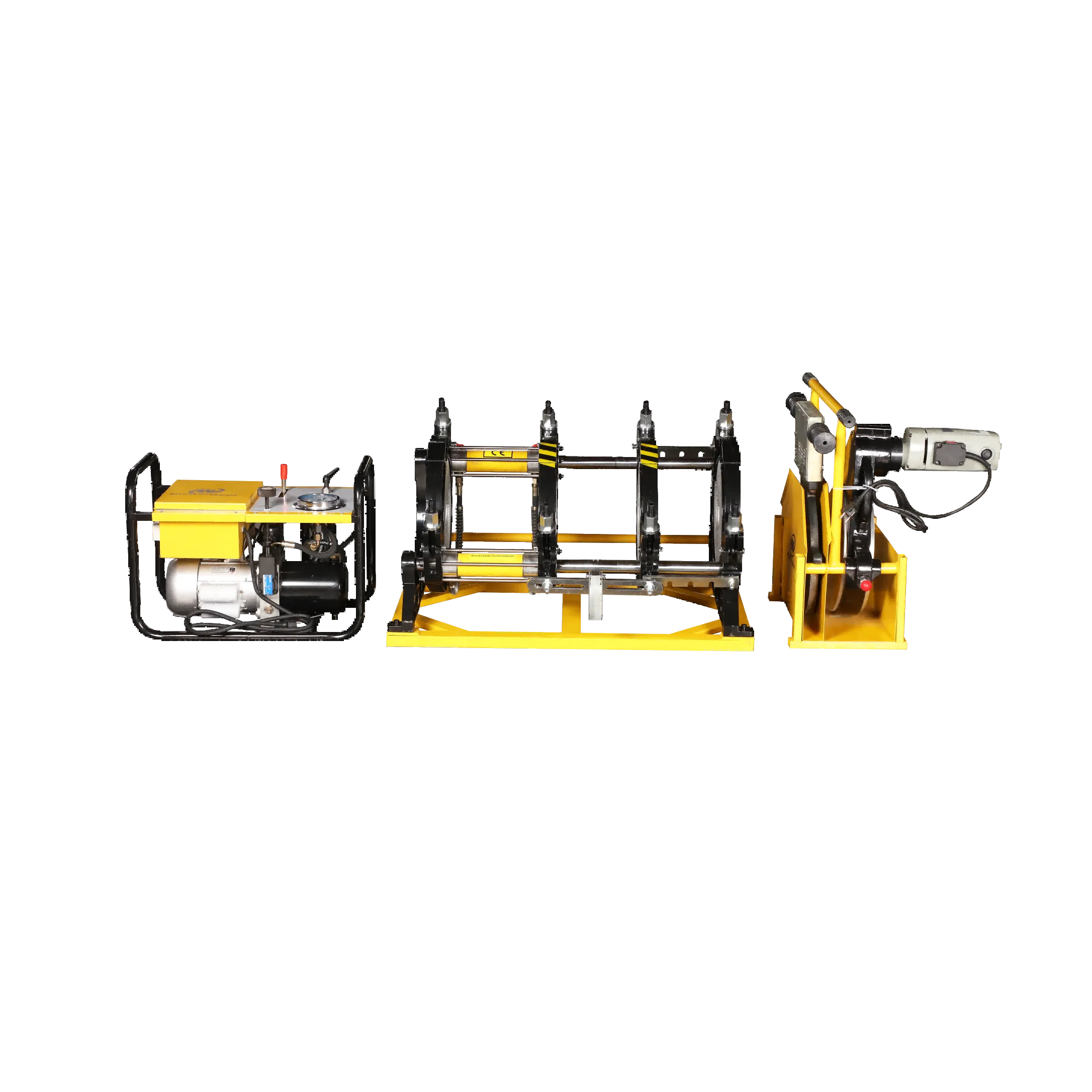
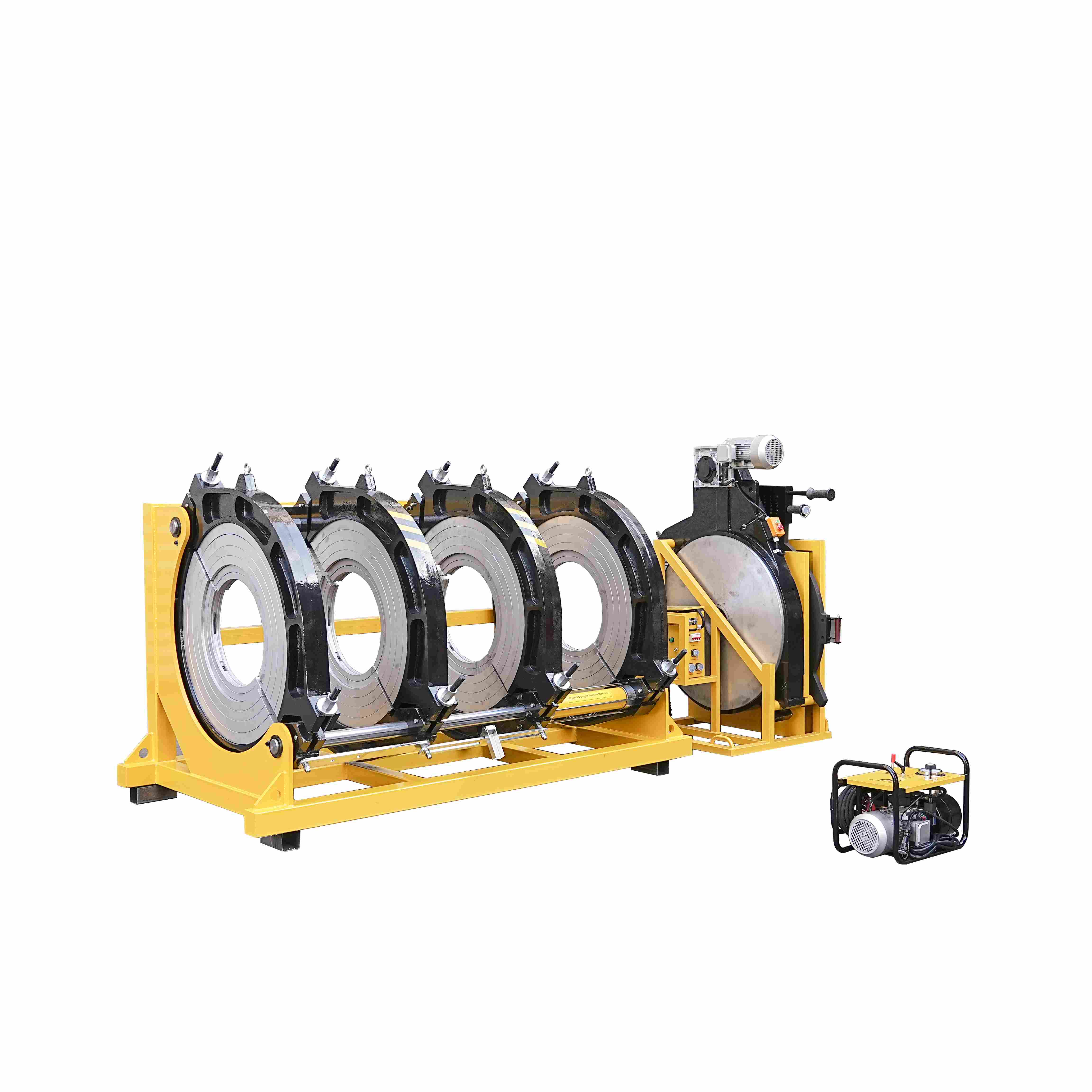
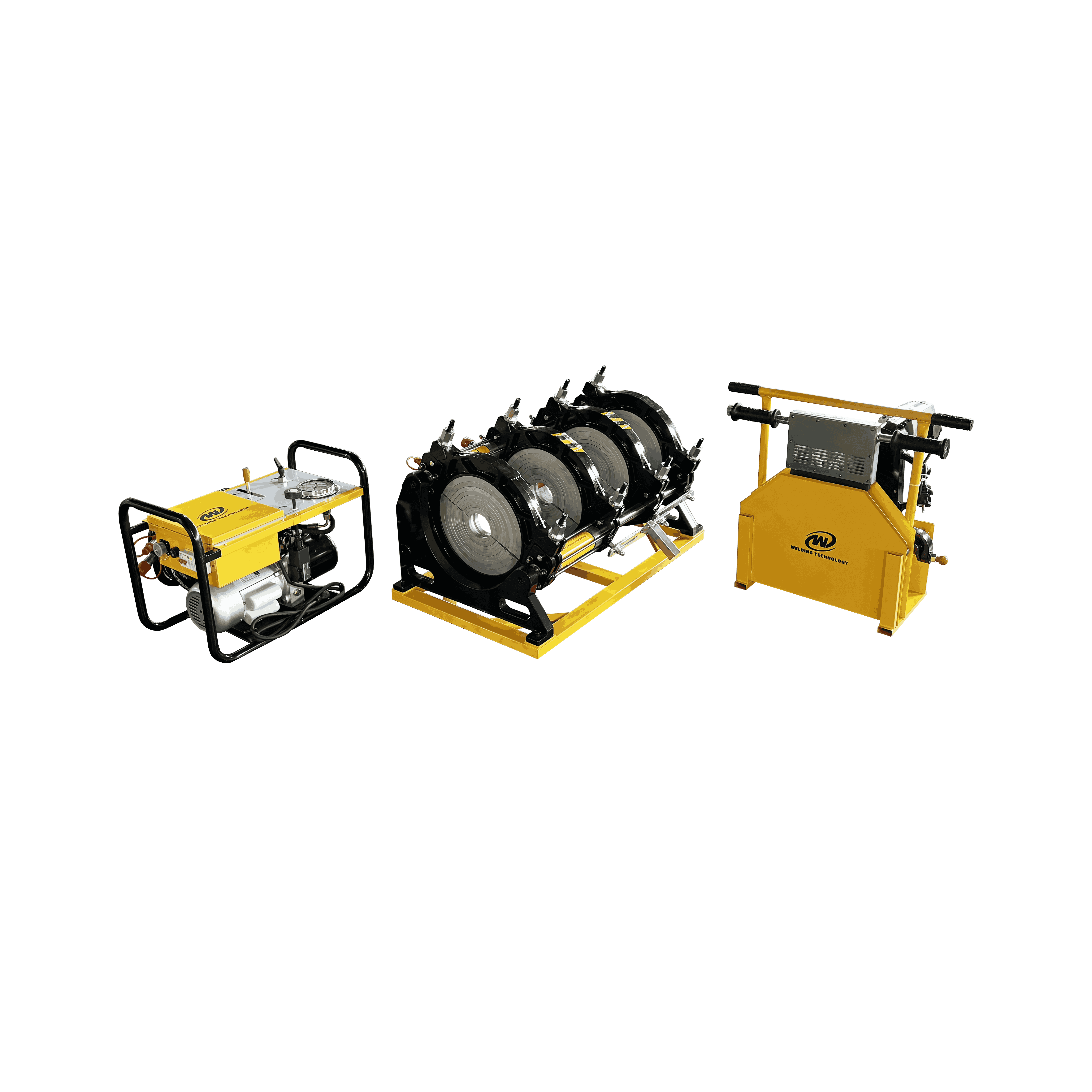
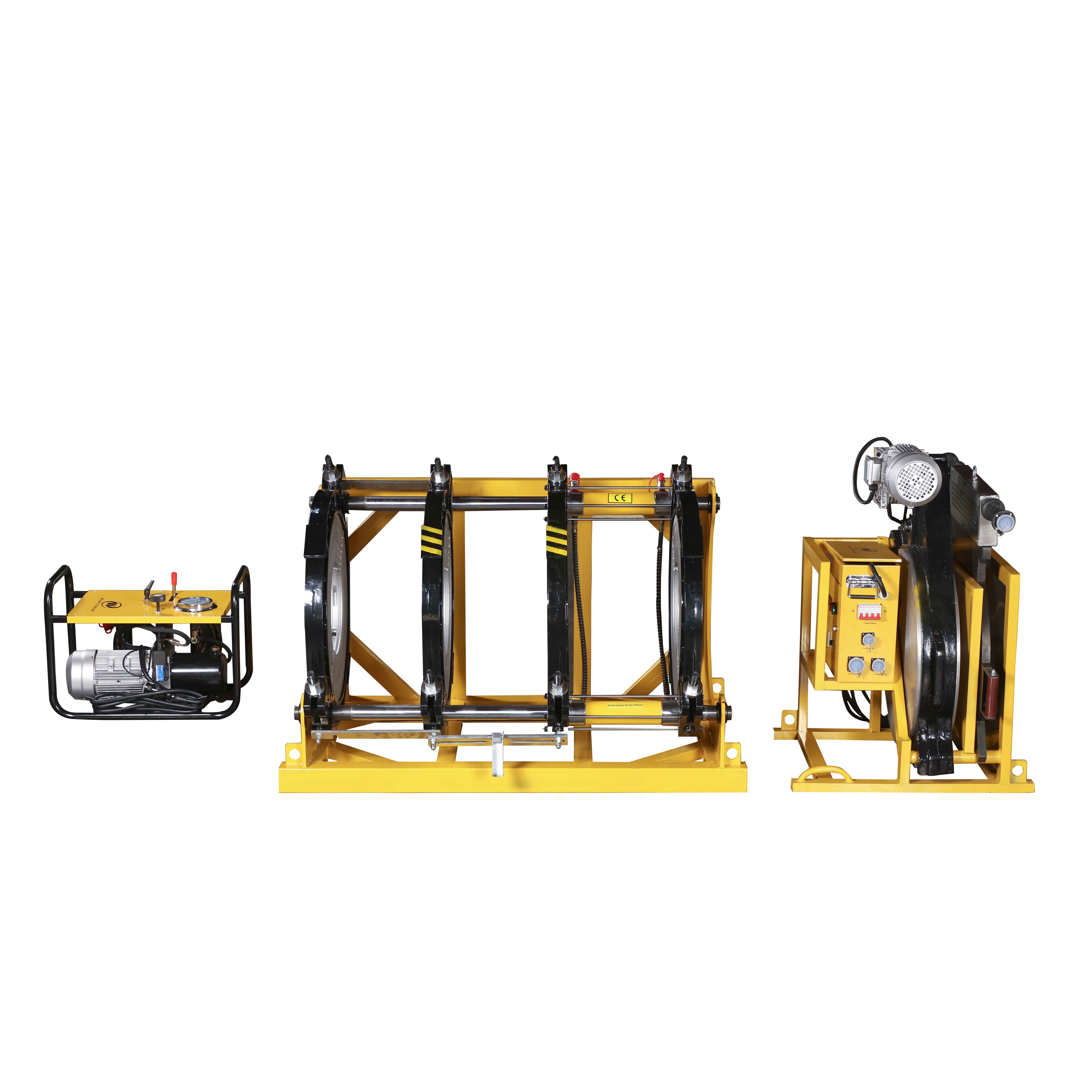
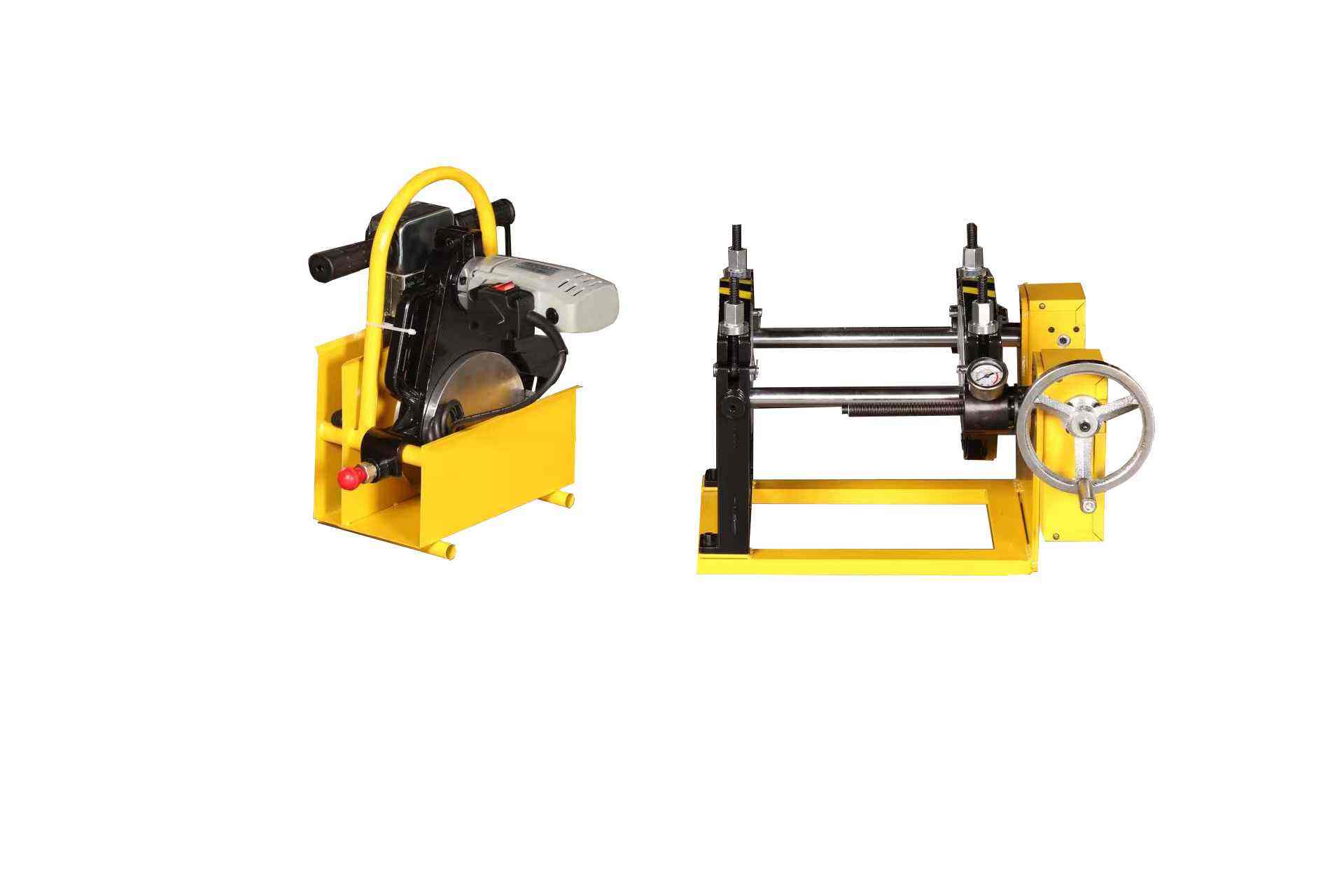
Financial considerations drive many equipment purchasing decisions, and the pipe fusion welder delivers compelling economic advantages that extend far beyond its initial acquisition cost. Traditional pipe joining methods require ongoing purchases of consumable materials including adhesives, primer solutions, thread sealants, gaskets, O-rings, and mechanical fittings that represent recurring expenses throughout your operation. A pipe fusion welder eliminates virtually all these consumable costs, requiring only electrical power and occasional replacement of heating elements after thousands of joints. This consumable elimination translates to substantial savings on large projects involving hundreds or thousands of connections, directly improving your profit margins. Material inventory management simplifies dramatically when your crews rely on pipe fusion welder technology, as you no longer need to stock multiple sizes of mechanical fittings, ensure adhesive shelf life compliance, or manage temperature-sensitive sealing compounds. The reduction in consumable handling also decreases jobsite waste generation, supporting environmental sustainability goals and reducing disposal costs. Labor efficiency improvements compound these material savings, as experienced operators complete fusion welds in timeframes competitive with or faster than alternative methods once accounting for preparation, curing, and testing requirements. The pipe fusion welder workflow follows a straightforward sequence of cutting, facing, heating, and joining that operators master quickly through structured training. Unlike solvent welding that requires precise cure times before pressurization or mechanical assembly demanding exact torque specifications, fusion welding produces joints ready for testing immediately after cooling. This rapid completion allows your crews to maintain steady progress through installation schedules without waiting periods that idle workers and equipment. Project timelines compress when utilizing pipe fusion welder technology across large installations, potentially allowing earlier system commissioning and revenue generation. The equipment's reliability means fewer costly delays from joint failures during pressure testing, which often necessitate repeating entire sections with other joining methods. Quality control procedures for fusion-welded joints prove simpler and faster than alternatives, typically involving visual inspection of bead geometry and dimensional verification rather than destructive sampling or extensive non-destructive testing. Your quality assurance costs decrease while confidence in system integrity increases, satisfying both internal standards and external regulatory requirements. The versatility of pipe fusion welder equipment maximizes your capital investment, as a single machine handles multiple pipe sizes through quick tooling changes rather than requiring size-specific inventory of mechanical fittings or specialized tools. This adaptability proves particularly valuable for service organizations and contractors handling diverse projects with varying specifications. The training investment required to develop competent fusion welding operators delivers ongoing returns as those skills apply across numerous projects and material types throughout careers. Your workforce development benefits from offering fusion welding training, enhancing employee satisfaction and retention while building organizational capabilities that differentiate your company in competitive markets.

 EN
EN