butt fusion joint machine
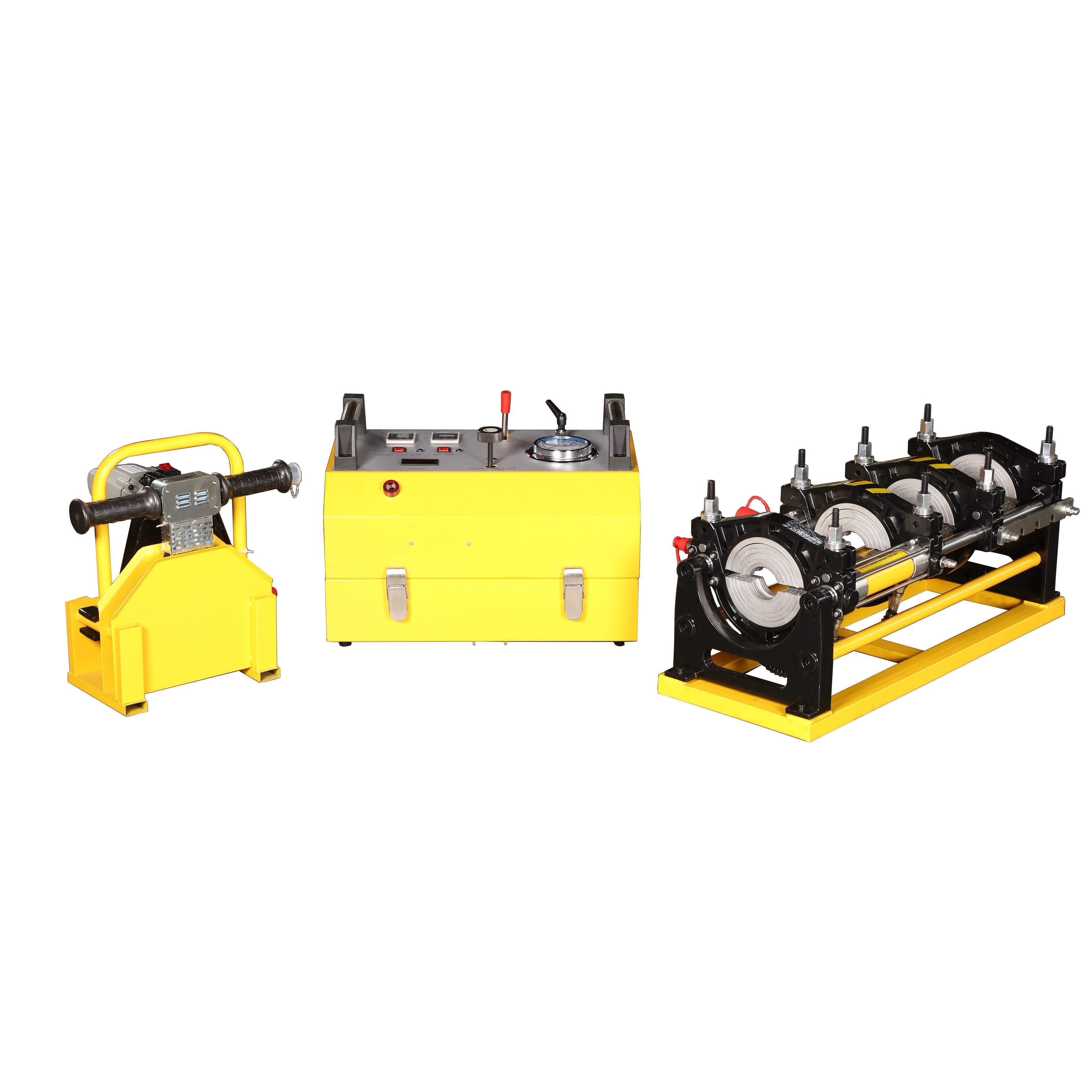
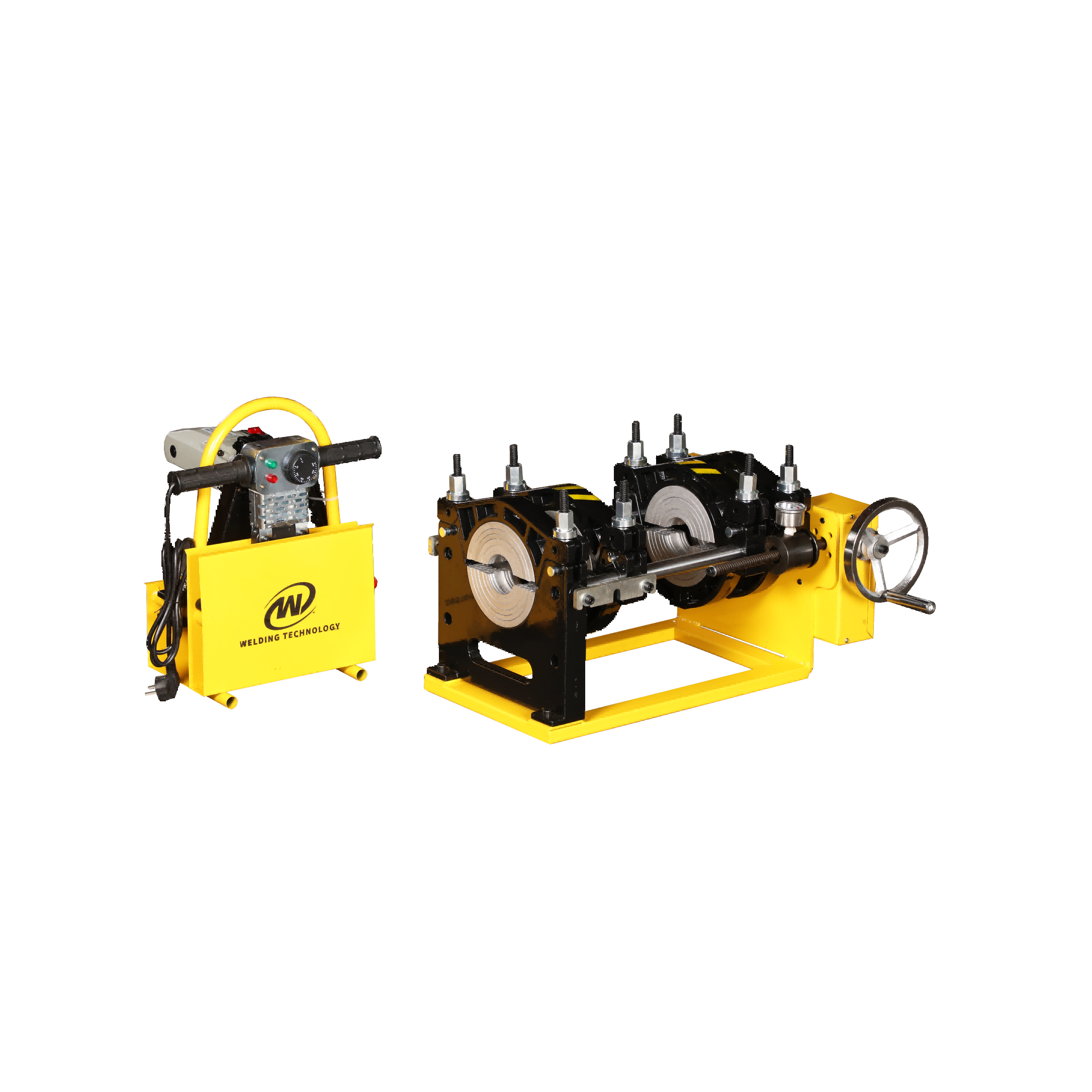
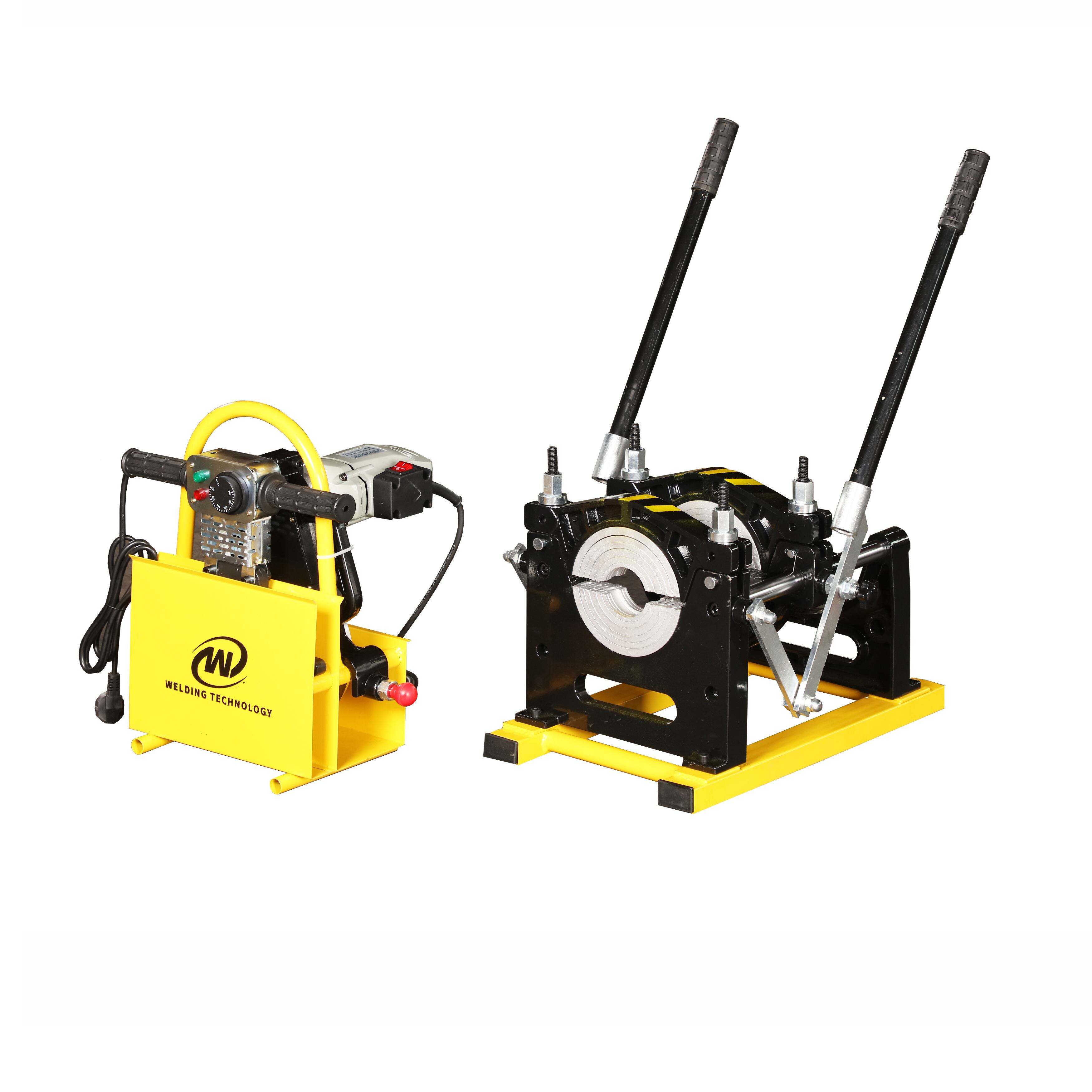
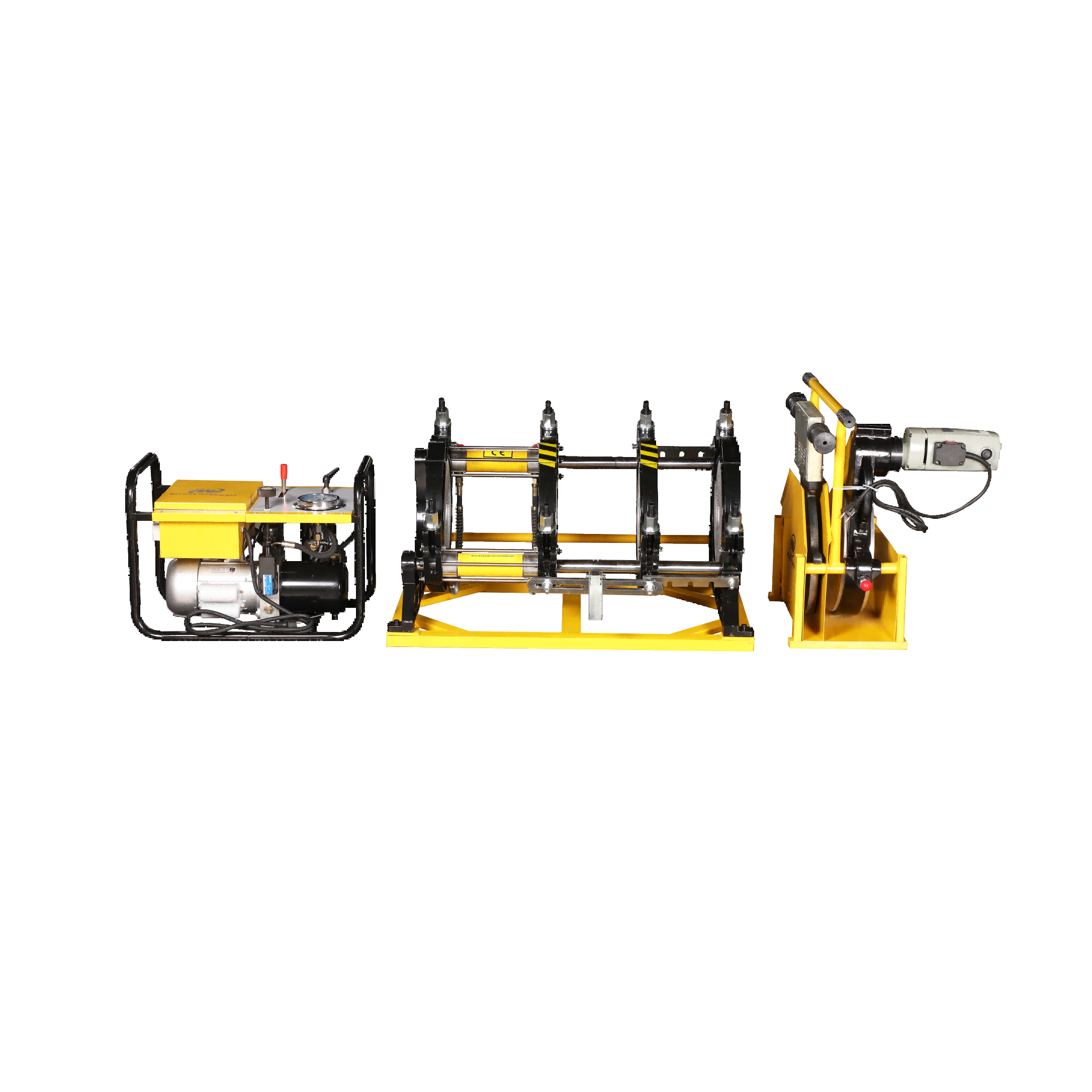
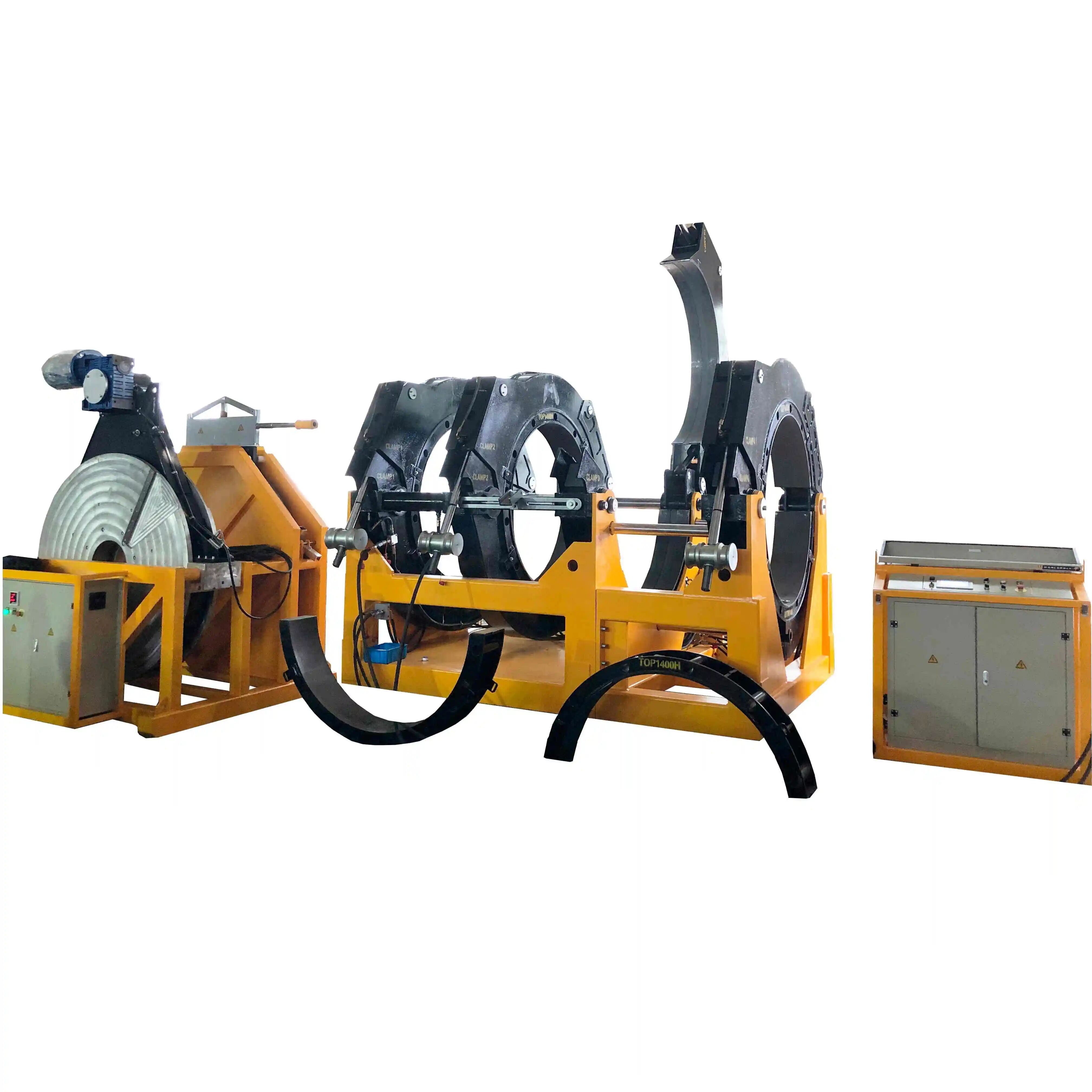
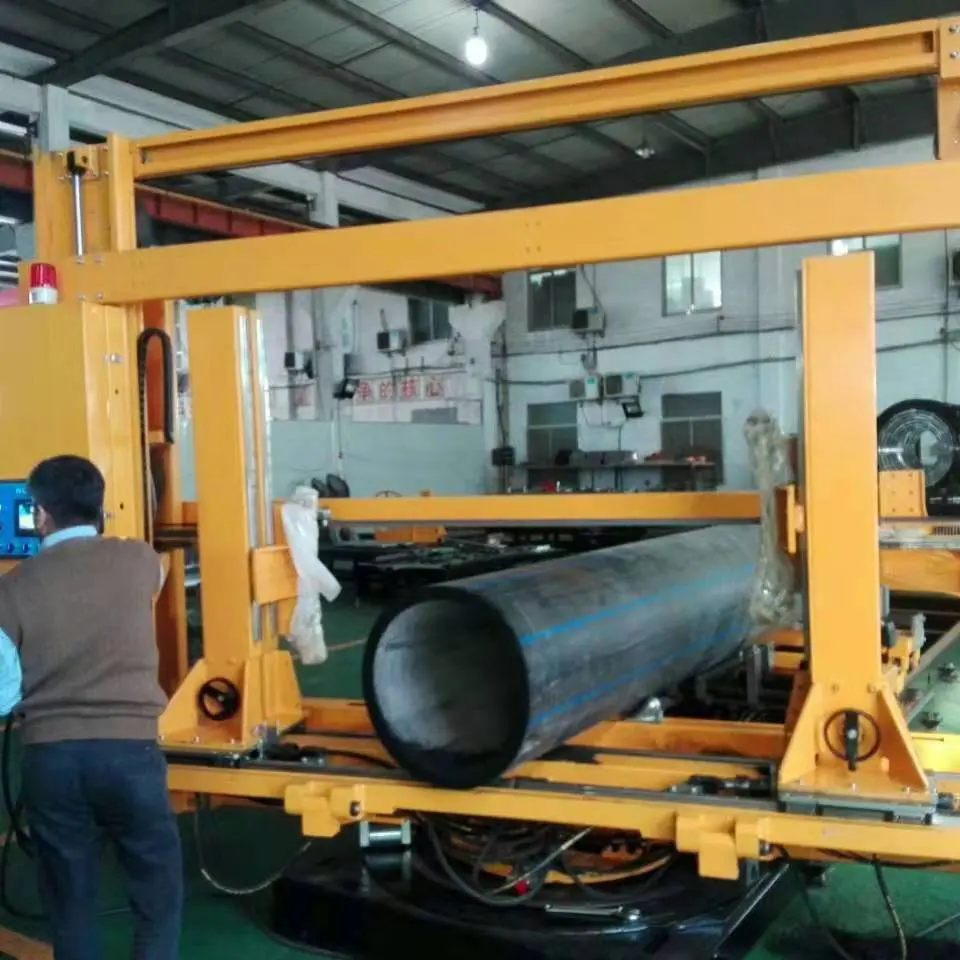
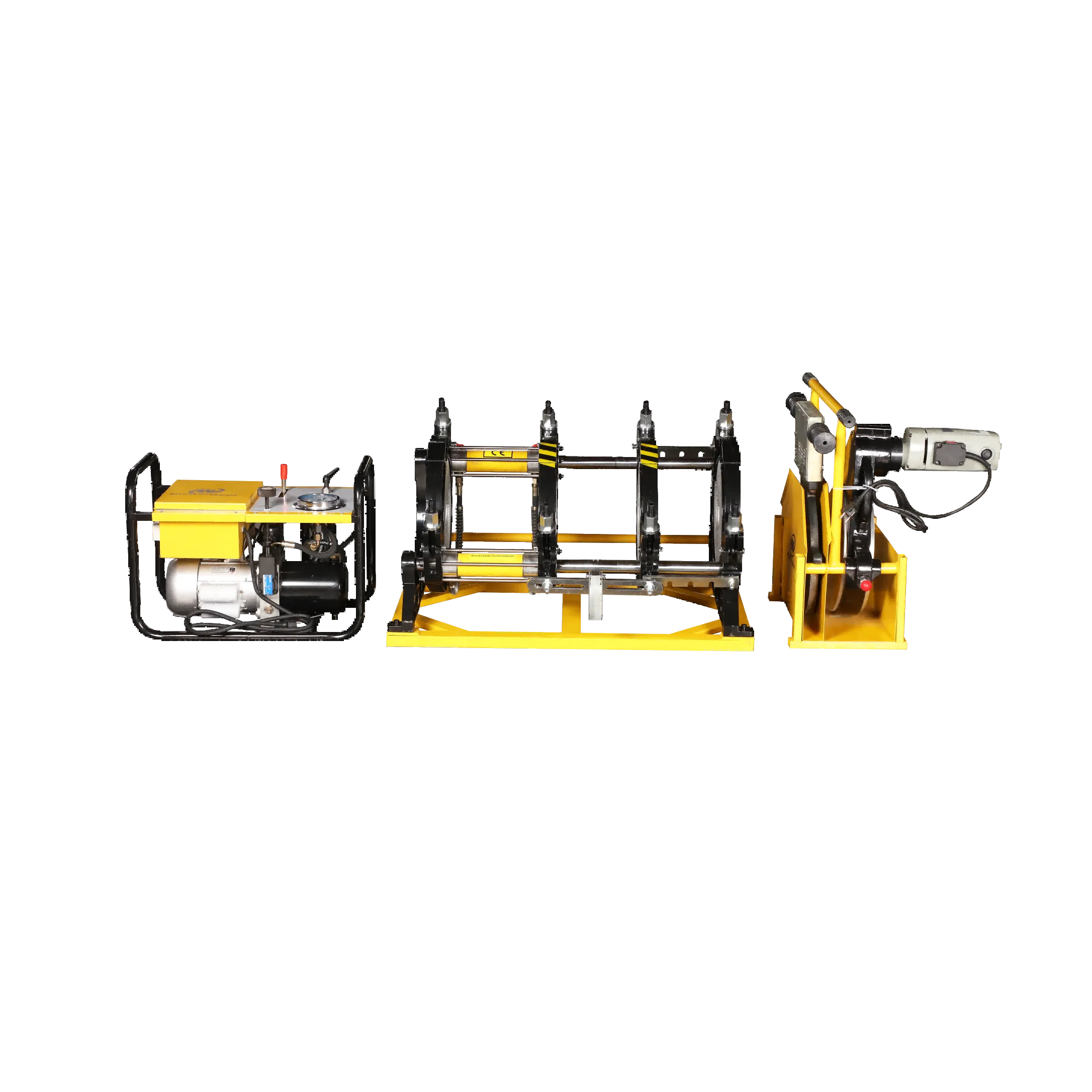
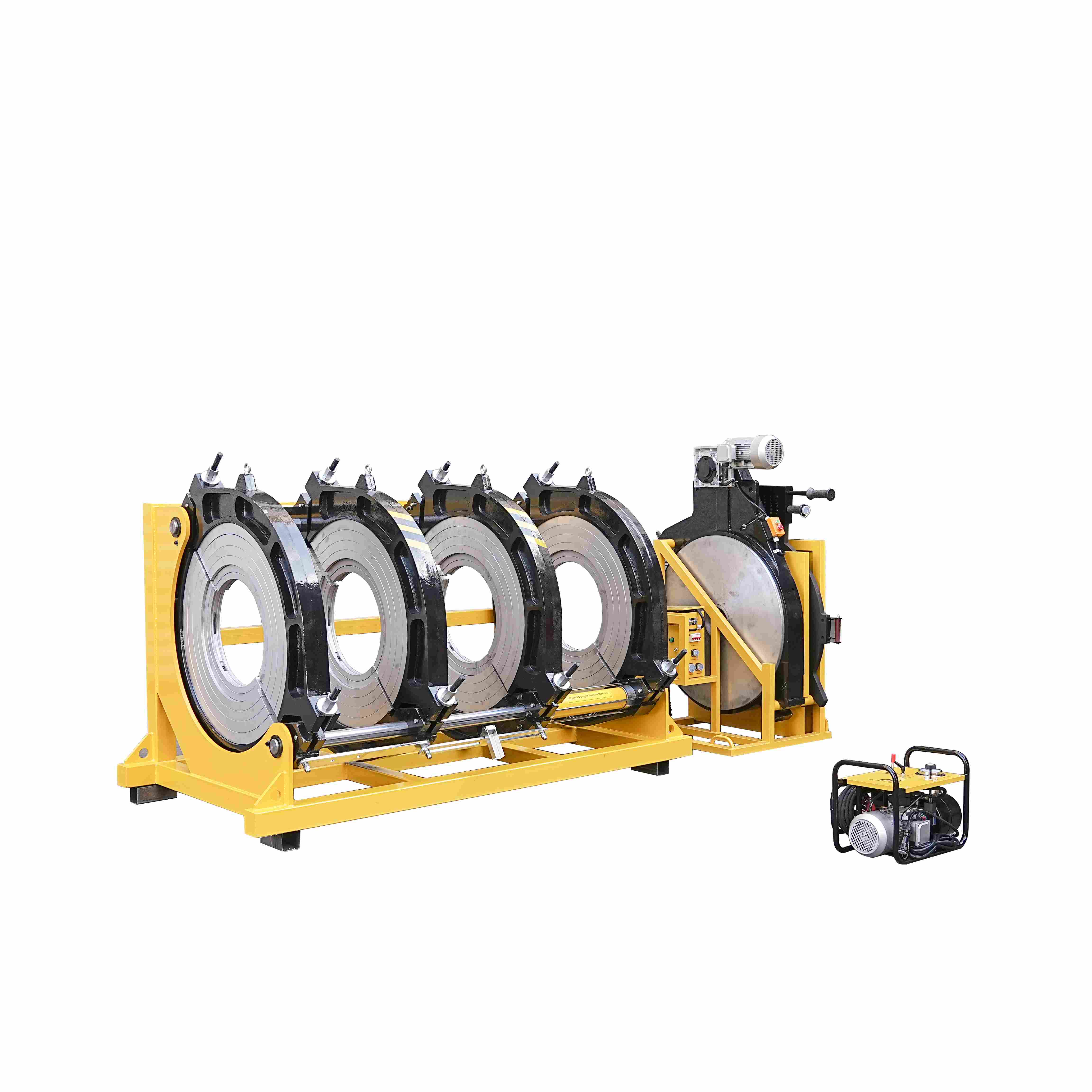
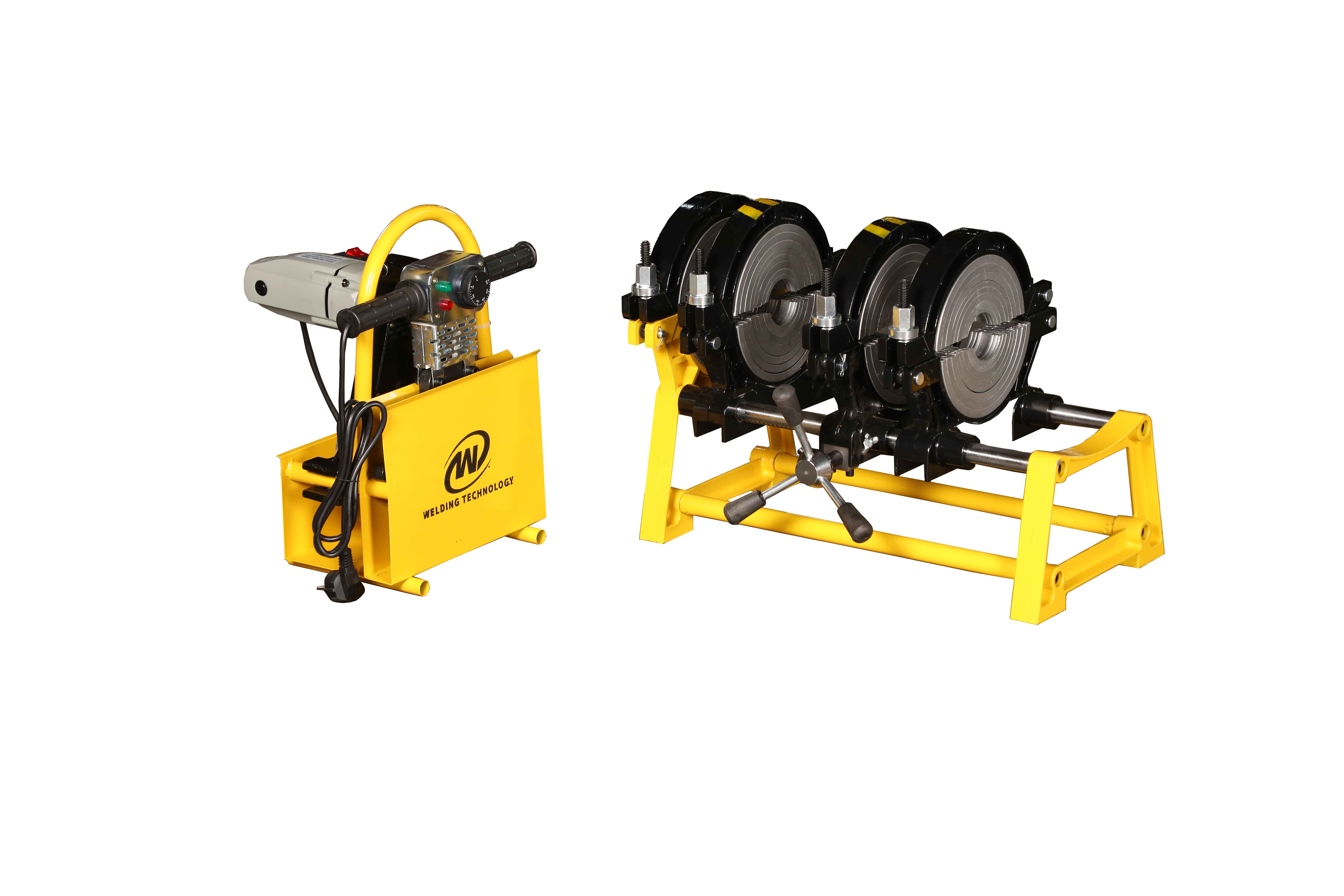
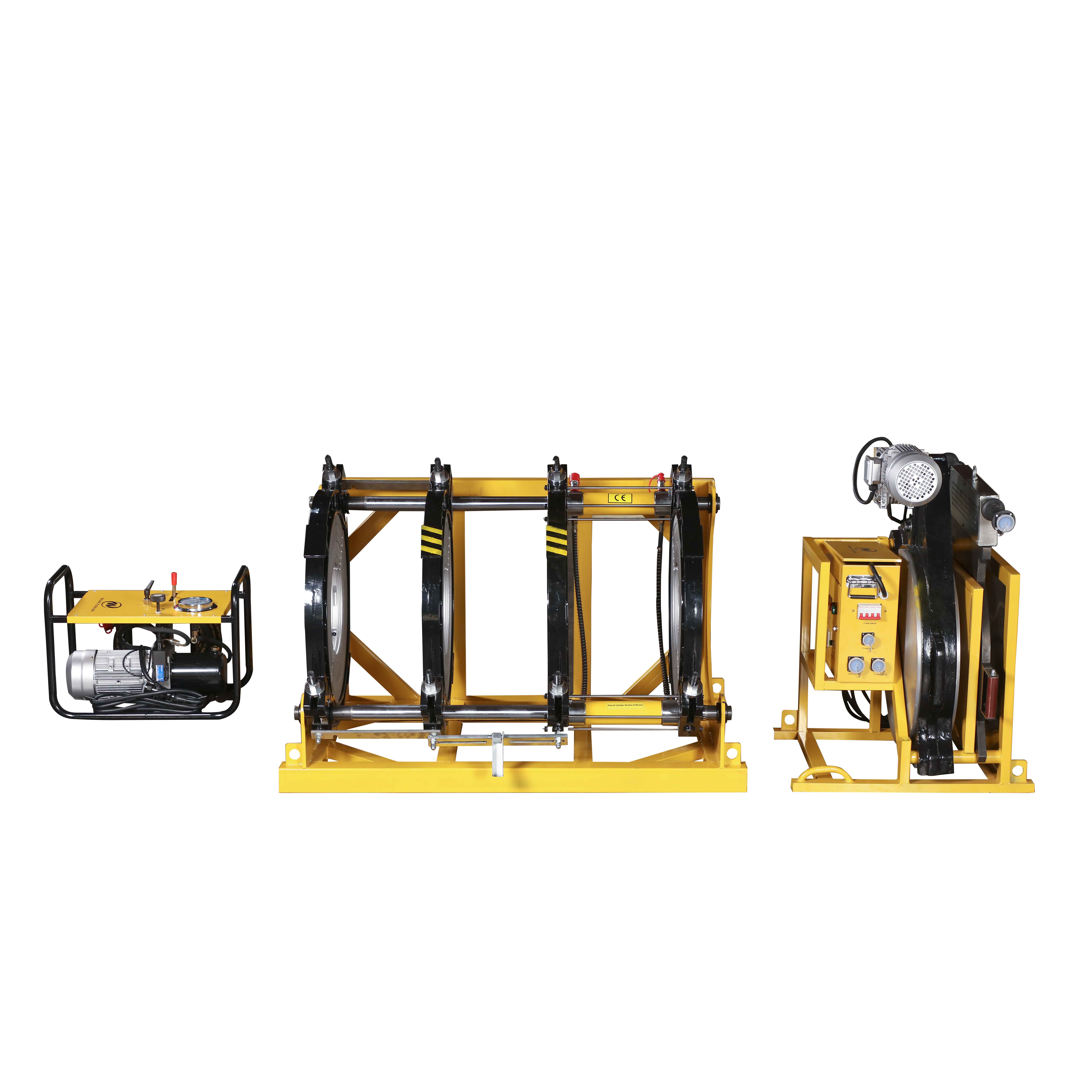
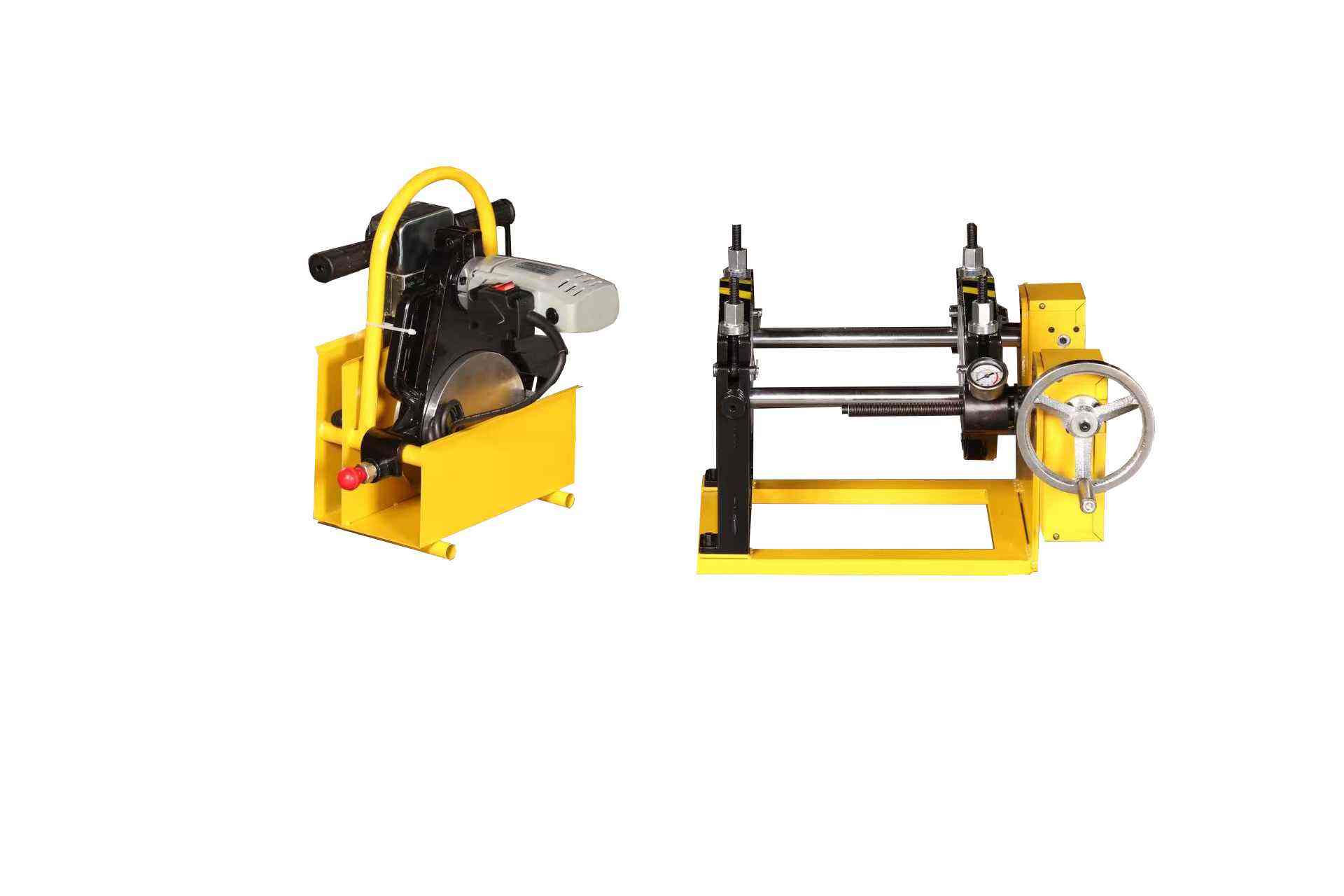
A butt fusion joint machine represents an essential piece of equipment designed specifically for joining thermoplastic pipes and fittings through a heat fusion process. This sophisticated welding apparatus creates permanent, leak-proof connections by heating the pipe ends to their melting point and then pressing them together under controlled pressure. The butt fusion joint machine operates on the principle of molecular bonding, where heated polymer chains intermingle at the joint interface to form a homogeneous connection that matches or exceeds the strength of the original pipe material. Modern butt fusion joint machines incorporate advanced heating elements, precise temperature controls, and hydraulic pressure systems that ensure consistent, reliable joints across various pipe diameters ranging from small residential applications to large industrial installations. The equipment typically consists of a sturdy frame, heating plate with non-stick coating, hydraulic power unit, and movable carriages that hold pipe sections during the fusion process. These machines serve critical roles in infrastructure projects involving water distribution systems, natural gas pipelines, sewage networks, industrial process piping, and geothermal installations. The technology behind the butt fusion joint machine has evolved significantly, now featuring digital displays, automated cycle timers, data logging capabilities, and programmable settings that accommodate different pipe materials such as polyethylene, polypropylene, and other thermoplastics. Operators can achieve optimal fusion results by following standardized procedures that control heating time, soak time, pressure application, and cooling periods. The versatility of the butt fusion joint machine makes it indispensable for contractors, utility companies, and maintenance teams who require durable piping connections that withstand decades of service under challenging environmental conditions. Investment in quality butt fusion equipment translates directly into reduced installation time, minimized joint failures, and long-term system reliability.

 EN
EN