Professional Pipe Fusion Equipment - Advanced Thermoplastic Pipe Joining Solutions

Get a Free Quote

Our representative will contact you soon.
E-mail
Name
Mobile/WhatsApp
Company Name
Message
0/1000

pipe fusion equipment

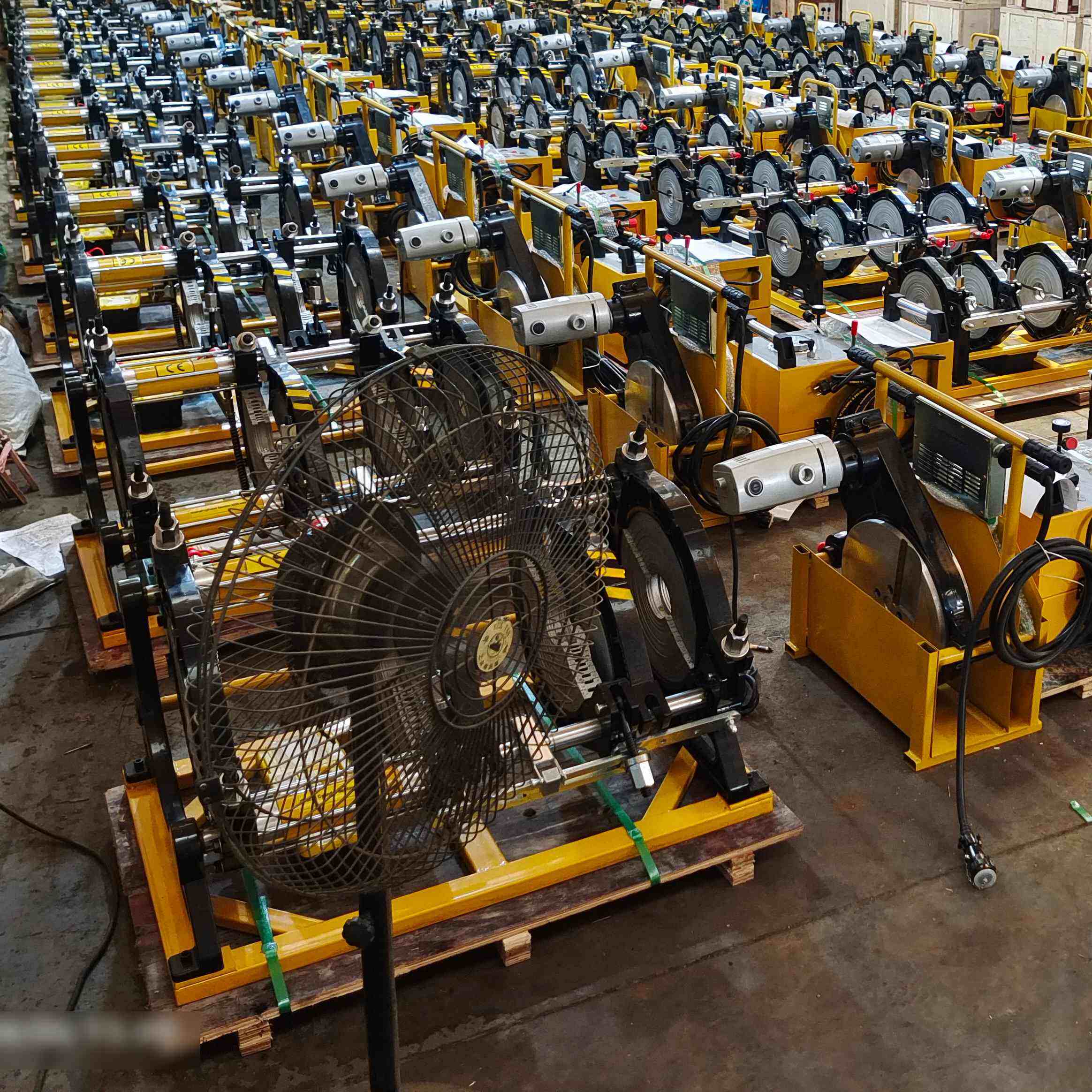
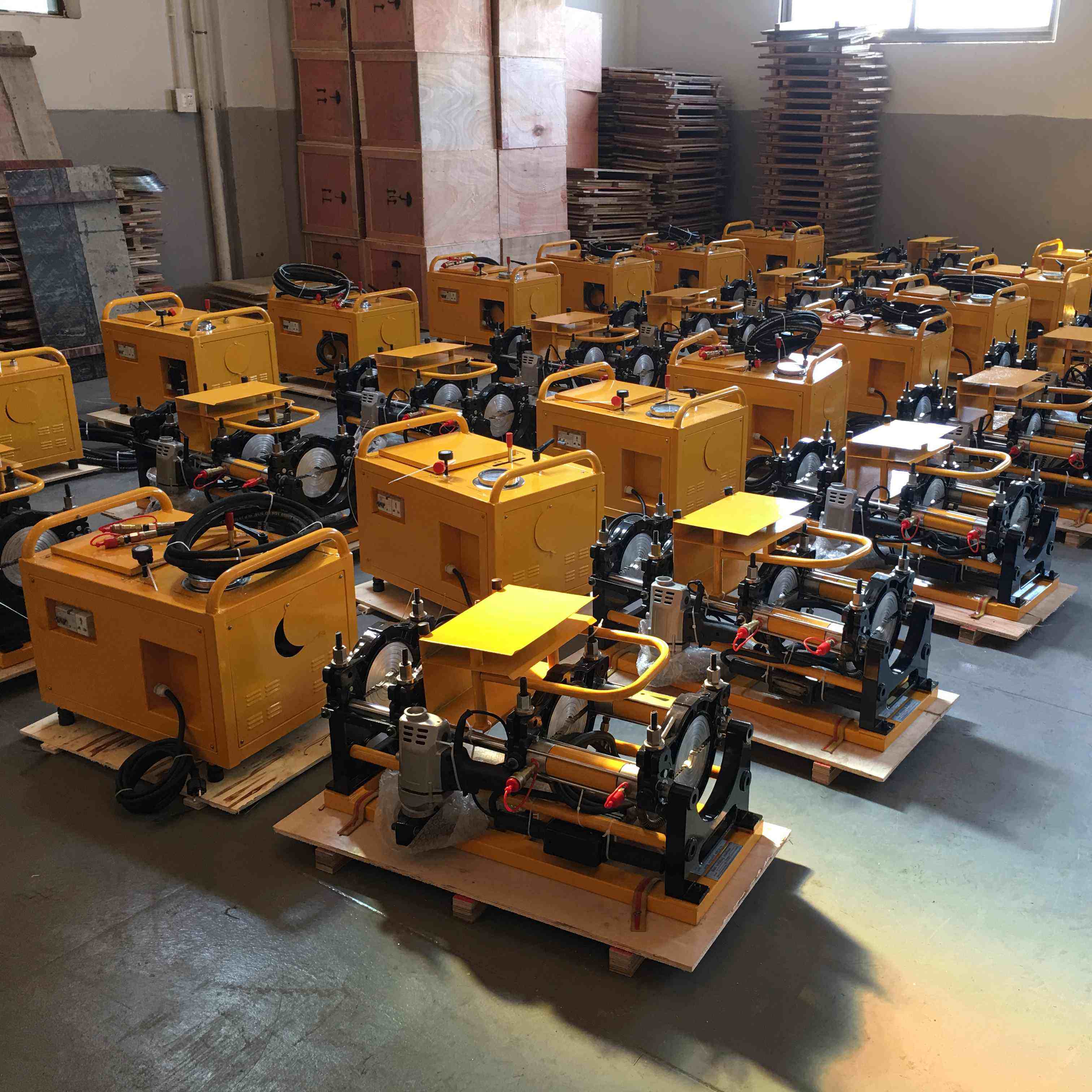
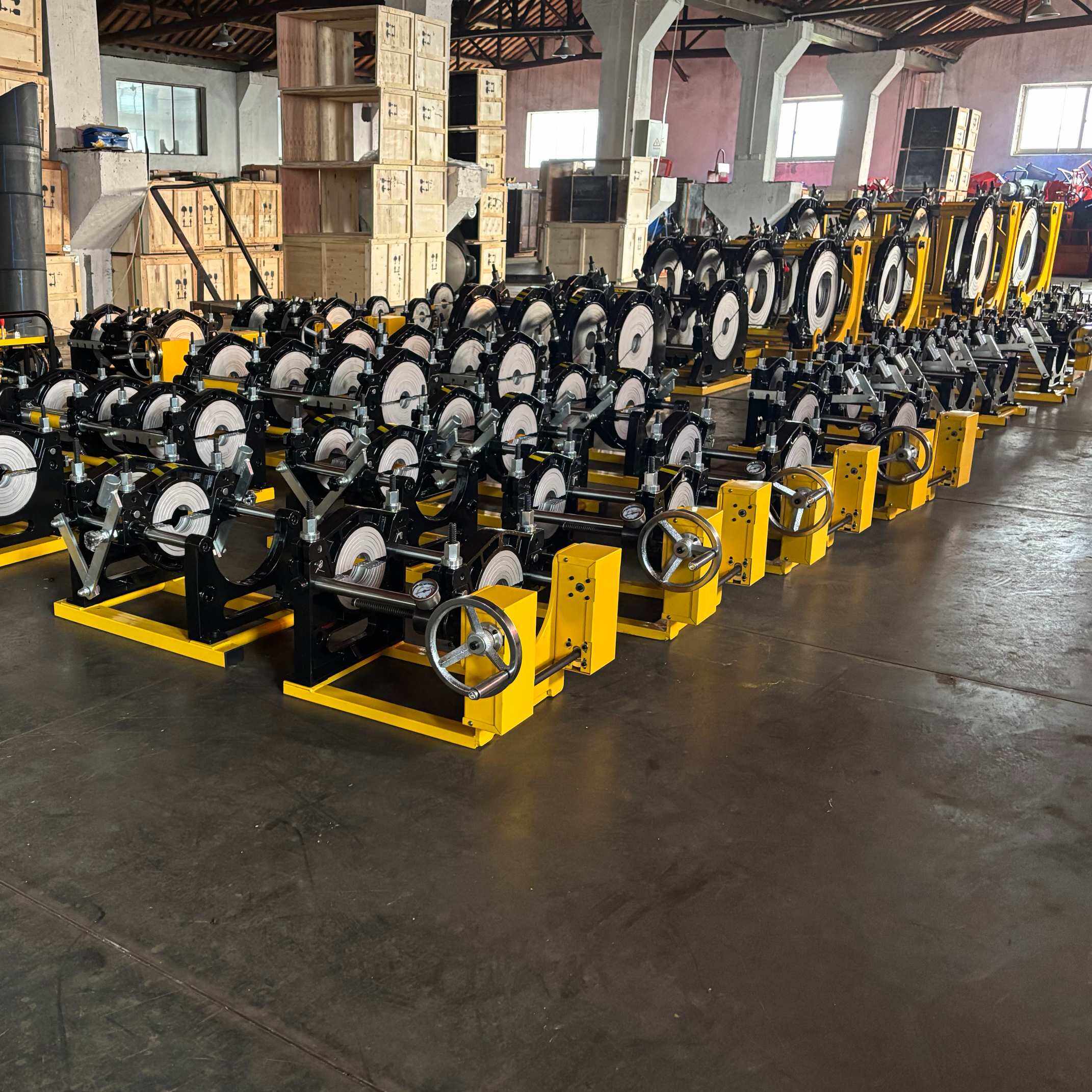
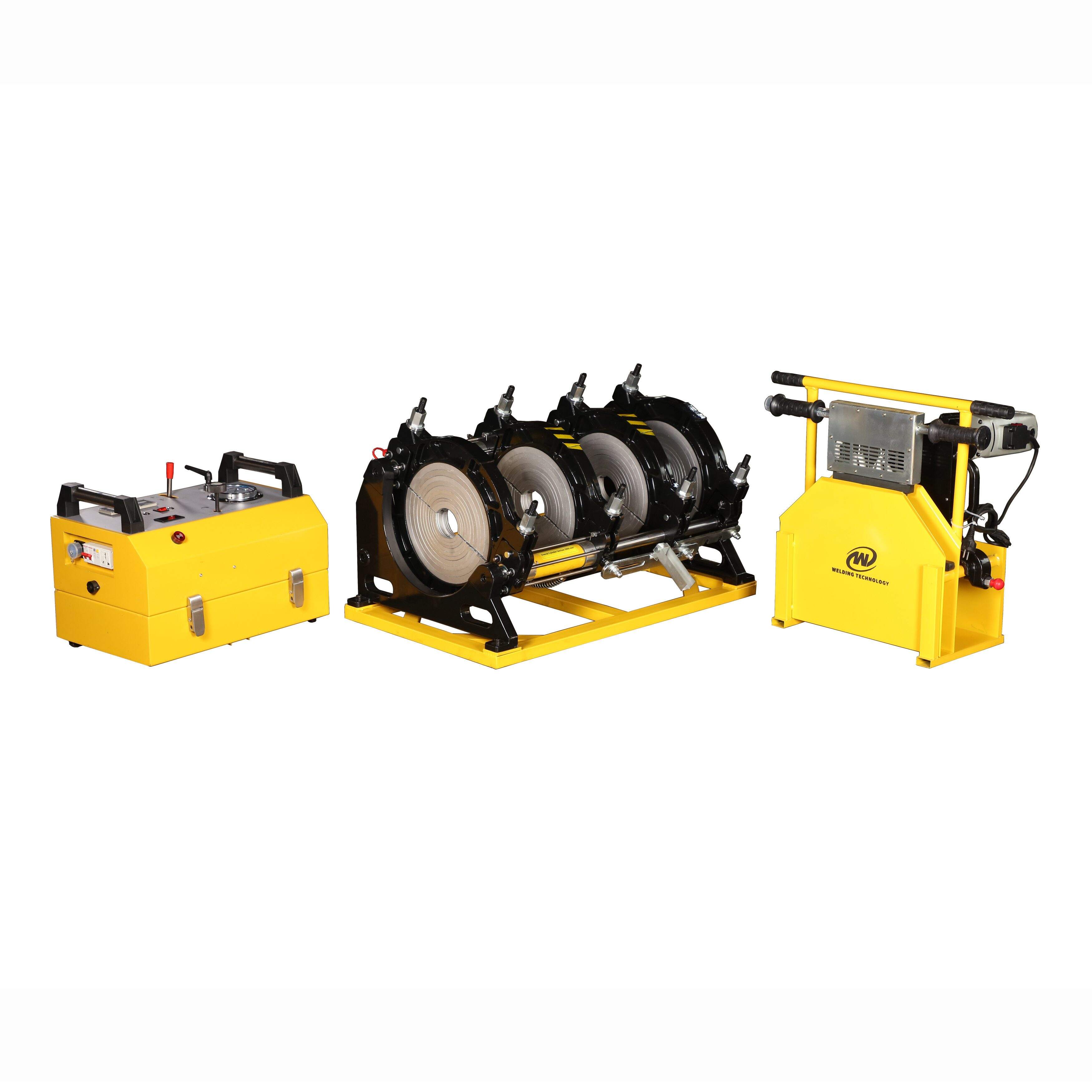
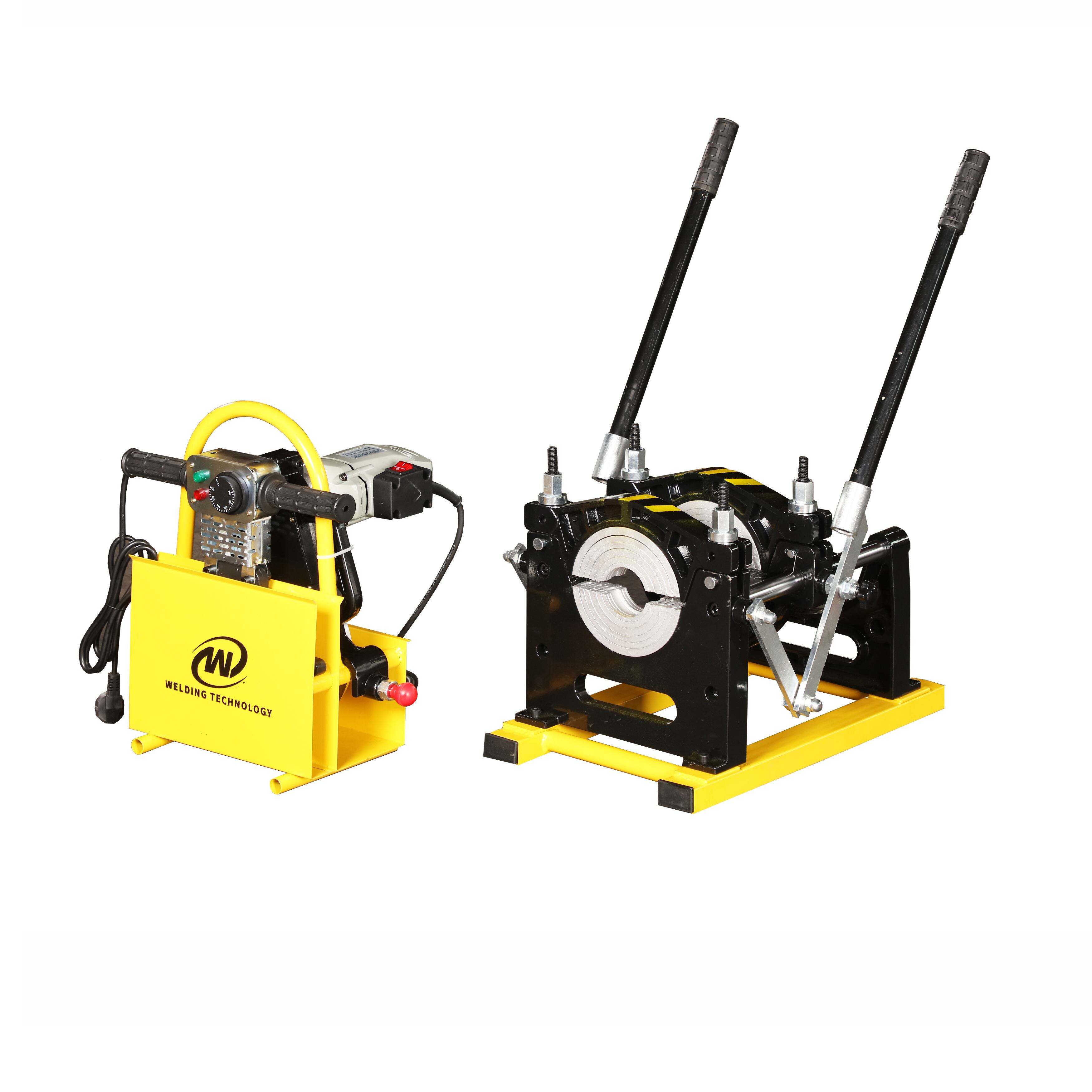
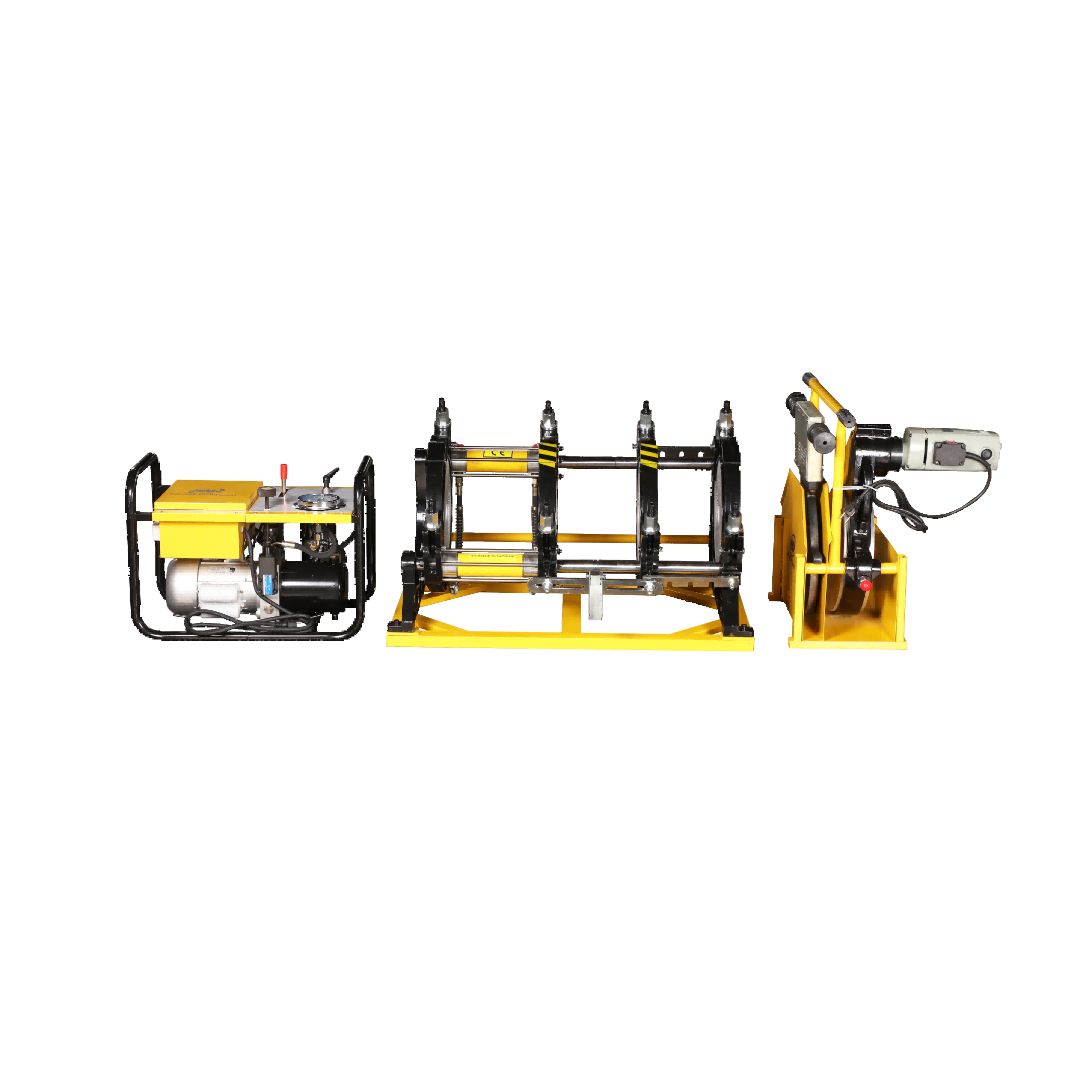
Pipe fusion equipment represents a critical technological advancement in modern pipeline installation and maintenance systems. This sophisticated machinery enables the seamless joining of thermoplastic pipes through controlled heat application and pressure management, creating permanent, leak-proof connections that match or exceed the strength of the original pipe material. The primary function of pipe fusion equipment centers on heating pipe ends or surfaces to their melting point, then applying precise pressure to fuse the materials together as they cool and solidify. This process eliminates the need for mechanical fittings, gaskets, or adhesives, resulting in homogeneous joints that maintain structural integrity throughout the pipeline system. Technological features of modern pipe fusion equipment include digital temperature controllers, automated heating cycles, hydraulic pressure systems, and precision alignment mechanisms. These machines typically incorporate microprocessor-based controls that monitor and adjust heating temperatures, fusion times, and cooling periods according to pipe material specifications and diameter requirements. Advanced models feature data logging capabilities, allowing operators to record and verify fusion parameters for quality assurance and regulatory compliance. The equipment accommodates various pipe materials including polyethylene, polypropylene, and other thermoplastic compounds across diameter ranges from small residential applications to large-scale industrial installations. Applications span multiple industries including water distribution systems, natural gas networks, sewage treatment facilities, mining operations, and industrial process piping. Municipal utilities rely on pipe fusion equipment for infrastructure development and repair projects, while industrial facilities utilize this technology for chemical processing lines, compressed air systems, and material handling applications. The equipment proves essential in challenging environments where traditional joining methods may fail due to ground movement, temperature fluctuations, or corrosive conditions, making pipe fusion equipment an indispensable tool for modern pipeline construction and maintenance operations.

New Products

Pipe fusion equipment delivers substantial cost savings by eliminating the need for expensive fittings, reducing material costs by up to thirty percent compared to traditional joining methods. This equipment streamlines installation processes, allowing crews to complete projects faster with fewer workers, significantly reducing labor expenses and project timelines. The fusion process creates joints stronger than the pipe itself, eliminating weak points that commonly cause system failures and expensive emergency repairs. These permanent connections resist corrosion, chemical attack, and mechanical stress, providing decades of reliable service without maintenance requirements. Operators benefit from simplified training requirements, as pipe fusion equipment features intuitive controls and automated processes that reduce human error and ensure consistent results. The equipment enhances safety by eliminating exposure to toxic adhesives, solvents, and mechanical hazards associated with traditional pipe joining methods. Environmental advantages include reduced waste generation, as fusion joints require no consumable materials beyond the pipe itself, supporting sustainability initiatives and reducing disposal costs. Pipe fusion equipment operates efficiently in extreme weather conditions, unlike adhesive-based systems that may fail in cold temperatures or high humidity environments. The technology provides superior leak prevention, with fusion joints achieving zero-leak performance that meets stringent environmental regulations and prevents costly contamination incidents. Quality control improves through automated parameter monitoring, ensuring every joint meets specification requirements and reducing callback rates for defective installations. Maintenance requirements remain minimal, with most pipe fusion equipment designed for years of operation with basic preventive care, reducing ownership costs and maximizing equipment availability. The versatility of modern pipe fusion equipment allows contractors to handle multiple pipe materials and sizes with single machines, reducing equipment inventory costs and simplifying logistics. Energy efficiency features in contemporary models reduce operating costs while maintaining optimal fusion quality, supporting both profitability and environmental responsibility. These combined advantages position pipe fusion equipment as the preferred choice for professional contractors seeking reliable, cost-effective pipeline installation solutions.

Tips And Tricks

Global Fusion Welding Machinery Market Booms, Hangzhou Welding Leads Chinese Manufacturing to Serve 100+ Countries

11

Feb

Global Fusion Welding Machinery Market Booms, Hangzhou Welding Leads Chinese Manufacturing to Serve 100+ Countries

View More
Technological Innovation Drives Industry Upgrade, Hangzhou Welding Leads the Development of Thermoplastic Welding Technology

11

Feb

Technological Innovation Drives Industry Upgrade, Hangzhou Welding Leads the Development of Thermoplastic Welding Technology

View More
Accelerating Global Layout, Hangzhou Welding Technology Drives International Market Development with the Dual Wheels of

11

Feb

Accelerating Global Layout, Hangzhou Welding Technology Drives International Market Development with the Dual Wheels of "Products + Services"

View More

Get a Free Quote

Our representative will contact you soon.
E-mail
Name
Mobile/WhatsApp
Company Name
Message
0/1000

pipe fusion equipment

Advanced Temperature Control Technology

Advanced Temperature Control Technology

Modern pipe fusion equipment incorporates sophisticated temperature control systems that revolutionize the precision and reliability of pipe joining operations. These advanced systems utilize digital microprocessors and precision sensors to monitor and maintain exact heating temperatures throughout the fusion process, ensuring optimal melting conditions for various thermoplastic materials. The temperature control technology features multiple heating zones with independent regulation, allowing operators to customize heating profiles based on pipe diameter, wall thickness, and material composition. Real-time temperature feedback systems continuously adjust heating elements to compensate for environmental conditions, pipe material variations, and ambient temperature fluctuations, maintaining consistent fusion quality regardless of external factors. This precise temperature management eliminates common fusion defects such as overheating, underheating, or uneven heat distribution that can compromise joint integrity. The automated temperature ramping sequences ensure gradual heating that prevents thermal stress in pipe materials, while programmable cooling cycles optimize molecular bonding for maximum joint strength. Safety features include temperature limit switches, thermal overload protection, and automatic shutdown systems that prevent equipment damage and ensure operator safety. The digital displays provide clear temperature readings and fusion progress indicators, enabling operators to monitor critical parameters and make informed decisions throughout the process. Advanced models feature temperature data logging capabilities that record detailed thermal profiles for quality documentation and regulatory compliance requirements. This temperature control technology significantly reduces fusion time while improving joint quality, allowing contractors to complete more connections per day with enhanced reliability. The precision heating systems accommodate various pipe materials including high-density polyethylene, polypropylene, and specialty thermoplastics, making the equipment versatile for diverse applications. Calibration systems ensure long-term accuracy, with automated self-diagnostics that identify and correct temperature control issues before they affect fusion quality, reducing maintenance requirements and maximizing equipment uptime.
Hydraulic Pressure Management System

Hydraulic Pressure Management System

The hydraulic pressure management system represents a cornerstone technology in pipe fusion equipment, delivering precise force application essential for creating superior joint integrity. This sophisticated system employs high-capacity hydraulic cylinders and precision pressure regulators to apply consistent, controlled force during the fusion process, ensuring optimal molecular bonding between pipe surfaces. The pressure management technology features programmable force profiles that automatically adjust applied pressure based on pipe diameter, material properties, and fusion stage requirements. Real-time pressure monitoring systems continuously track applied force and provide immediate feedback to maintain optimal fusion conditions throughout the heating and cooling cycles. Advanced pressure control algorithms compensate for material resistance variations, environmental factors, and thermal expansion effects, maintaining consistent pressure application regardless of operating conditions. The hydraulic system incorporates multiple safety features including pressure relief valves, emergency stop functions, and overload protection systems that prevent equipment damage and ensure operator safety during high-pressure operations. Precision pressure gauges and digital displays provide clear visual indication of applied forces, enabling operators to verify proper fusion parameters and document pressure data for quality assurance purposes. The system design accommodates rapid pressure cycling for high-volume production environments while maintaining accurate force control for critical applications requiring precise pressure specifications. Automated pressure sequences eliminate operator guesswork and reduce human error, ensuring consistent fusion results across multiple joints and different operators. The hydraulic components feature robust construction designed for continuous operation in demanding field conditions, with sealed systems that resist contamination and maintain performance reliability. Energy-efficient hydraulic pumps reduce operating costs while providing ample pressure capacity for large-diameter pipe applications. The pressure management system integrates seamlessly with temperature control and timing systems, creating coordinated fusion cycles that optimize joint quality and minimize processing time. Regular pressure calibration capabilities ensure long-term accuracy and compliance with industry standards, while diagnostic systems identify potential issues before they affect fusion performance, reducing downtime and maintenance costs.
Automated Alignment and Positioning System

Automated Alignment and Positioning System

The automated alignment and positioning system in modern pipe fusion equipment represents a breakthrough in precision pipe joining technology, eliminating manual positioning errors and ensuring perfect pipe alignment for optimal fusion results. This advanced system employs precision mechanical guides, hydraulic positioning mechanisms, and digital measurement sensors to achieve exact pipe alignment within tolerances measured in fractions of millimeters. The positioning technology features self-centering clamps that automatically adjust to accommodate pipes of various diameters while maintaining perfect concentricity throughout the fusion process. Motorized positioning systems provide smooth, controlled pipe movement with precise speed regulation, ensuring consistent approach rates and optimal surface contact during fusion. The alignment system incorporates laser measurement technology and digital feedback sensors that continuously monitor pipe position and provide real-time adjustments to maintain perfect alignment despite thermal expansion or material movement. Programmable positioning sequences automate the entire alignment process, reducing setup time and eliminating operator-dependent variations that can affect joint quality. The system design accommodates various pipe configurations including straight joints, branch connections, and complex geometries, with adjustable fixtures that adapt to different pipe sizes and connection types. Safety features include collision detection systems, emergency stop functions, and protective guards that prevent accidental contact with moving components during operation. The automated positioning eliminates the physical strain associated with manual pipe manipulation, improving operator comfort and reducing workplace injury risks. Precision measurement systems verify proper pipe insertion depths and alignment angles, ensuring compliance with fusion specifications and industry standards. The positioning technology integrates with heating and pressure systems to coordinate all fusion parameters, creating optimized cycles that maximize joint strength while minimizing processing time. Digital position feedback provides detailed documentation of alignment parameters for quality control and regulatory compliance purposes. The robust mechanical design withstands continuous operation in harsh field environments while maintaining precision accuracy over extended service periods. Calibration systems ensure long-term positioning accuracy, with automated diagnostic functions that identify and correct alignment issues before they affect fusion quality, maximizing equipment reliability and minimizing maintenance requirements.

Get a Free Quote

Our representative will contact you soon.
E-mail
Name
Mobile/WhatsApp
Company Name
Message
0/1000