hdpe pipe fusion machine manufacturer
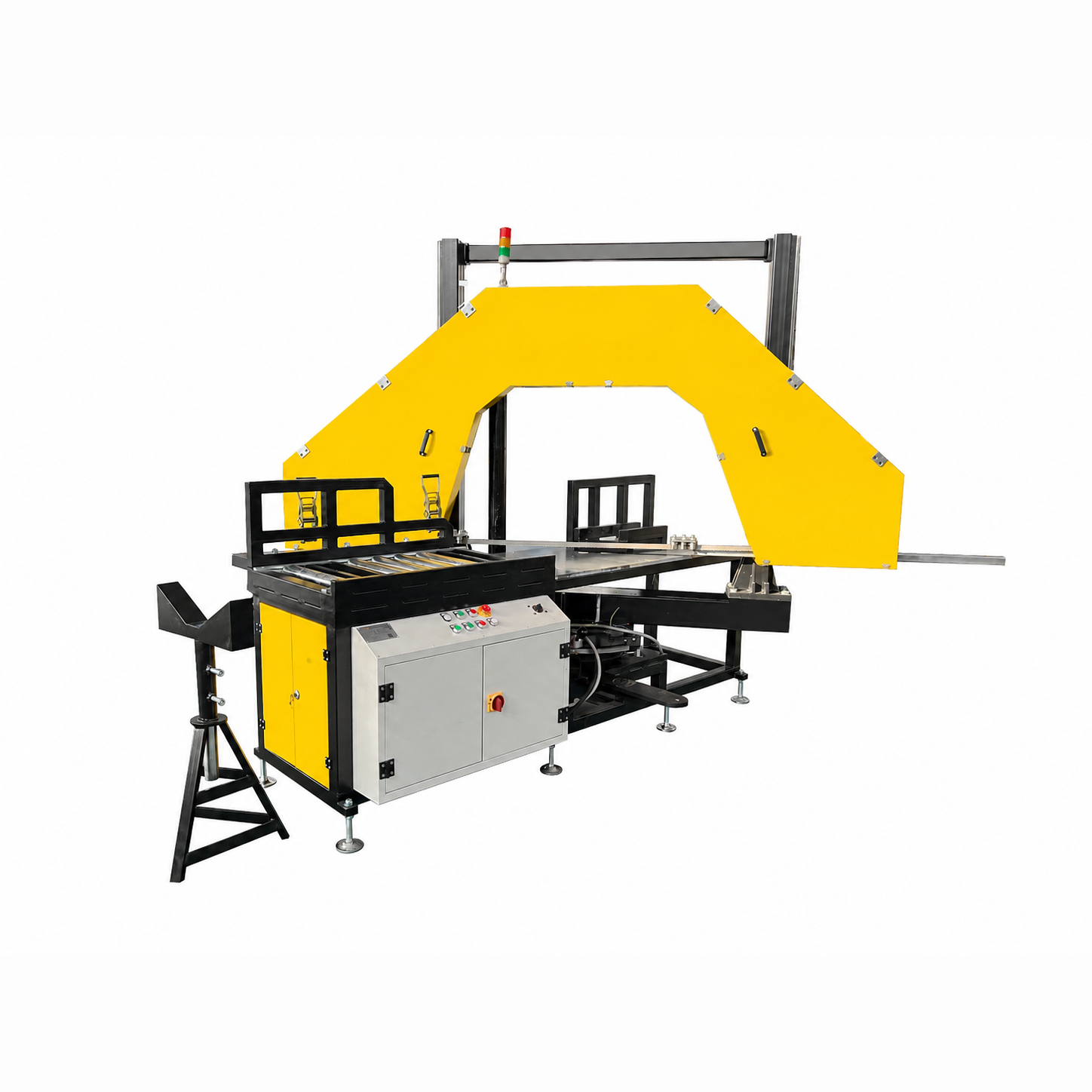
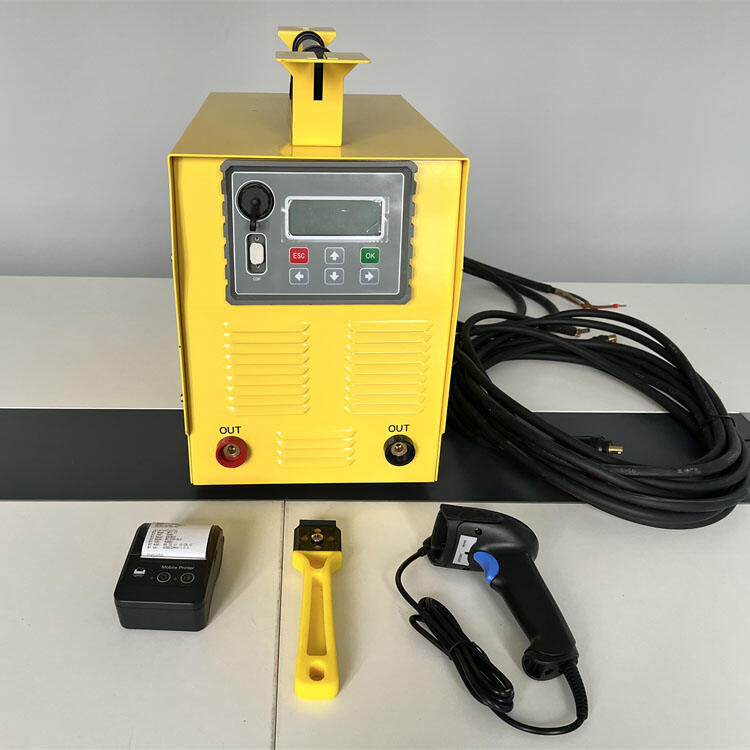
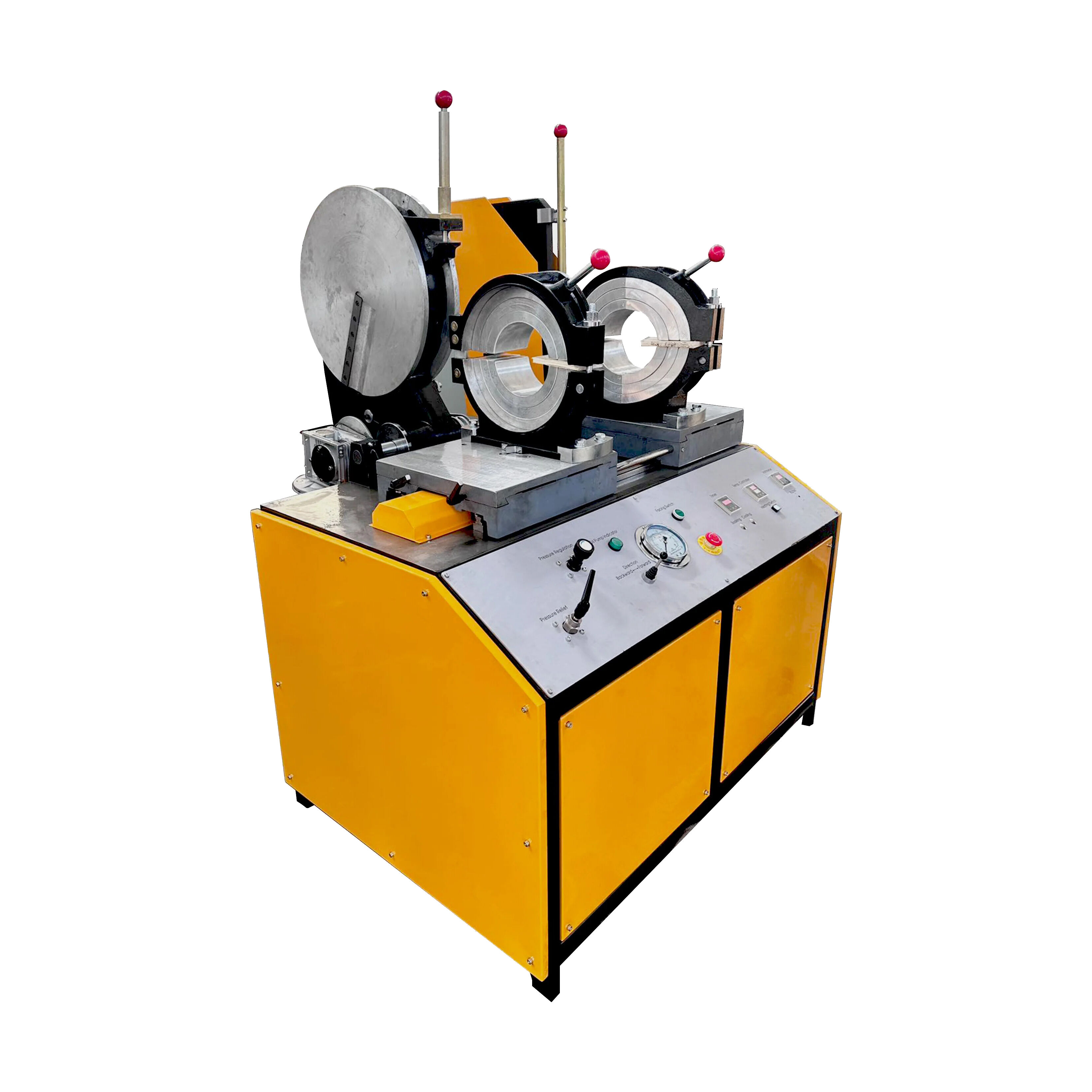
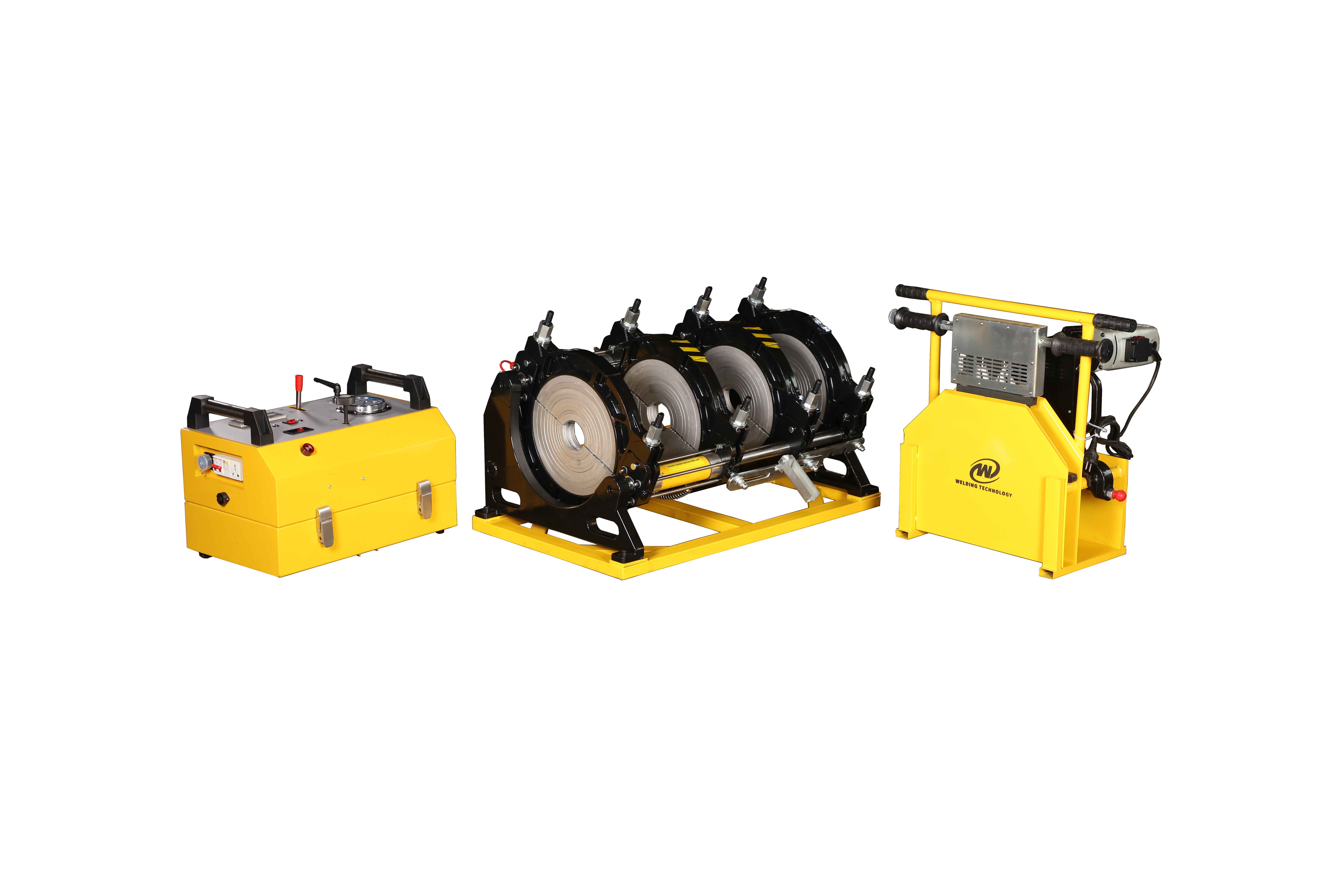
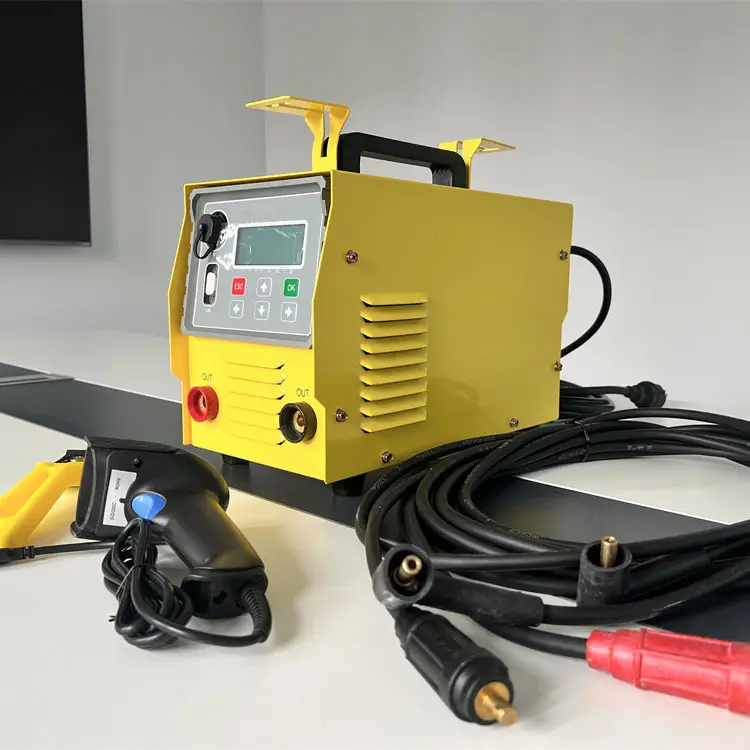
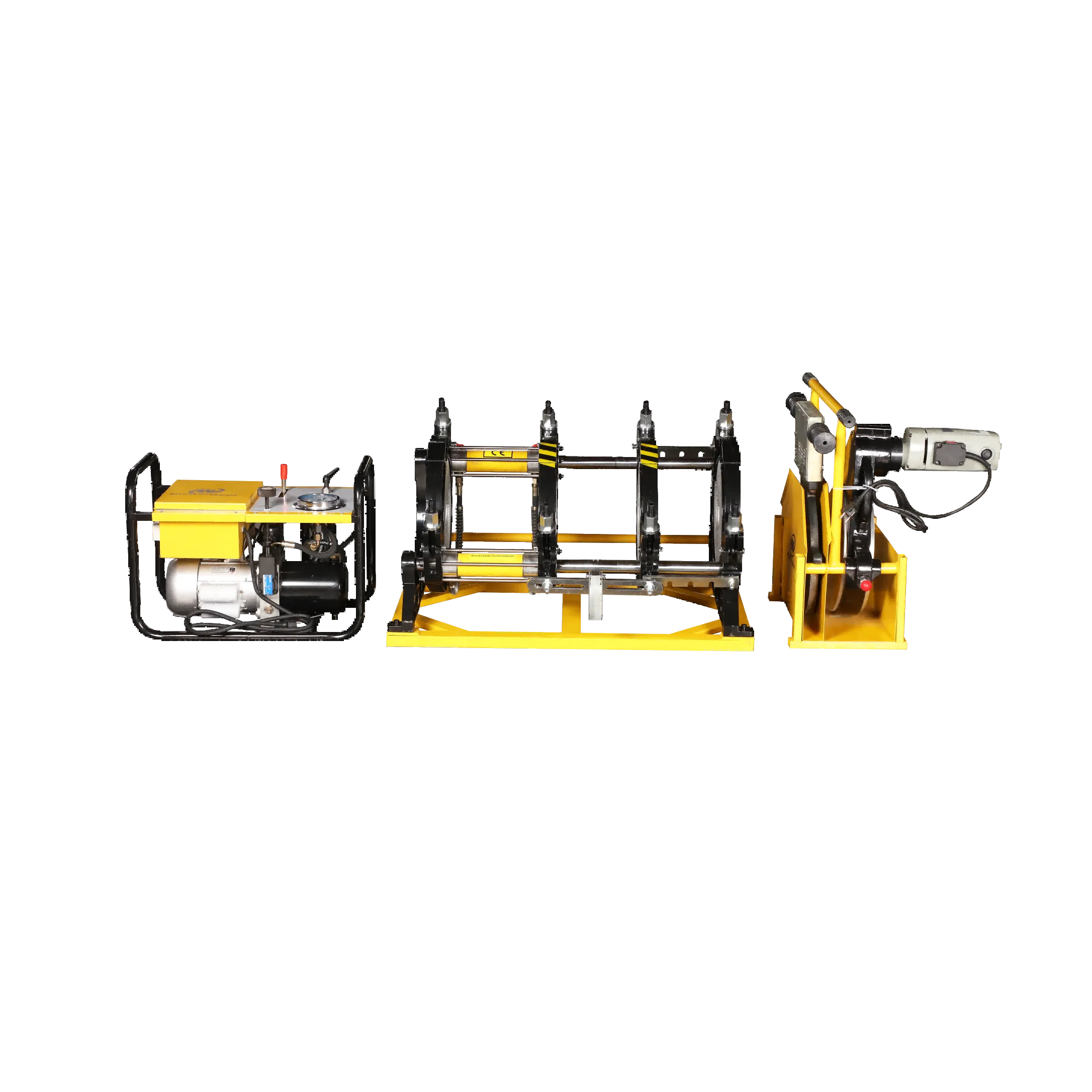
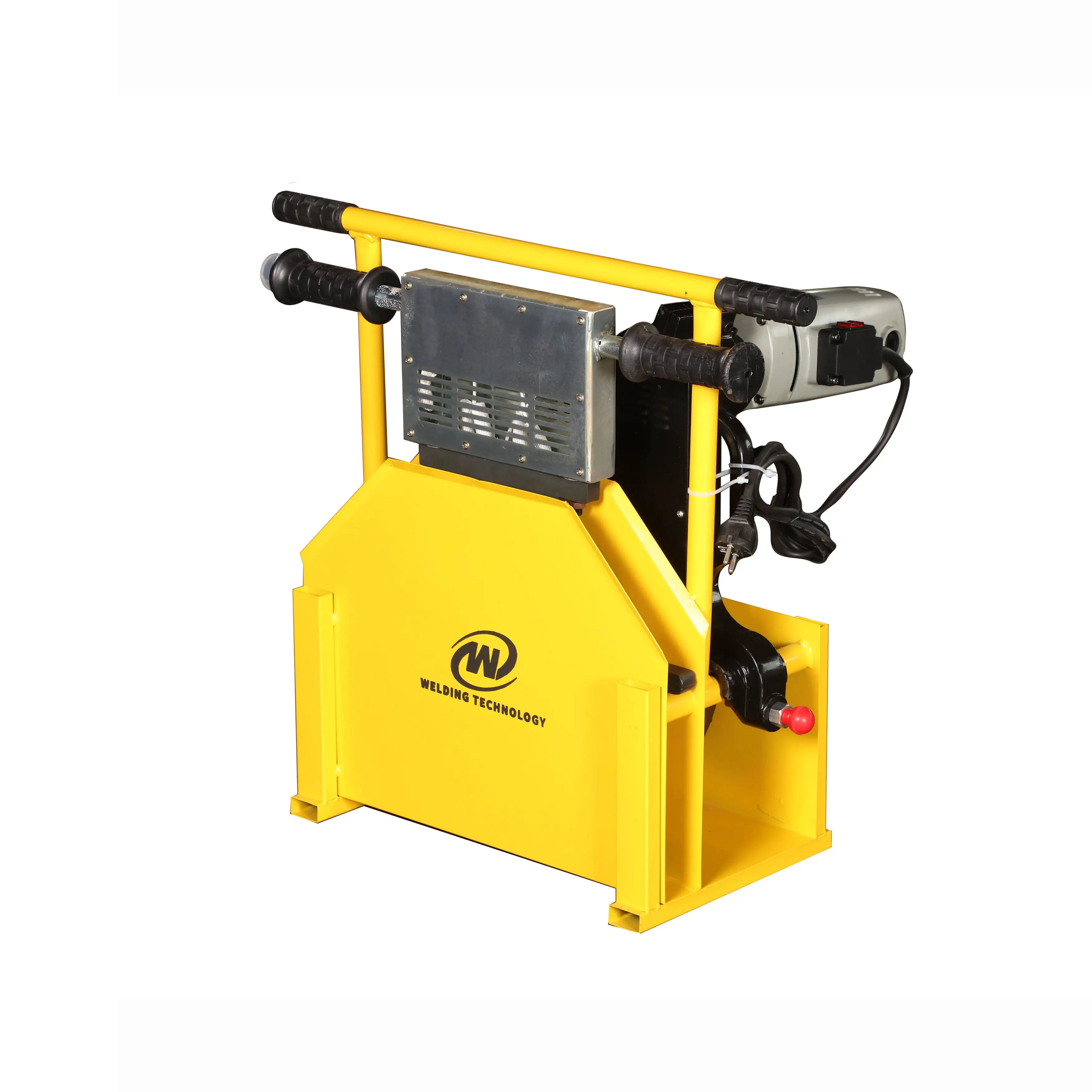
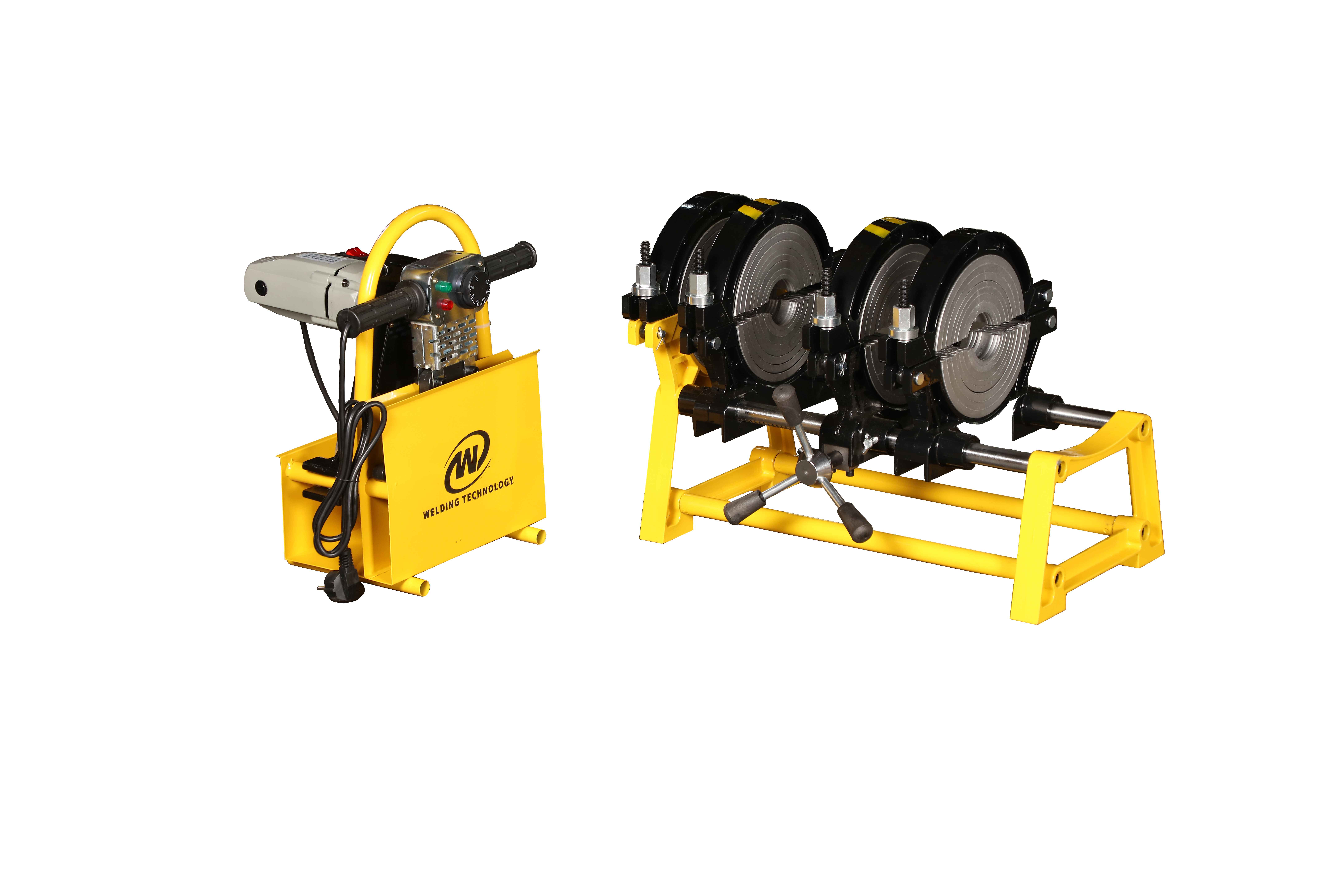
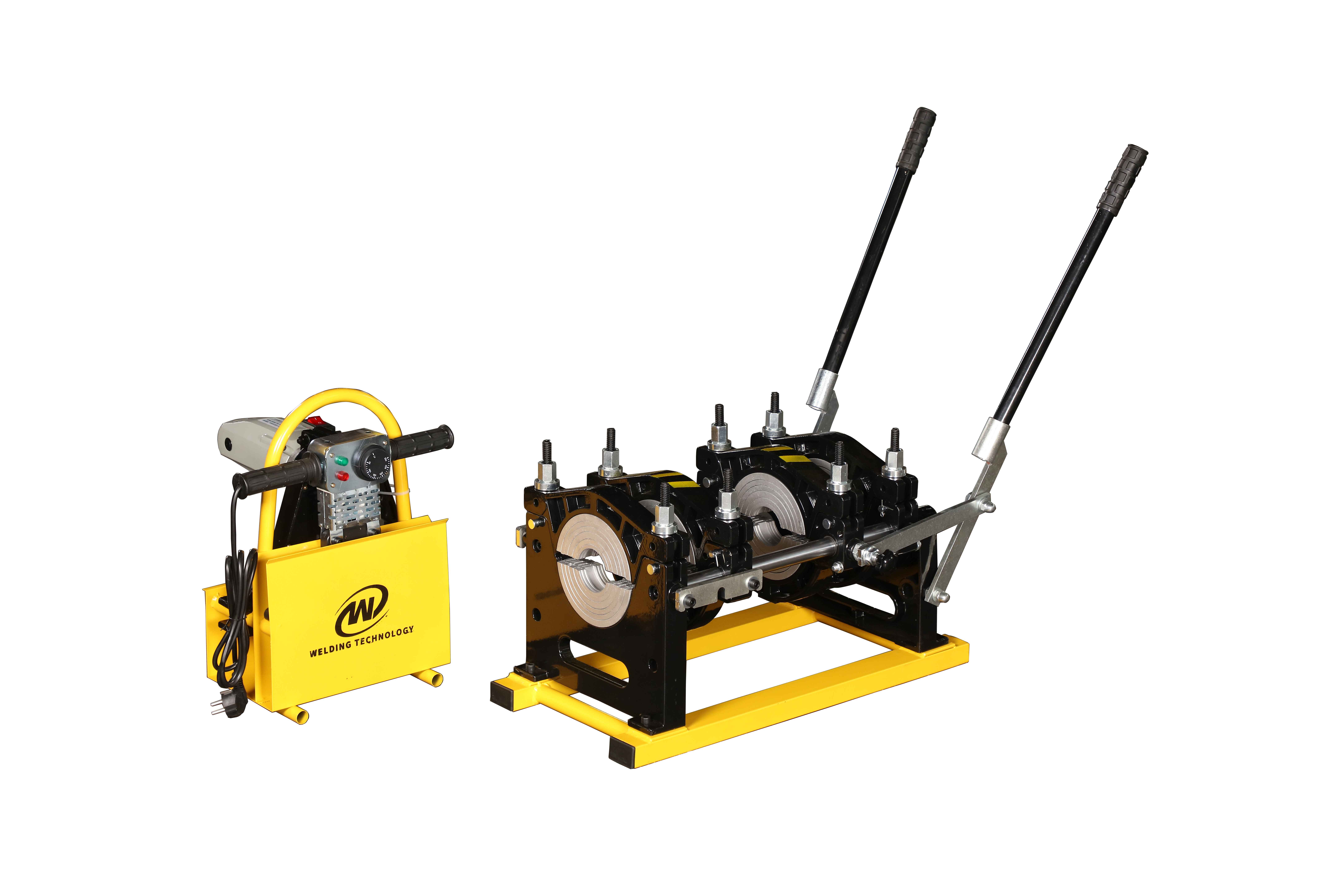
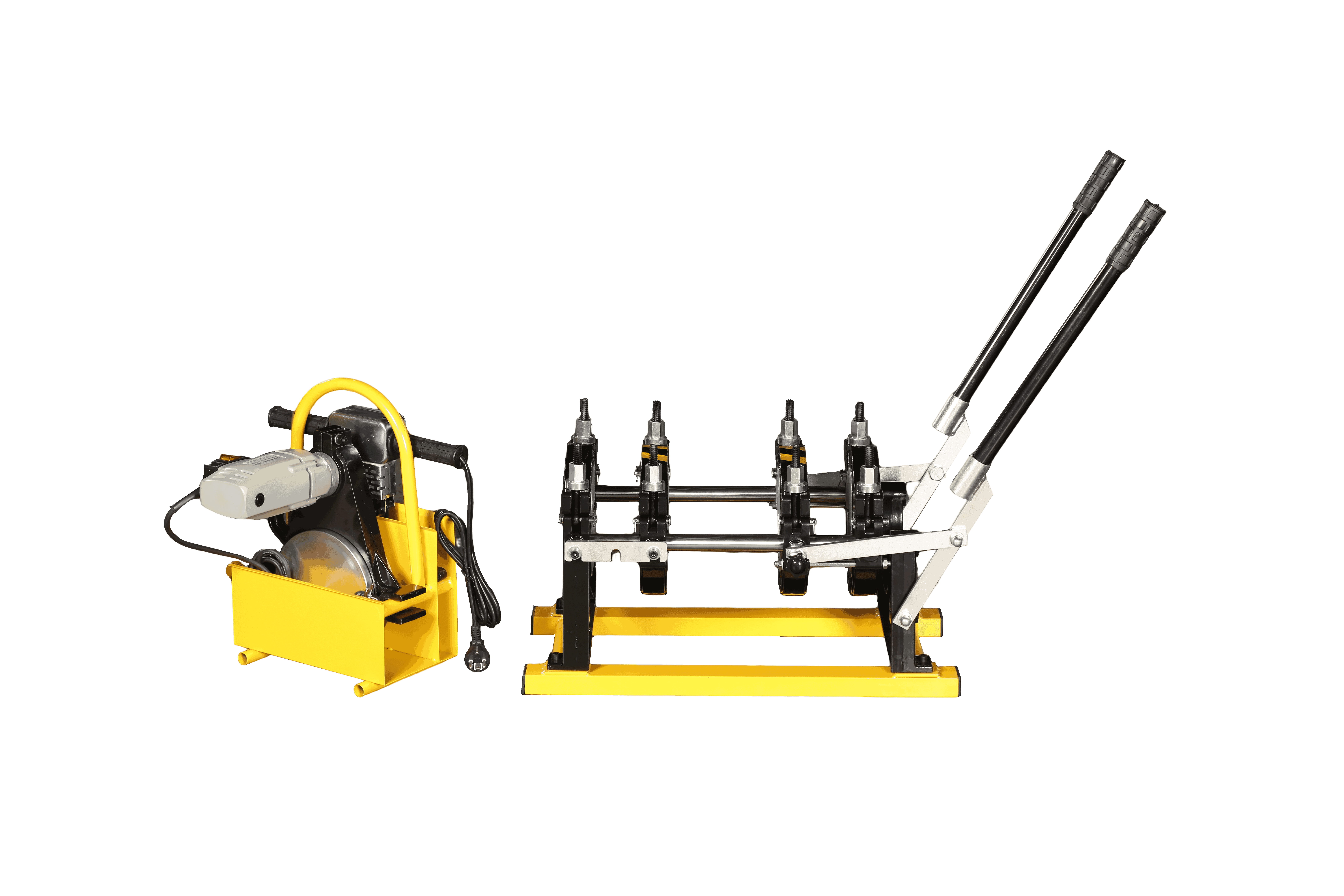
An HDPE pipe fusion machine manufacturer specializes in producing advanced equipment designed to join high-density polyethylene pipes through heat fusion processes. These manufacturers create sophisticated welding systems that enable permanent, leak-proof connections for water supply networks, gas distribution systems, industrial pipelines, and agricultural irrigation infrastructure. The primary function of equipment from an HDPE pipe fusion machine manufacturer centers on creating molecular bonds between pipe segments by heating the joining surfaces to precise temperatures and applying controlled pressure. Modern fusion machines incorporate multiple welding methods including butt fusion, electrofusion, socket fusion, and sidewall fusion to accommodate various pipe diameters and project requirements. Leading manufacturers integrate digital control systems that monitor temperature, pressure, and timing parameters throughout the fusion cycle, ensuring consistent joint quality that meets international standards such as ISO, DVS, and ASTM specifications. The technological features offered by a reputable HDPE pipe fusion machine manufacturer include automated alignment systems that position pipes with precision, hydraulic pressure controls that maintain consistent force during the fusion process, and heating plate technology with non-stick coatings that prevent material contamination. Advanced models feature data logging capabilities that record welding parameters for quality assurance documentation and traceability requirements. Applications for equipment from an HDPE pipe fusion machine manufacturer span municipal water distribution projects where reliable connections prevent water loss, natural gas transmission networks requiring absolute joint integrity, mining operations demanding durable slurry transport systems, and geothermal installations needing connections that withstand thermal cycling. The versatility of machines from quality manufacturers allows contractors to work with pipe diameters ranging from small residential lines to large-diameter mains exceeding 1600mm. Manufacturers continuously innovate by incorporating lightweight materials for portable machines, developing battery-powered units for remote locations without electricity access, and creating modular systems that adapt to various project scales and working conditions.

 EN
EN