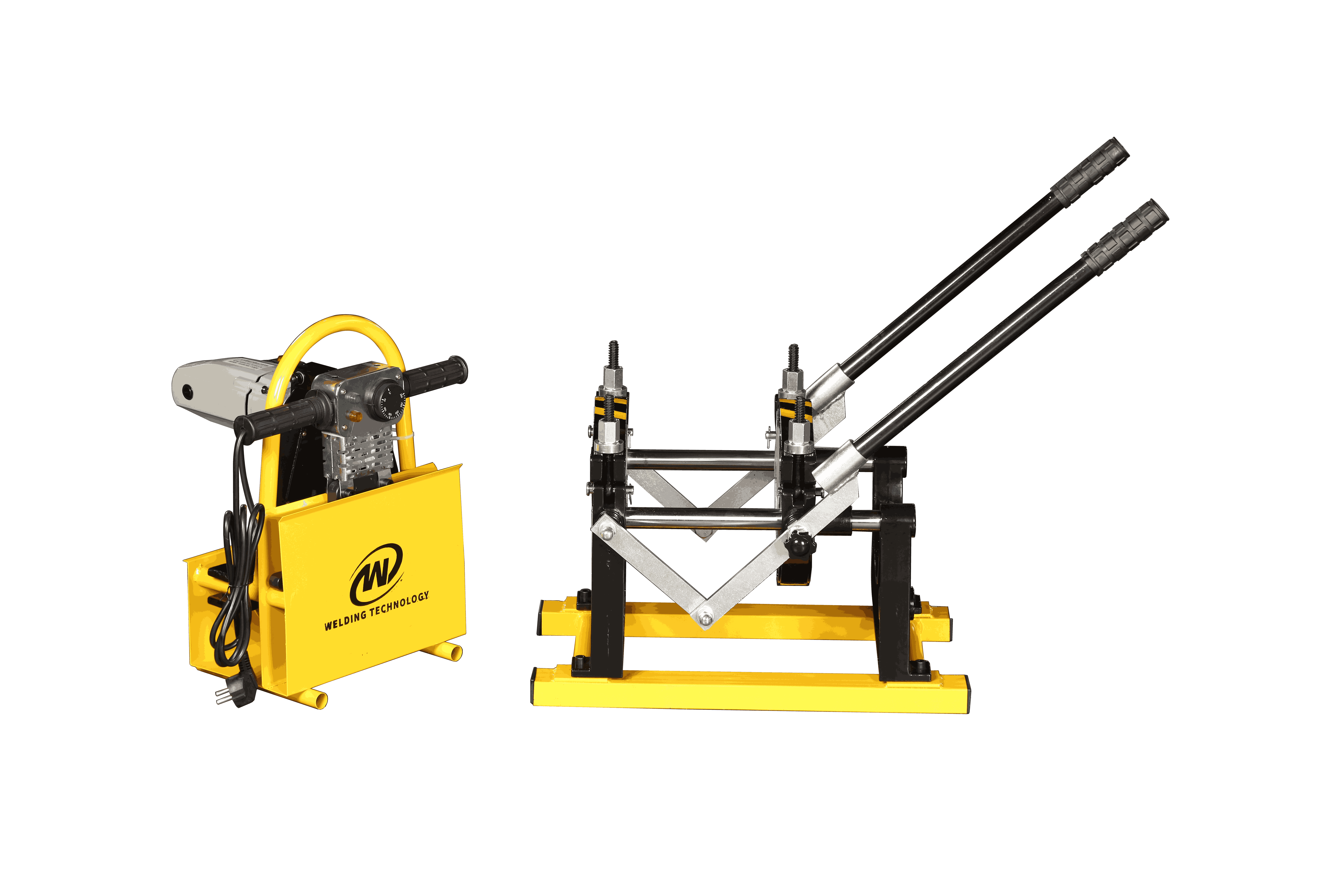
Portable Design and Robust Construction Enable Reliable Field Performance
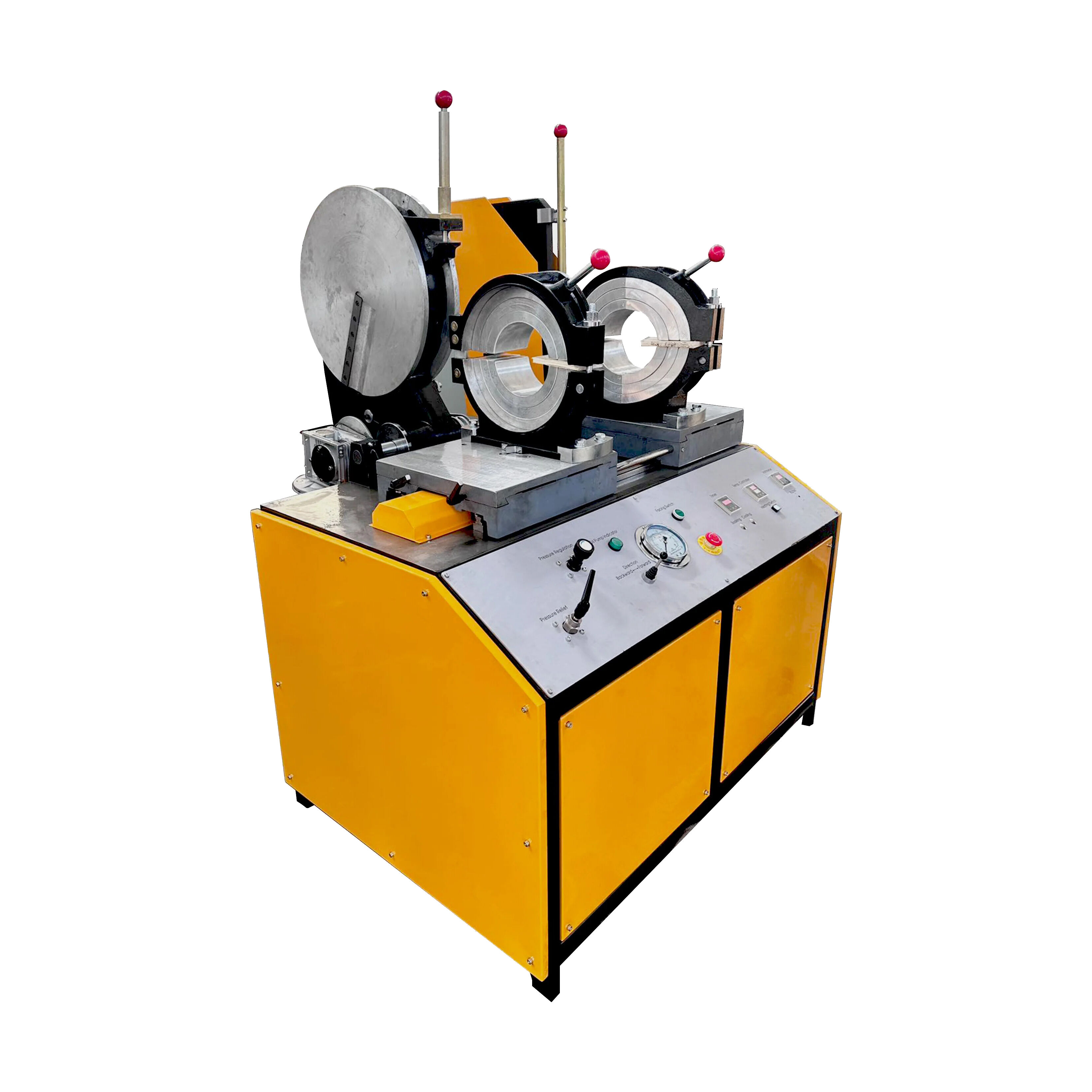
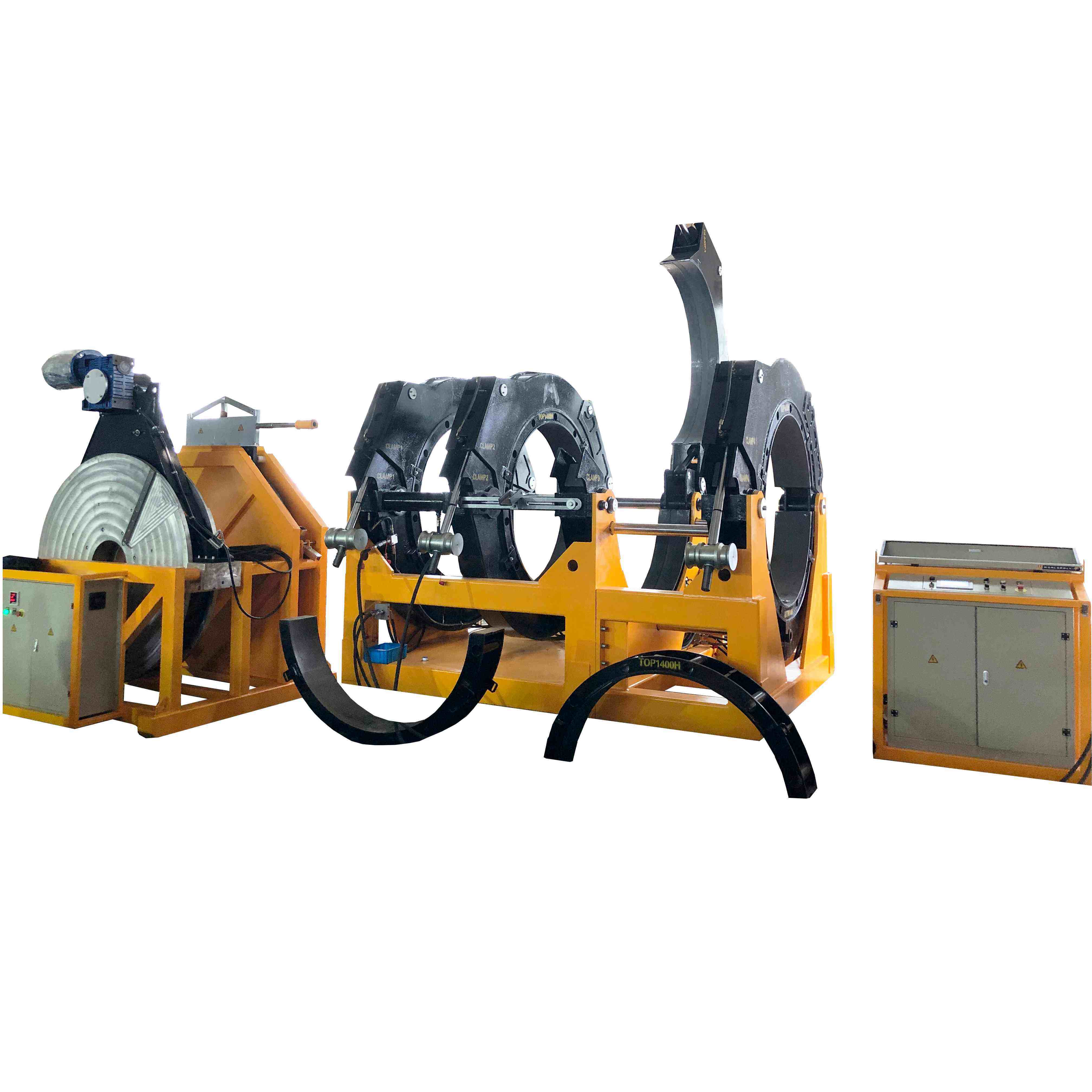
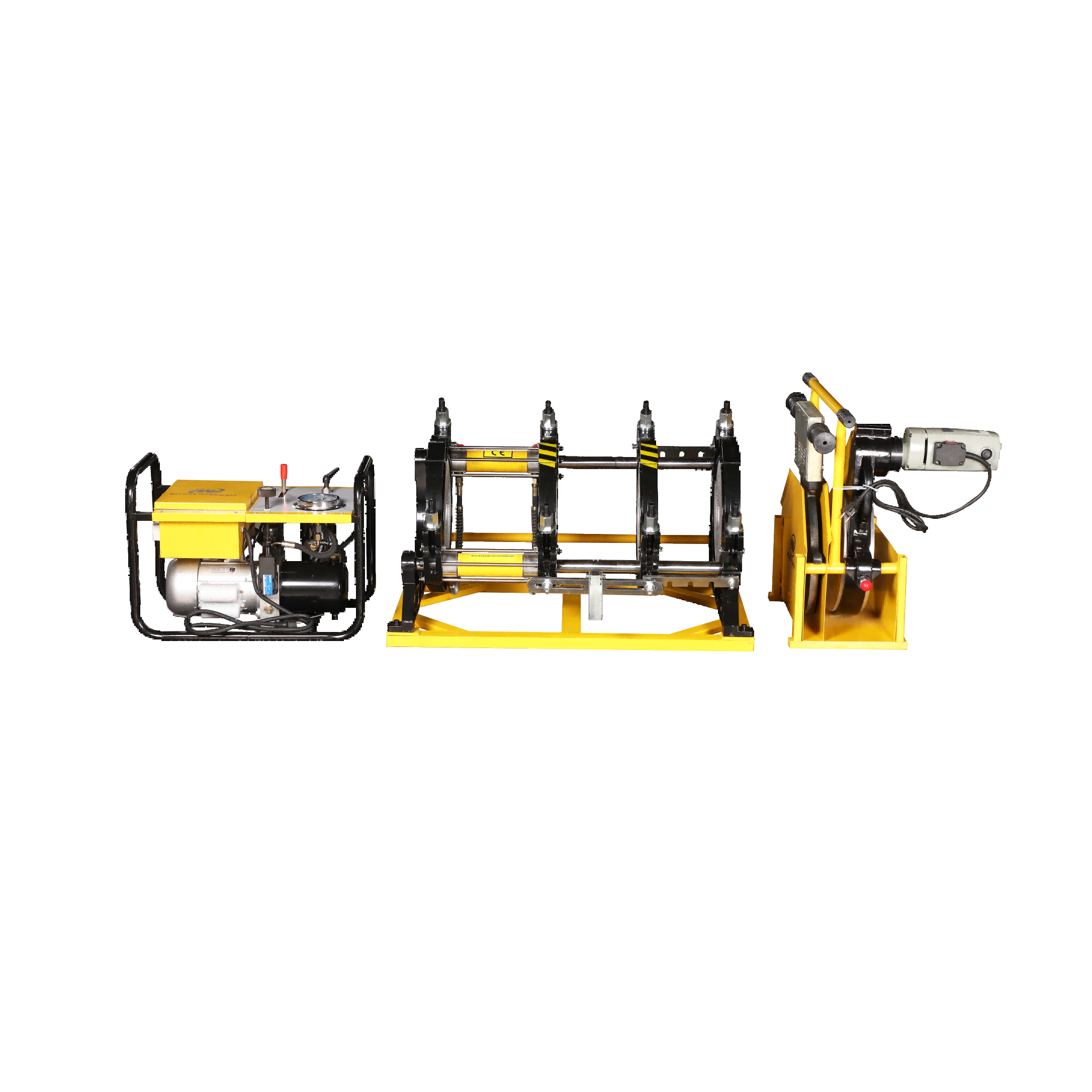
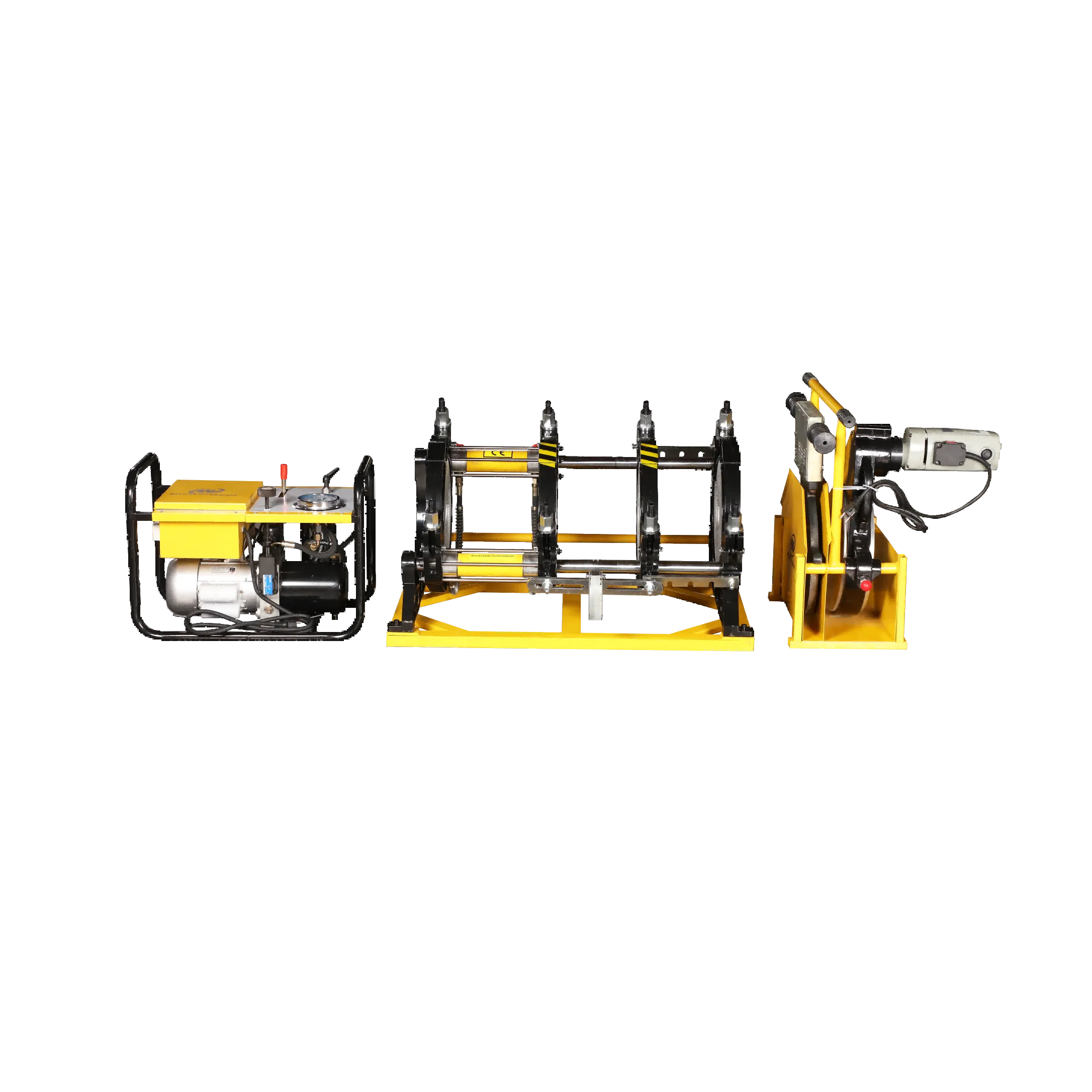
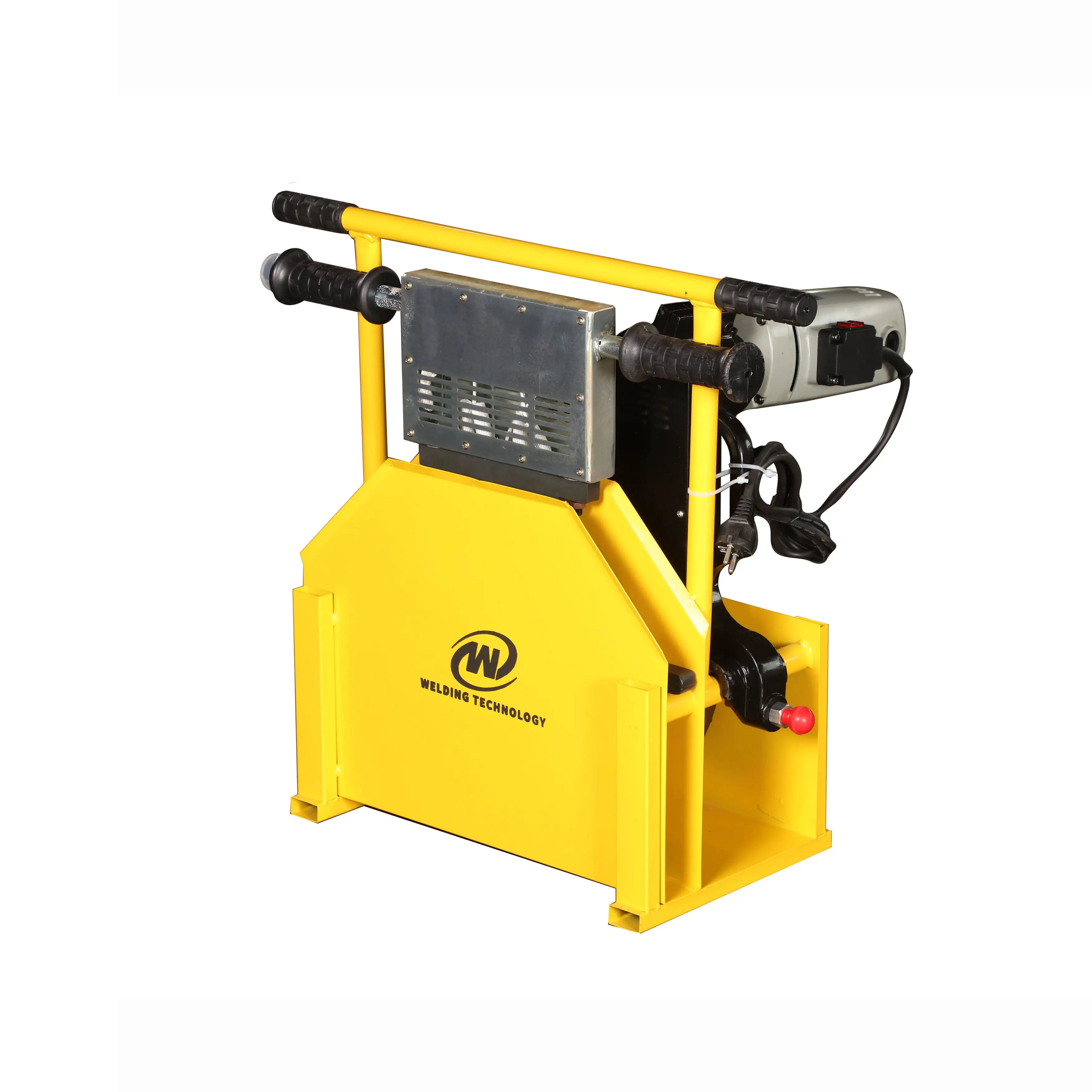
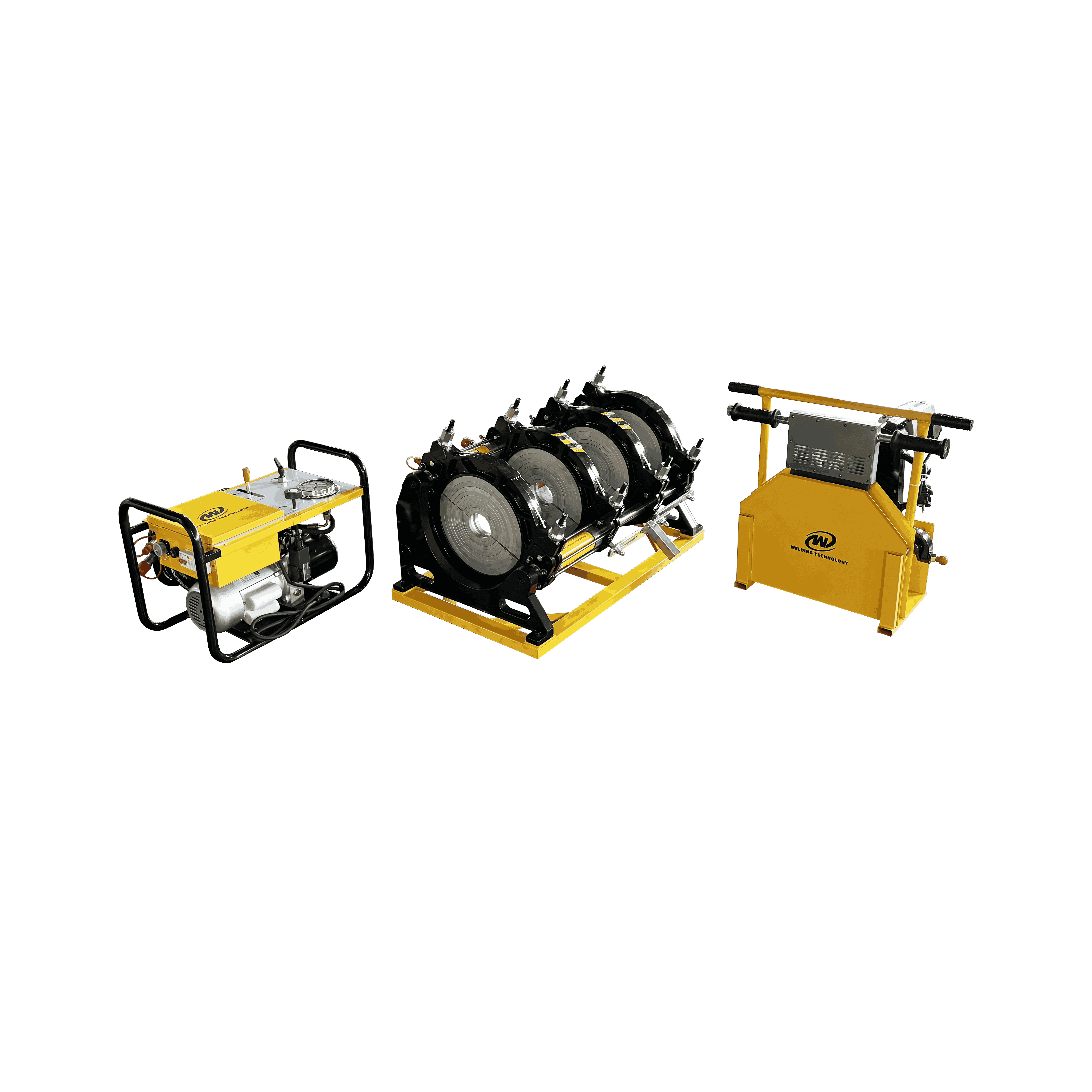
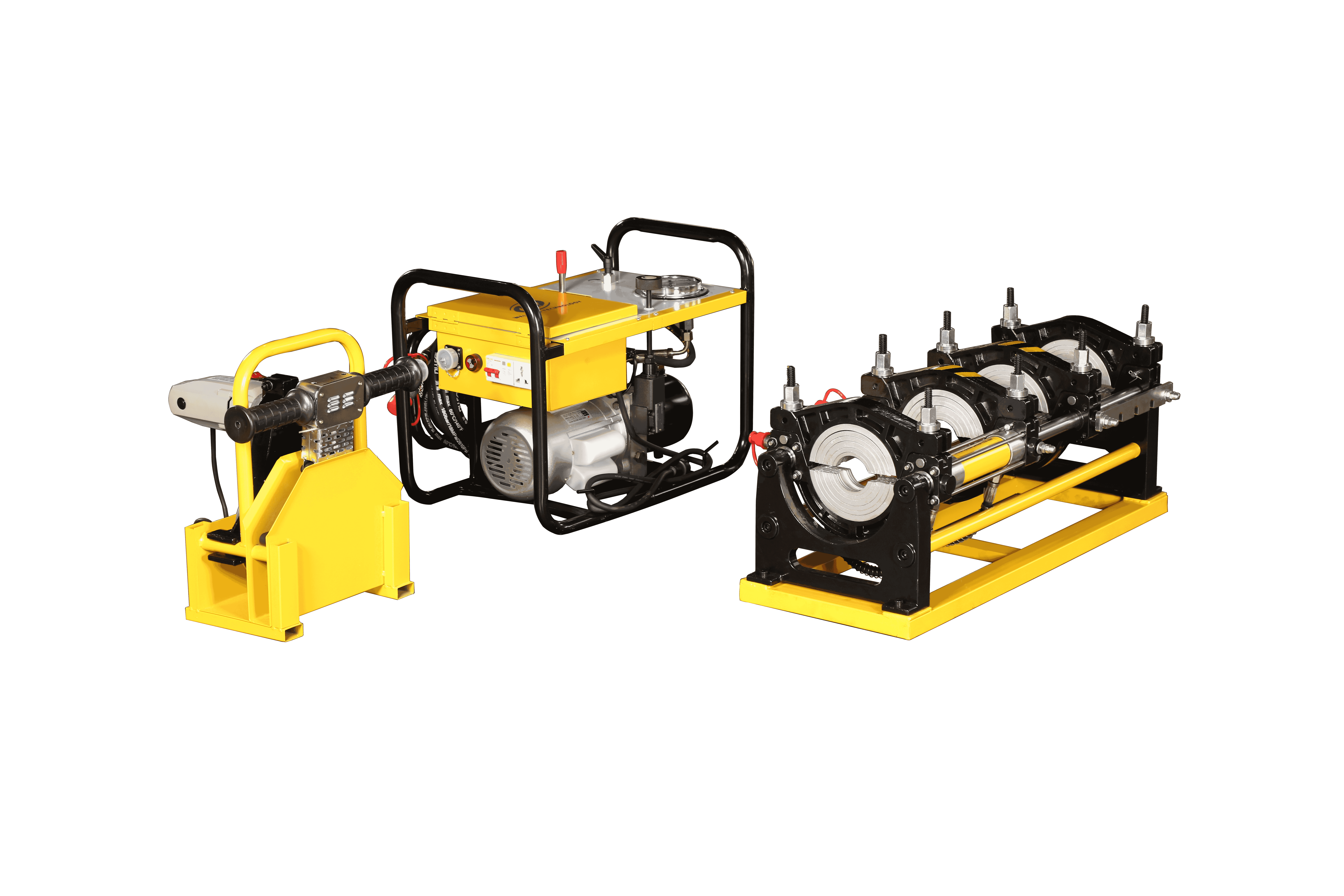
The engineering philosophy behind contemporary polyethylene pipe welding machines emphasizes rugged portability that allows reliable operation in demanding field conditions where infrastructure installation actually occurs, moving beyond workshop-only designs that limit practical application. Manufacturers construct these machines using high-grade steel frames with corrosion-resistant coatings that withstand exposure to mud, water, and chemical environments encountered on construction sites, ensuring equipment longevity even when subjected to harsh treatment during transportation and daily use. Strategic placement of lifting points and ergonomic handles facilitates movement around job sites, allowing two-person teams to reposition equipment quickly as work progresses along pipeline routes, eliminating delays associated with requesting heavy equipment assistance for machine relocation. Compact dimensions enable transport in standard work vehicles without requiring specialized trailers or logistics arrangements, giving contractors the flexibility to deploy welding capabilities wherever projects demand without the expense and complexity of moving large stationary equipment. Integrated protection covers shield critical components like heating elements and hydraulic valves from impact damage during transport and storage, while sealed electrical enclosures prevent moisture ingress that could cause malfunctions or safety hazards, design features that prove essential when equipment must perform reliably despite rough handling and adverse environmental exposure. The machines operate effectively across wide temperature ranges from cold weather conditions approaching freezing to hot summer environments exceeding 40 degrees Celsius, with internal systems that compensate for ambient temperature effects on welding parameters, ensuring consistent joint quality regardless of seasonal variations or geographic location. Power supply flexibility allows operation from standard electrical outlets, portable generators, or even vehicle-mounted inverters in remote locations where grid power remains unavailable, eliminating infrastructure dependencies that could delay critical repair work or emergency installations. Robust wheel assemblies with puncture-resistant tires enable movement across uneven terrain, muddy conditions, and construction debris that characterize active job sites, while adjustable stabilizing legs provide firm, level positioning on slopes and irregular surfaces where welding must occur. The construction incorporates modular components that can be replaced quickly in the field using common tools, minimizing downtime when wear items like heating element coatings or hydraulic seals require replacement, an approach that recognizes equipment must remain productive rather than spending extended periods awaiting shop repairs. Weather-resistant control panels with sealed buttons and protected displays function reliably despite rain, dust, and temperature extremes, maintaining operational capability when other electronic equipment would fail, demonstrating the thoughtful design that separates professional-grade welding machines from consumer-level tools inadequate for commercial applications.

 EN
EN