Superior Joint Integrity Through Molecular Fusion Technology
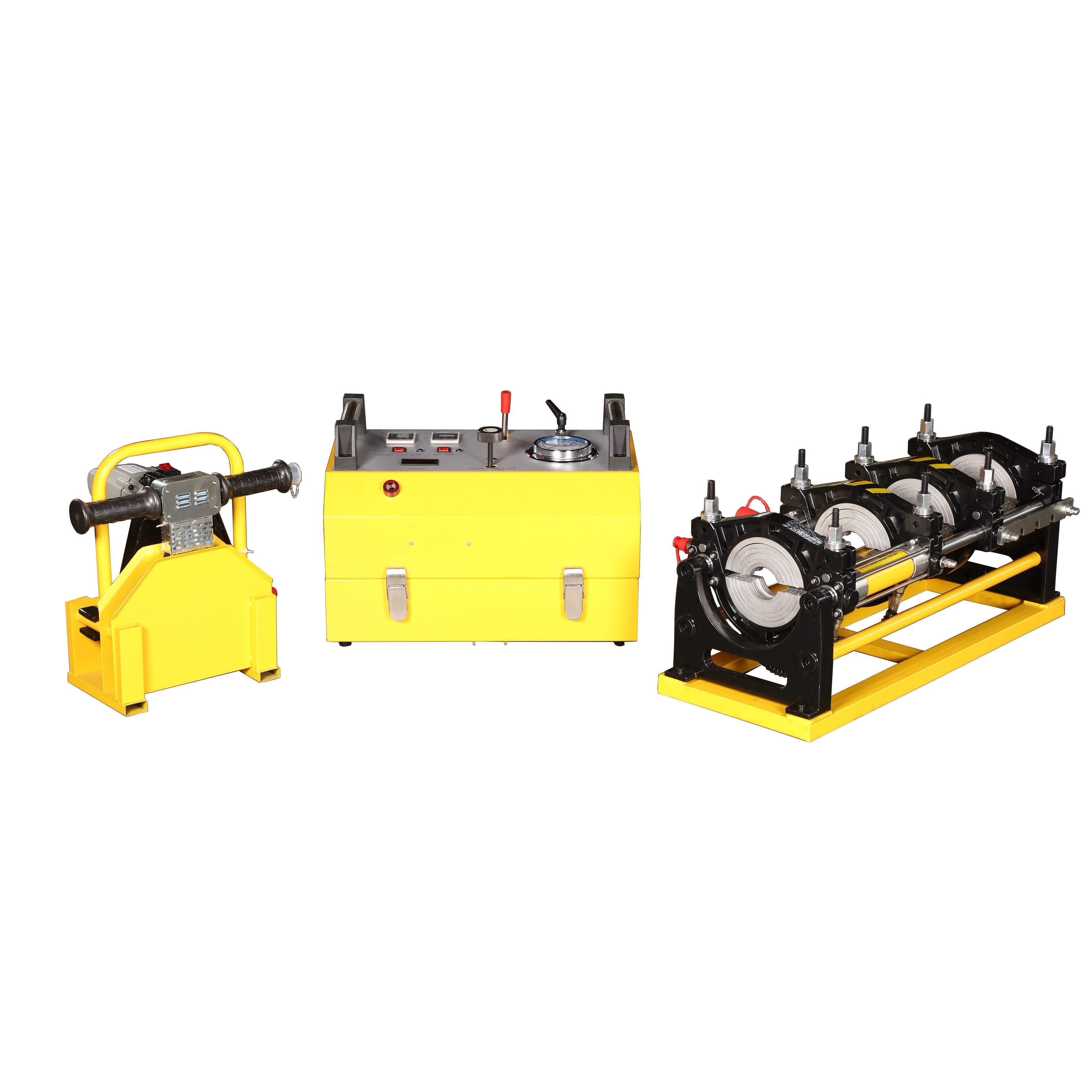
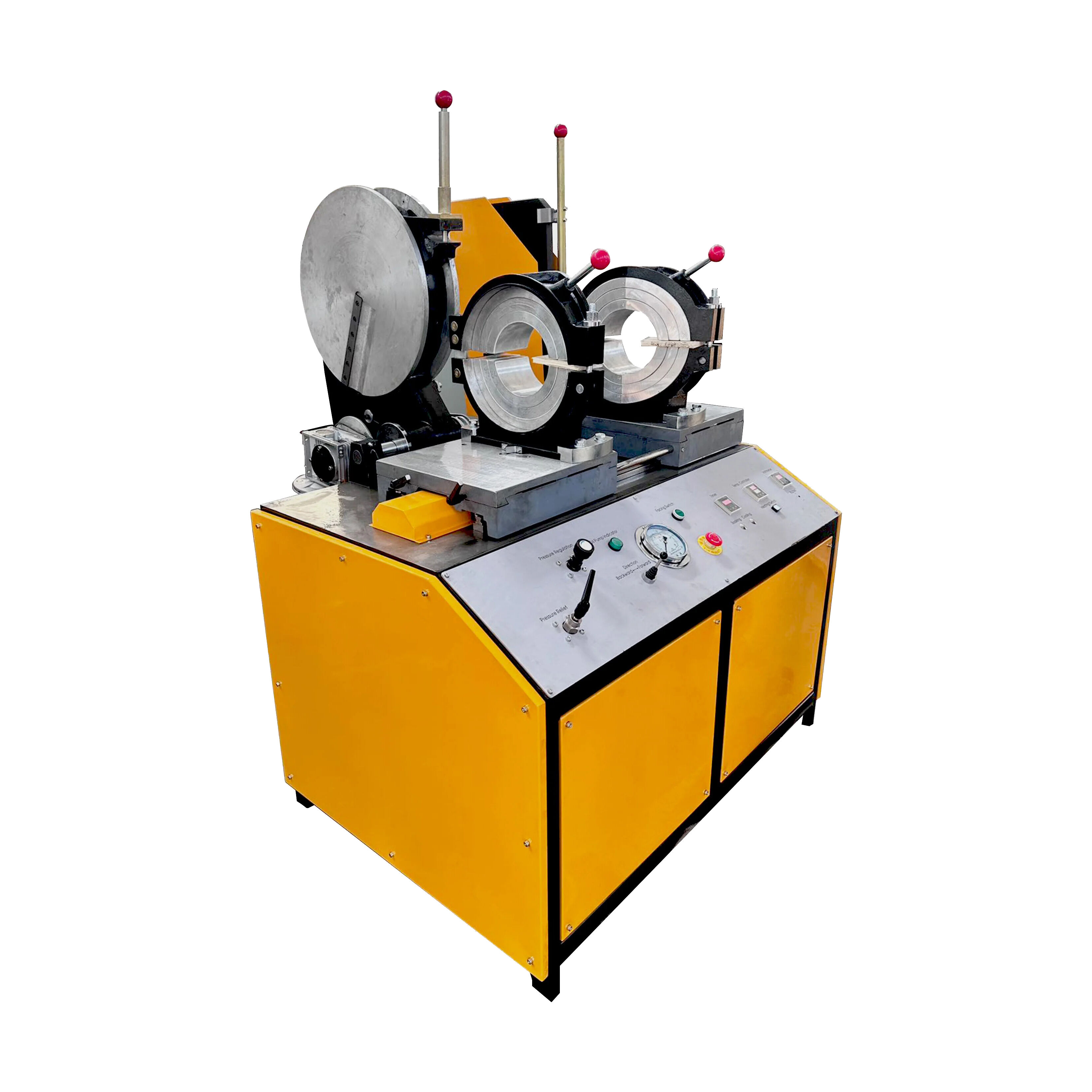
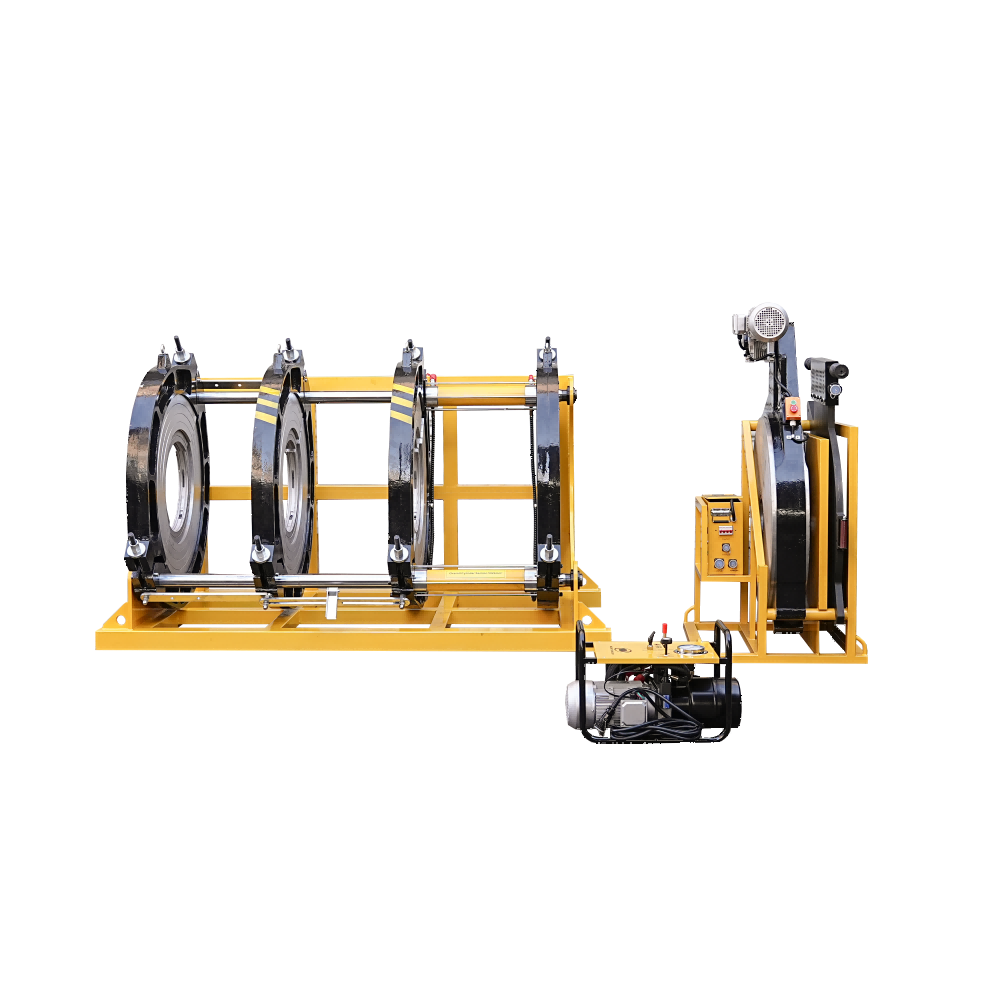
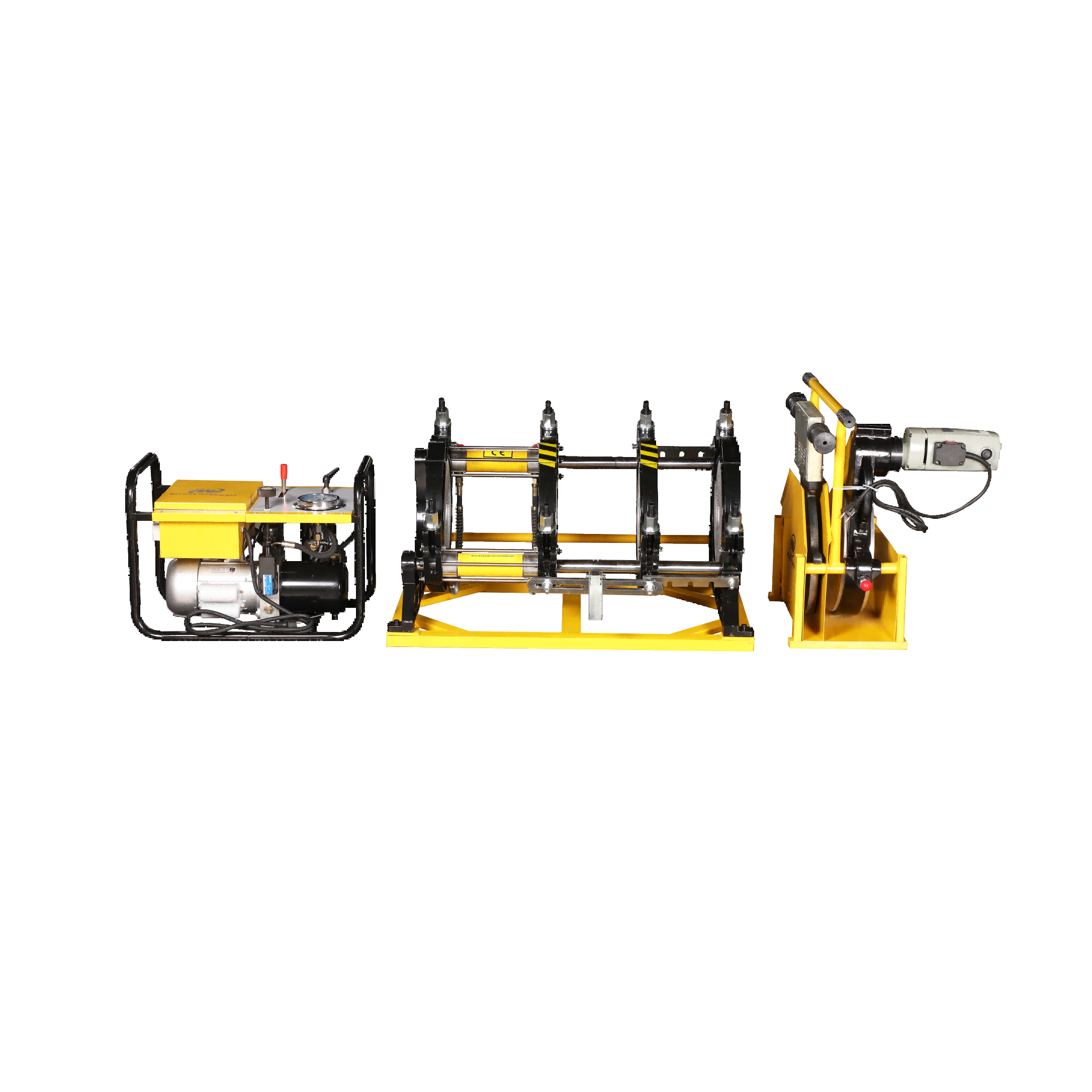
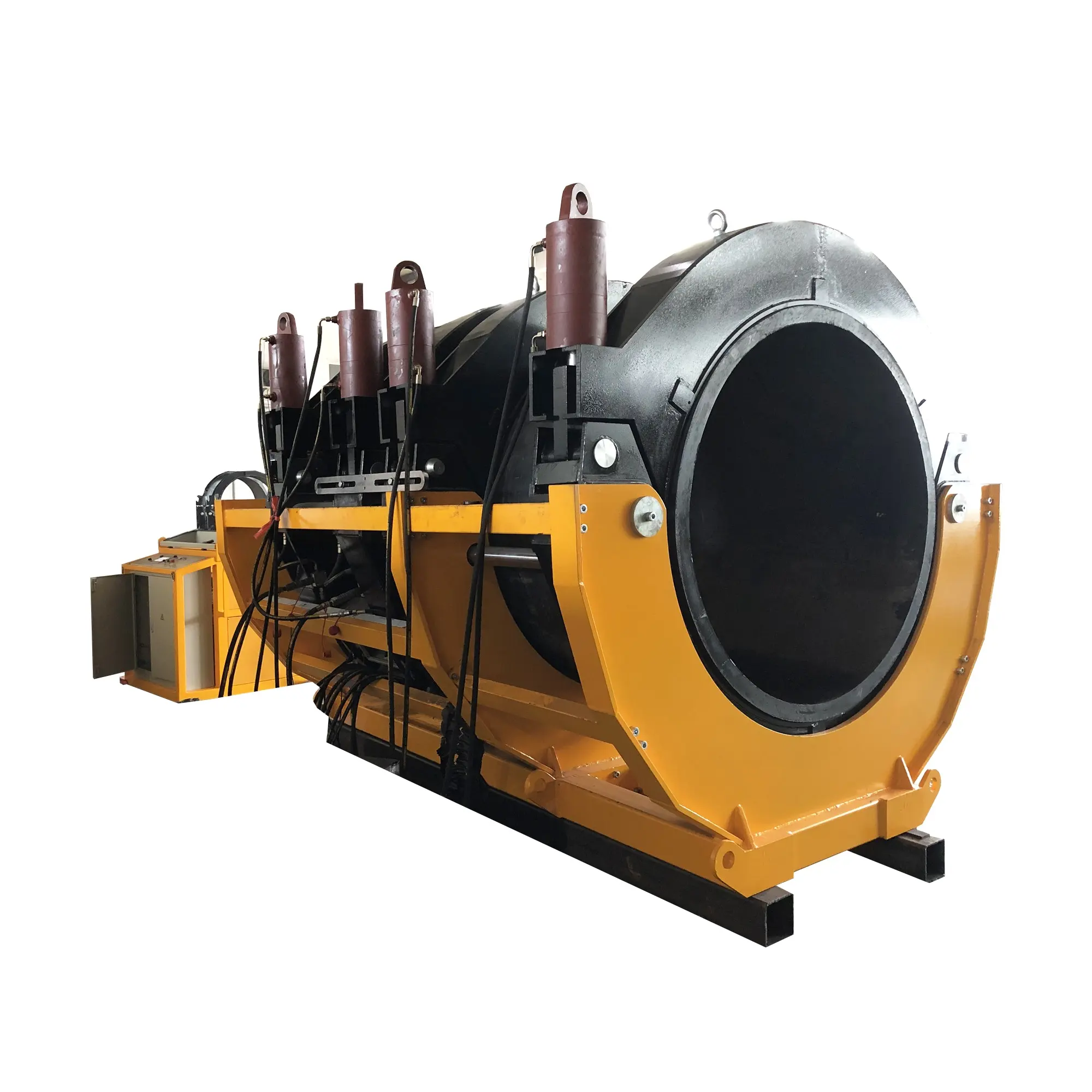
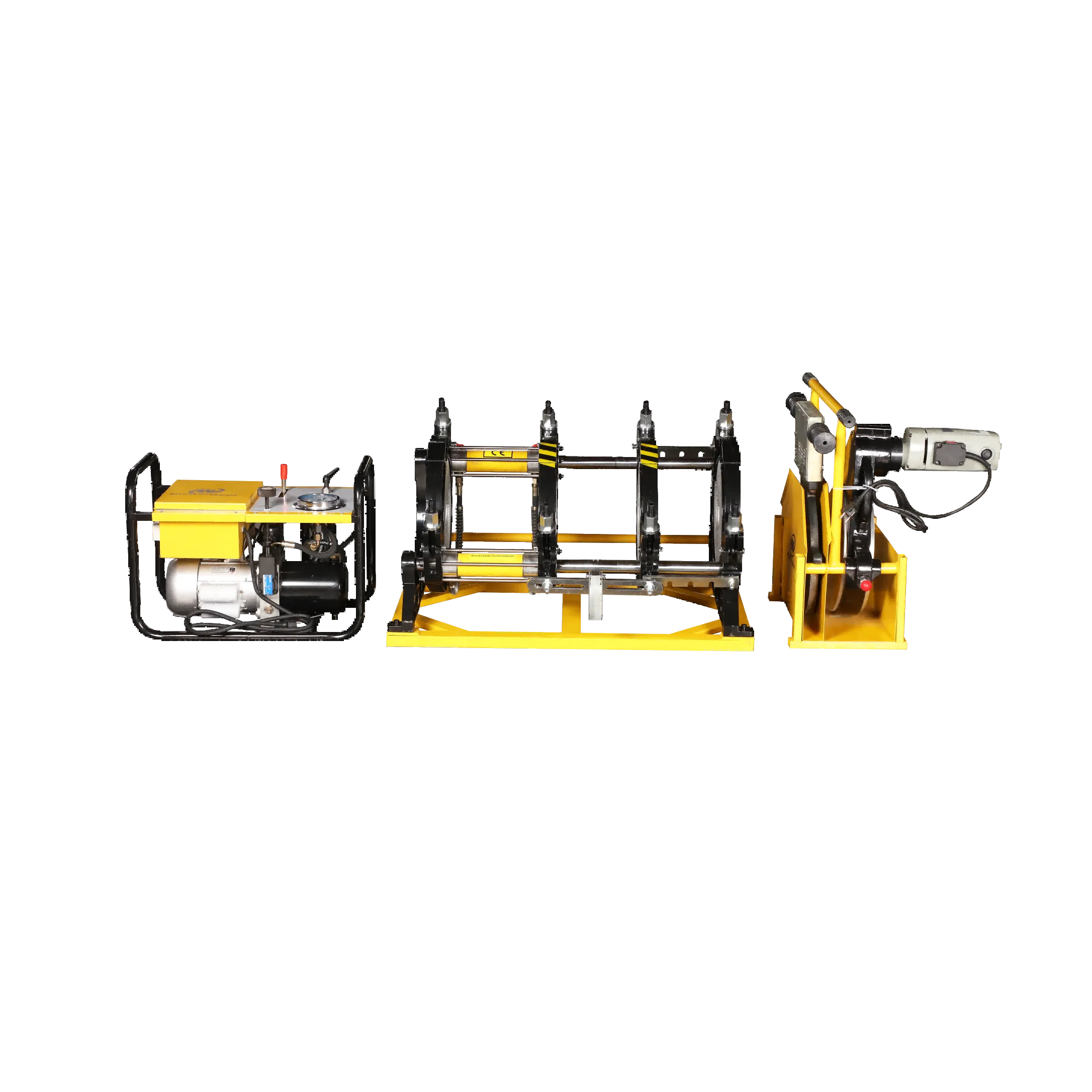
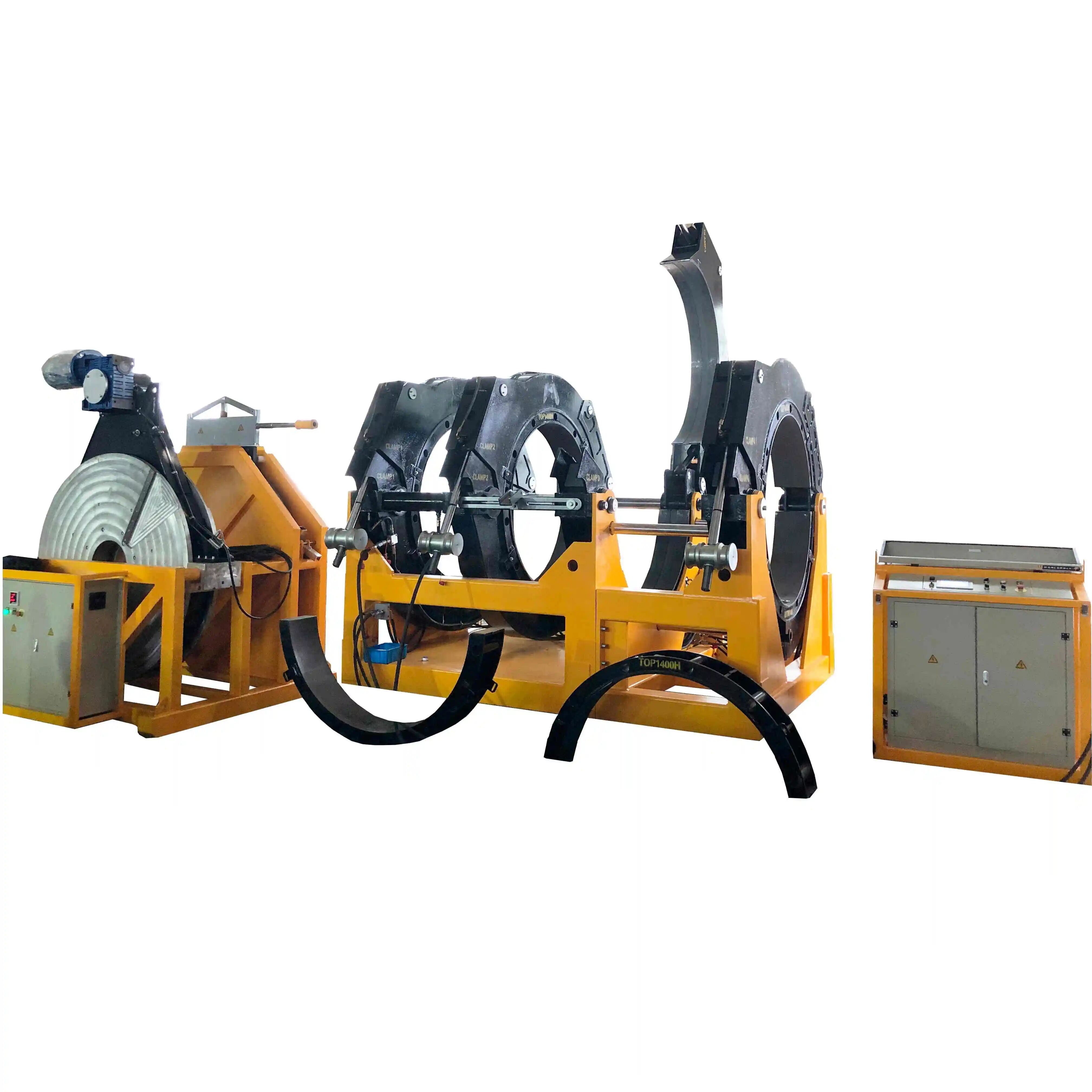
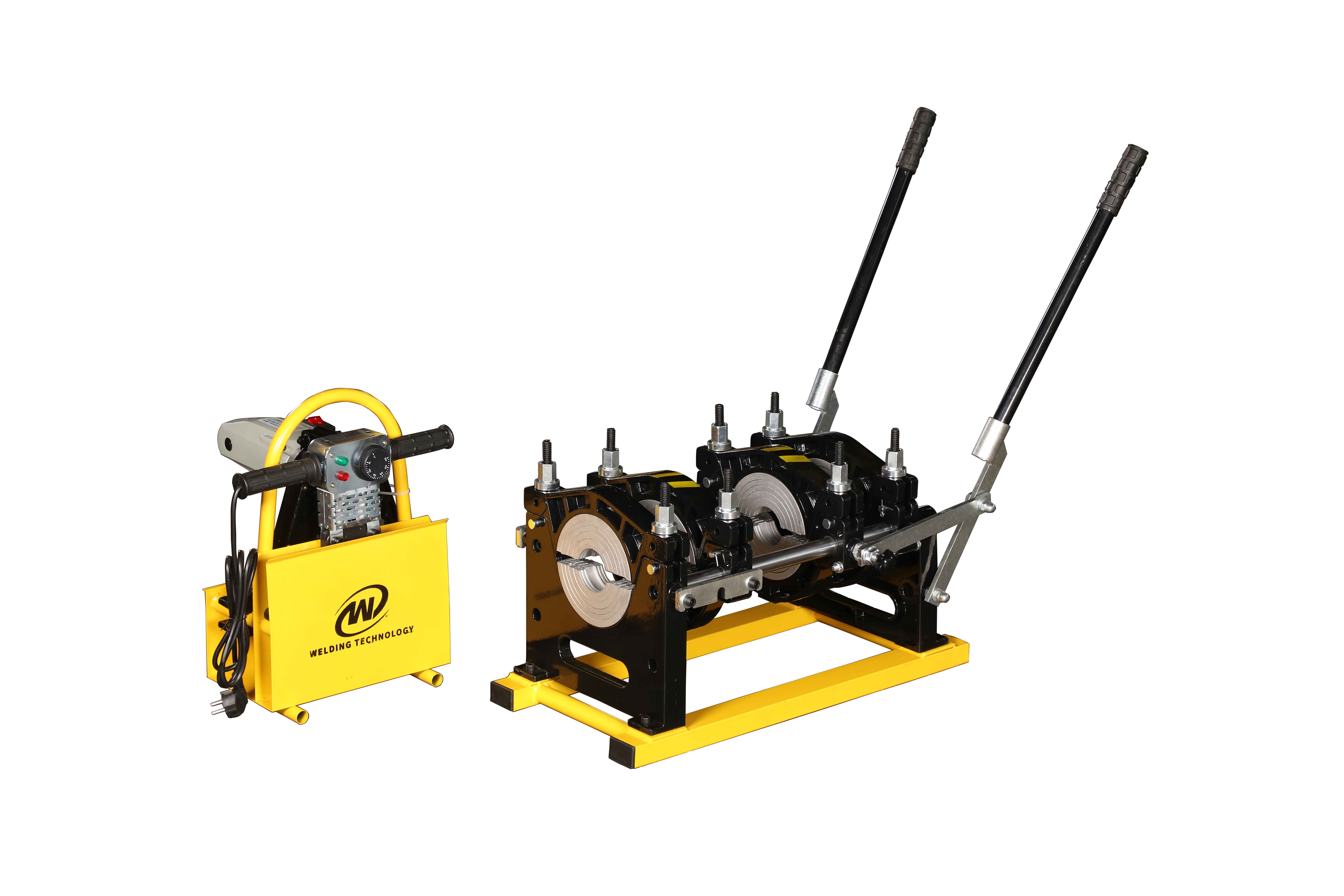
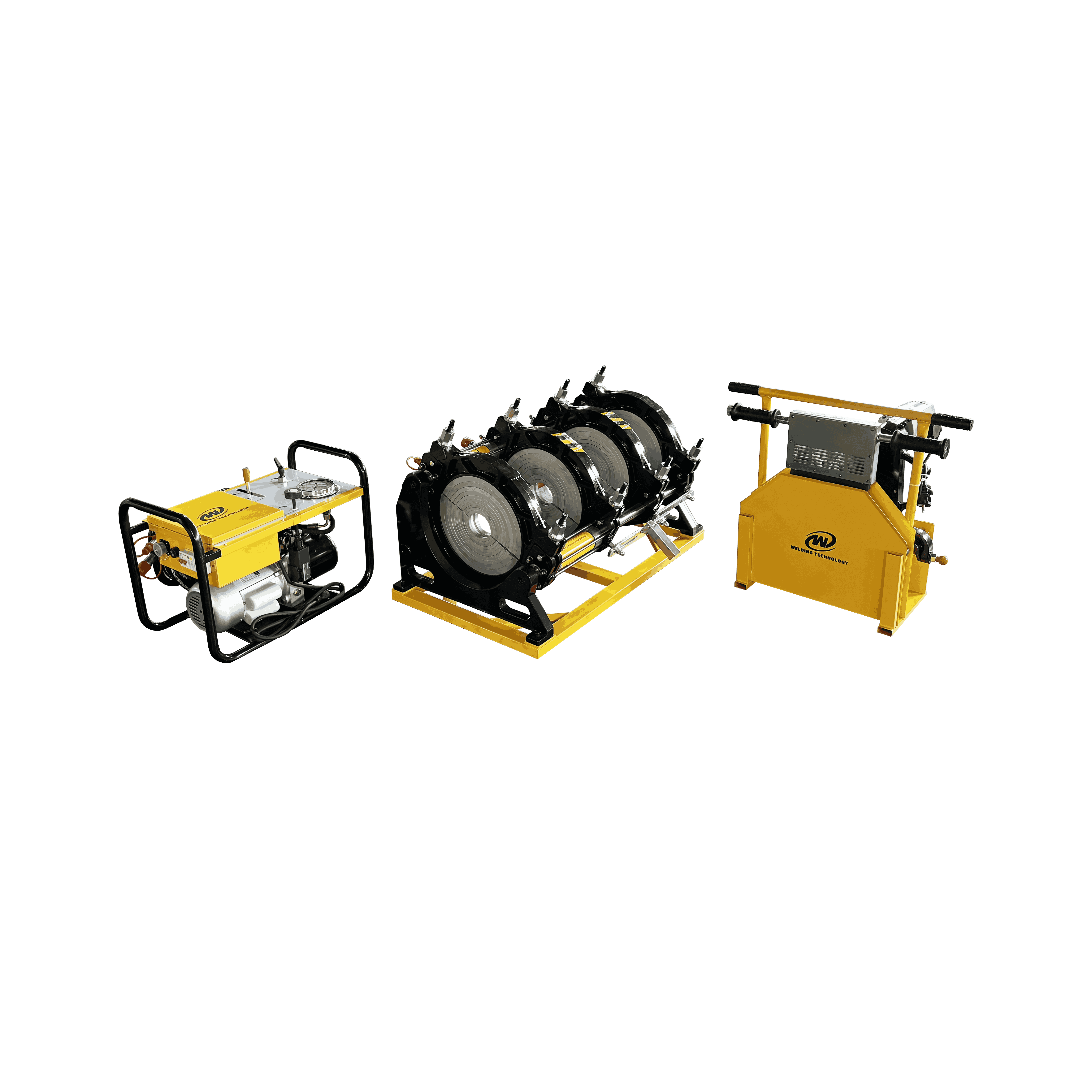
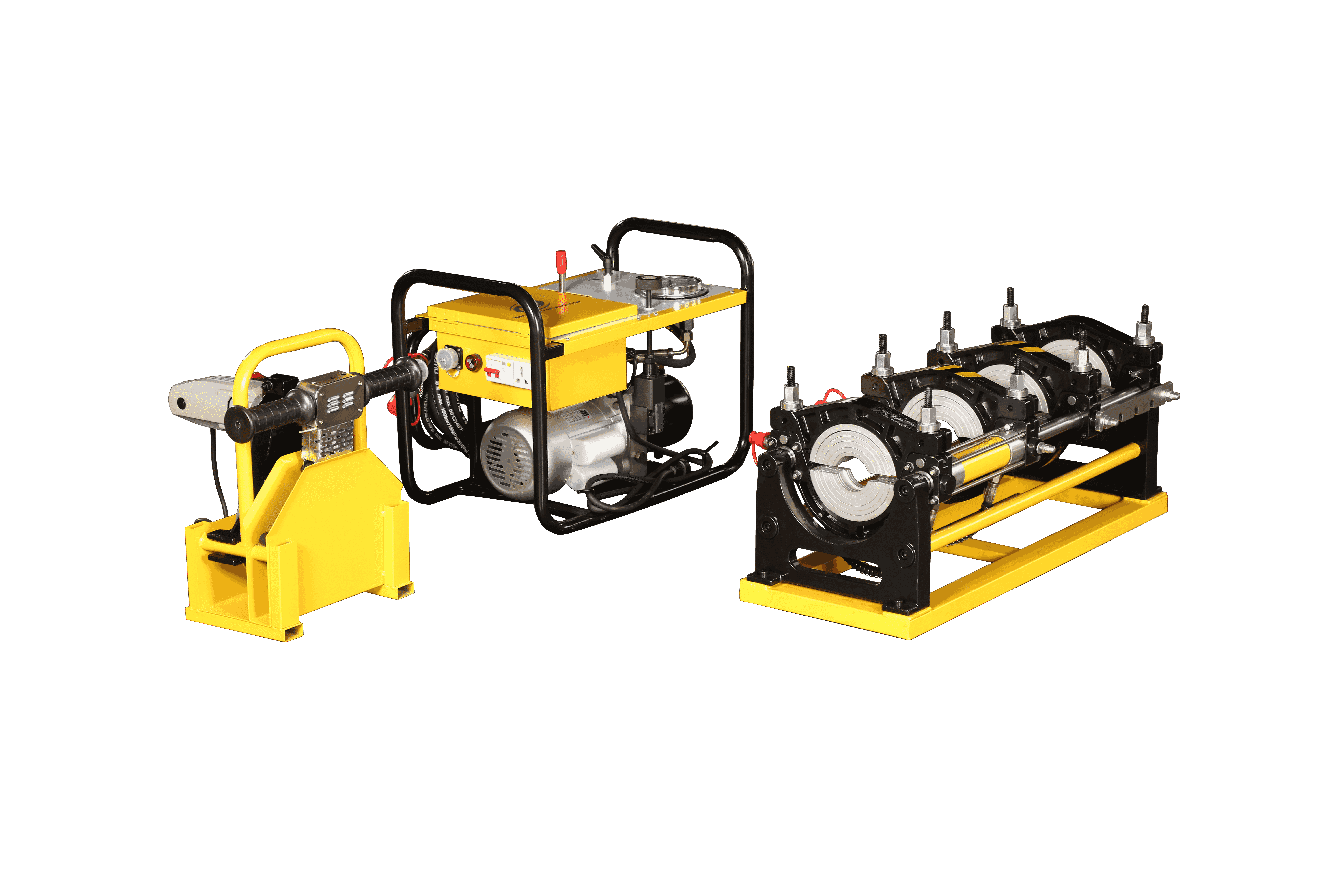
The polypropylene pipe welding machine creates connections through a sophisticated molecular fusion process that fundamentally differs from mechanical or chemical joining methods. When the machine heats pipe ends to the precise melting temperature of polypropylene material, the polymer chains at each surface become mobile and receptive to intermixing. As the heated ends press together under controlled pressure, these polymer chains interweave and entangle at the molecular level, creating bonds indistinguishable from the original pipe structure. This fusion technology produces joints without distinct interfaces or weak transition zones that characterize threaded connections, glued joints, or mechanical couplings. The resulting bond possesses identical chemical composition, material properties, and structural characteristics as the surrounding pipe sections. This uniformity means the welded joint exhibits the same resistance to internal pressure, external stress, chemical exposure, and temperature fluctuations as any other section of the pipeline system. Testing consistently demonstrates that properly executed fusion welds withstand pressures exceeding the burst strength of unwelded pipe, proving that connections actually represent the strongest portions of installed systems rather than vulnerable failure points. This exceptional joint integrity translates directly into enhanced system reliability, reduced leak incidents, and decreased maintenance requirements throughout the operational lifespan. Building managers, facility operators, and property owners benefit from fewer emergency repairs, lower insurance claims, and extended replacement cycles. The molecular fusion approach also creates completely smooth interior surfaces across welded joints, preventing turbulence, deposit accumulation, or flow restriction that occurs at threaded connections or coupled joints. This hydraulic efficiency maintains optimal flow rates, reduces pumping energy requirements, and prevents bacterial growth in potable water applications. Furthermore, the homogeneous nature of fusion welds ensures consistent performance across temperature variations, eliminating differential expansion problems that cause failures in mechanically joined systems. The superior joint integrity achieved through molecular fusion technology represents a fundamental advantage that impacts every aspect of system performance, from initial installation through decades of service, providing exceptional value that compounds over time through reduced lifecycle costs and enhanced operational reliability.

 EN
EN