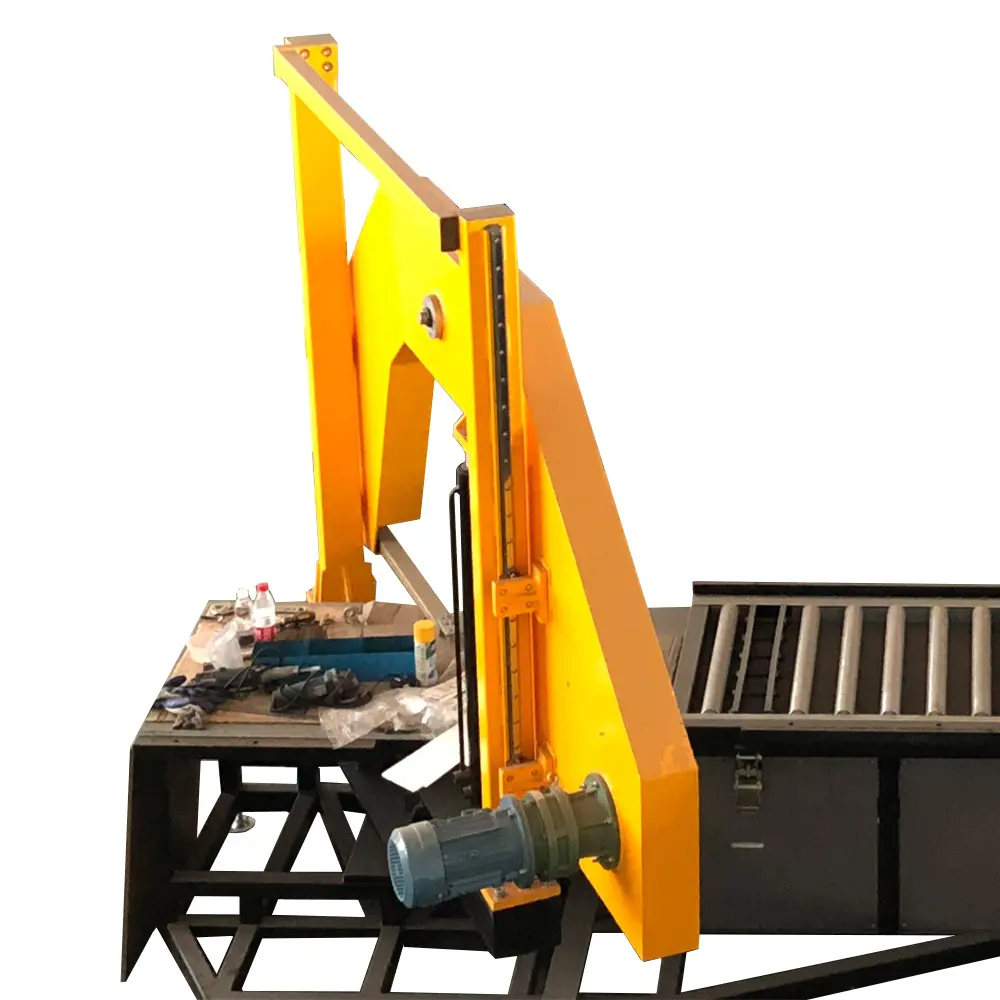
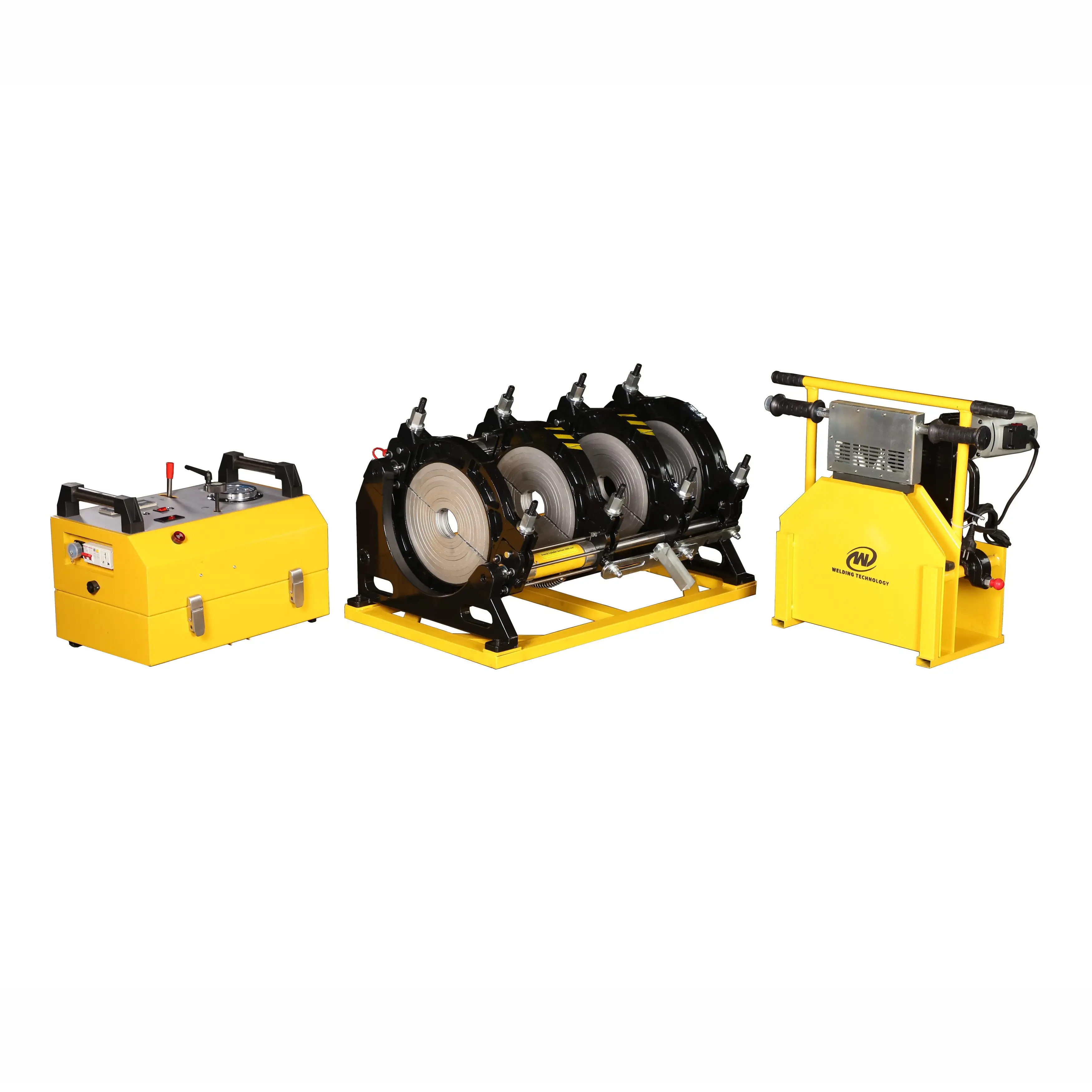
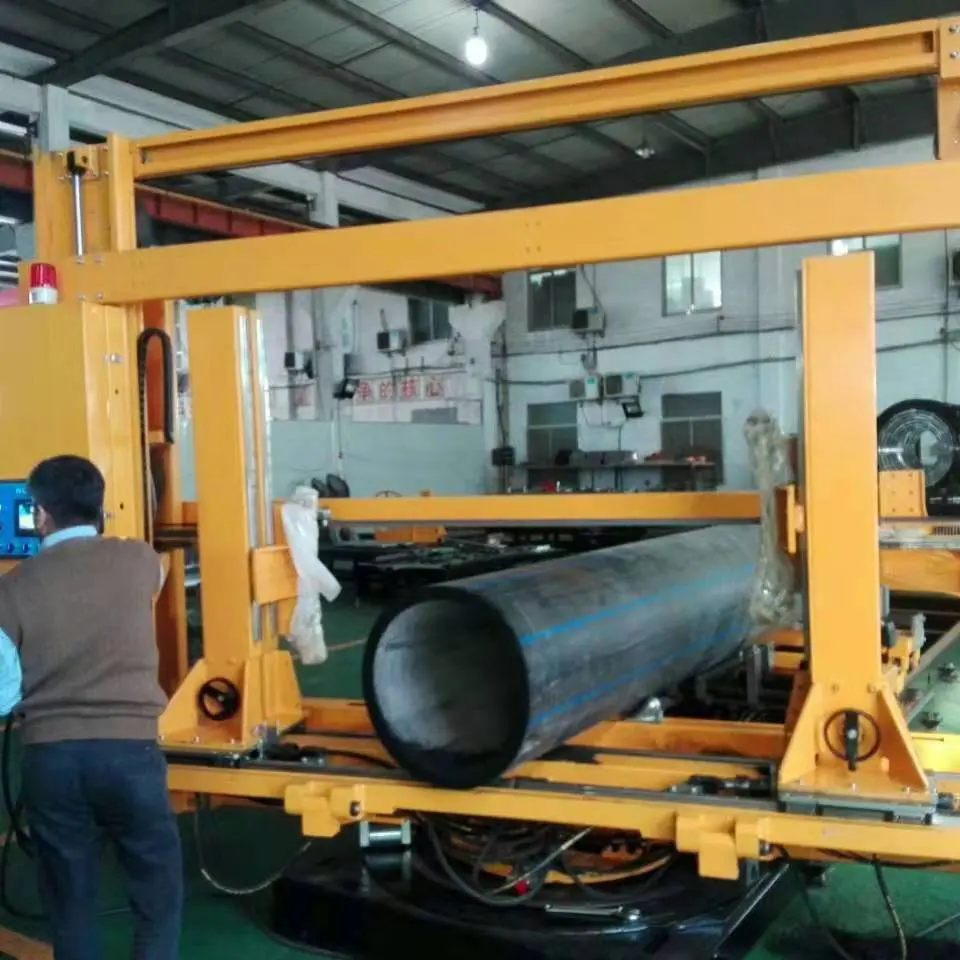
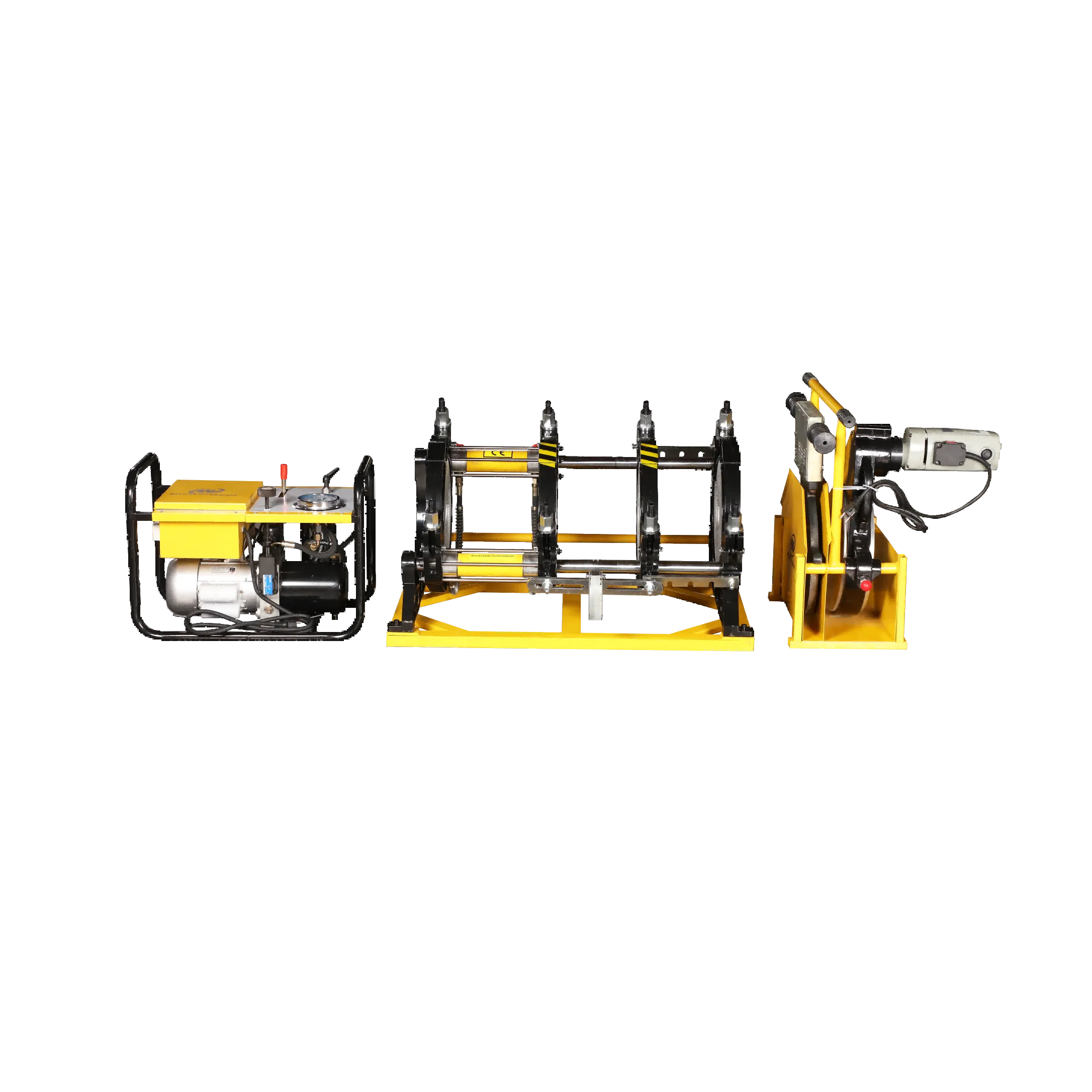
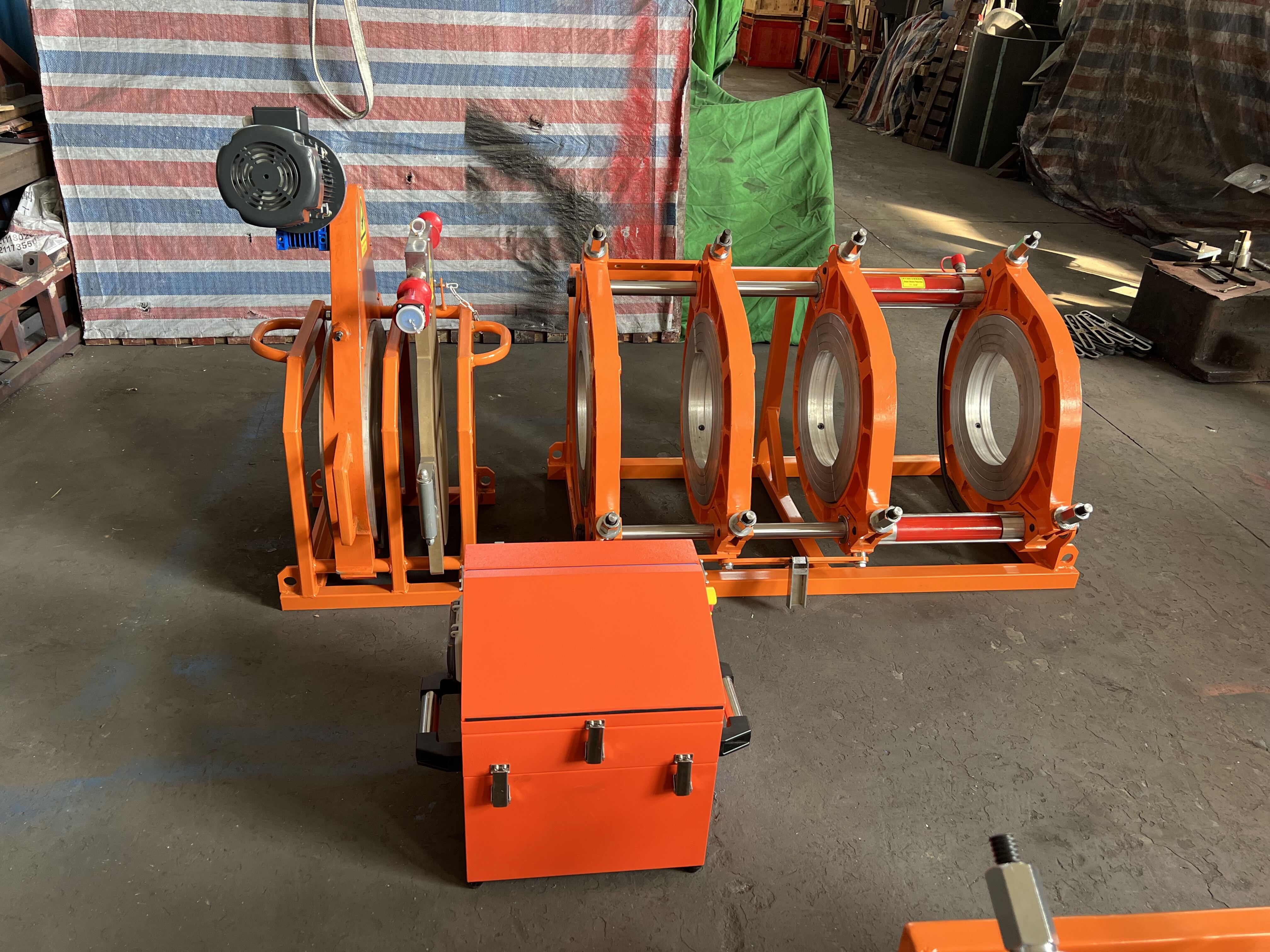
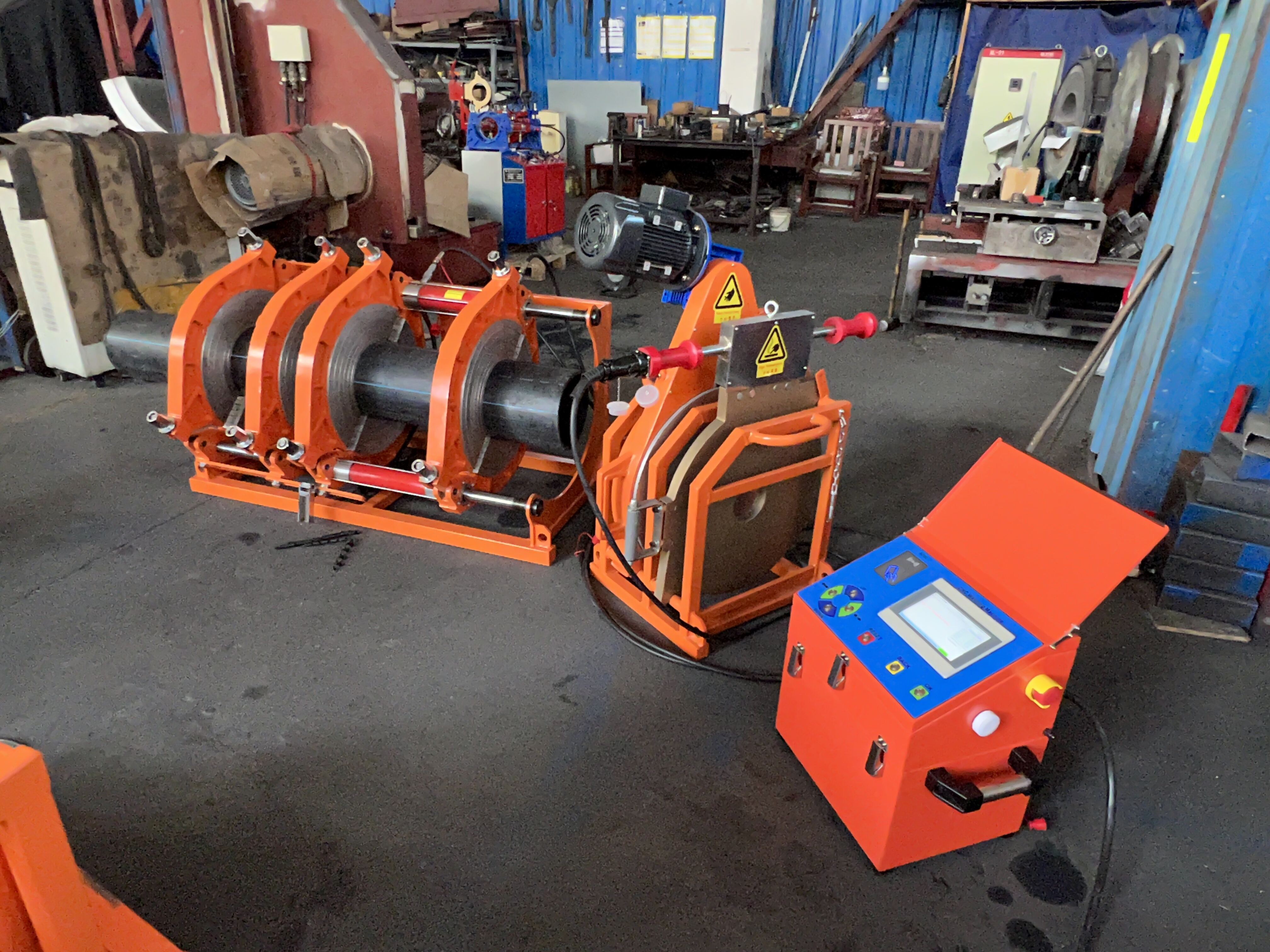
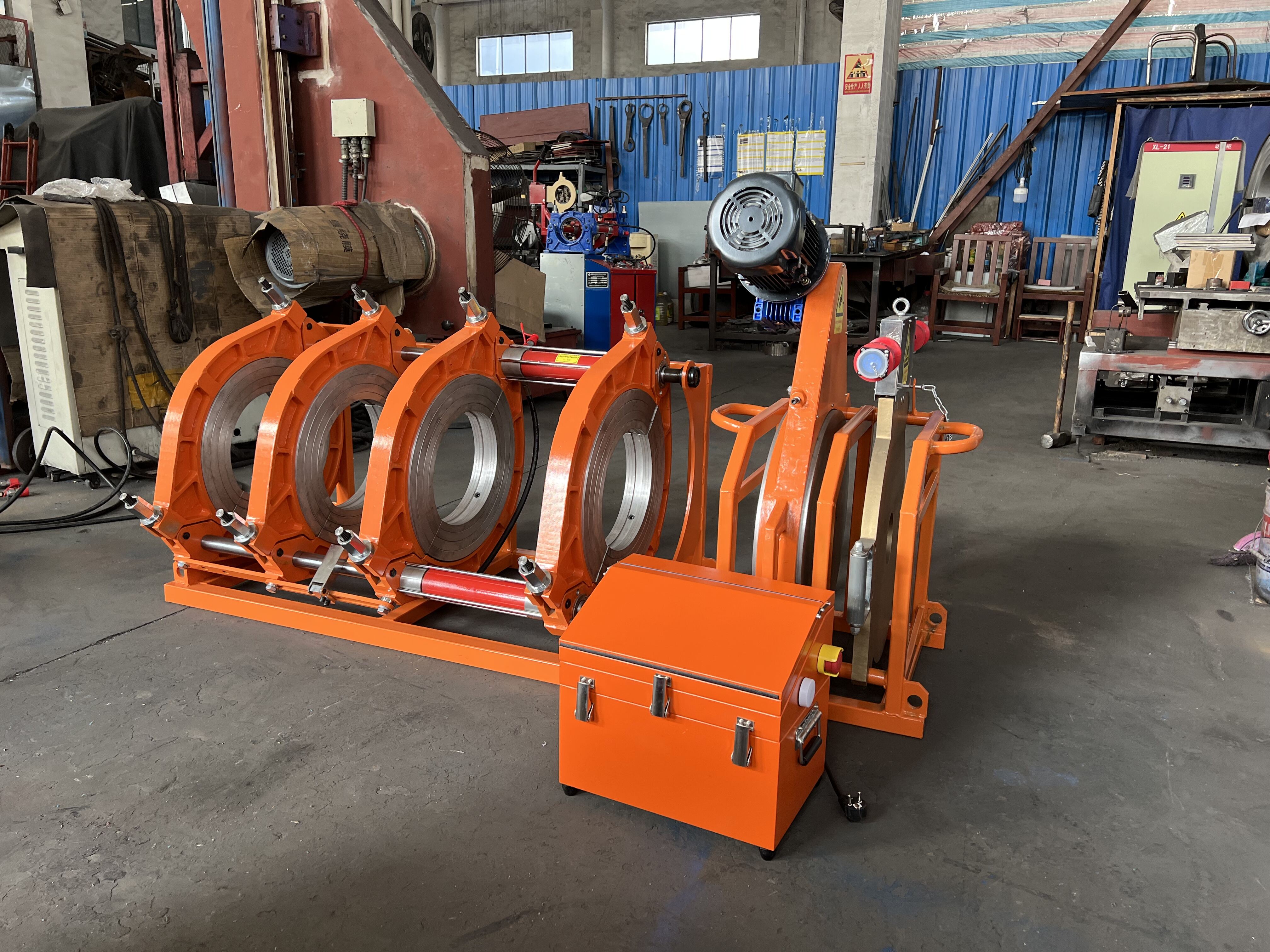
Advanced Automatic Pipe Welder - Precision Welding Solutions for Industrial Applications

Get a Free Quote

Our representative will contact you soon.
E-mail
Name
Mobile/WhatsApp
Company Name
Message
0/1000

automatic pipe welder

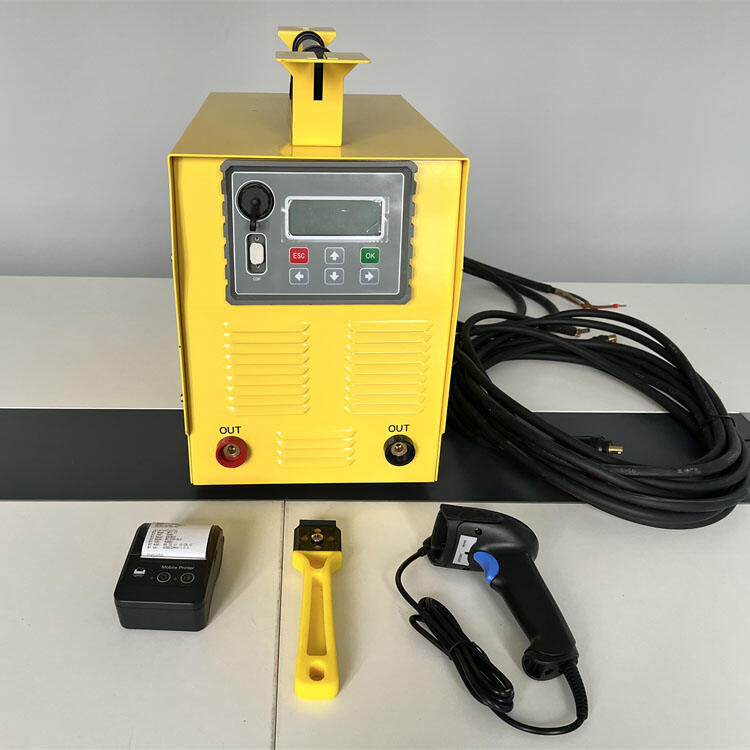
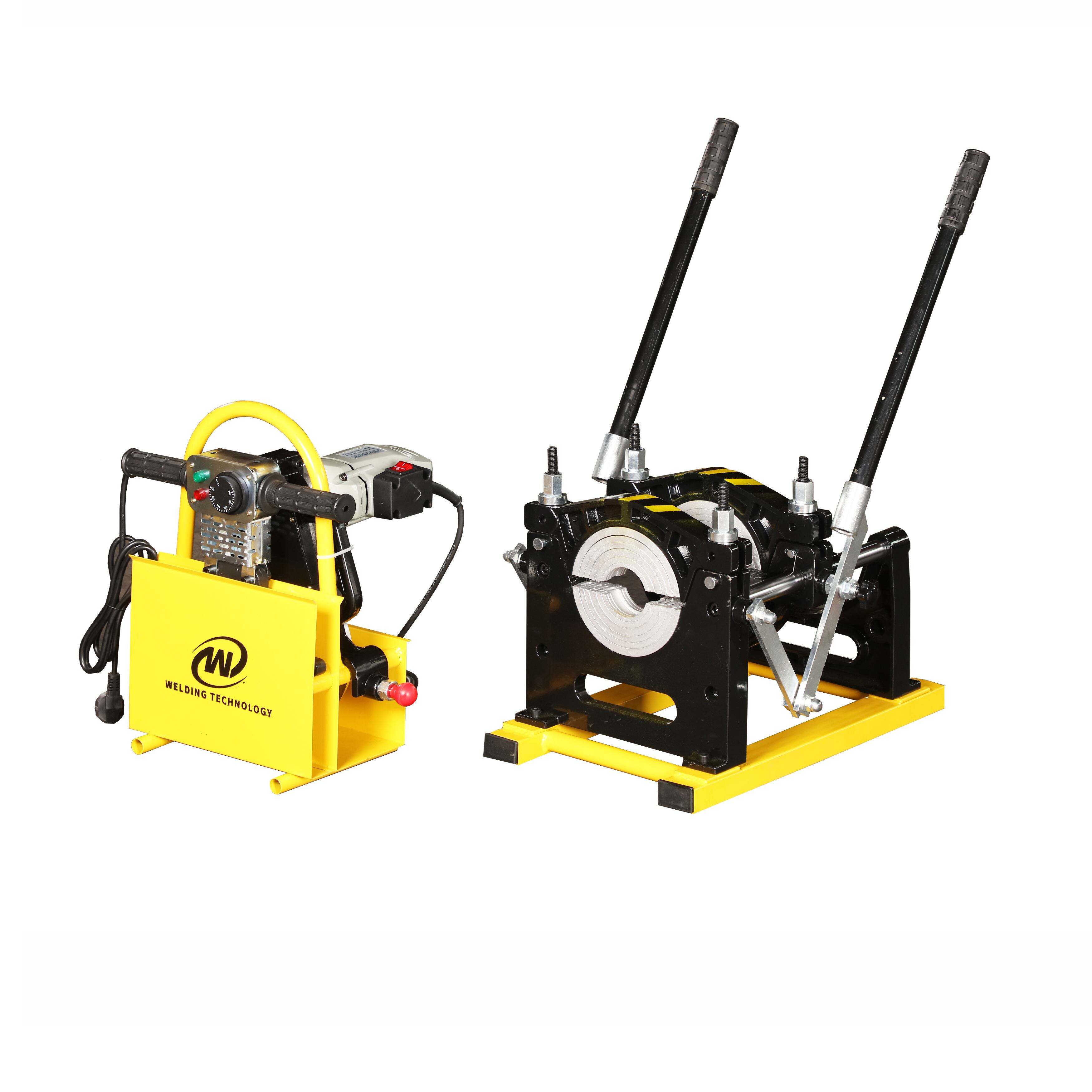
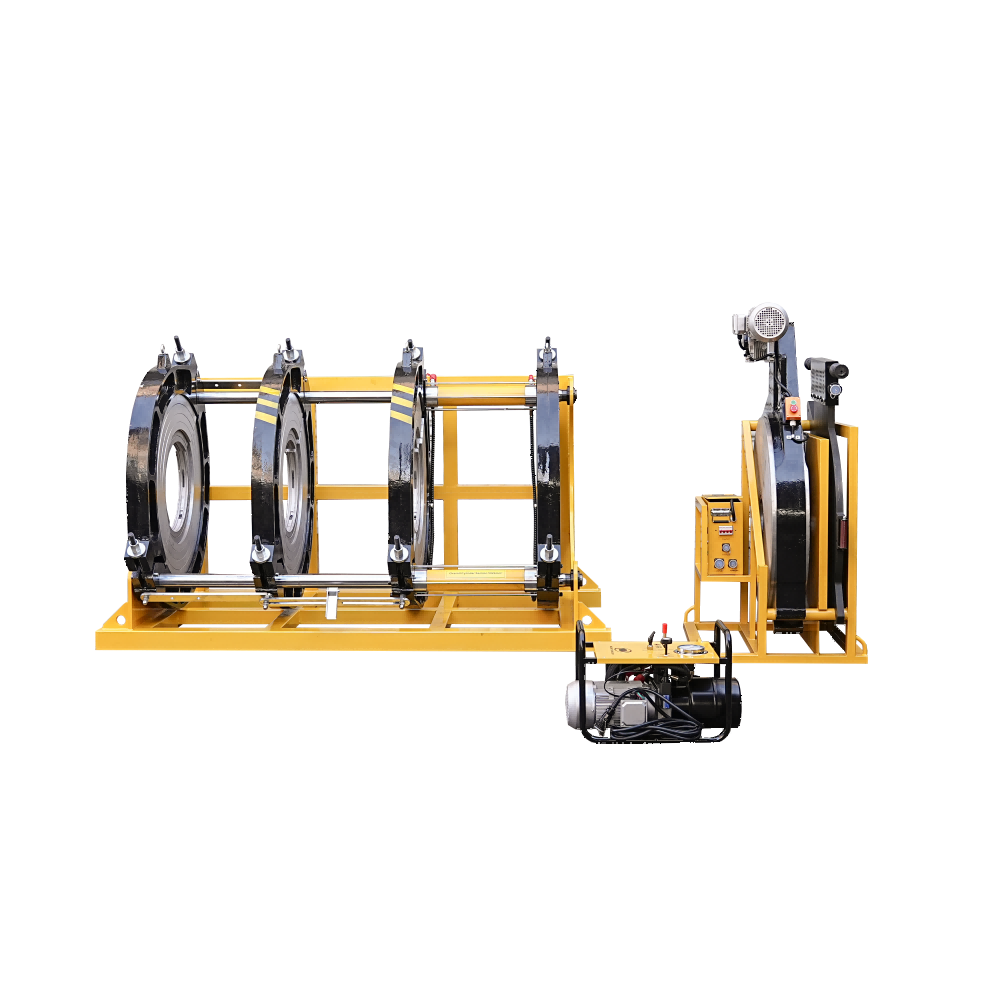
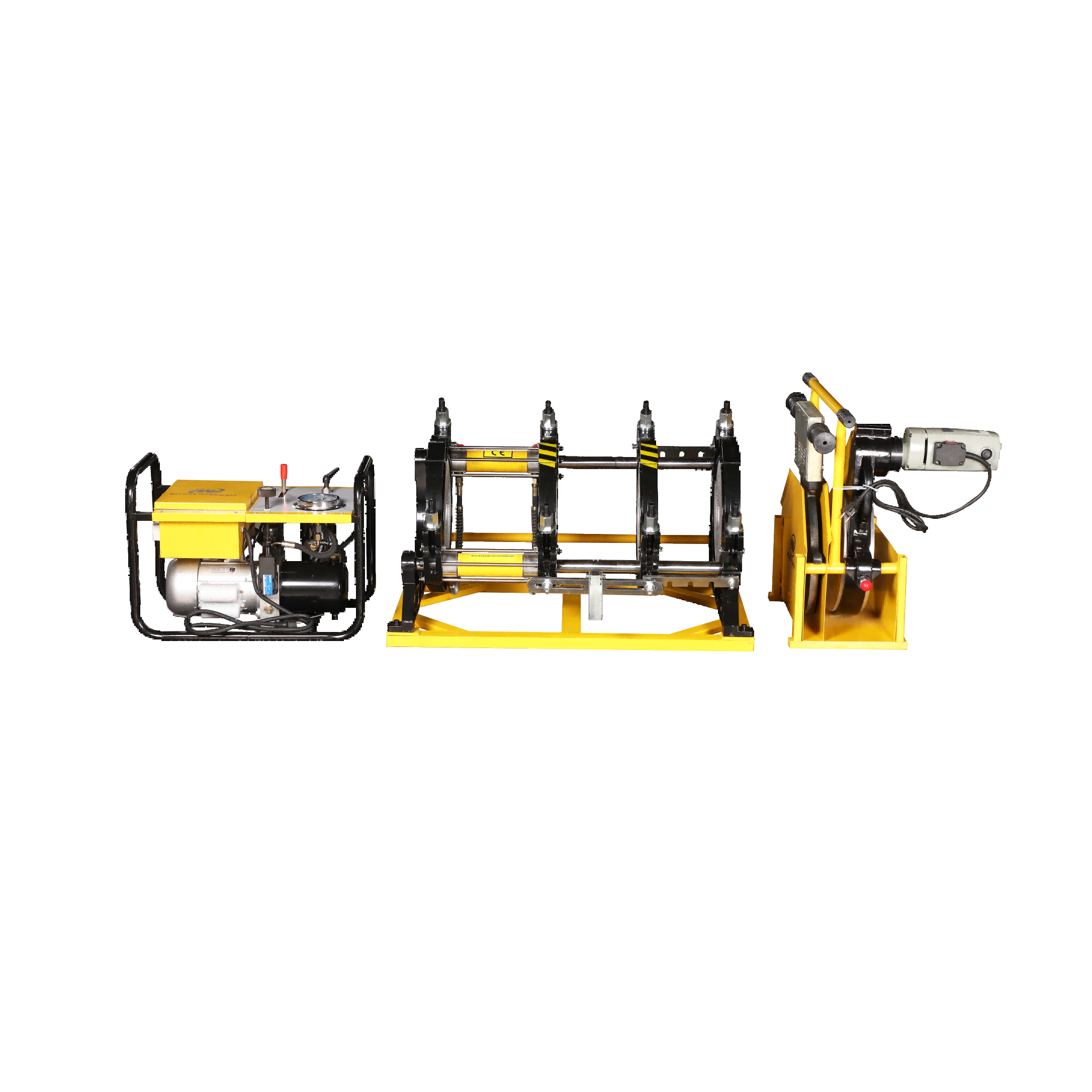
An automatic pipe welder represents a revolutionary advancement in welding technology, designed to streamline pipe joining processes across various industries. This sophisticated equipment combines precision engineering with automated control systems to deliver consistent, high-quality welds on cylindrical pipes and tubes. The automatic pipe welder operates through computer-controlled mechanisms that manage welding parameters, torch movement, and material feed rates with exceptional accuracy. Modern automatic pipe welders incorporate advanced features such as programmable logic controllers, servo-driven positioning systems, and real-time monitoring capabilities. These machines can handle diverse pipe materials including carbon steel, stainless steel, aluminum, and specialized alloys commonly used in industrial applications. The welding process typically involves rotating the pipe while the welding head moves along predetermined paths, ensuring uniform heat distribution and penetration. Key technological features include adaptive arc voltage control, wire feed speed regulation, and travel speed optimization. Many automatic pipe welders feature multi-pass welding capabilities, allowing for thick-wall pipe applications that require multiple weld layers. The equipment often integrates with quality control systems that monitor weld parameters and detect potential defects in real-time. Advanced models incorporate vision systems and laser guidance for precise joint tracking and alignment. The automatic pipe welder finds extensive applications in oil and gas pipeline construction, power plant installations, chemical processing facilities, and shipbuilding operations. These machines excel in environments requiring high-volume production with consistent quality standards. The welding process can accommodate various joint configurations including butt joints, fillet welds, and socket welds depending on application requirements. Temperature control systems ensure optimal welding conditions while reducing heat-affected zone concerns. The versatility of automatic pipe welders makes them invaluable for both field construction projects and manufacturing facilities where repetitive pipe welding operations are common.

New Product Releases

The automatic pipe welder delivers substantial productivity improvements compared to traditional manual welding methods. Operators can achieve welding speeds up to five times faster than manual techniques while maintaining superior weld quality. This increased efficiency translates directly into reduced labor costs and shortened project timelines. The consistent welding parameters eliminate human error variables that often compromise weld integrity in manual operations. Quality control becomes more predictable as the automatic pipe welder maintains uniform heat input, travel speed, and wire feed rates throughout the entire welding process. Safety benefits represent another significant advantage as operators work at safe distances from the welding arc, reducing exposure to harmful fumes and radiation. The automated system minimizes repetitive strain injuries commonly associated with manual pipe welding positions. Cost savings extend beyond labor efficiency to include reduced material waste through precise wire feed control and optimal penetration settings. The automatic pipe welder requires minimal operator training compared to skilled manual welders, addressing workforce shortage challenges in many industries. Repeatability ensures that each weld meets identical specifications regardless of operator experience levels. The equipment operates effectively in challenging environmental conditions where manual welding becomes difficult or unsafe. Remote operation capabilities allow welding in confined spaces or hazardous areas without direct human presence. Quality documentation becomes streamlined through integrated data logging systems that record welding parameters for each joint. This traceability proves essential for industries with strict quality assurance requirements. The automatic pipe welder reduces rework rates significantly as consistent parameters prevent common defects like porosity, lack of penetration, and irregular bead profiles. Maintenance costs remain low due to robust construction and fewer moving parts compared to complex manual setups. Energy efficiency improves through optimized arc characteristics and reduced idle time between welding operations. The versatility to handle multiple pipe diameters and wall thicknesses with simple programming adjustments maximizes equipment utilization. Integration capabilities with existing production systems enhance overall workflow efficiency and reduce material handling requirements.

Tips And Tricks

Global Fusion Welding Machinery Market Booms, Hangzhou Welding Leads Chinese Manufacturing to Serve 100+ Countries

11

Feb

Global Fusion Welding Machinery Market Booms, Hangzhou Welding Leads Chinese Manufacturing to Serve 100+ Countries

View More
Technological Innovation Drives Industry Upgrade, Hangzhou Welding Leads the Development of Thermoplastic Welding Technology

11

Feb

Technological Innovation Drives Industry Upgrade, Hangzhou Welding Leads the Development of Thermoplastic Welding Technology

View More
Accelerating Global Layout, Hangzhou Welding Technology Drives International Market Development with the Dual Wheels of

11

Feb

Accelerating Global Layout, Hangzhou Welding Technology Drives International Market Development with the Dual Wheels of "Products + Services"

View More

Get a Free Quote

Our representative will contact you soon.
E-mail
Name
Mobile/WhatsApp
Company Name
Message
0/1000

automatic pipe welder

Precision Control Technology

Precision Control Technology

The automatic pipe welder incorporates state-of-the-art precision control technology that revolutionizes welding accuracy and consistency. This advanced system utilizes sophisticated sensors and feedback mechanisms to monitor and adjust welding parameters in real-time, ensuring optimal weld quality throughout the entire process. The precision control technology features multi-axis servo motors that provide exceptional positioning accuracy, typically within 0.1mm tolerances for torch placement and pipe rotation. These servo systems work in conjunction with high-resolution encoders that track position data continuously, enabling the automatic pipe welder to maintain perfect alignment even on irregularly shaped or slightly out-of-round pipes. The control system processes multiple input variables simultaneously, including arc voltage, current levels, wire feed speed, and travel velocity, making instantaneous adjustments to maintain ideal welding conditions. Advanced algorithm processing allows the automatic pipe welder to compensate for variables such as joint gap variations, material thickness changes, and thermal expansion effects that would challenge even experienced manual welders. The precision control technology incorporates adaptive welding strategies that modify parameters based on detected joint characteristics, ensuring consistent penetration and bead profile regardless of pipe specifications. Digital signal processing capabilities enable the system to filter out electrical noise and environmental interference that could affect weld quality. The technology includes predictive control features that anticipate parameter changes based on upcoming joint geometry, preparing adjustments before variations occur. Safety interlocks within the precision control system prevent operation outside specified parameters, protecting both equipment and workpieces from damage. The user interface provides intuitive access to control settings while maintaining security protocols that prevent unauthorized parameter modifications. Data logging capabilities record all control actions, creating comprehensive quality records for traceability and process improvement analysis. This precision control technology significantly reduces the learning curve for operators while delivering consistently superior results that exceed manual welding capabilities across all skill levels.
Advanced Welding Process Optimization

Advanced Welding Process Optimization

The automatic pipe welder employs advanced welding process optimization that maximizes efficiency while ensuring superior joint quality across diverse applications. This optimization system analyzes multiple welding variables simultaneously to determine the most effective parameter combinations for each specific welding scenario. The process optimization begins with material recognition capabilities that automatically identify pipe materials, wall thickness, and joint configurations through integrated sensors and databases. Once material characteristics are established, the automatic pipe welder selects appropriate welding procedures from extensive libraries containing proven parameter sets for various material combinations. The optimization system continuously monitors arc characteristics, measuring voltage stability, current consistency, and heat input distribution to maintain ideal welding conditions. Real-time feedback loops allow the system to detect and correct process variations before they affect weld quality, ensuring consistent results regardless of external factors. The advanced optimization includes multi-pass welding strategies that calculate optimal layer sequences for thick-wall applications, determining fill pass requirements and final cap pass parameters automatically. Heat input management represents a crucial aspect of the optimization process, with the automatic pipe welder calculating cooling rates and interpass temperatures to prevent metallurgical issues in sensitive materials. The system incorporates predictive modeling that anticipates how parameter changes will affect final weld properties, enabling proactive adjustments rather than reactive corrections. Quality prediction algorithms analyze real-time welding data to forecast potential defects before they occur, allowing preventive measures to maintain weld integrity. The optimization process extends to productivity enhancement through travel speed calculations that balance quality requirements with production demands. Adaptive control features allow the automatic pipe welder to modify parameters based on joint access limitations, pipe positioning constraints, and environmental conditions. The optimization system learns from completed welds, building experience databases that improve future parameter selection and process refinement. Integration capabilities enable the optimization system to interface with upstream and downstream processes, coordinating welding parameters with material preparation and post-weld treatment requirements for comprehensive process management.
Comprehensive Quality Assurance Integration

Comprehensive Quality Assurance Integration

The automatic pipe welder features comprehensive quality assurance integration that provides unprecedented control over weld quality monitoring, documentation, and verification processes. This integrated approach combines real-time monitoring capabilities with advanced inspection technologies to ensure every weld meets or exceeds specified quality standards. The quality assurance system begins with pre-weld verification procedures that confirm proper joint preparation, material compatibility, and setup parameters before welding commences. During welding operations, the automatic pipe welder continuously monitors critical quality indicators including penetration depth, bead width, heat affected zone characteristics, and surface finish quality through multiple sensor technologies. High-resolution cameras capture detailed images of each weld pass, creating visual records that can be analyzed immediately or stored for future reference and quality audits. Thermal imaging integration allows the system to monitor heat distribution patterns, detecting potential problems such as insufficient penetration or excessive heat input that could compromise joint integrity. Ultrasonic monitoring capabilities provide real-time feedback on weld penetration and internal soundness, identifying potential defects before they become critical issues. The quality assurance integration includes automated measurement systems that verify dimensional compliance with specified tolerances, ensuring consistent weld profiles and joint geometry. Statistical process control features track quality trends over time, identifying process drift before it affects production quality and enabling proactive maintenance scheduling. The system generates comprehensive quality reports for each weld, documenting all monitored parameters, inspection results, and compliance verification data required for regulatory compliance. Traceability features link each weld to specific material lots, welding consumables, and operator certifications, creating complete genealogy records essential for critical applications. Integration with non-destructive testing equipment allows seamless transition from welding to inspection processes, streamlining quality verification workflows. The quality assurance system includes customizable alert mechanisms that notify supervisors immediately when quality parameters exceed specified limits, enabling rapid response to potential issues. Database integration capabilities allow quality data to be shared with enterprise resource planning systems, facilitating comprehensive project management and quality trend analysis across multiple projects and time periods.

Get a Free Quote

Our representative will contact you soon.
E-mail
Name
Mobile/WhatsApp
Company Name
Message
0/1000