Professional Pipe Welding Equipment - Advanced Solutions for Industrial Fabrication

Get a Free Quote

Our representative will contact you soon.
E-mail
Name
Mobile/WhatsApp
Company Name
Message
0/1000

pipe welding equipment

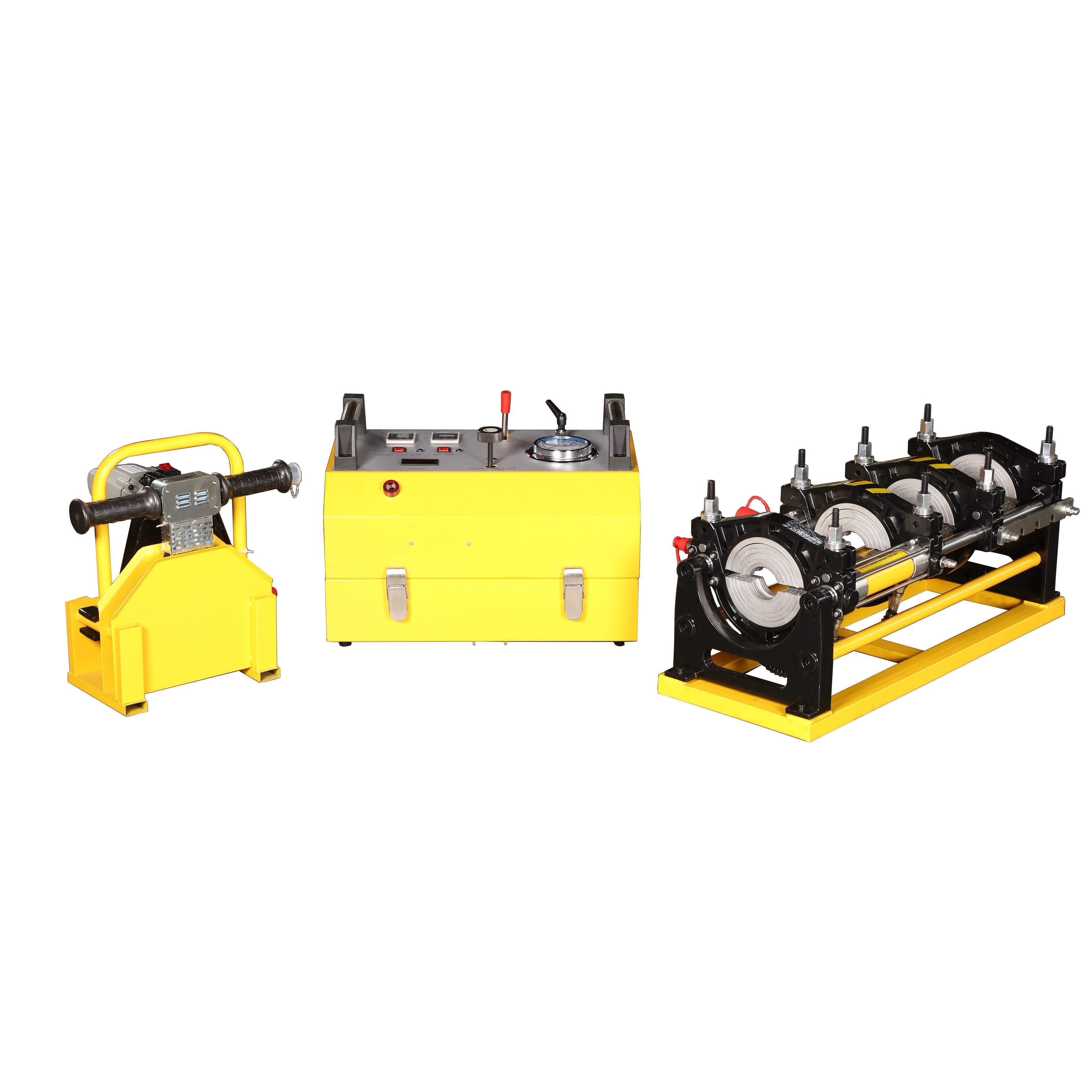
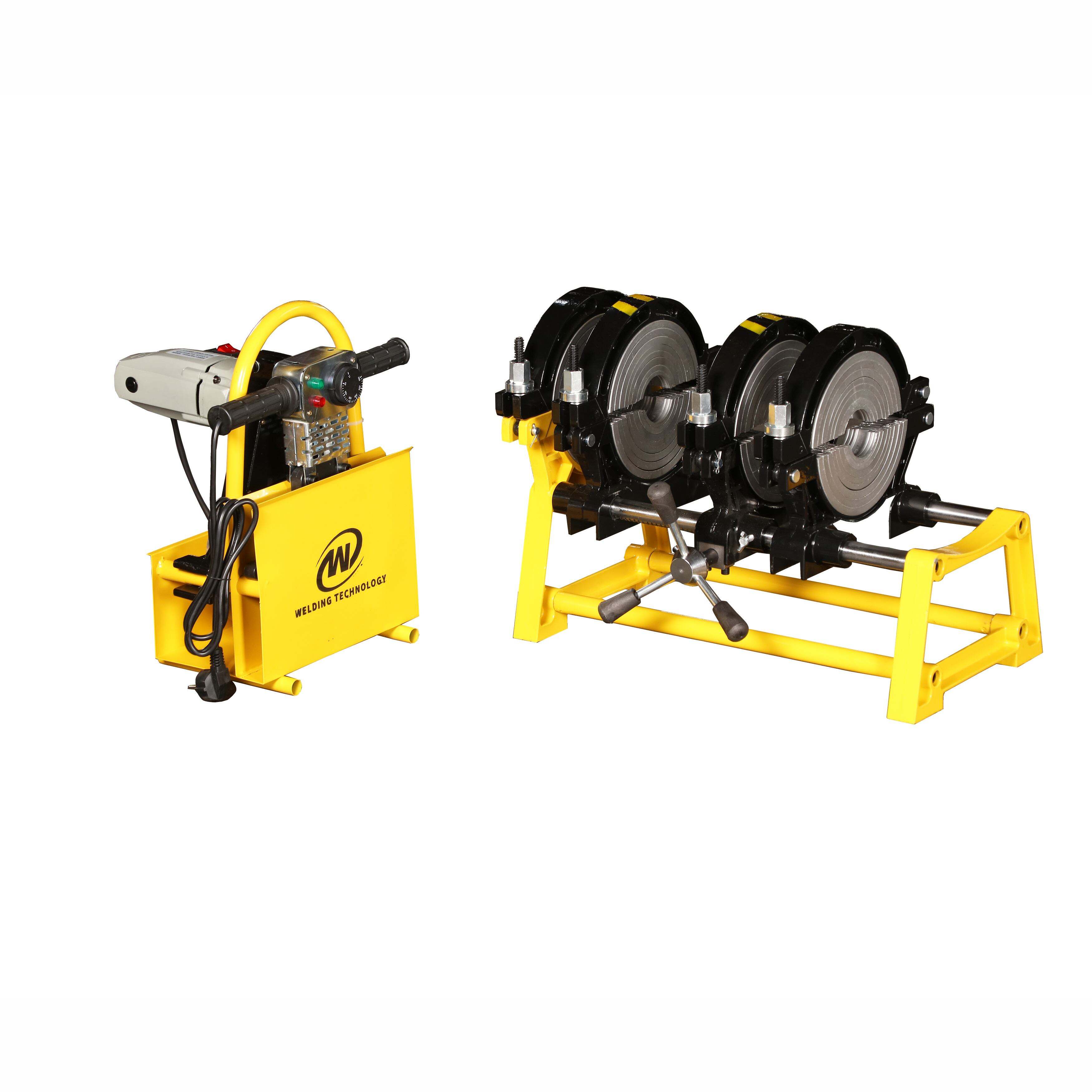
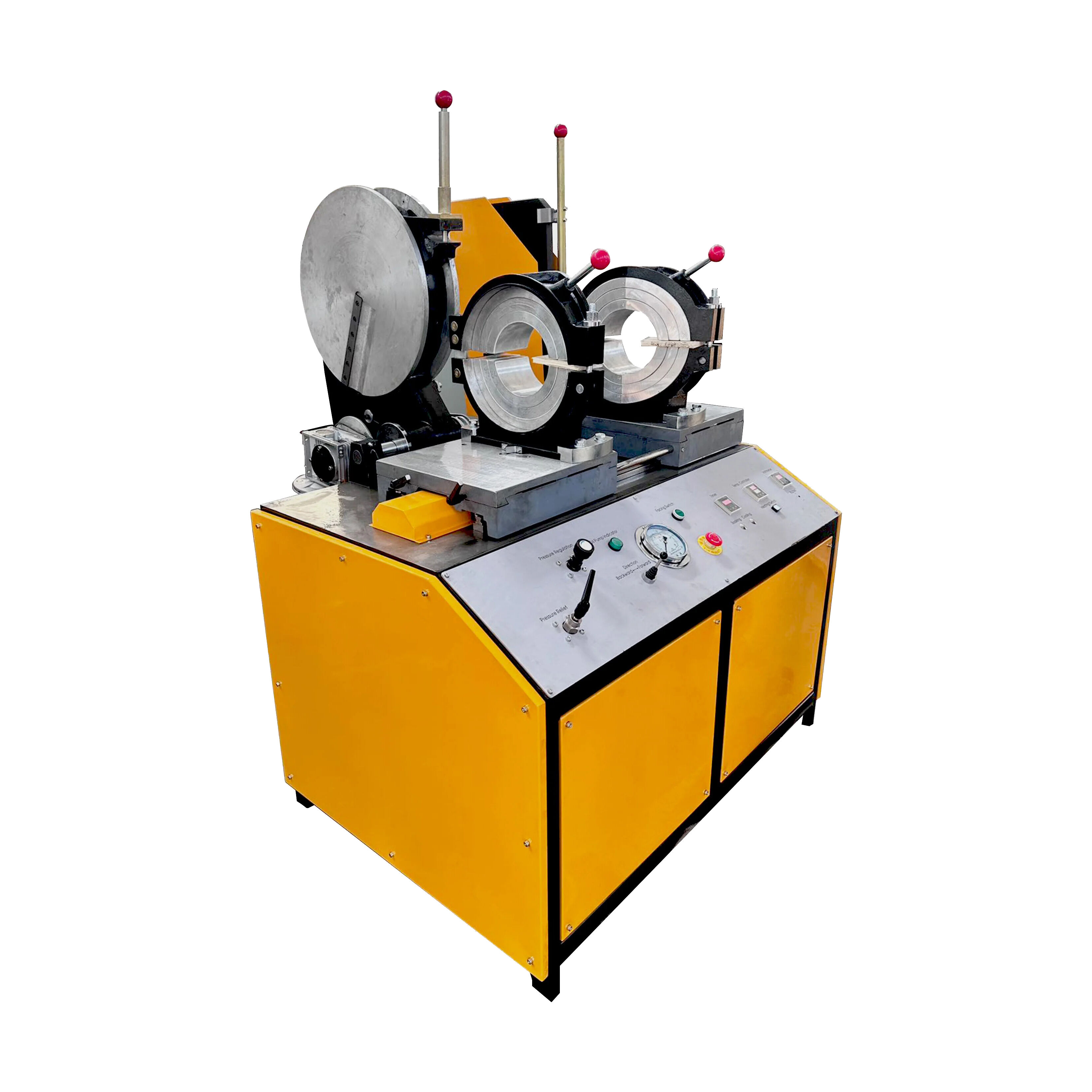
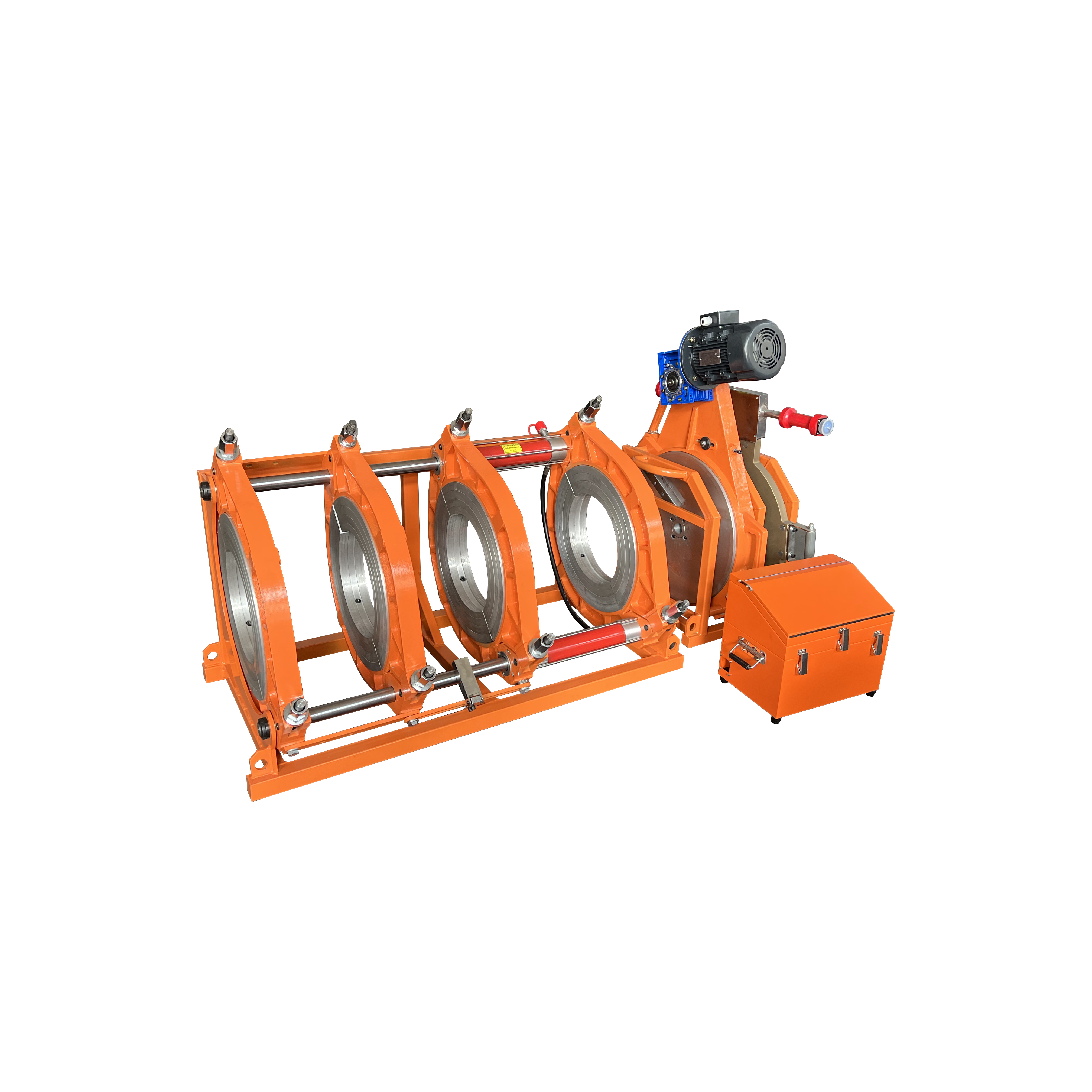
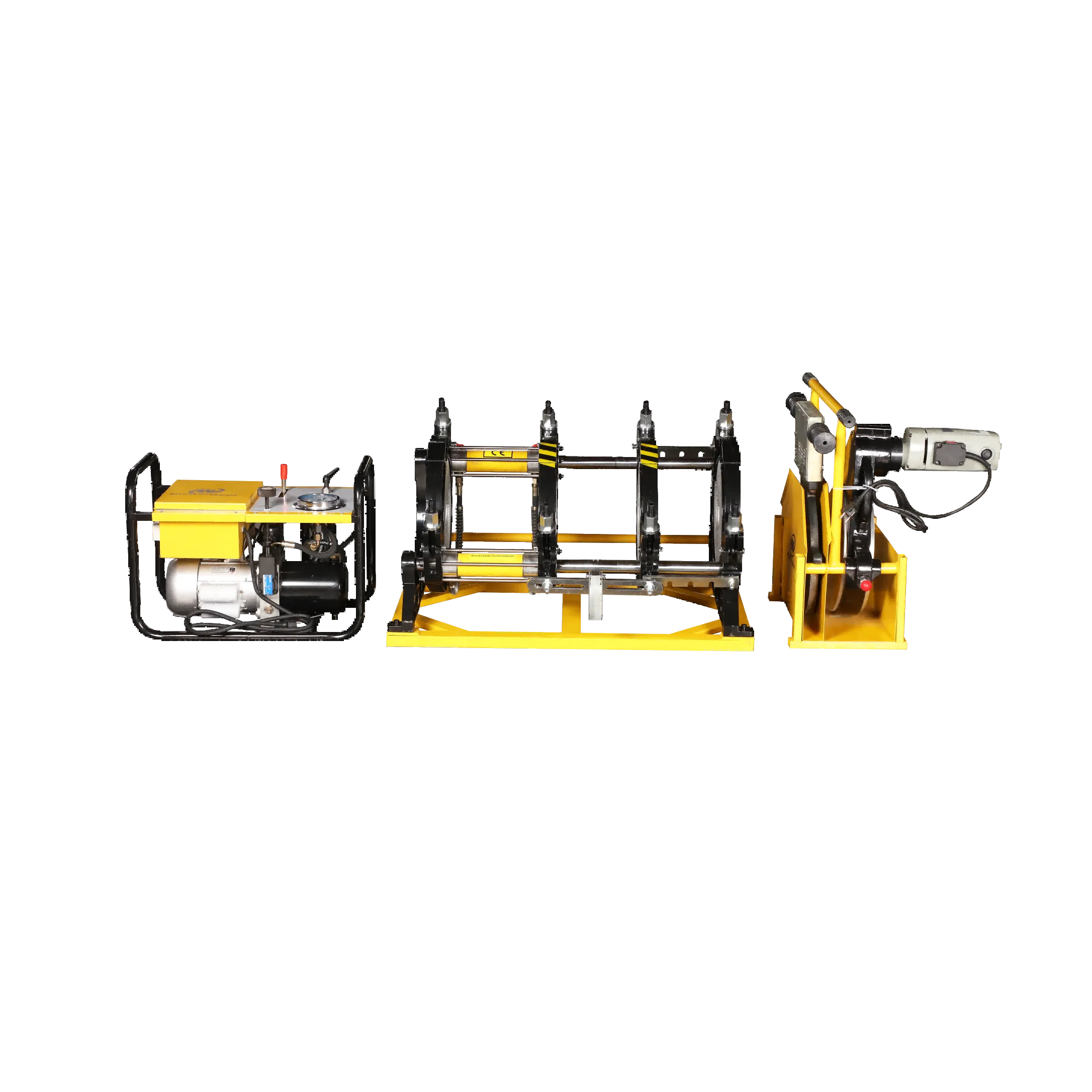
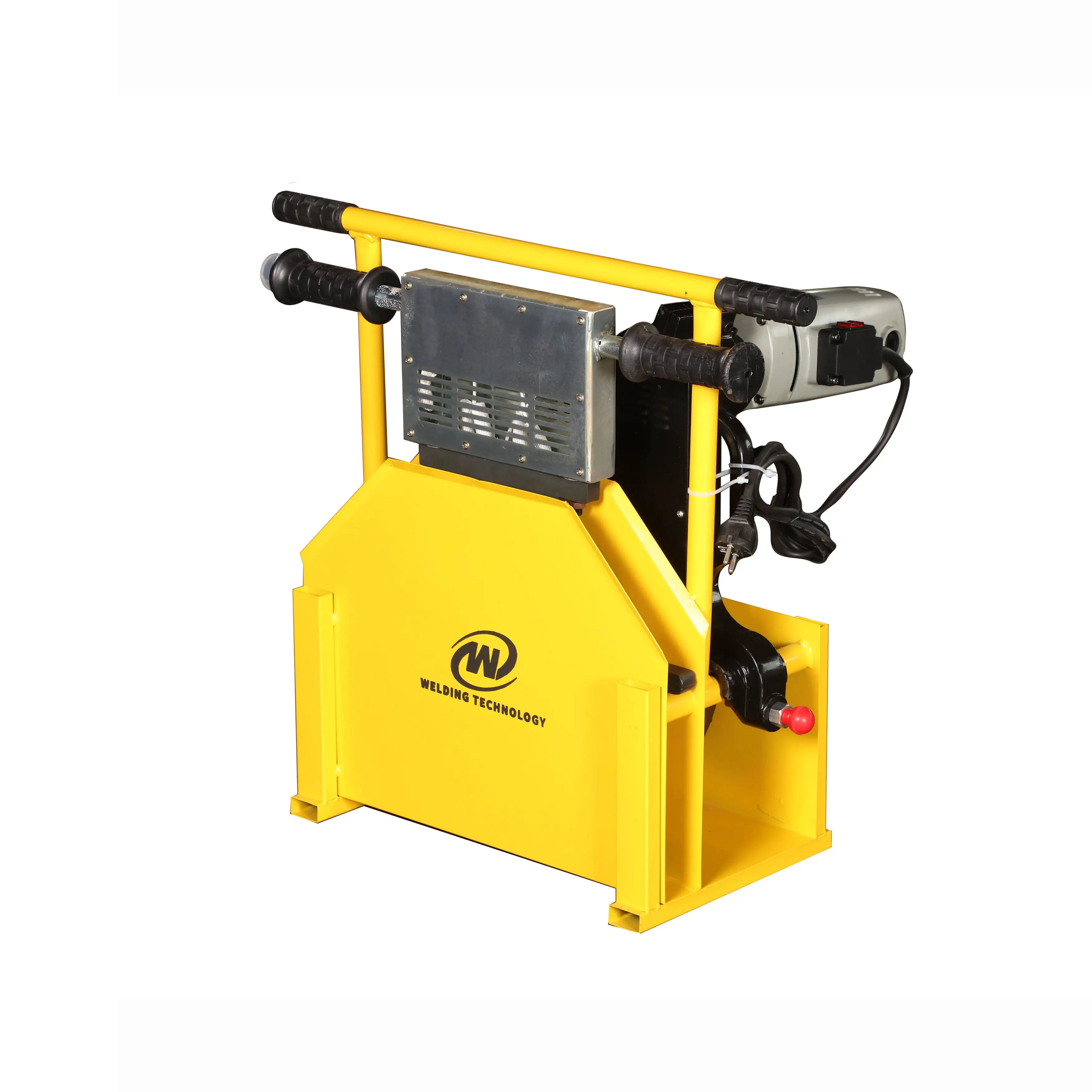
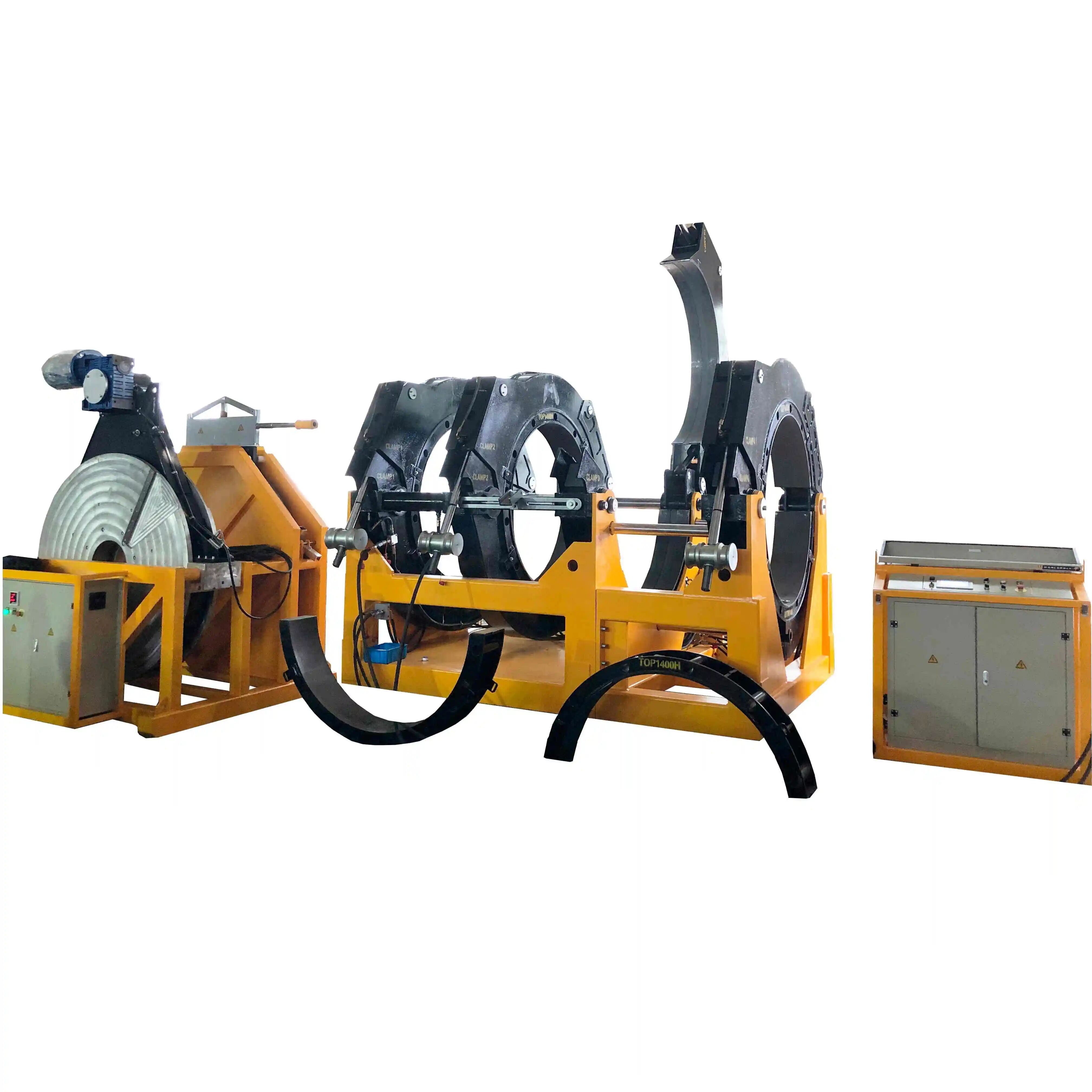
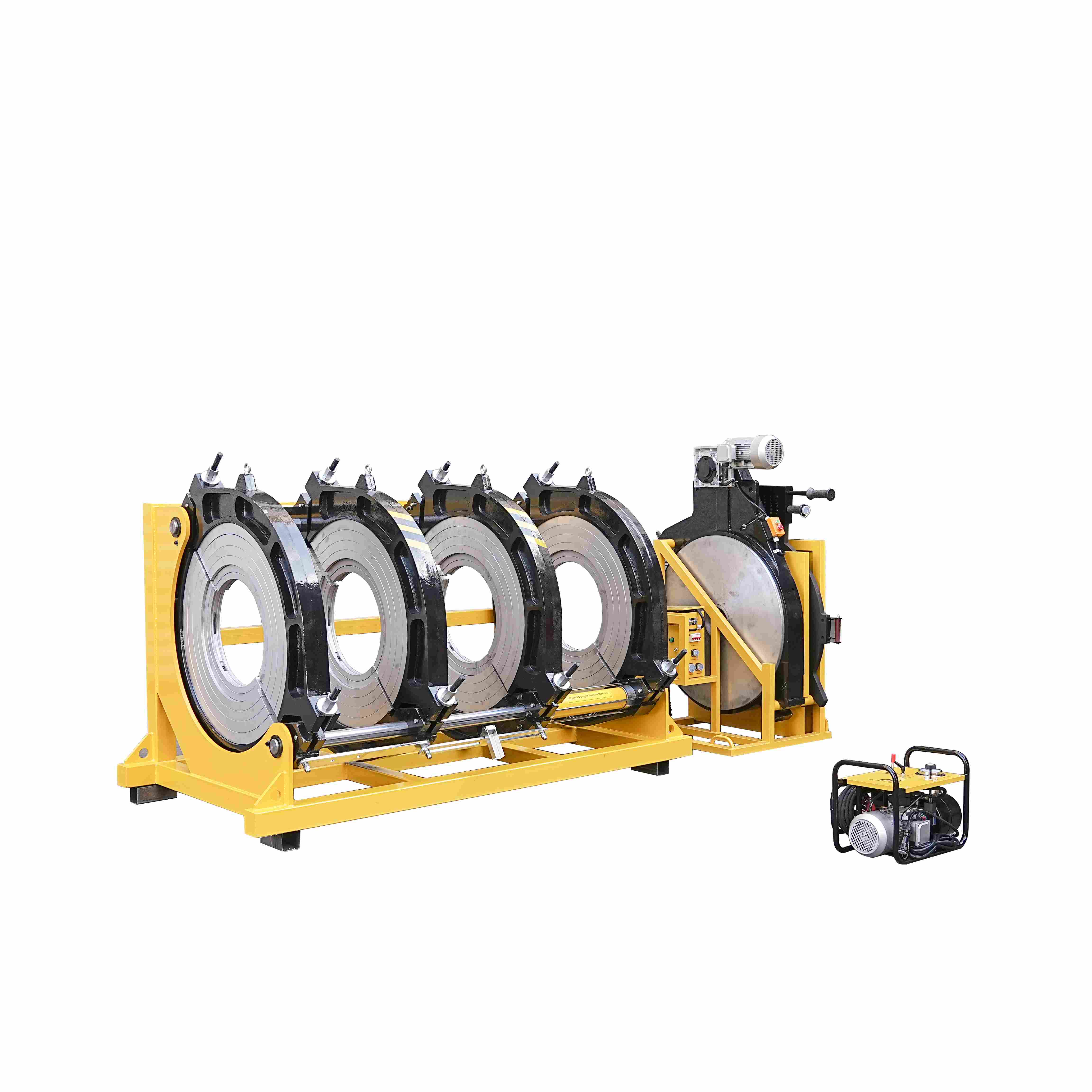
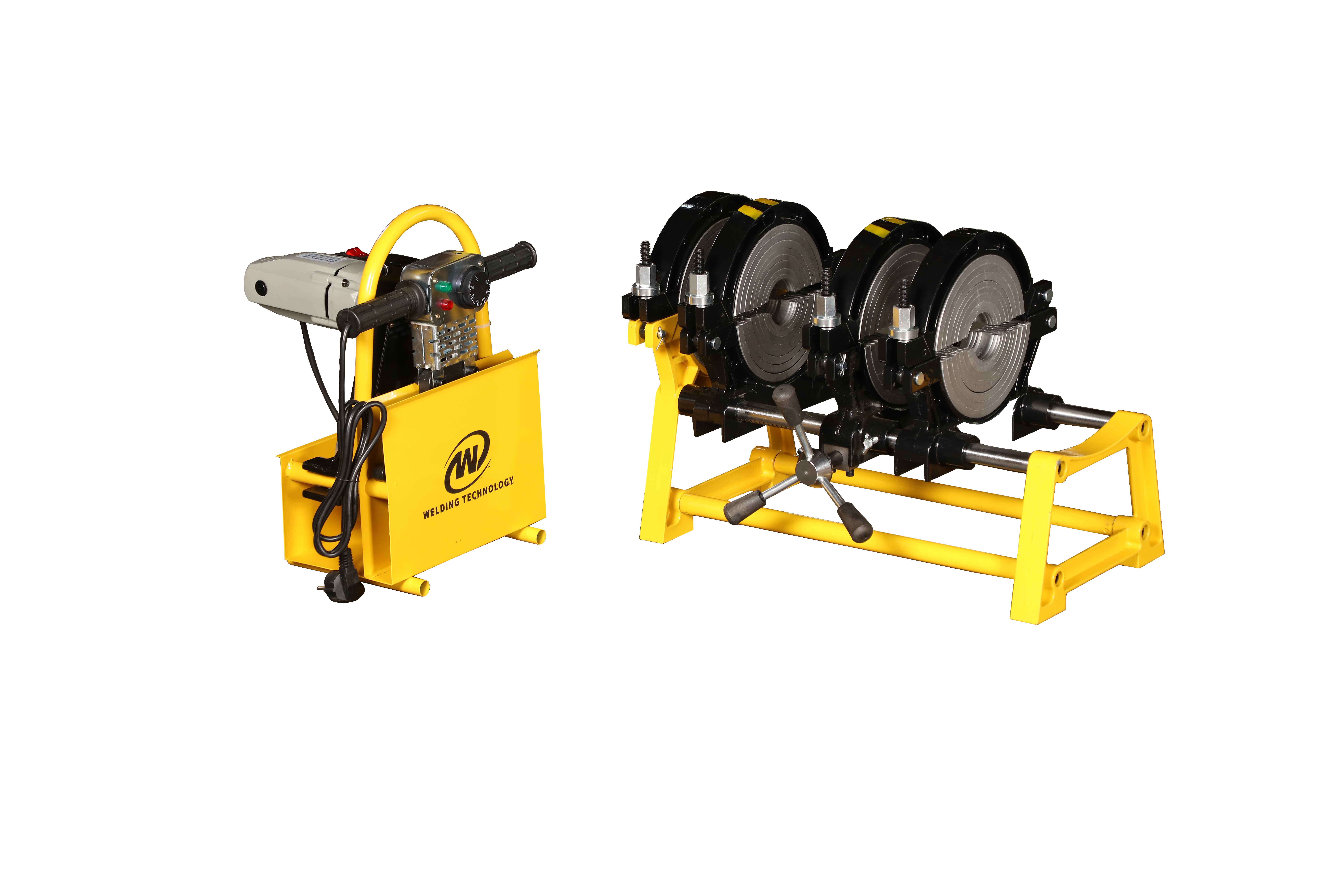
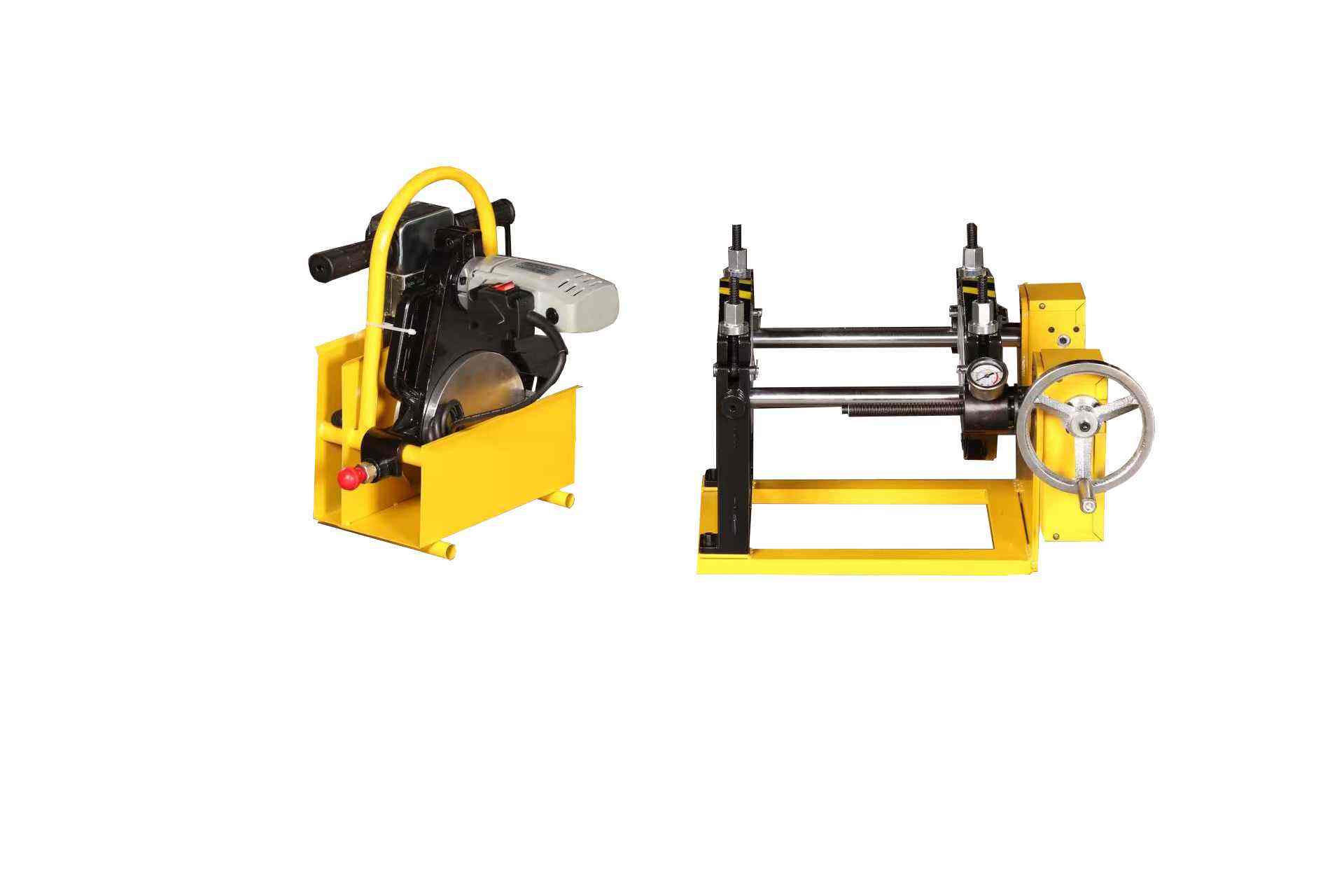
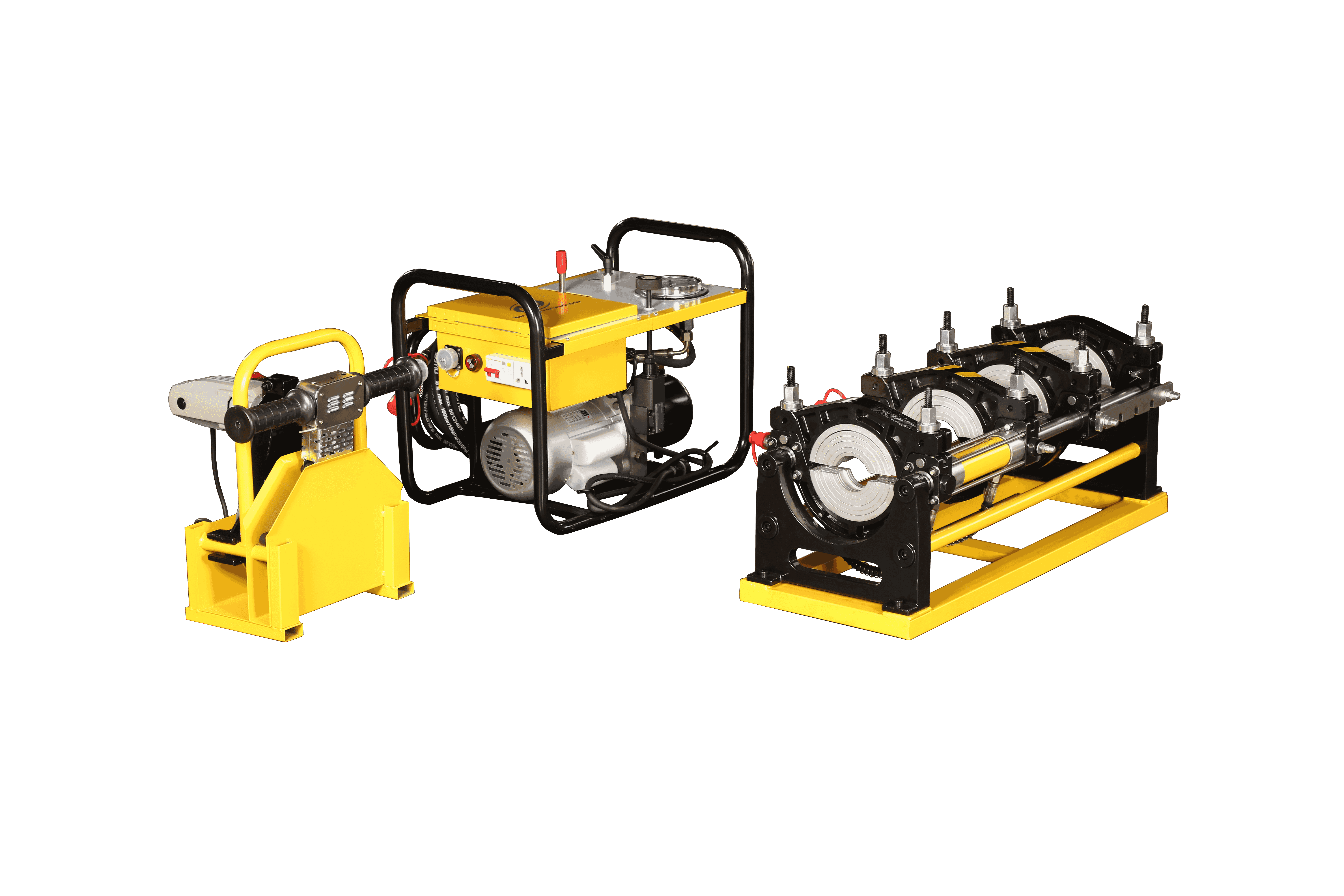
Pipe welding equipment represents a cornerstone technology in modern industrial fabrication, designed specifically to create strong, reliable joints between cylindrical metal components. This specialized machinery serves as an essential tool across numerous sectors including oil and gas infrastructure, water distribution systems, shipbuilding, automotive manufacturing, and construction industries. The primary function of pipe welding equipment centers on joining pipe segments through controlled heat application and material fusion, creating seamless connections that withstand extreme pressures, temperatures, and environmental conditions. Modern pipe welding equipment incorporates advanced technological features such as automated rotation systems, precise heat control mechanisms, and computerized parameter monitoring that ensure consistent weld quality across every joint. These systems typically include adjustable clamping devices that securely hold pipes of varying diameters, sophisticated power supplies that deliver stable electrical current, and cooling systems that manage thermal dissipation during the welding process. The technological sophistication of contemporary pipe welding equipment enables operators to work with diverse materials including carbon steel, stainless steel, aluminum, copper, and specialized alloys, each requiring specific welding parameters for optimal results. Applications extend from small-diameter residential plumbing installations to large-scale pipeline projects spanning thousands of miles across challenging terrain. The equipment accommodates various welding methodologies including TIG (Tungsten Inert Gas), MIG (Metal Inert Gas), stick welding, and orbital welding techniques, providing versatility for different project requirements. Integration capabilities with digital control systems allow for programmable welding sequences, data logging for quality assurance, and remote monitoring functions that enhance operational efficiency. The equipment's adaptability makes it indispensable for both stationary workshop environments and mobile field operations, where portability and quick setup become critical factors. Through continuous technological advancement, pipe welding equipment has evolved to meet increasingly stringent industry standards while delivering improved productivity, reduced operational costs, and enhanced safety features that protect operators and ensure structural integrity of completed welds.


New Product Releases

Investing in quality pipe welding equipment delivers tangible benefits that directly impact your bottom line and operational capabilities. First and foremost, these systems dramatically increase production speed compared to manual welding methods, allowing your team to complete projects faster and take on more contracts throughout the year. The precision built into modern pipe welding equipment reduces material waste significantly because accurate heat control and automated processes minimize errors that would otherwise require costly rework or scrapping of components. Your workers experience less physical strain when using this equipment since motorized rotation and positioning systems eliminate the need for awkward body positions and repetitive manual manipulation of heavy pipe sections. This ergonomic advantage translates into fewer workplace injuries, lower insurance costs, and improved employee satisfaction and retention rates. The consistent quality achieved through pipe welding equipment means fewer callbacks and warranty claims, protecting your reputation and maintaining strong relationships with clients who depend on reliable results. Energy efficiency features incorporated into newer models reduce electricity consumption during operation, lowering your utility expenses while supporting environmental sustainability goals. The versatility of pipe welding equipment allows you to accept diverse projects without investing in multiple specialized tools, since adjustable settings accommodate different pipe diameters, wall thicknesses, and material types within a single system. Training new operators becomes simpler because intuitive controls and preset programs reduce the learning curve compared to mastering traditional manual techniques that require years of experience. Digital displays and monitoring systems provide real-time feedback about welding parameters, enabling immediate adjustments that prevent defects before they occur rather than discovering problems during post-weld inspection. The durability of professional-grade pipe welding equipment ensures years of reliable service with minimal maintenance requirements, spreading the initial investment across numerous projects and maximizing return on capital. Portability options available in certain models allow you to bring professional welding capabilities directly to remote job sites, eliminating the logistical challenges and expenses associated with transporting large pipe sections to a central workshop. Documentation features built into advanced systems automatically record welding parameters for each joint, creating comprehensive quality records that satisfy regulatory requirements and provide valuable data for process optimization. The improved arc stability achieved through sophisticated power supply designs results in cleaner welds with better penetration and fewer defects like porosity or slag inclusions that compromise joint strength. Your competitive advantage grows when you can guarantee faster turnaround times, superior quality, and greater project flexibility than competitors still relying on outdated equipment or purely manual methods.

Tips And Tricks

How Does an HDPE Thermofusion Machine Improve Pipeline Performance?

24

Apr

How Does an HDPE Thermofusion Machine Improve Pipeline Performance?

Pipeline integrity stands as a critical concern across industries ranging from municipal water distribution to industrial gas transport, and the welding technology employed directly determines long-term performance outcomes. An HDPE thermofusion mach...
View More
Why Do Engineers Choose an HDPE Thermofusion Machine for Projects?

06

Apr

Why Do Engineers Choose an HDPE Thermofusion Machine for Projects?

Engineers working on pipeline infrastructure projects face critical decisions that affect long-term performance, project budgets, and operational reliability. Among the most consequential choices is the selection of joining equipment for high-density...
View More
How Can a Plastic Sheet Butt Welding Machine Ensure Strong Seams?

05

May

How Can a Plastic Sheet Butt Welding Machine Ensure Strong Seams?

The strength and integrity of welded plastic seams directly impact the performance, durability, and safety of countless industrial applications, from geomembranes in environmental containment to large-scale tank fabrication. Achieving consistently st...
View More
How Can an HDPE Thermofusion Welding Machine Ensure Leak Free Systems?

23

Jun

How Can an HDPE Thermofusion Welding Machine Ensure Leak Free Systems?

In pipeline infrastructure across water treatment, gas distribution, and industrial fluid handling, achieving a truly leak-free system is one of the most demanding engineering challenges operators face. The HDPE thermofusion welding machine has emerg...
View More

Get a Free Quote

Our representative will contact you soon.
E-mail
Name
Mobile/WhatsApp
Company Name
Message
0/1000

pipe welding equipment

Advanced Automation Technology for Consistent Weld Quality

Advanced Automation Technology for Consistent Weld Quality

The automation capabilities integrated into modern pipe welding equipment represent a transformative advancement that fundamentally changes how fabrication teams approach joining operations. These sophisticated systems employ programmable logic controllers and servo motor technology to execute welding sequences with remarkable precision and repeatability that human operators simply cannot match through manual technique alone. The automated rotation mechanism maintains perfectly consistent travel speed around the pipe circumference, ensuring uniform heat input and even material deposition across the entire joint. This consistency eliminates the weak spots and variations that commonly occur with hand-held welding torches where operator fatigue, attention lapses, or skill differences create inconsistencies. The equipment's sensors continuously monitor critical parameters including arc voltage, wire feed speed, travel velocity, and shielding gas flow, making instantaneous micro-adjustments that keep the welding process within optimal ranges throughout the entire operation. Such real-time responsiveness prevents the cascade of problems that begin when parameters drift outside acceptable tolerances, catching deviations before they produce visible defects. Programmable memory functions allow operators to save proven parameter sets for specific pipe materials, diameters, and wall thicknesses, then recall these settings instantly when switching between different job specifications. This eliminates the trial-and-error period typically required when starting new production runs and ensures the first weld meets specifications just as reliably as subsequent joints. The automated systems also incorporate sophisticated arc starting and crater filling routines that address the challenging moments when welds begin and end, traditionally the most problematic points where defects concentrate. By controlling these critical transitions with precision timing and parameter modulation, the equipment produces smooth starts and properly filled craters that blend seamlessly into the surrounding weld metal. Operators benefit from reduced stress and fatigue since the automation handles the demanding task of maintaining steady hand positioning and motion control, allowing them to focus on supervision, quality monitoring, and setup optimization rather than physical execution. The consistency achieved through automation translates directly into predictable project timelines because rework rates drop dramatically when every weld meets acceptance criteria on the first attempt, eliminating the schedule disruptions and material waste associated with repairing or replacing defective joints.
Versatile Multi-Process Capabilities for Diverse Applications

Versatile Multi-Process Capabilities for Diverse Applications

The multi-process functionality built into comprehensive pipe welding equipment platforms provides fabrication operations with exceptional flexibility to address varying project requirements without maintaining separate specialized machines for each welding methodology. This versatility proves particularly valuable for shops and contractors who serve diverse industries or handle projects with different specifications, material types, and quality standards that demand specific welding approaches. The equipment seamlessly transitions between processes such as Gas Metal Arc Welding (GMAW) for high-speed production runs, Gas Tungsten Arc Welwelding (GTAW) for precision work on thin-walled or exotic materials, and Shielded Metal Arc Welding (SMAW) for field repairs where simplicity and portability matter most. Each process offers distinct advantages for particular situations, and having all capabilities available within a single integrated system eliminates the capital expense and floor space requirements associated with purchasing and maintaining multiple dedicated machines. The control systems automatically adjust output characteristics to match the selected process, reconfiguring current waveforms, voltage ranges, and response dynamics to deliver optimal performance whether running spray transfer mode for thick-walled pipeline or delicate pulsed arc sequences for stainless steel tubing. Material compatibility extends across the full spectrum of commonly welded metals including various carbon steel grades, austenitic and duplex stainless steels, aluminum alloys, copper and copper alloys, nickel-based superalloys, and titanium, with parameter libraries providing starting points for successful welds in each material category. Diameter accommodation ranges from small-bore instrument tubing measuring just a few millimeters across to large-diameter transmission pipelines exceeding a meter in circumference, with adjustable fixturing and rotation drives scaling appropriately across this broad spectrum. Wall thickness capabilities similarly span from thin sheet metal fabrication requiring just a few hundred amperes to heavy-wall pressure vessels demanding maximum power output for adequate penetration through thick base metal. Joint configuration versatility allows the equipment to produce butt joints, socket welds, fillet welds, and lap joints depending on design requirements and industry standards applicable to specific applications. This comprehensive capability portfolio means fabricators can accept virtually any pipe joining project with confidence that their pipe welding equipment possesses the technical specifications necessary for successful completion, maximizing equipment utilization rates and return on investment while building reputation as a full-service provider capable of handling challenging specialized work that competitors might decline.
Enhanced Safety Features and Operator Protection Systems

Enhanced Safety Features and Operator Protection Systems

Safety considerations embedded throughout modern pipe welding equipment design reflect manufacturer commitment to protecting operators from the numerous hazards inherent in welding operations while simultaneously ensuring compliance with increasingly stringent workplace safety regulations. The equipment incorporates multiple layers of protection that address electrical risks, thermal hazards, radiation exposure, fume generation, and mechanical dangers associated with rotating components and heavy materials. Electrical safety begins with robust insulation systems and ground fault protection circuits that immediately detect and interrupt current flow if insulation breakdown or accidental contact creates a shock hazard, preventing potentially fatal electrocution incidents. Thermal management systems include sophisticated cooling circuits that dissipate heat from power components and welding torch assemblies, preventing surface temperatures from reaching levels that could cause burns during routine operation or maintenance activities. The welding torch and cable assemblies feature heat-resistant materials and ergonomic designs that minimize heat transfer to operator contact points while maintaining comfortable grip configurations that reduce hand fatigue during extended welding sessions. Radiation shielding built into equipment housings and recommended safety screens blocks harmful ultraviolet and infrared radiation emitted by the welding arc, protecting not just the primary operator but also nearby workers who might otherwise suffer eye damage or skin burns from reflected or scattered radiation. Fume extraction interfaces allow easy connection of ventilation systems that capture welding fumes at the source before operators inhale harmful metal particulates and gaseous byproducts that accumulate during prolonged welding operations in enclosed spaces. Interlock systems prevent equipment activation when safety covers are removed or guards are displaced, ensuring maintenance personnel cannot accidentally energize the system while working on internal components. Emergency stop controls positioned at multiple accessible locations allow immediate power disconnection if dangerous situations develop, giving operators quick response capability to prevent injuries or equipment damage. Automated systems include fault detection algorithms that monitor operating parameters and shut down the equipment if conditions indicate potential safety hazards such as overheating, excessive current draw, or cooling system failure. Clear warning labels and intuitive control panel layouts help prevent operational errors that could create hazardous conditions, while detailed safety documentation provides comprehensive information about proper operating procedures and hazard recognition. The stable mechanical design with low center of gravity and secure mounting provisions prevents tipping accidents that could injure operators or damage surrounding equipment and materials, particularly important for portable units moved between job sites or repositioned frequently within workshop environments. These comprehensive safety features demonstrate manufacturer recognition that protecting workers and maintaining safe operations ultimately benefits everyone involved in fabrication activities.

Get a Free Quote

Our representative will contact you soon.
E-mail
Name
Mobile/WhatsApp
Company Name
Message
0/1000