Automated Pipe Welder - Advanced Orbital Welding Systems for Superior Pipeline Fabrication

Get a Free Quote

Our representative will contact you soon.
E-mail
Name
Mobile/WhatsApp
Company Name
Message
0/1000

automated pipe welder

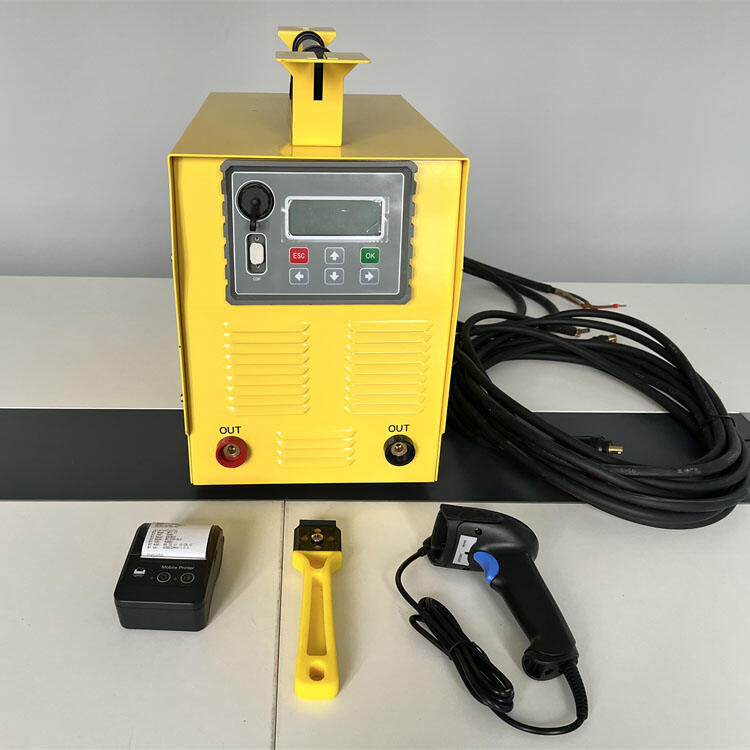
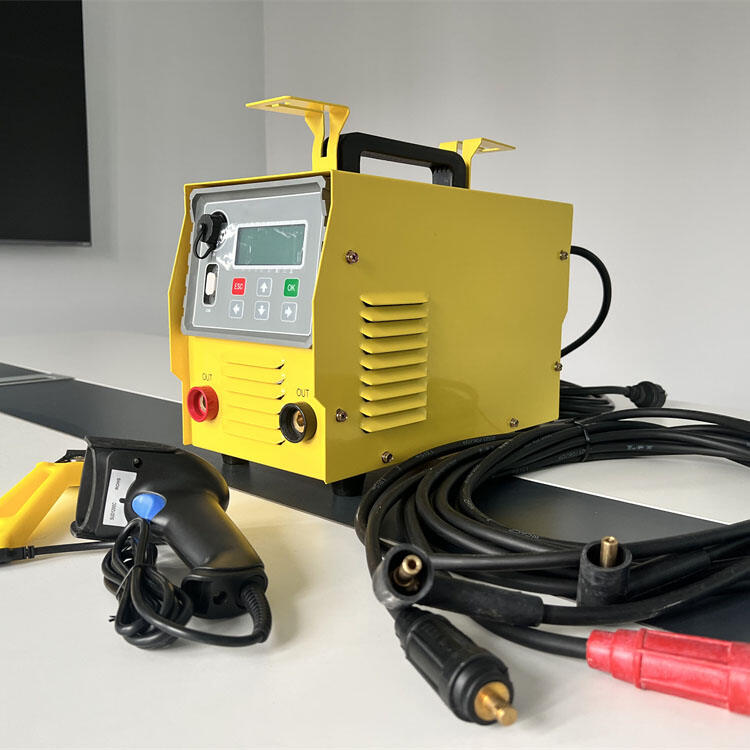
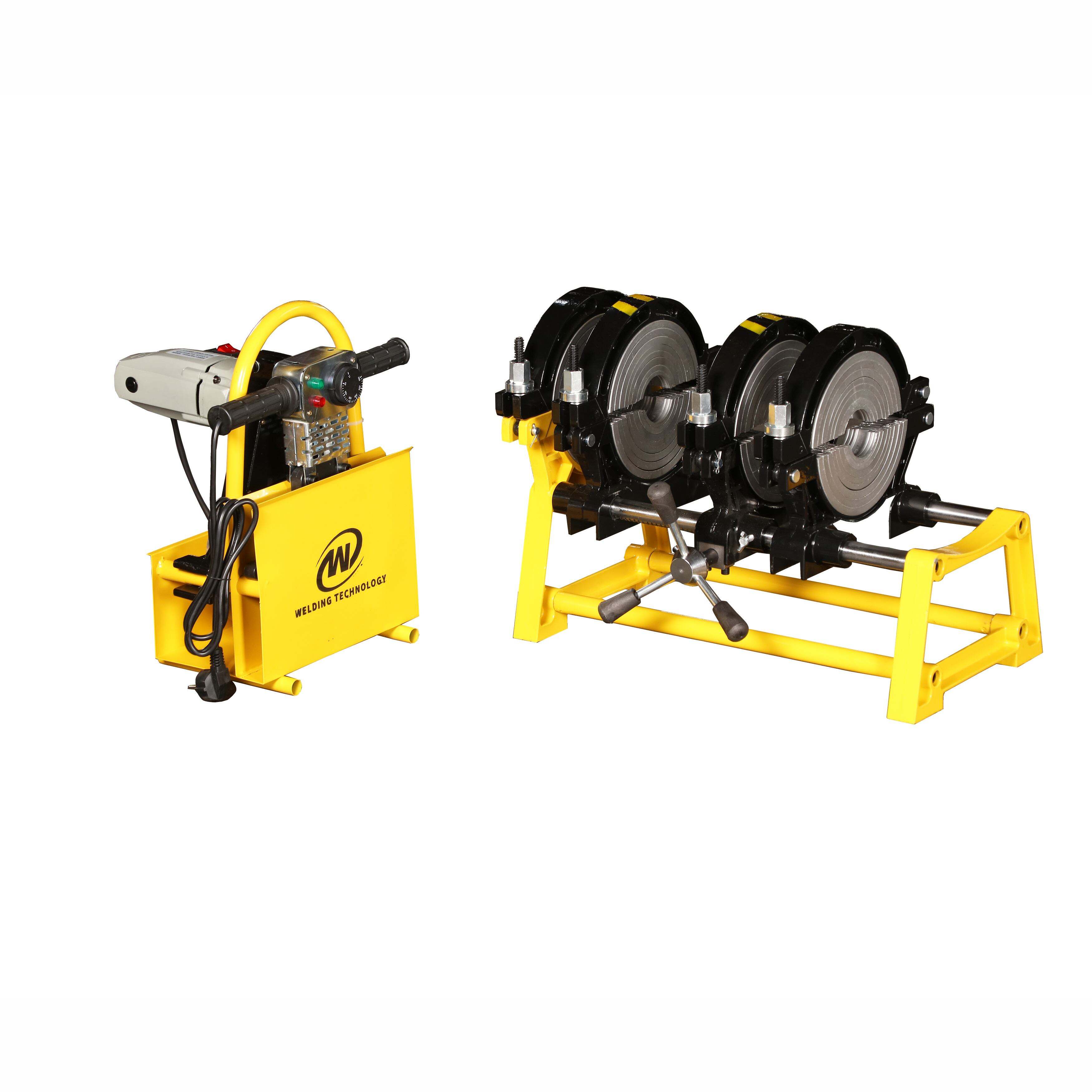
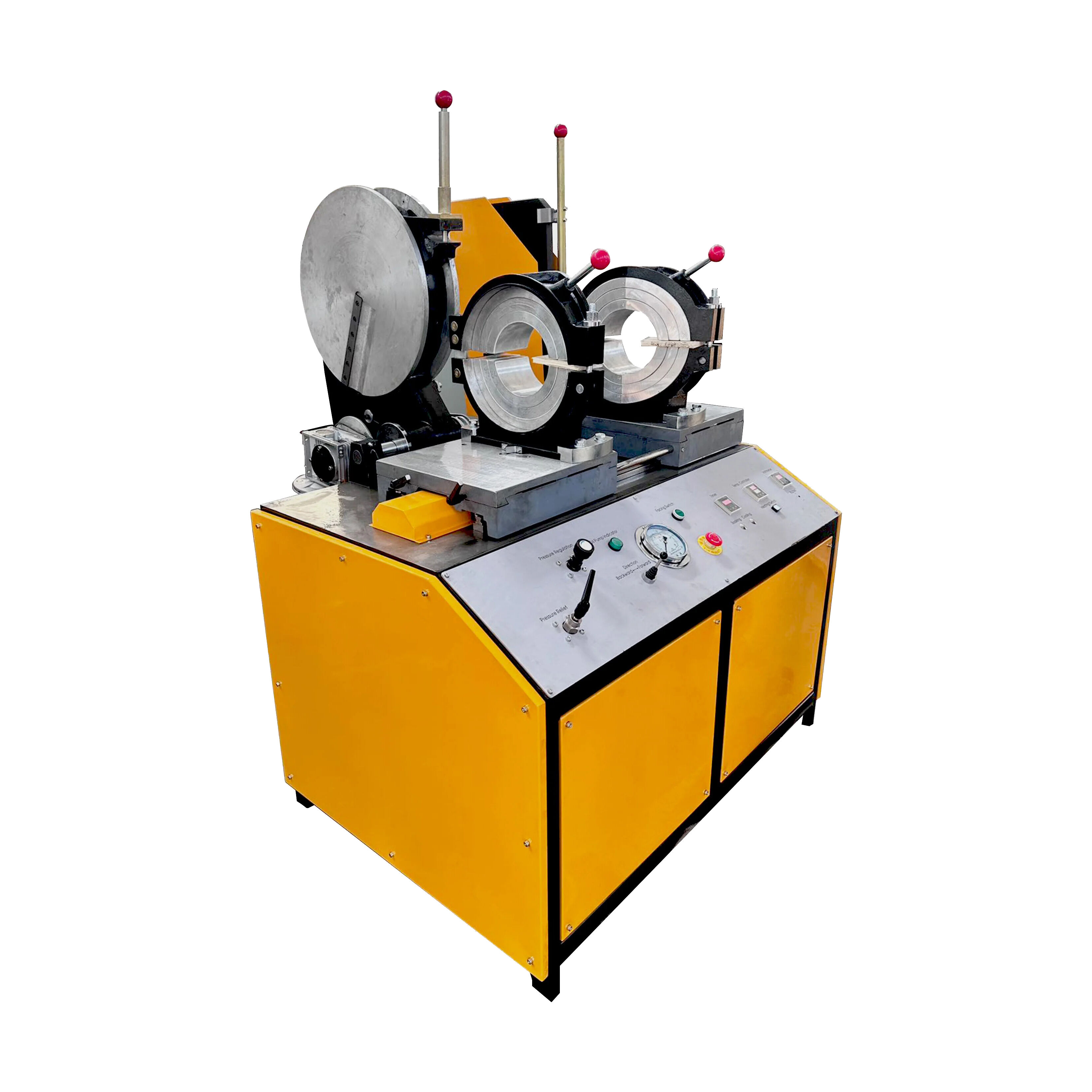
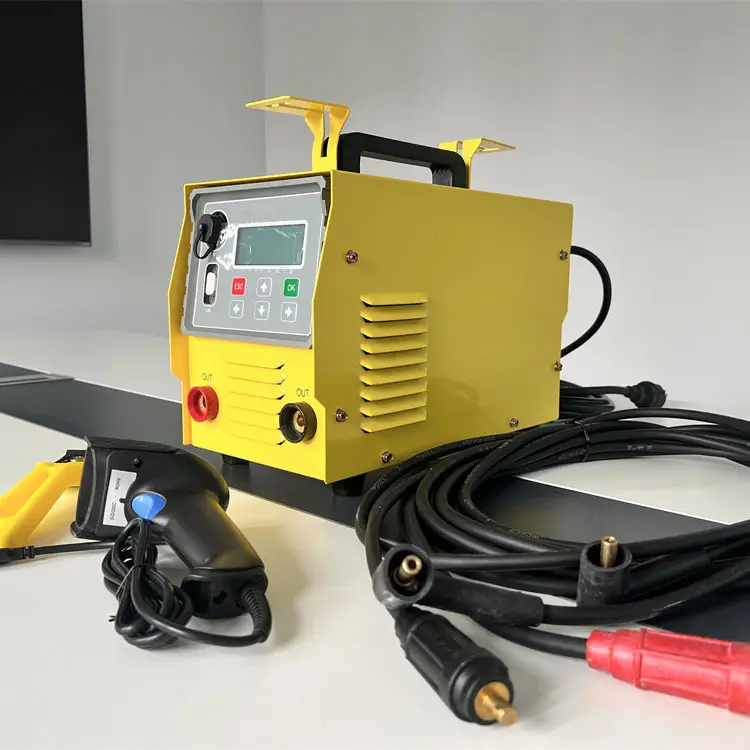
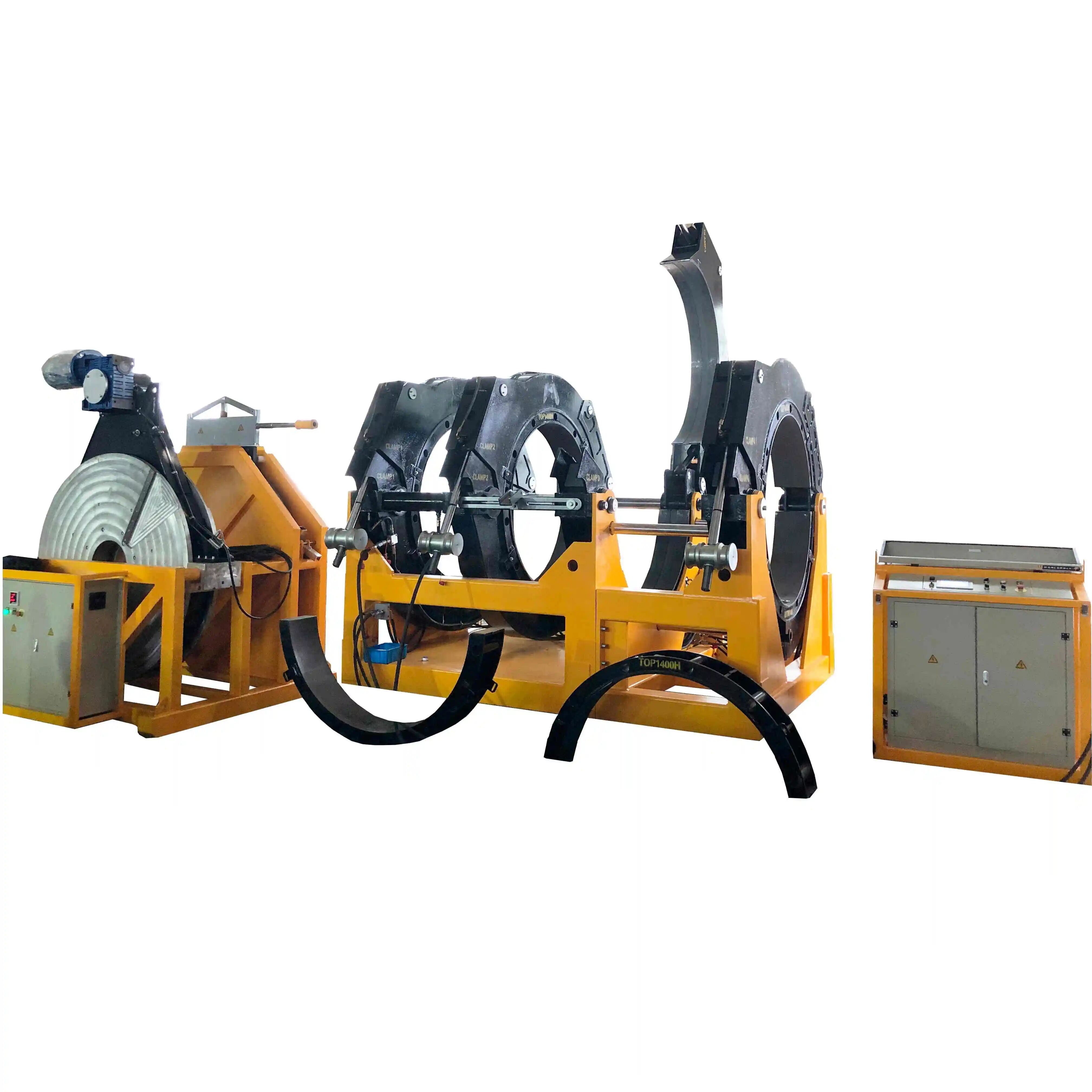
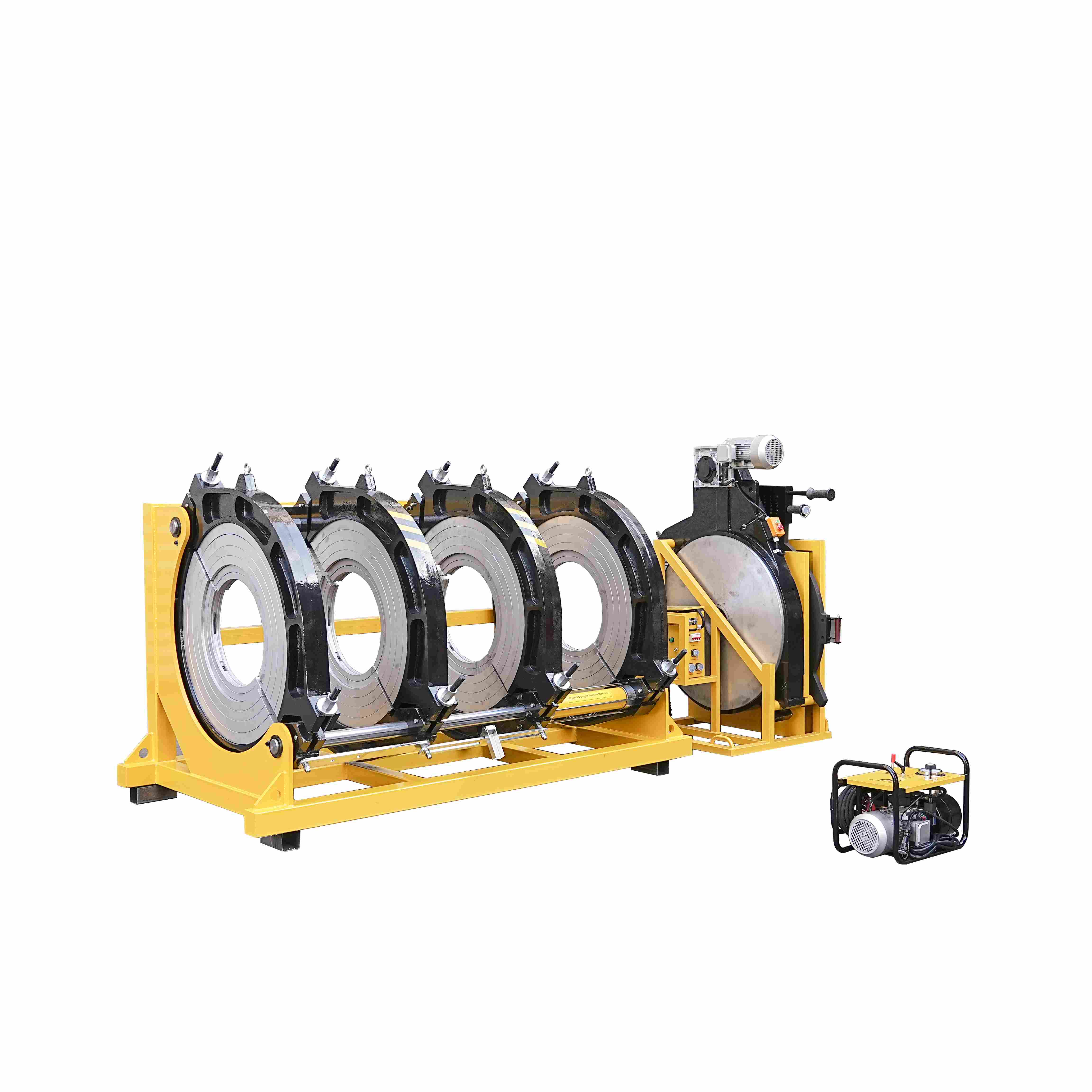
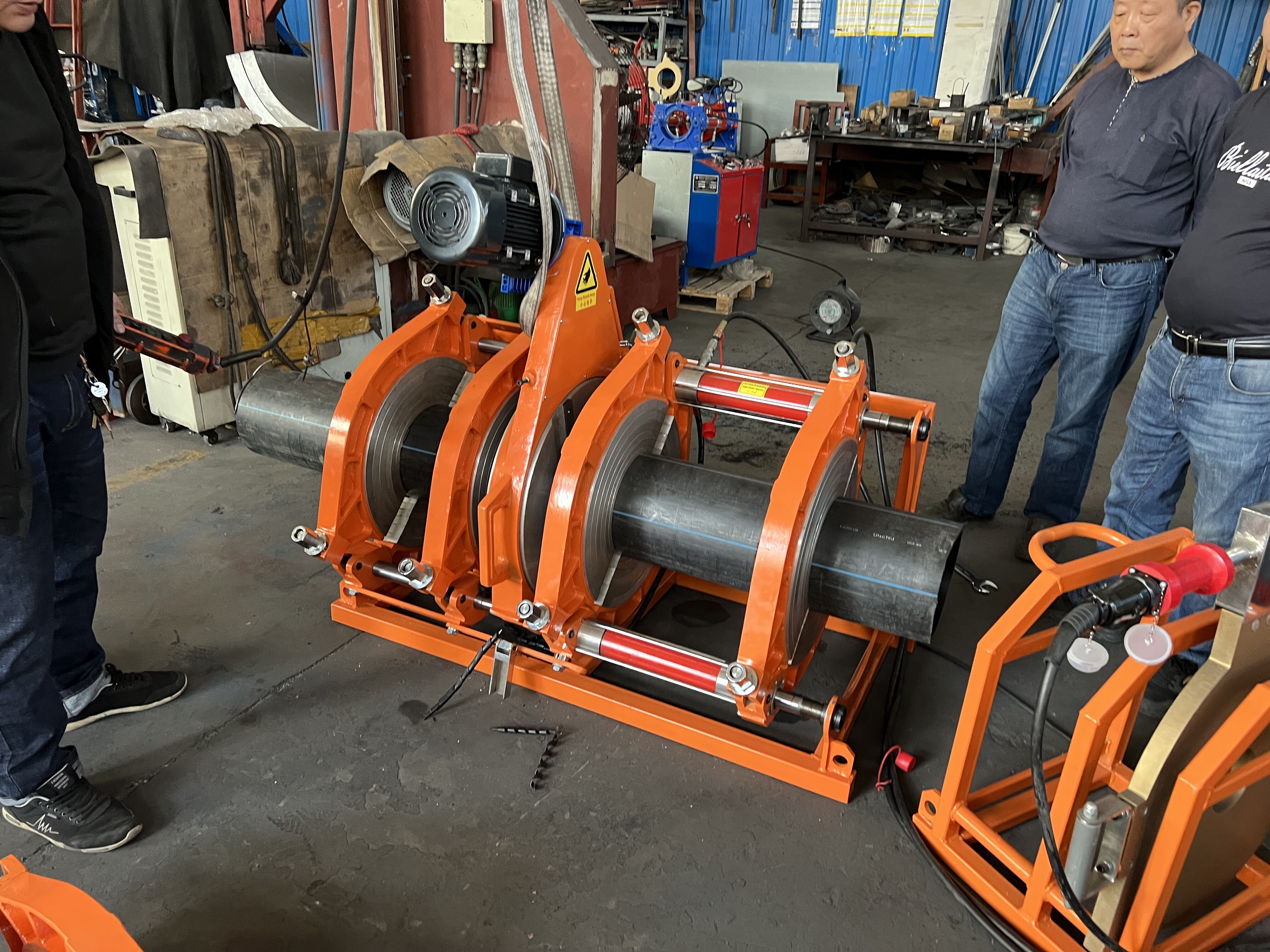
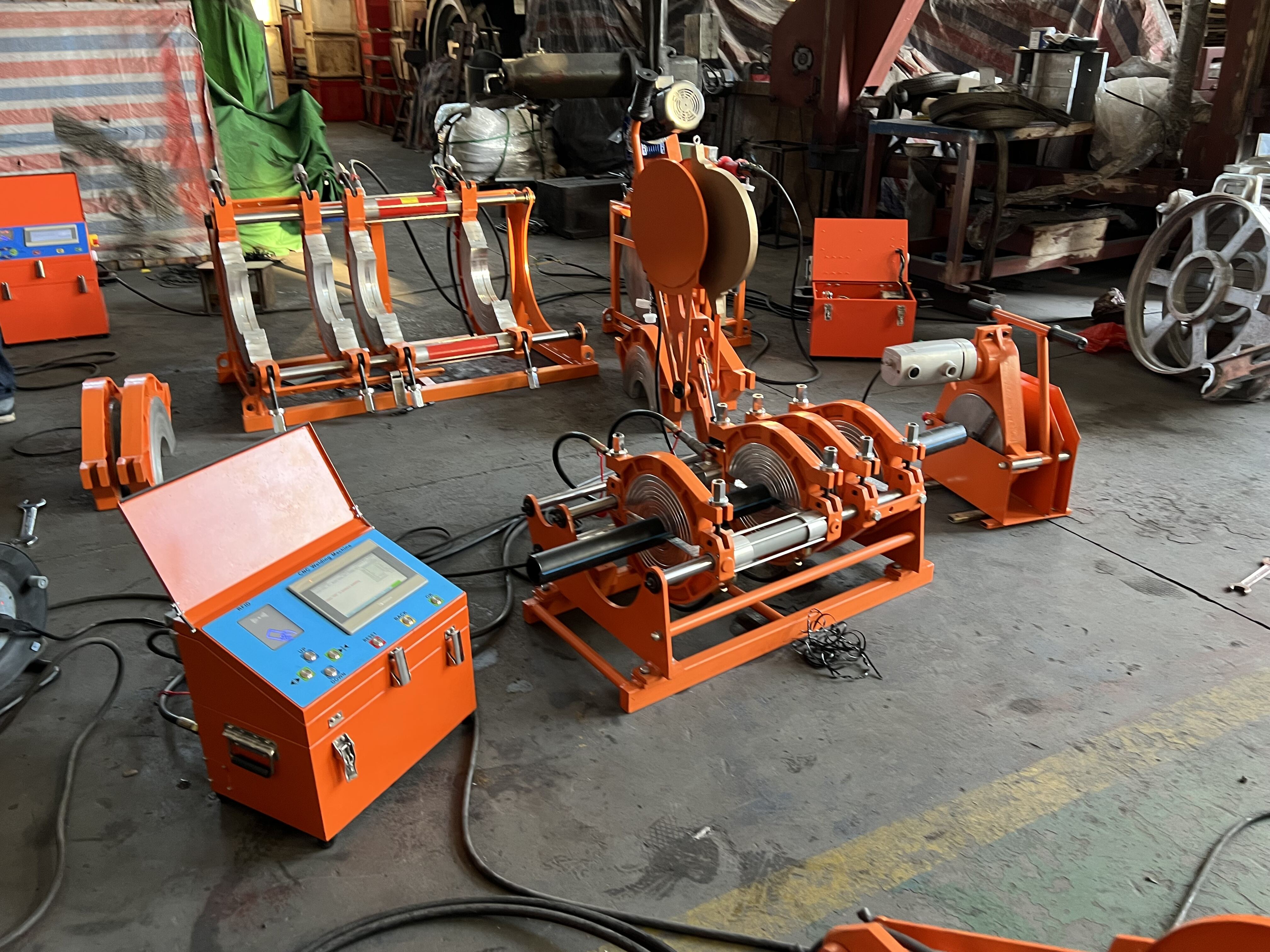
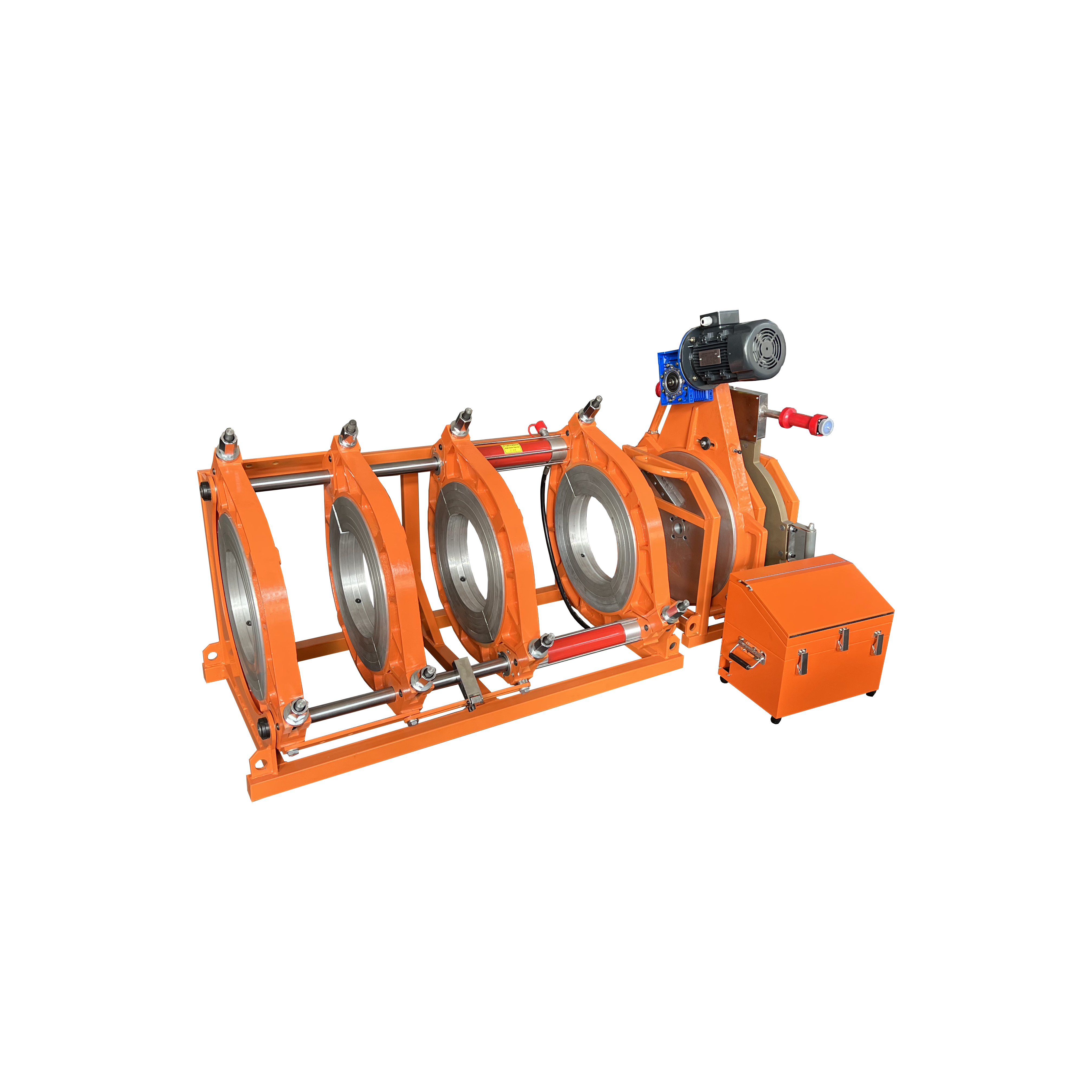
An automated pipe welder represents a significant advancement in welding technology, designed specifically to join pipes and tubular components with precision and consistency. This sophisticated equipment integrates robotics, computer controls, and advanced welding processes to create high-quality welds on pipelines used across various industries. The automated pipe welder operates by positioning the welding head around the pipe circumference while maintaining optimal parameters throughout the entire welding cycle. Modern systems incorporate orbital welding technology, which rotates the welding torch around stationary pipes, ensuring uniform heat distribution and penetration. The equipment typically consists of a power source, control unit, welding head, and positioning system that work together seamlessly. These machines can handle various pipe diameters, wall thicknesses, and materials including carbon steel, stainless steel, aluminum, and exotic alloys. The primary function involves creating consistent, defect-free welds that meet stringent quality standards required in critical applications. Technological features include programmable welding parameters, real-time monitoring systems, and adaptive controls that adjust to variations in fit-up and material properties. Many automated pipe welder systems feature touch-screen interfaces that allow operators to input specifications, select welding procedures, and monitor progress. Advanced models incorporate vision systems and sensors that detect joint geometry and automatically adjust welding variables. The equipment can perform various welding processes including Gas Tungsten Arc Welding (GTAW), Gas Metal Arc Welding (GMAW), and hybrid processes. Applications span numerous sectors including oil and gas pipelines, power generation facilities, chemical processing plants, pharmaceutical manufacturing, food and beverage production, and semiconductor fabrication. The automated pipe welder proves particularly valuable in environments requiring sanitary welds, high-purity applications, or where human access is limited. This technology has revolutionized pipe fabrication by reducing welding time, minimizing human error, and producing repeatable results that satisfy regulatory requirements and industry codes.


New Product Releases

The automated pipe welder delivers substantial benefits that directly impact your bottom line and project success. First and foremost, this equipment dramatically improves weld quality consistency. Unlike manual welding where results vary based on welder skill and fatigue, automation maintains identical parameters for every weld, producing uniform penetration, bead appearance, and mechanical properties. This consistency translates to fewer rejections, reduced rework costs, and higher first-pass acceptance rates during inspections. You will see immediate improvements in productivity as the automated pipe welder operates continuously without breaks, working faster than manual methods while maintaining precision. Projects that once took weeks can now be completed in days, accelerating your delivery schedules and increasing throughput. The equipment reduces labor costs significantly by requiring fewer skilled welders to accomplish the same work volume. One operator can often supervise multiple automated pipe welder units simultaneously, multiplying output without proportionally increasing labor expenses. This addresses the industry-wide shortage of qualified welders while maintaining production capacity. Safety improvements represent another crucial advantage. The automated pipe welder removes operators from hazardous welding environments, reducing exposure to arc radiation, fumes, heat, and repetitive strain injuries. Workers operate controls from safe distances, monitoring the process rather than performing it directly. This results in fewer workplace accidents, lower insurance premiums, and improved employee wellbeing. Material savings add up quickly because automated systems optimize consumable usage. Precise control over wire feed rates, shielding gas flow, and heat input minimizes waste while reducing distortion that can scrap expensive pipe sections. The equipment also enables you to work with thinner wall pipes that would be challenging to weld manually, expanding your material options and potentially reducing material costs. Documentation capabilities built into modern automated pipe welder systems provide complete traceability. The equipment records welding parameters, operator identification, and timestamps for every weld, creating audit trails that satisfy quality management systems and regulatory compliance requirements. This data helps you demonstrate due diligence and quickly investigate any issues that arise. The automated pipe welder adapts easily to different projects. Stored welding procedures can be recalled instantly, eliminating setup time between jobs and ensuring that proven parameters are applied consistently. This flexibility allows you to handle diverse customer requirements without extensive reprogramming or adjustment periods. Finally, the investment in automated pipe welder technology enhances your competitive position. You can bid on contracts requiring certified automated welding procedures, access markets with stringent quality requirements, and differentiate your services based on superior reliability and speed.

Tips And Tricks

What Is a Plastic Pipe Electric Fusion Welder and How Does It Work?

15

Apr

What Is a Plastic Pipe Electric Fusion Welder and How Does It Work?

A plastic pipe electric fusion welder is a specialized welding device designed to join thermoplastic pipes and fittings through a controlled heating process known as electrofusion. This technology has revolutionized the way polyethylene, polypropylen...
View More
How Can a Plastic Sheet Butt Welding Machine Ensure Strong Seams?

05

May

How Can a Plastic Sheet Butt Welding Machine Ensure Strong Seams?

The strength and integrity of welded plastic seams directly impact the performance, durability, and safety of countless industrial applications, from geomembranes in environmental containment to large-scale tank fabrication. Achieving consistently st...
View More
How Can an HDPE Thermofusion Welding Machine Ensure Leak Free Systems?

23

Jun

How Can an HDPE Thermofusion Welding Machine Ensure Leak Free Systems?

In pipeline infrastructure across water treatment, gas distribution, and industrial fluid handling, achieving a truly leak-free system is one of the most demanding engineering challenges operators face. The HDPE thermofusion welding machine has emerg...
View More
How Can a Plastic Band Cutting Saw Ensure Accurate Cutting Results?

30

Jun

How Can a Plastic Band Cutting Saw Ensure Accurate Cutting Results?

In plastic fabrication and industrial processing environments, precision is not a luxury — it is a baseline requirement. A plastic band cutting saw is one of the most reliable tools available when consistent, clean, and accurate cuts are the goal. Wh...
View More

Get a Free Quote

Our representative will contact you soon.
E-mail
Name
Mobile/WhatsApp
Company Name
Message
0/1000

automated pipe welder

Precision Control Systems Ensure Perfect Welds Every Time

Precision Control Systems Ensure Perfect Welds Every Time

The heart of any automated pipe welder lies in its sophisticated precision control systems that monitor and adjust welding parameters in real-time to ensure flawless results. These systems represent a quantum leap beyond traditional welding methods by incorporating multiple sensors, feedback loops, and intelligent algorithms that respond instantly to changing conditions. The control architecture continuously measures arc voltage, current, travel speed, and wire feed rate thousands of times per second, comparing actual values against programmed specifications. When deviations occur, the system makes immediate corrections before defects can form, maintaining optimal welding conditions throughout the entire joint. This level of precision proves impossible for even the most skilled manual welder to achieve consistently. The automated pipe welder control system also compensates for variables that typically compromise weld quality, such as fluctuations in electrical supply, variations in joint fit-up, and inconsistencies in material composition. Advanced models employ adaptive algorithms that learn from each weld, refining their approach based on accumulated data to optimize performance over time. The touchscreen interface provides intuitive access to hundreds of pre-programmed welding procedures developed for specific materials, pipe sizes, and application requirements. Operators simply select the appropriate procedure, and the automated pipe welder configures all parameters automatically, eliminating guesswork and setup errors. The system stores custom procedures that you develop for unique applications, building an organizational knowledge base that preserves expertise regardless of personnel changes. Real-time displays show operators exactly what is happening during the welding process, with graphical representations of current, voltage, and travel speed that make it easy to verify proper operation. Built-in diagnostics alert users to potential issues before they affect weld quality, such as low shielding gas pressure, worn contact tips, or power supply irregularities. This predictive capability minimizes downtime by enabling proactive maintenance rather than reactive repairs. The precision control systems in an automated pipe welder also integrate seamlessly with quality management software, automatically documenting every weld with complete parameter records. This data proves invaluable for process optimization, failure analysis, and demonstrating compliance with welding codes and standards. The ability to produce statistically validated evidence of weld quality satisfies the most demanding customers and regulatory bodies while protecting your organization from liability.
Orbital Welding Technology Delivers Unmatched Joint Integrity

Orbital Welding Technology Delivers Unmatched Joint Integrity

Orbital welding technology incorporated in the automated pipe welder fundamentally changes how circumferential pipe joints are created, delivering joint integrity that exceeds what manual processes can achieve. This technology involves a welding head that travels completely around the pipe while the pipe remains stationary, maintaining precise positioning relative to the joint throughout the entire rotation. The orbital approach eliminates the inconsistencies inherent in manual welding where the welder must constantly adjust their position, often working in awkward positions that compromise technique. With an automated pipe welder using orbital technology, the torch maintains the exact same angle, distance, and orientation at every point around the circumference, producing perfectly symmetrical welds with uniform penetration. This consistency becomes especially critical in applications where weld failure could have catastrophic consequences, such as high-pressure pipelines, nuclear facilities, or aerospace applications. The orbital welding head in an automated pipe welder typically features a compact design that can access confined spaces where manual welding would be extremely difficult or impossible. The head clamps securely around the pipe, self-aligning to ensure concentricity before welding begins. Advanced heads incorporate multiple axes of motion that allow the torch to weave or oscillate in programmed patterns, increasing deposition rates and improving fusion in thick-wall applications. The automated pipe welder with orbital capability excels at creating sanitary welds required in pharmaceutical, food processing, and semiconductor industries. These applications demand smooth interior surfaces free from crevices where contaminants could accumulate. Orbital technology produces consistent ID surface profiles that meet stringent cleanliness standards while minimizing heat input that could distort thin-wall tubing. The technology also enables single-sided welding with full penetration, eliminating the need for backing rings or purge dams that can trap contaminants. Another significant advantage of orbital welding in an automated pipe welder involves the ability to weld in any position without parameter changes. Whether the pipe is horizontal, vertical, or at an angle, the system maintains optimal conditions by adjusting variables automatically based on the torch position. This versatility simplifies fixturing requirements and allows you to weld pipes in their installed positions rather than removing them for shop fabrication. The orbital automated pipe welder also reduces the need for extensive joint preparation compared to manual methods, as the precise control compensates for minor fit-up variations that would cause problems with manual techniques.
Increased Productivity Through Continuous Operation Capabilities

Increased Productivity Through Continuous Operation Capabilities

The automated pipe welder transforms productivity metrics through its ability to operate continuously with minimal supervision, fundamentally changing project timelines and resource allocation. Unlike manual welding operations that are limited by human endurance, the automated pipe welder maintains consistent performance throughout extended shifts, working at optimal speed without fatigue-related slowdowns or quality degradation. This continuous operation capability means that a single automated pipe welder can produce as much work as multiple manual welders over the same time period. The equipment operates reliably for hours without breaks, maintaining the same precision on the last weld as on the first. This consistency allows you to accurately predict completion times and commit to aggressive delivery schedules with confidence. The automated pipe welder also reduces non-productive time significantly by minimizing setup and changeover periods. Stored welding procedures can be recalled in seconds, and the equipment automatically configures itself for different pipe sizes, materials, and welding processes. This quick changeover capability proves especially valuable in job shop environments where product mix varies frequently. You can switch from welding stainless steel tubing to carbon steel pipe with just a few button presses, maintaining high utilization rates throughout the workday. The productivity gains from an automated pipe welder extend beyond simple speed improvements. The equipment enables you to reallocate skilled welders to higher-value activities such as complex manual welding tasks, quality control, or supervision of multiple automated systems. This multiplier effect amplifies the productivity benefits as one skilled worker can oversee several automated pipe welder units simultaneously, each producing consistent high-quality welds. The equipment also operates effectively with less experienced operators after appropriate training, addressing workforce challenges while maintaining output quality. Integration capabilities further enhance productivity by allowing the automated pipe welder to function as part of a larger automated fabrication system. The equipment can interface with pipe handling systems, cutting machines, and inspection equipment to create streamlined workflows with minimal manual intervention. This integration reduces handling time, eliminates bottlenecks, and creates continuous flow from raw material to finished product. The automated pipe welder also reduces downstream costs associated with inspection and testing. The consistent quality and complete documentation provided by the system often allows reduced inspection sampling rates, as statistical process control data demonstrates the stability and capability of the welding process. Inspectors spend less time examining welds and more time on value-added quality assurance activities. When defects do occur, the automated pipe welder data logs enable rapid root cause analysis and corrective action, minimizing the impact on production schedules.

Get a Free Quote

Our representative will contact you soon.
E-mail
Name
Mobile/WhatsApp
Company Name
Message
0/1000