Professional Pipe Welding Equipment - Advanced Industrial Welding Solutions

Get a Free Quote

Our representative will contact you soon.
E-mail
Name
Mobile/WhatsApp
Company Name
Message
0/1000

pipe welding equipment

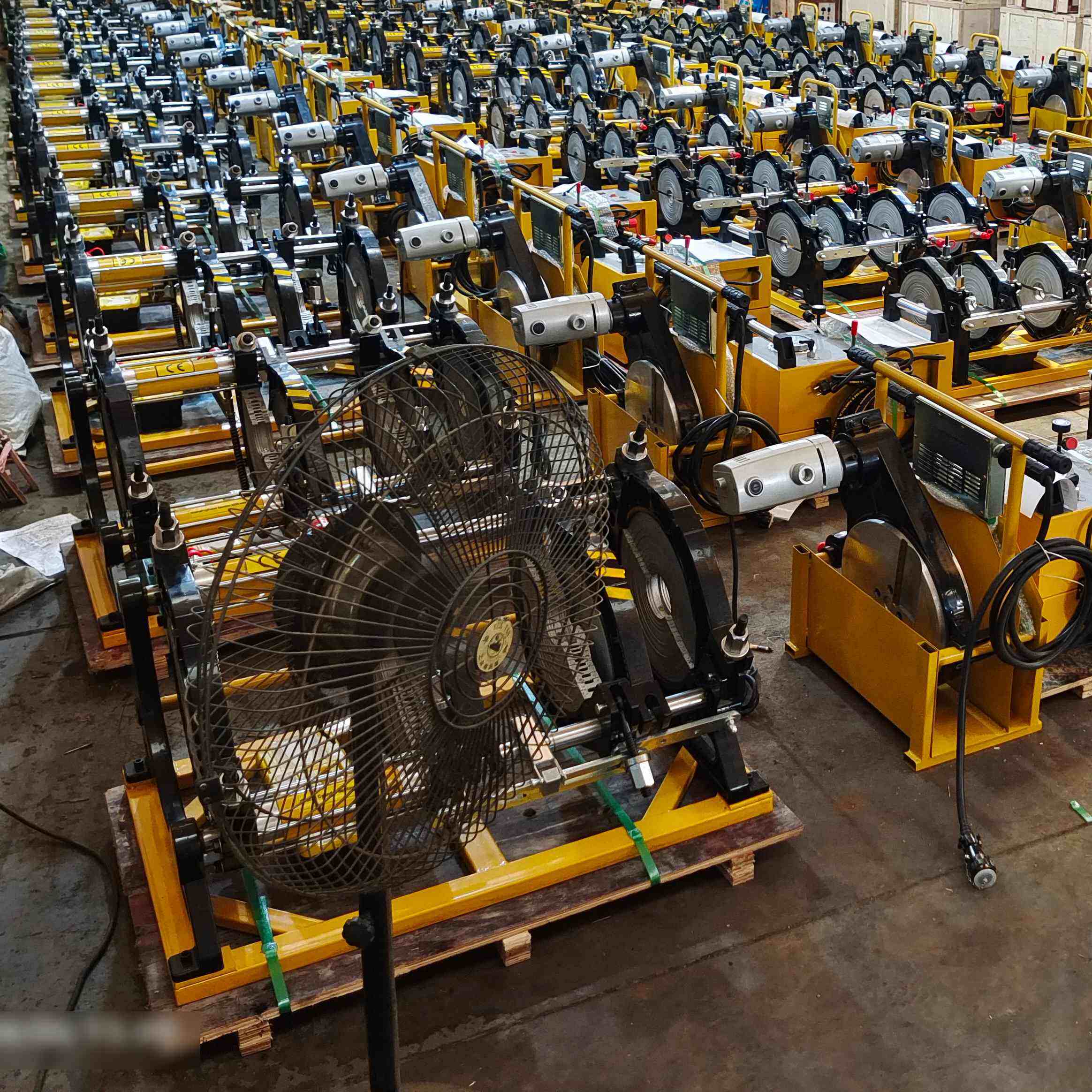
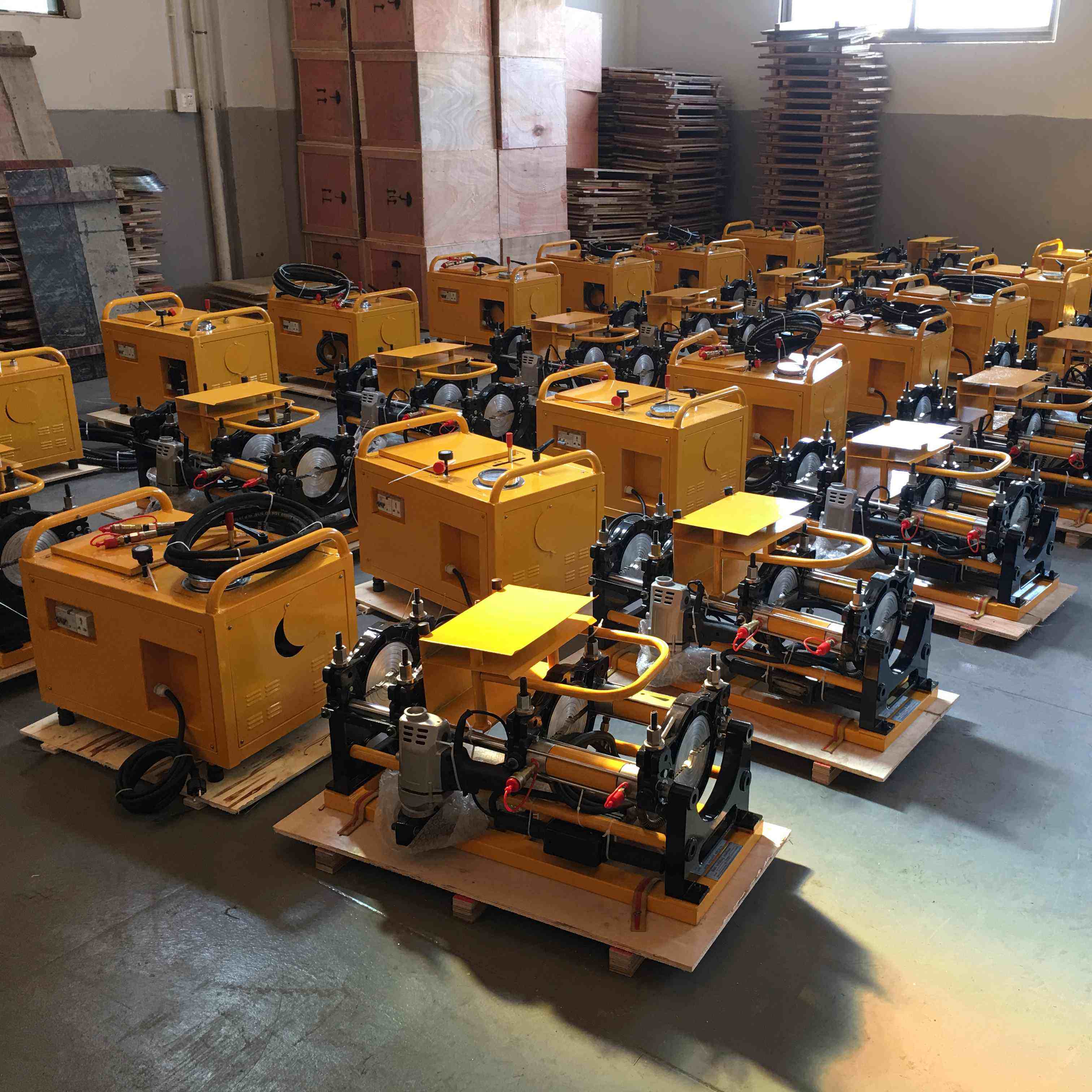
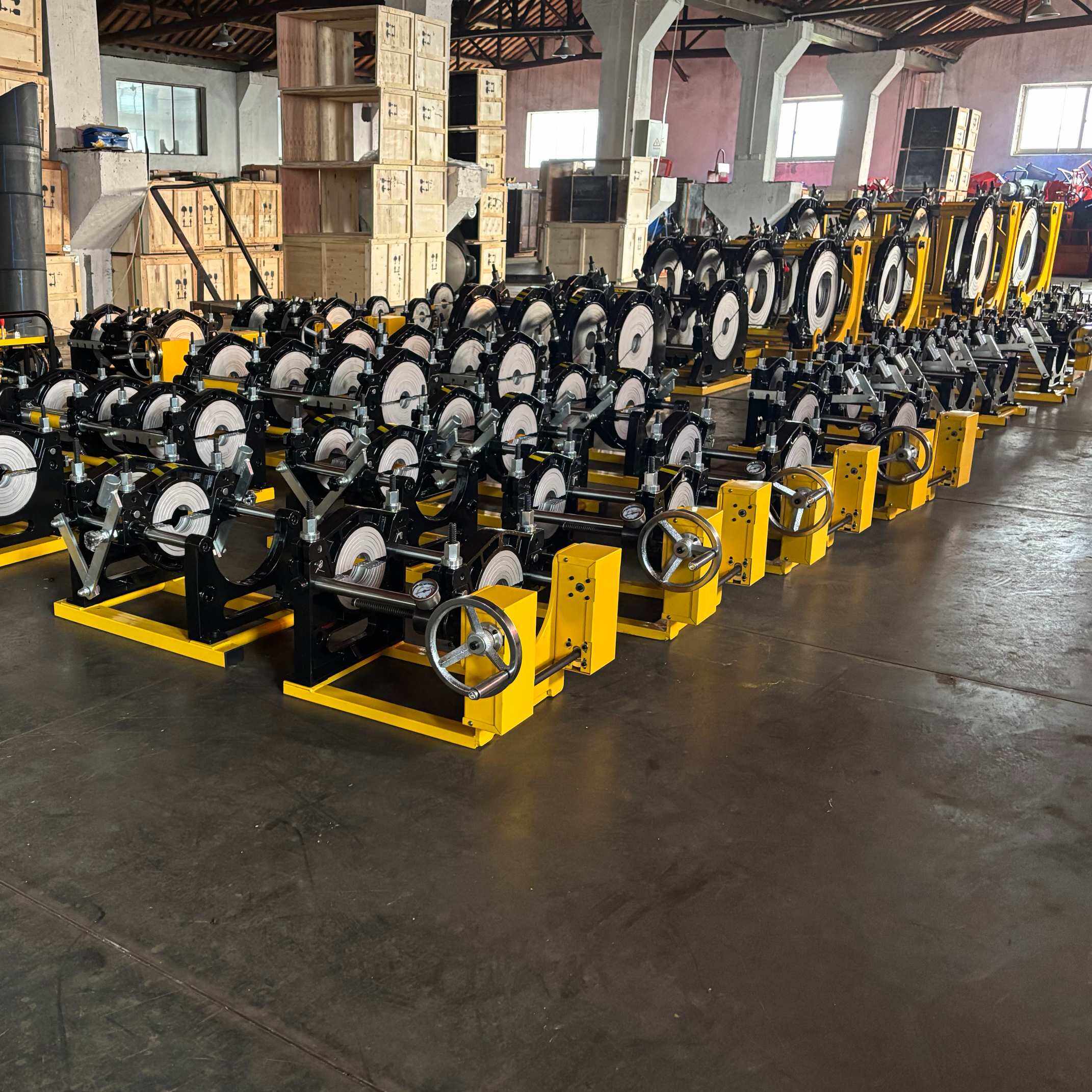
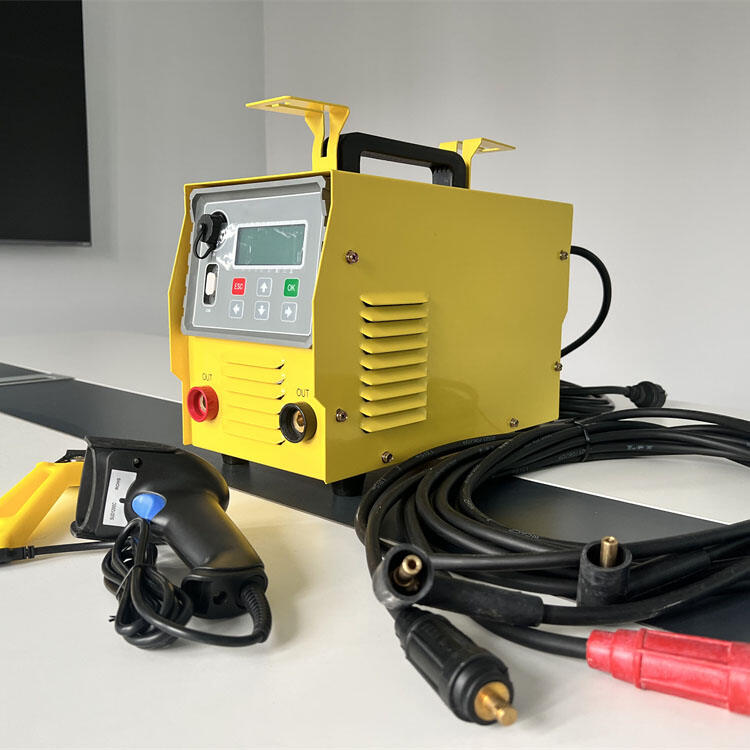
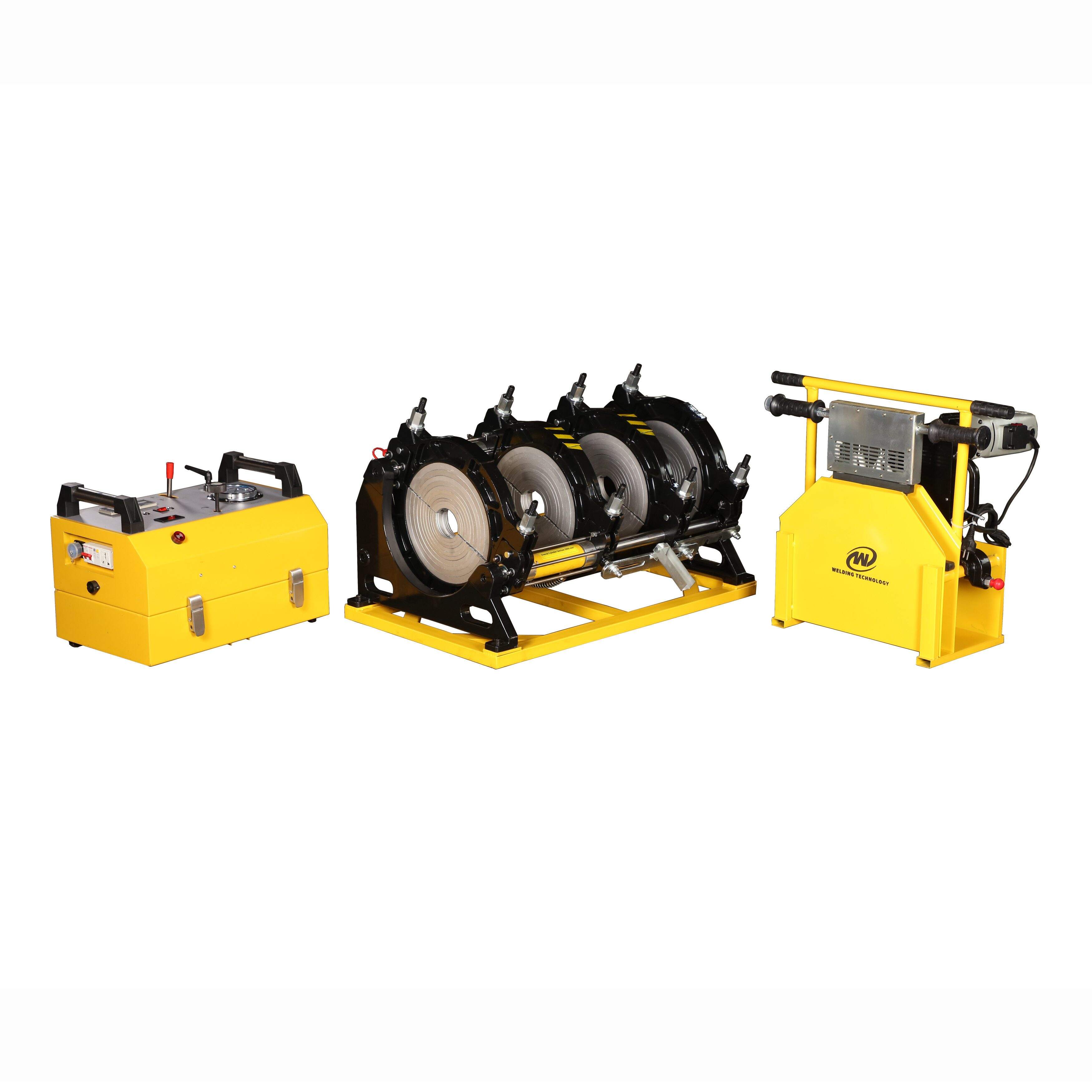
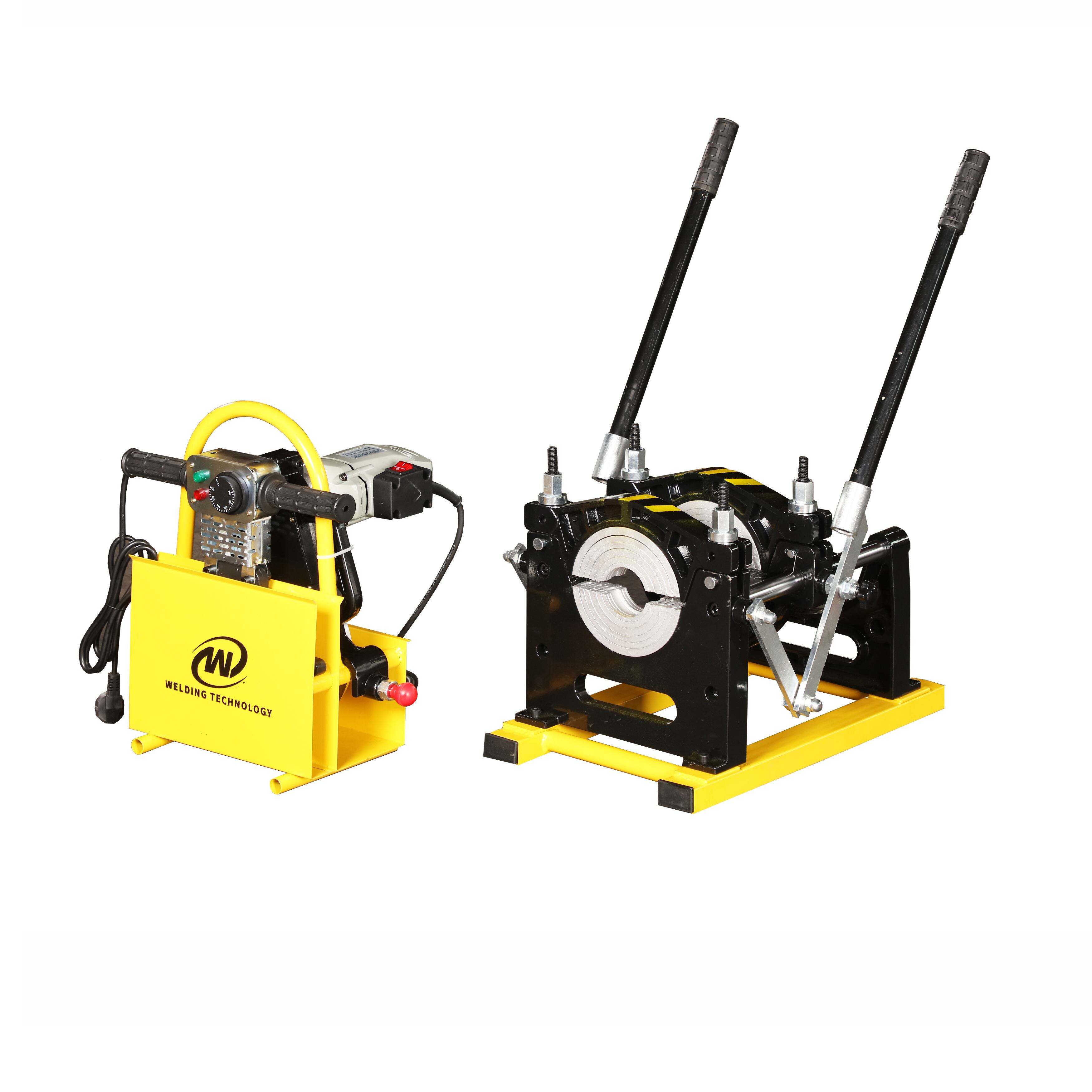
Pipe welding equipment represents a critical component in modern industrial manufacturing, designed specifically to create strong, durable joints between pipes and tubular components. This specialized machinery encompasses various welding technologies including TIG (Tungsten Inert Gas), MIG (Metal Inert Gas), and automated orbital welding systems that ensure consistent, high-quality welds across different pipe materials and sizes. The primary function of pipe welding equipment centers on creating leak-proof connections that withstand extreme pressures, temperatures, and corrosive environments commonly found in industrial applications. Modern pipe welding equipment incorporates advanced control systems that monitor welding parameters such as current, voltage, travel speed, and shielding gas flow to maintain optimal welding conditions throughout the process. These systems feature precise arc control mechanisms that adapt to varying pipe geometries and material thicknesses, ensuring uniform penetration and minimal distortion. The technological features include digital displays for real-time parameter monitoring, programmable welding sequences for repetitive operations, and data logging capabilities that support quality control requirements. Many units integrate remote control functionality, allowing operators to manage welding operations from safe distances, particularly important when working with hazardous materials or in confined spaces. The equipment typically includes adjustable pipe supports, motorized rotation systems, and automatic torch positioning mechanisms that accommodate pipes ranging from small diameter tubing to large industrial pipelines. Advanced models feature adaptive control systems that automatically adjust welding parameters based on joint configuration and material properties, reducing the skill level required for consistent results. The applications span multiple industries including oil and gas, petrochemical processing, power generation, pharmaceutical manufacturing, and food processing, where reliable pipe joints are essential for operational safety and efficiency. These systems also support various pipe materials including stainless steel, carbon steel, aluminum, and exotic alloys used in specialized applications requiring superior corrosion resistance or high-temperature performance.

New Products

Pipe welding equipment delivers significant advantages that directly translate to improved productivity, cost savings, and enhanced weld quality for industrial operations. The precision control offered by modern pipe welding equipment eliminates the variability associated with manual welding techniques, resulting in consistent weld profiles that meet stringent industry standards. This consistency reduces the need for costly rework and minimizes material waste, providing immediate financial benefits to users. The automated nature of pipe welding equipment dramatically increases production speeds compared to traditional manual methods, allowing operators to complete more joints per shift while maintaining superior quality standards. This efficiency gain becomes particularly valuable in large-scale projects where time constraints directly impact profitability. The equipment reduces physical strain on operators by eliminating the need for sustained awkward positioning required in manual pipe welding, leading to improved worker safety and reduced injury-related costs. Advanced shielding gas management systems optimize gas consumption, reducing operating costs while ensuring proper weld protection from atmospheric contamination. The programmable features allow operators to store proven welding procedures for different pipe specifications, ensuring repeatability across multiple projects and reducing setup time for similar applications. Real-time monitoring capabilities enable immediate detection of welding anomalies, preventing defective welds from progressing and avoiding expensive repairs later in the process. The equipment supports documentation requirements through automatic data recording, simplifying quality assurance procedures and regulatory compliance efforts. Temperature control features prevent overheating that could compromise pipe material properties, maintaining structural integrity throughout the welding process. The versatility to handle multiple pipe sizes and materials within a single system reduces equipment investment costs compared to purchasing separate specialized units. Integration capabilities allow pipe welding equipment to connect with existing production management systems, enabling better scheduling and resource allocation. The enclosed welding environment created by many systems improves arc stability and reduces spatter, resulting in cleaner welds that require minimal post-weld cleanup. Training requirements are reduced due to intuitive control interfaces and automated parameter selection, allowing operators to achieve professional results with less extensive welding experience. The reliability of modern pipe welding equipment minimizes downtime associated with equipment failures, ensuring consistent production schedules and meeting project deadlines.

Latest News

Global Fusion Welding Machinery Market Booms, Hangzhou Welding Leads Chinese Manufacturing to Serve 100+ Countries

11

Feb

Global Fusion Welding Machinery Market Booms, Hangzhou Welding Leads Chinese Manufacturing to Serve 100+ Countries

View More
Technological Innovation Drives Industry Upgrade, Hangzhou Welding Leads the Development of Thermoplastic Welding Technology

11

Feb

Technological Innovation Drives Industry Upgrade, Hangzhou Welding Leads the Development of Thermoplastic Welding Technology

View More
Accelerating Global Layout, Hangzhou Welding Technology Drives International Market Development with the Dual Wheels of

11

Feb

Accelerating Global Layout, Hangzhou Welding Technology Drives International Market Development with the Dual Wheels of "Products + Services"

View More

Get a Free Quote

Our representative will contact you soon.
E-mail
Name
Mobile/WhatsApp
Company Name
Message
0/1000

pipe welding equipment

Advanced Automated Control Systems

Advanced Automated Control Systems

The sophisticated automated control systems integrated into modern pipe welding equipment represent a revolutionary advancement that transforms traditional welding operations into precision manufacturing processes. These intelligent systems continuously monitor and adjust critical welding parameters including arc voltage, welding current, travel speed, and wire feed rate in real-time, ensuring optimal conditions throughout the entire welding cycle. The control algorithms analyze feedback from multiple sensors positioned around the welding area, detecting variations in joint fit-up, material thickness, and environmental conditions that could affect weld quality. When deviations are detected, the system automatically compensates by adjusting parameters within predetermined ranges, maintaining consistent penetration and preventing common defects such as lack of fusion or excessive reinforcement. The programmable nature of these control systems allows operators to create and store custom welding procedures for different pipe specifications, materials, and joint configurations, eliminating guesswork and ensuring repeatability across multiple projects. Advanced models feature adaptive learning capabilities that analyze welding performance data to optimize parameters for specific applications, continuously improving results over time. The user interface typically includes touchscreen displays that provide intuitive access to welding programs, real-time parameter monitoring, and diagnostic information, making the equipment accessible to operators with varying skill levels. Remote monitoring capabilities enable supervisors to track welding operations from central locations, facilitating better project management and quality control oversight. The integration of artificial intelligence algorithms in premium systems enables predictive maintenance scheduling based on usage patterns and component wear indicators, minimizing unexpected downtime and extending equipment life. These control systems also support compliance with industry standards by automatically documenting welding parameters, creating traceable records that satisfy quality assurance requirements in regulated industries such as nuclear power and aerospace manufacturing.
Precision Orbital Welding Technology

Precision Orbital Welding Technology

Precision orbital welding technology incorporated in advanced pipe welding equipment delivers unparalleled accuracy and consistency that surpasses traditional welding methods by significant margins. This technology utilizes a mechanized welding head that travels around the pipe circumference in a precise orbital path, maintaining constant arc length and travel speed throughout the complete 360-degree rotation. The orbital mechanism eliminates human variables such as hand steadiness, travel speed variations, and arc manipulation inconsistencies that commonly affect manual welding quality. The welding head positioning system maintains optimal electrode angle and standoff distance automatically, ensuring proper penetration and preventing burn-through or incomplete fusion defects. Advanced orbital systems feature multiple axis control that accommodates various pipe orientations and joint configurations, including horizontal, vertical, and overhead positions without compromising weld quality. The technology incorporates sophisticated arc starting and stopping sequences that create seamless tie-ins where the orbital pass begins and ends, eliminating the weak points typically associated with manual start and stop locations. Pulse welding capabilities integrated into orbital systems provide superior control over heat input, making them ideal for thin-wall tubing and heat-sensitive materials where distortion must be minimized. The precise control over welding parameters enables orbital systems to produce X-ray quality welds consistently, meeting the stringent requirements of critical applications in pharmaceutical, semiconductor, and aerospace industries. Programmable oscillation patterns allow the system to handle varying joint preparations and fit-up conditions while maintaining optimal bead geometry and mechanical properties. The enclosed welding environment created by orbital heads provides superior gas shielding protection, preventing atmospheric contamination that could compromise weld integrity in critical applications. Real-time monitoring of orbital position and welding parameters ensures that any deviation from programmed paths is immediately detected and corrected, maintaining process reliability throughout extended production runs. The technology supports various electrode materials and shielding gases, providing flexibility to optimize welding conditions for specific pipe materials and application requirements while maintaining the precision and repeatability that makes orbital welding the preferred choice for high-consequence applications.
Comprehensive Multi-Material Compatibility

Comprehensive Multi-Material Compatibility

The comprehensive multi-material compatibility of modern pipe welding equipment provides exceptional versatility that enables users to handle diverse welding projects without requiring multiple specialized machines, significantly reducing equipment investment and operational complexity. These systems accommodate an extensive range of pipe materials including stainless steel grades from 304 to super-duplex alloys, carbon steel from standard grades to high-strength varieties, aluminum alloys, titanium, Inconel, Hastelloy, and other exotic materials used in specialized industrial applications. The equipment features adjustable power output ranges that span from low-amperage requirements for thin-wall tubing to high-current capabilities needed for heavy-wall pipeline applications, ensuring optimal welding conditions across the complete spectrum of pipe sizes and thicknesses. Advanced material recognition systems can automatically select appropriate welding parameters based on material type and thickness input, eliminating the need for operators to manually calculate complex welding variables. The gas delivery systems support multiple shielding gas options including argon, helium, nitrogen, and specialized gas mixtures, allowing optimization of arc characteristics and weld properties for each specific material combination. Pulsed welding capabilities provide precise heat control that prevents distortion in heat-sensitive materials while ensuring adequate penetration in thicker sections, making the equipment suitable for both precision instrument tubing and heavy industrial piping applications. The wire feed systems accommodate various electrode sizes and compositions, from fine diameter wires used in precision applications to larger electrodes required for high-deposition welding of thick-wall pipes. Temperature monitoring and control features prevent overheating that could alter material properties, particularly important when welding precipitation-hardening stainless steels or age-hardened aluminum alloys. The equipment includes specialized programs for welding dissimilar materials, managing the unique challenges associated with joining different alloy compositions while maintaining joint integrity and corrosion resistance. Programmable pre-heat and post-weld heat treatment cycles support materials that require specific thermal conditioning to achieve optimal mechanical properties and stress relief. The versatility extends to joint configurations, handling everything from simple butt joints to complex multi-pass groove welds, socket welds, and branch connections commonly encountered in industrial piping systems.

Get a Free Quote

Our representative will contact you soon.
E-mail
Name
Mobile/WhatsApp
Company Name
Message
0/1000