Professional Polypropylene Pipe Welding Machine - Advanced Fusion Technology for Superior Pipe Joints

Get a Free Quote

Our representative will contact you soon.
E-mail
Name
Mobile/WhatsApp
Company Name
Message
0/1000

polypropylene pipe welding machine

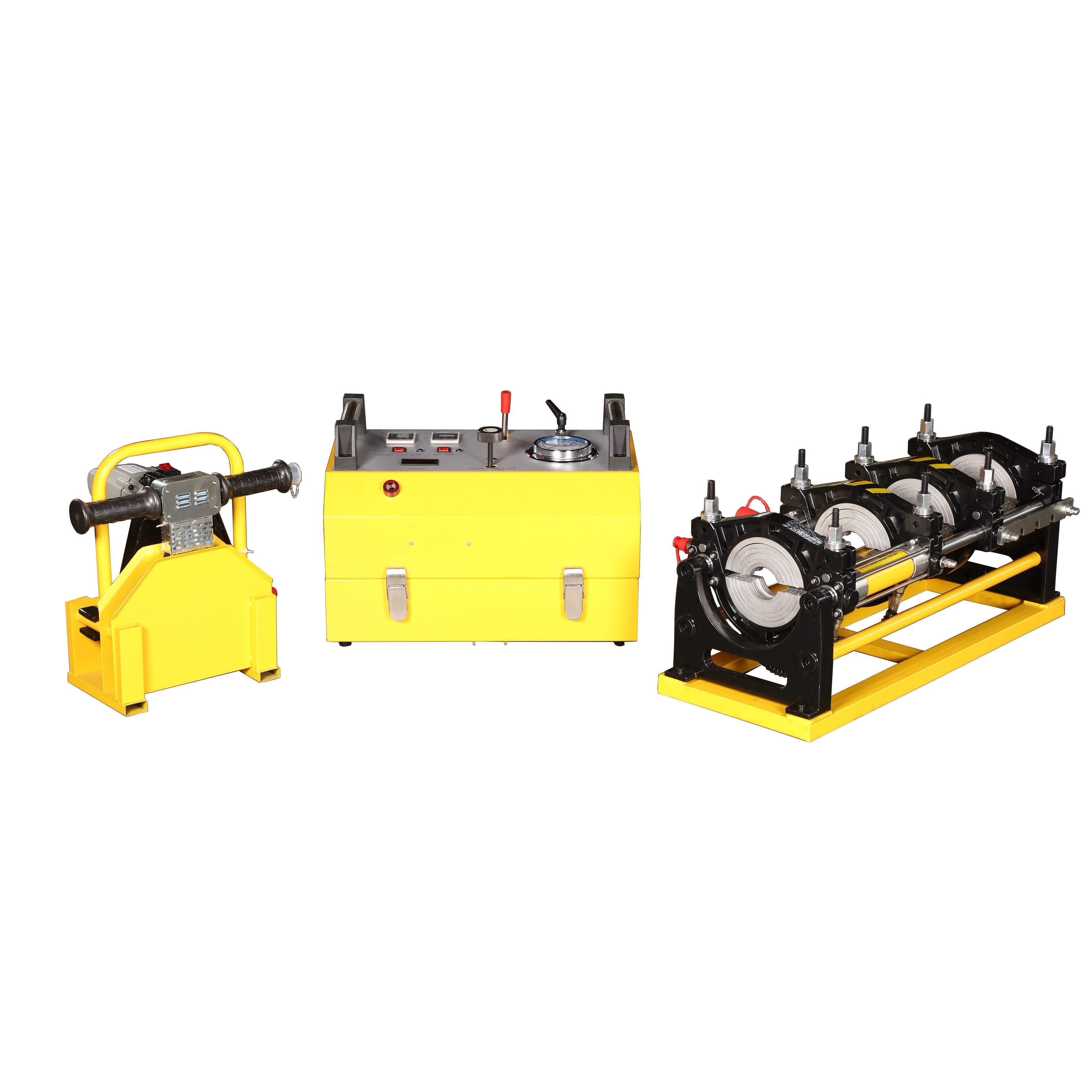
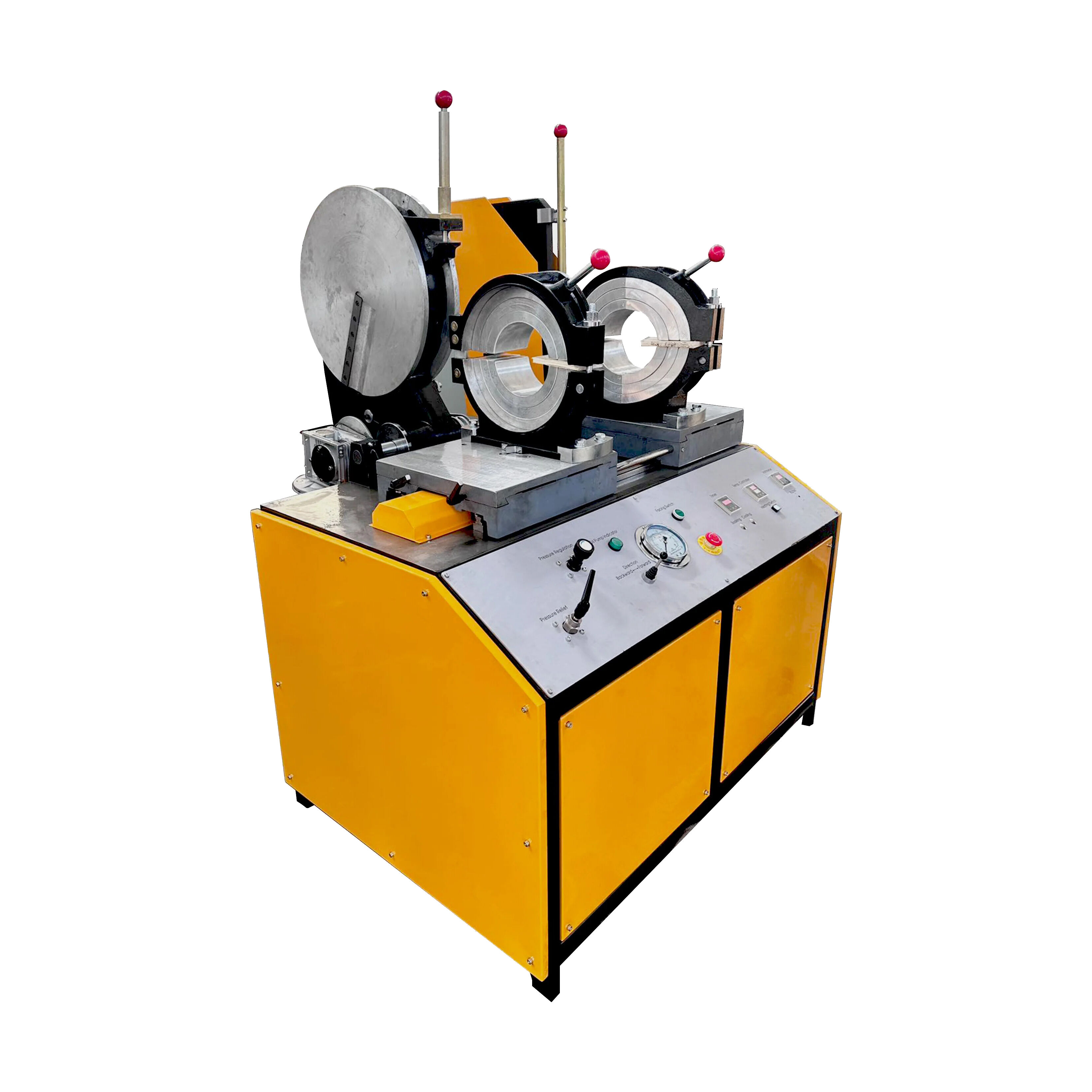
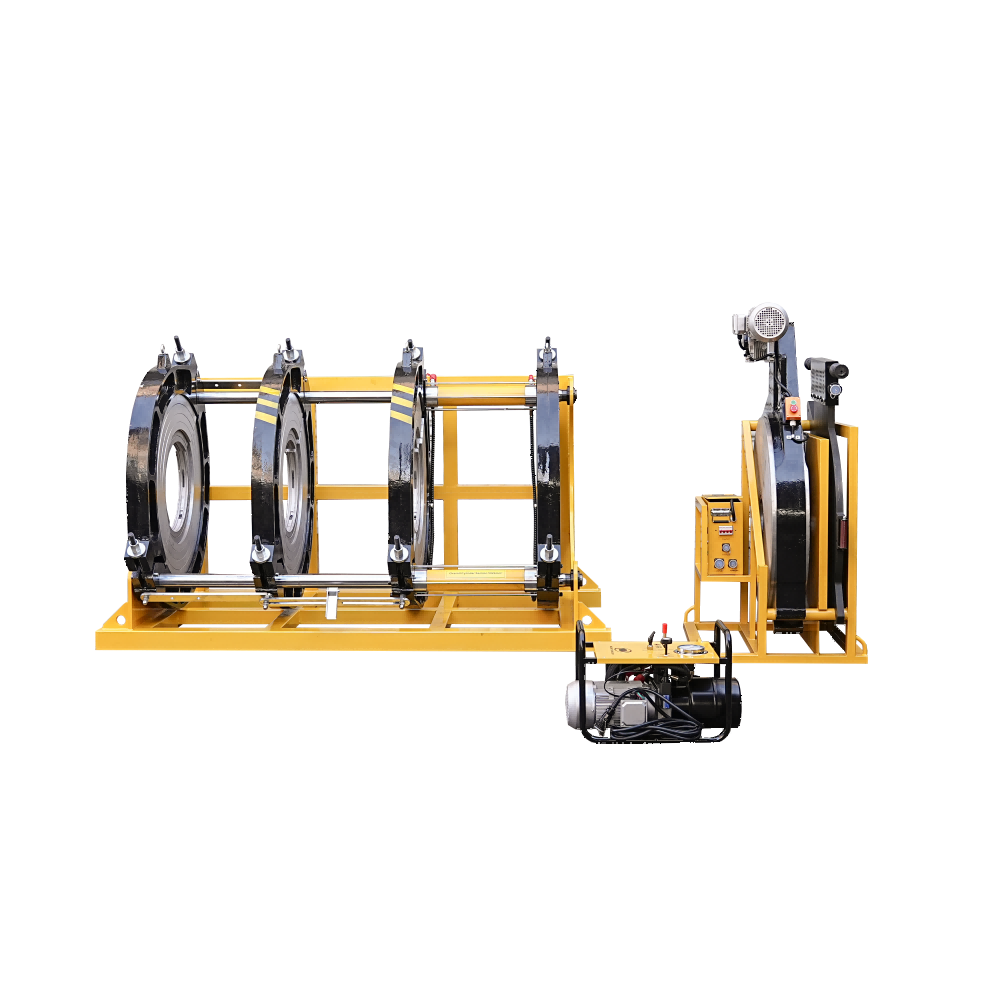
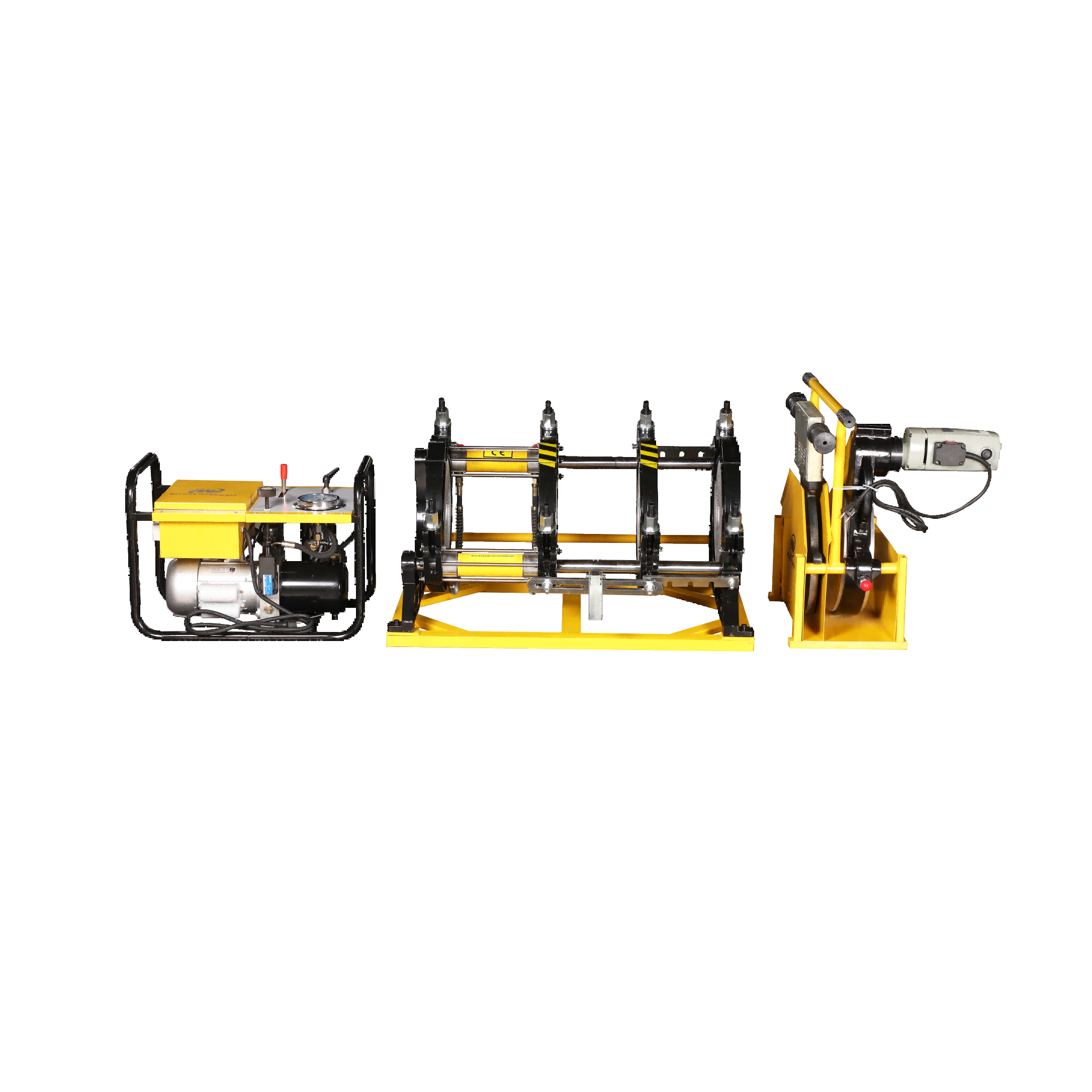
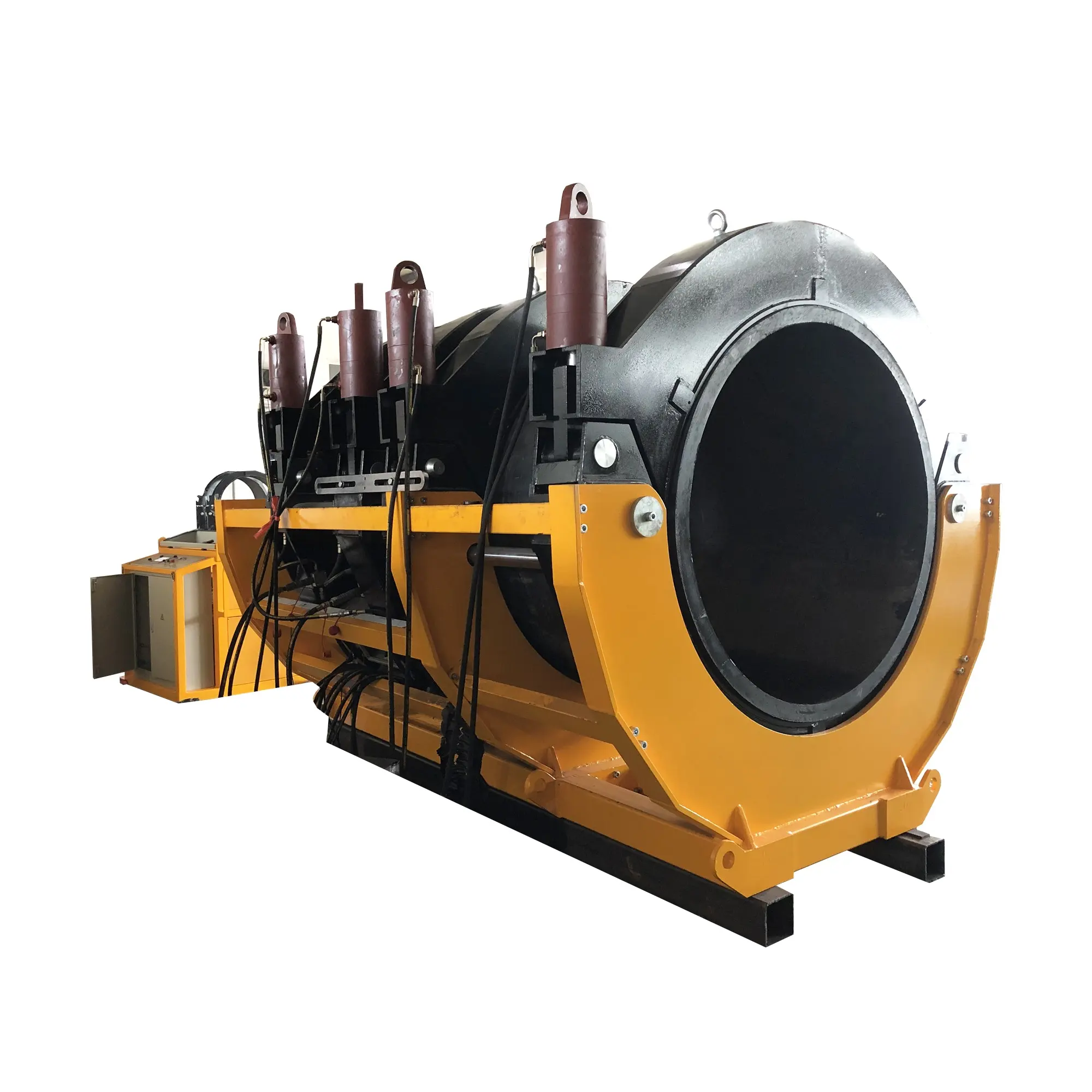
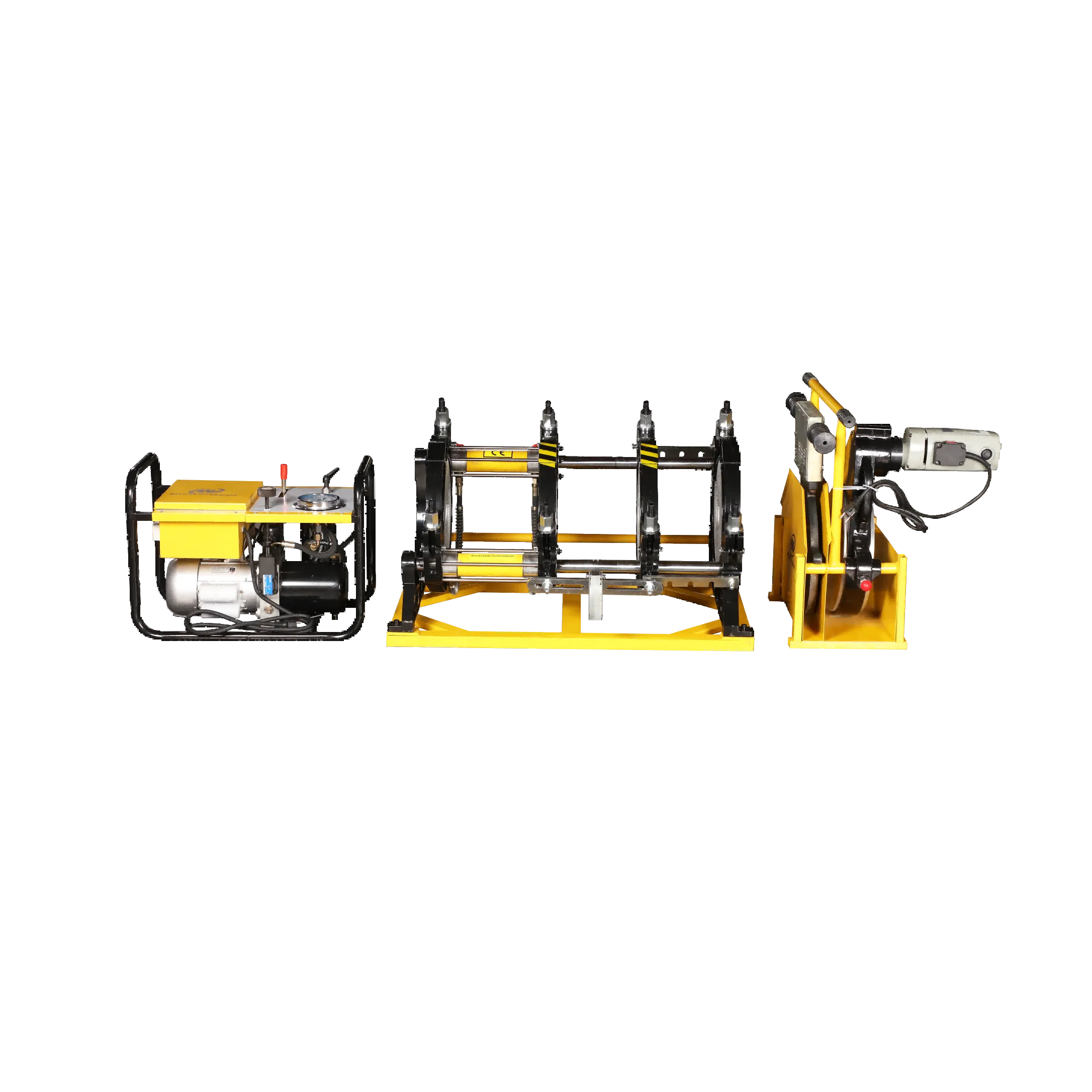
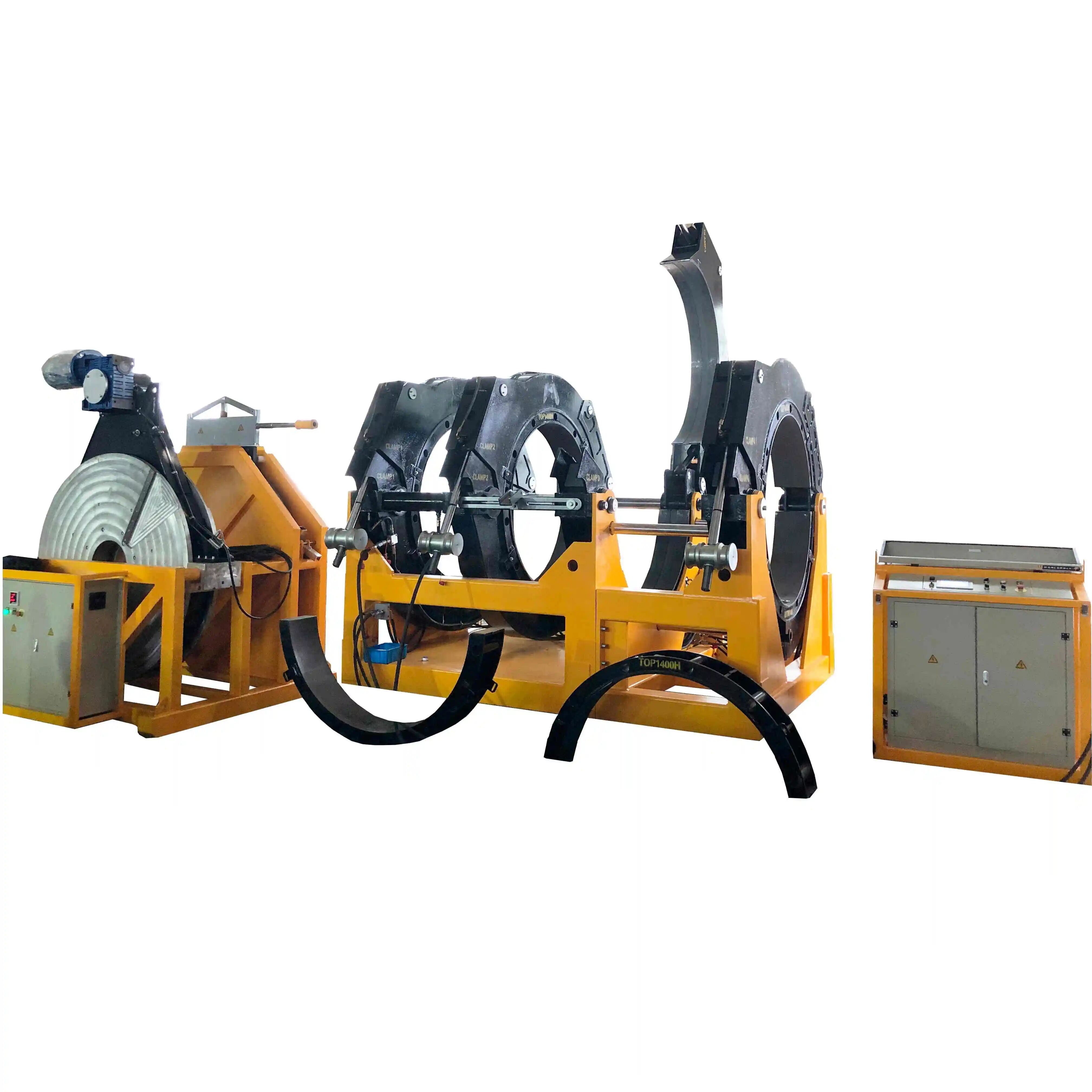
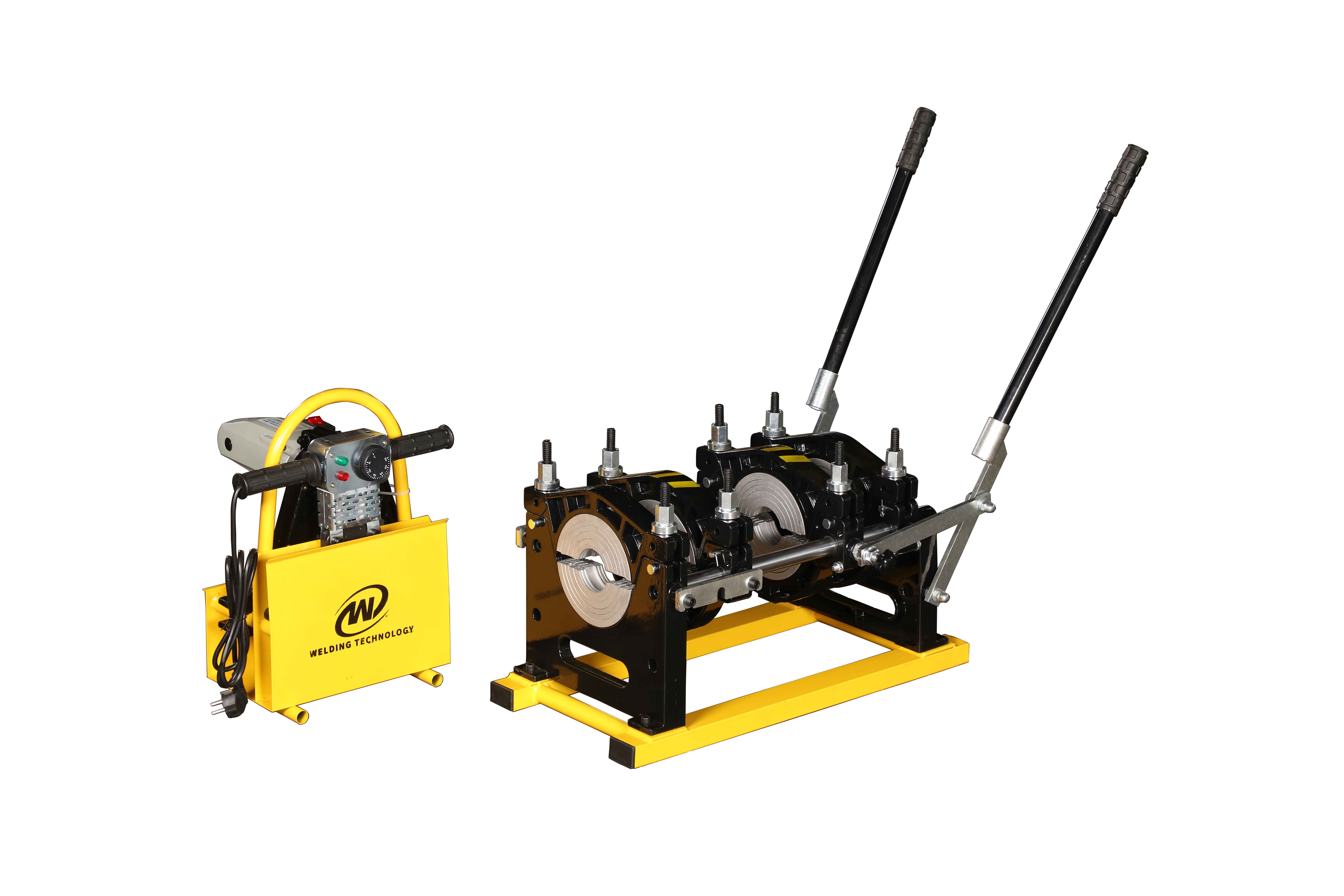
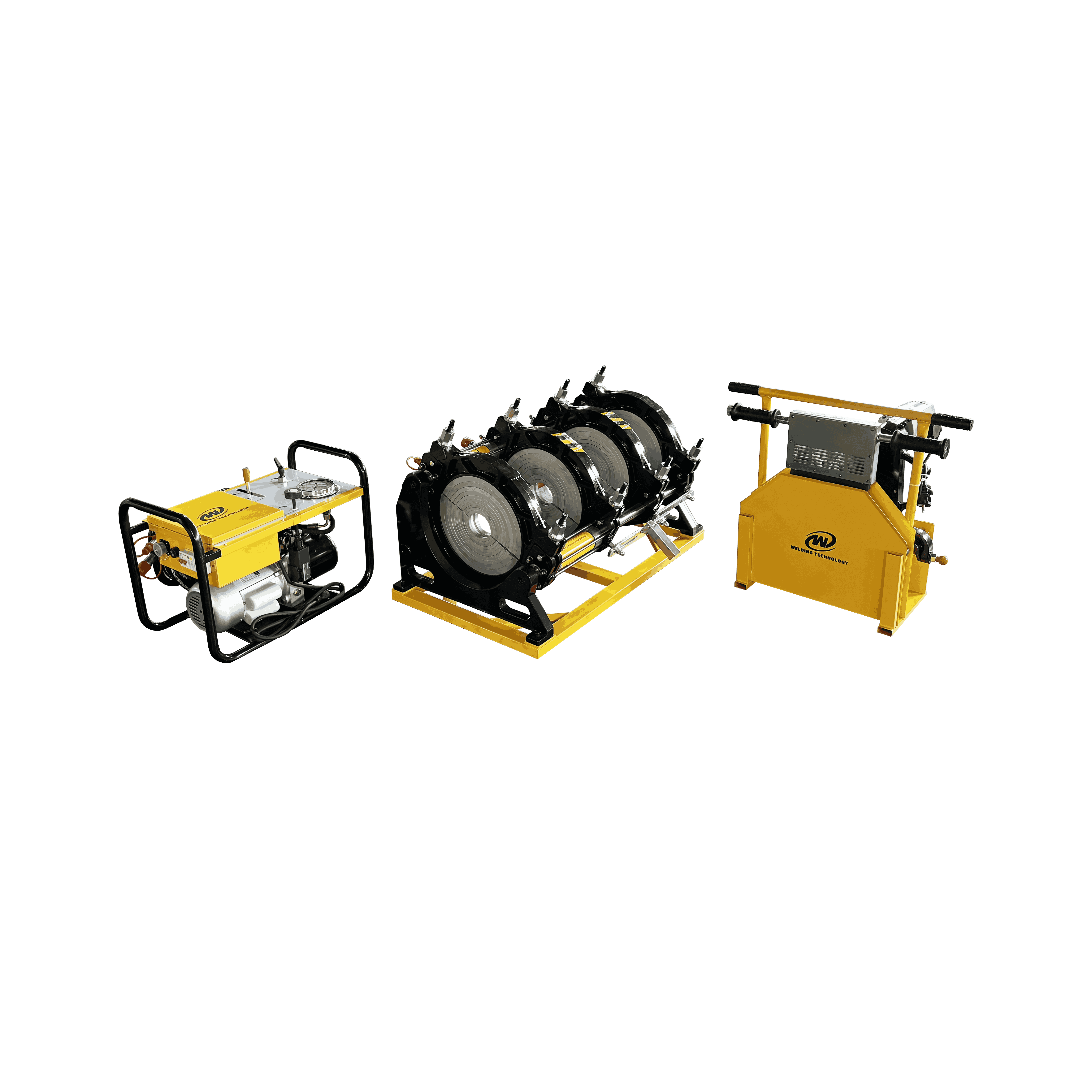
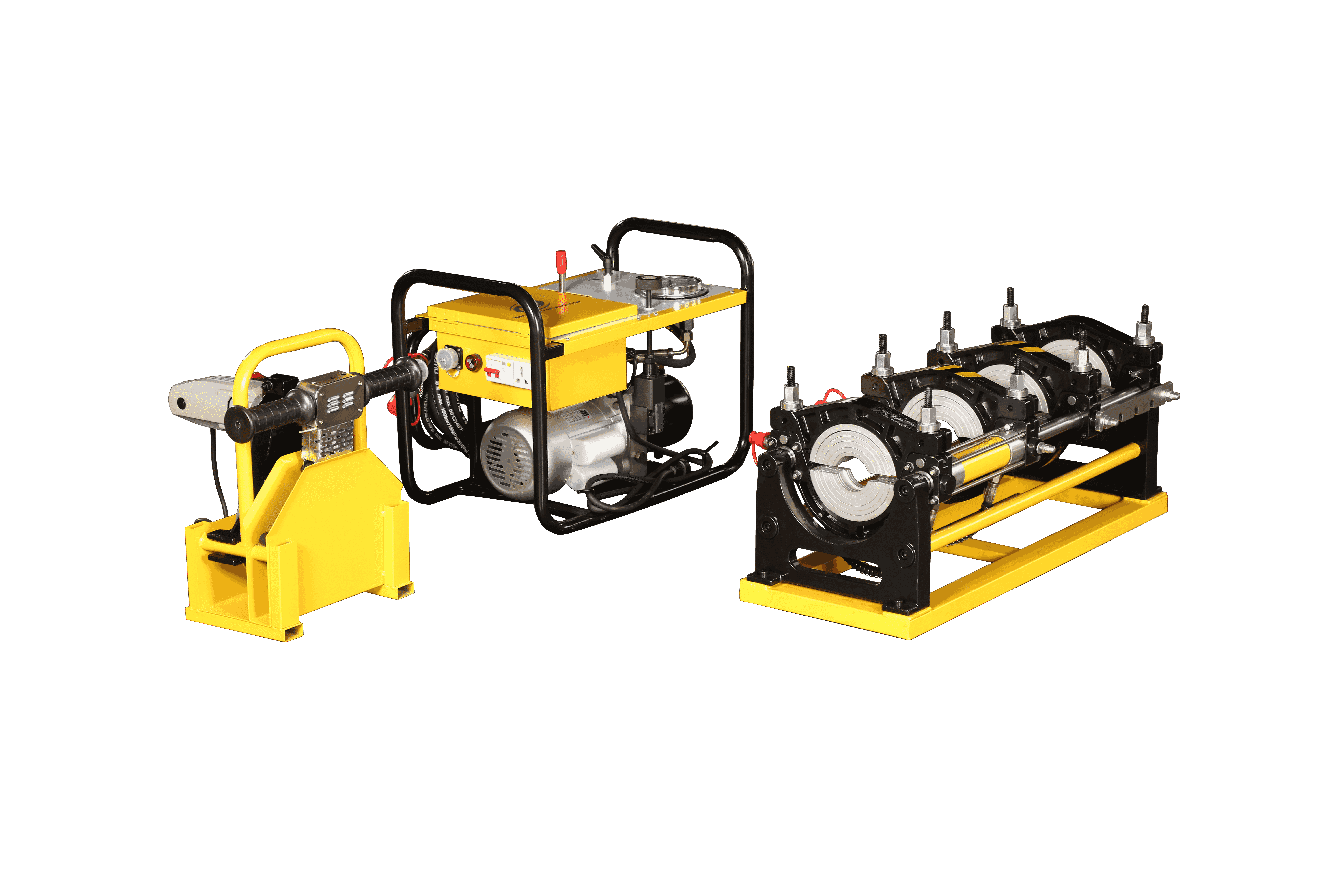
A polypropylene pipe welding machine represents a specialized piece of equipment designed specifically for joining polypropylene pipes through controlled heat fusion processes. This advanced machinery utilizes precise temperature control and pressure application to create permanent, leak-proof connections between pipe sections. The polypropylene pipe welding machine operates through electrofusion or butt fusion methods, depending on the specific model and application requirements. Modern units incorporate digital temperature displays, automatic heating cycles, and safety features that ensure consistent weld quality across various pipe diameters. The machine's core function involves heating the pipe ends or coupling surfaces to their melting point, typically around 260 degrees Celsius, while maintaining optimal pressure throughout the fusion process. Advanced polypropylene pipe welding machines feature programmable settings that accommodate different pipe sizes, wall thicknesses, and material grades. The equipment includes specialized heating elements, clamping mechanisms, and cooling systems that work together to produce strong, durable joints. These machines excel in creating seamless connections for water supply systems, chemical processing lines, and industrial fluid transport networks. The technological framework incorporates microprocessor-controlled heating cycles that eliminate human error and ensure repeatable results. Professional-grade polypropylene pipe welding machines offer multiple welding modes, including socket fusion, saddle fusion, and electrofusion capabilities. The equipment's design prioritizes operator safety through insulated handles, emergency stop functions, and automatic temperature monitoring systems. Industrial applications span municipal water infrastructure, chemical plants, food processing facilities, and HVAC systems where polypropylene pipes provide excellent chemical resistance and longevity. The polypropylene pipe welding machine serves as an essential tool for contractors, plumbers, and facility maintenance teams requiring reliable pipe joining solutions.

New Product Recommendations

The polypropylene pipe welding machine delivers exceptional value through its ability to create stronger joints than traditional mechanical connections. Users experience significant cost savings by eliminating the need for expensive fittings, gaskets, and ongoing maintenance associated with threaded or glued connections. The machine produces joints that match or exceed the strength of the original pipe material, creating a monolithic system without weak points. This welding technology reduces installation time dramatically compared to conventional joining methods, allowing contractors to complete projects faster and increase productivity. The polypropylene pipe welding machine operates with remarkable precision, ensuring consistent results that meet industry standards every time. Operators benefit from reduced material waste since the process requires no additional consumables like adhesives or solvents. The equipment's versatility allows it to handle various pipe sizes and configurations, making it suitable for diverse project requirements. Quality control becomes more manageable as the welding process eliminates variables associated with manual assembly techniques. The machine's automated features reduce operator fatigue and minimize the potential for human error during critical joining operations. Long-term reliability improves significantly as welded joints resist thermal expansion, ground movement, and chemical exposure better than mechanical alternatives. Users appreciate the machine's ability to work in challenging environments, including confined spaces and adverse weather conditions where other joining methods might fail. The polypropylene pipe welding machine contributes to environmental sustainability by creating leak-free systems that prevent fluid loss and contamination. Maintenance requirements remain minimal, with most machines requiring only periodic cleaning and calibration. The technology eliminates the need for specialized joint preparations, reducing labor costs and skill requirements. Safety improvements result from fewer potential failure points in the piping system, reducing the risk of accidents and property damage. The investment in a polypropylene pipe welding machine pays dividends through reduced callbacks, warranty claims, and system failures. Professional contractors gain competitive advantages by offering superior installation quality and extended system warranties.

Practical Tips

Global Fusion Welding Machinery Market Booms, Hangzhou Welding Leads Chinese Manufacturing to Serve 100+ Countries

11

Feb

Global Fusion Welding Machinery Market Booms, Hangzhou Welding Leads Chinese Manufacturing to Serve 100+ Countries

View More
Technological Innovation Drives Industry Upgrade, Hangzhou Welding Leads the Development of Thermoplastic Welding Technology

11

Feb

Technological Innovation Drives Industry Upgrade, Hangzhou Welding Leads the Development of Thermoplastic Welding Technology

View More
Accelerating Global Layout, Hangzhou Welding Technology Drives International Market Development with the Dual Wheels of

11

Feb

Accelerating Global Layout, Hangzhou Welding Technology Drives International Market Development with the Dual Wheels of "Products + Services"

View More

Get a Free Quote

Our representative will contact you soon.
E-mail
Name
Mobile/WhatsApp
Company Name
Message
0/1000

polypropylene pipe welding machine

Precision Temperature Control Technology

Precision Temperature Control Technology

The advanced temperature control system in modern polypropylene pipe welding machines represents a breakthrough in joining technology that ensures perfect fusion every time. This sophisticated feature utilizes microprocessor-controlled heating elements that maintain precise temperatures within plus or minus two degrees Celsius throughout the entire welding cycle. The system continuously monitors and adjusts heat output based on ambient conditions, pipe material properties, and welding parameters to guarantee optimal results. Digital displays provide real-time temperature feedback, allowing operators to verify proper heating conditions before initiating the fusion process. The precision control eliminates the guesswork associated with manual welding techniques, where temperature variations could compromise joint integrity. Smart sensors detect pipe material composition and automatically adjust heating profiles to accommodate different polypropylene grades and additives. The technology includes pre-programmed settings for common pipe sizes and applications, streamlining setup procedures and reducing operator training requirements. Advanced models feature dual-zone heating capabilities that independently control heating elements for different pipe sections, ensuring uniform temperature distribution across the entire joint interface. The system's thermal stability prevents overheating that could degrade material properties or create weak spots in the finished joint. Automatic cooling cycles maintain controlled temperature reduction rates that optimize molecular bonding and minimize internal stress formation. The precision temperature control contributes directly to joint longevity by creating optimal fusion conditions that maximize the mechanical and chemical properties of the welded connection. This technology enables consistent results regardless of operator experience level, making professional-quality welding accessible to a broader range of users. The investment in precision temperature control technology pays immediate dividends through reduced rework, improved first-pass success rates, and enhanced customer satisfaction with installation quality.
Automated Welding Cycle Management

Automated Welding Cycle Management

The automated welding cycle management system transforms polypropylene pipe joining from a skill-dependent manual process into a reliable, repeatable procedure that delivers consistent professional results. This intelligent feature orchestrates every aspect of the welding operation, from initial heating through final cooling, ensuring optimal timing and conditions throughout each phase. The system eliminates human error by automatically controlling heating duration, pressure application, and cooling periods based on predetermined parameters specific to each pipe size and material combination. Operators simply select the appropriate program, position the pipes, and activate the automatic sequence, while the machine handles all critical timing decisions. The management system includes built-in quality assurance protocols that verify proper setup conditions before initiating the welding cycle, preventing costly mistakes and material waste. Advanced diagnostic capabilities monitor welding parameters in real-time, alerting operators to any deviations that might compromise joint quality. The automation reduces physical demands on operators while improving safety by minimizing direct contact with heated surfaces and moving parts. Programmable memory stores custom welding profiles for specialized applications, allowing users to develop and save optimized settings for recurring projects. The system's data logging capabilities create permanent records of welding parameters for quality documentation and troubleshooting purposes. Integration with mobile devices enables remote monitoring and parameter adjustment, improving workflow efficiency on large installations. The automated approach significantly reduces training time required for new operators while ensuring that experienced technicians can achieve higher productivity rates. Cycle management includes predictive maintenance alerts that notify users when routine service is required, maximizing equipment uptime and preventing unexpected failures. The technology adapts to varying environmental conditions, automatically compensating for temperature and humidity changes that could affect welding quality. This comprehensive automation transforms the polypropylene pipe welding machine into a highly efficient production tool that delivers superior results with minimal operator intervention.
Versatile Multi-Diameter Capability

Versatile Multi-Diameter Capability

The versatile multi-diameter capability of modern polypropylene pipe welding machines eliminates the need for multiple specialized tools, providing exceptional flexibility and value for contractors and facility managers. This comprehensive feature accommodates pipe sizes ranging from small residential applications to large industrial installations, typically spanning diameters from 20 millimeters to over 400 millimeters within a single machine platform. Quick-change heating elements and clamping systems enable rapid transitions between different pipe sizes, minimizing downtime during complex installations involving multiple pipe dimensions. The adaptability extends beyond simple diameter variations to include different pipe schedules, wall thicknesses, and material formulations commonly encountered in diverse applications. Universal mounting systems accept various pipe configurations, including straight sections, elbows, and specialty fittings, expanding the machine's utility across different project types. Modular design principles allow users to upgrade or modify their equipment as project requirements evolve, protecting their investment while maintaining cutting-edge capabilities. The multi-diameter functionality includes automatic parameter adjustment that optimizes welding settings based on pipe size selection, ensuring proper heating and cooling cycles for each application. Professional contractors appreciate the inventory simplification achieved by consolidating multiple welding tools into a single versatile platform that handles their complete range of polypropylene pipe projects. The capability reduces equipment transportation requirements, especially valuable for mobile service operations and remote job sites where space and weight constraints are critical factors. Training efficiency improves as operators master one machine system rather than learning multiple tools for different pipe sizes. Quality consistency benefits from standardized welding procedures across all pipe diameters, reducing variables that could affect installation reliability. The versatile design incorporates safety features that automatically adjust for different pipe weights and handling requirements, maintaining operator protection across the full size range. Cost-effectiveness multiplies as single machine ownership replaces multiple specialized tools, reducing capital investment, maintenance costs, and storage requirements while improving operational flexibility and responsiveness to diverse customer needs.

Get a Free Quote

Our representative will contact you soon.
E-mail
Name
Mobile/WhatsApp
Company Name
Message
0/1000