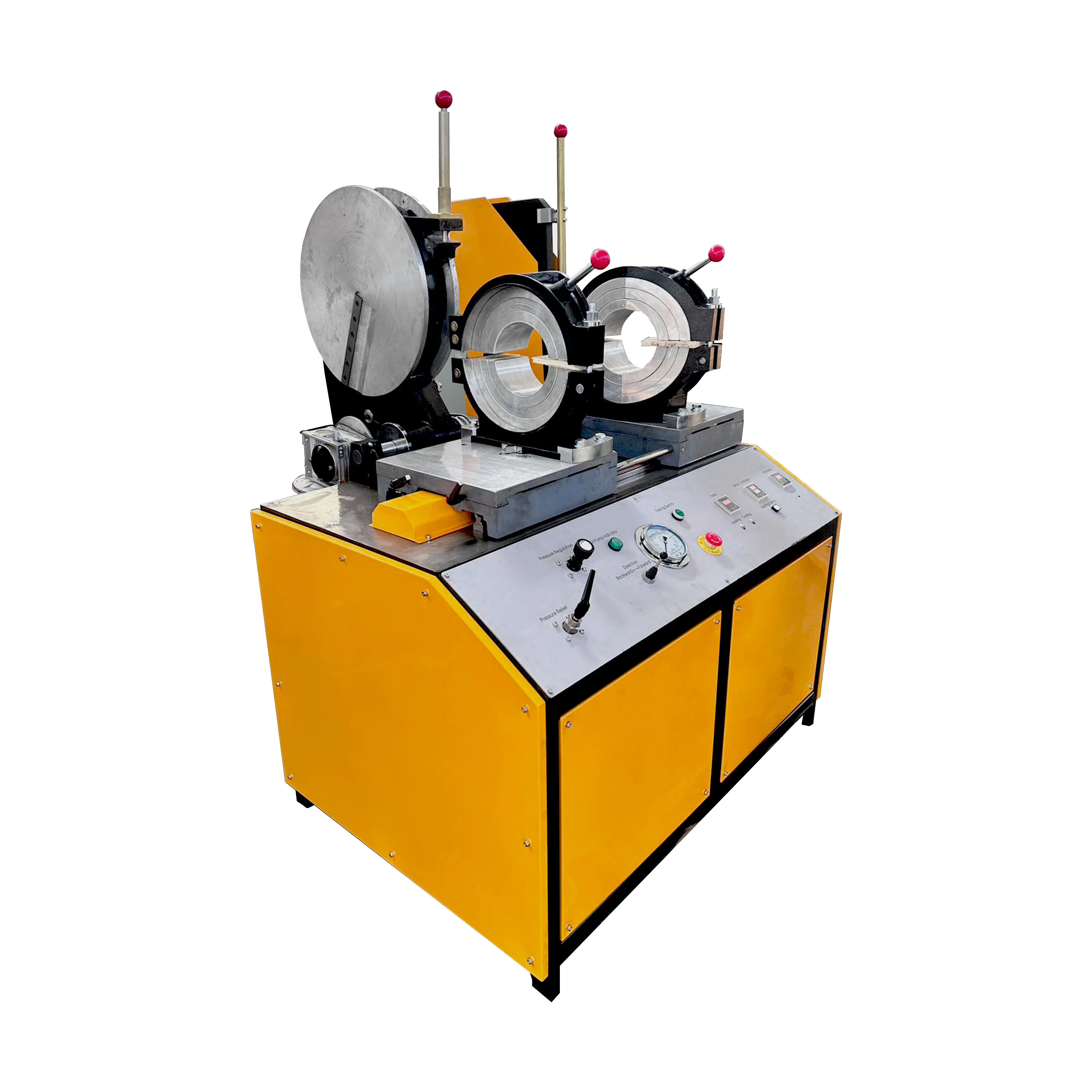
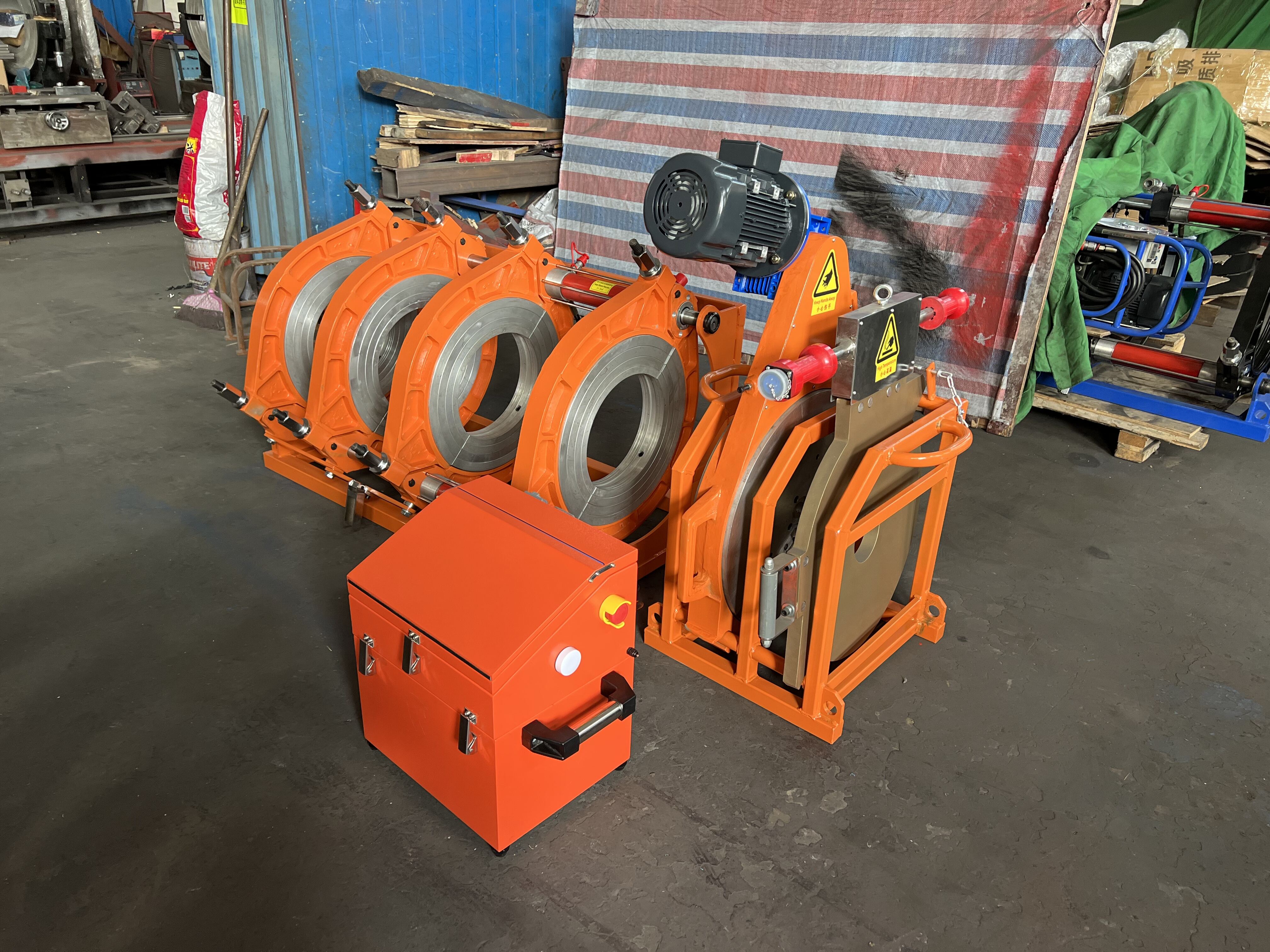
workshop hdpe welding machine
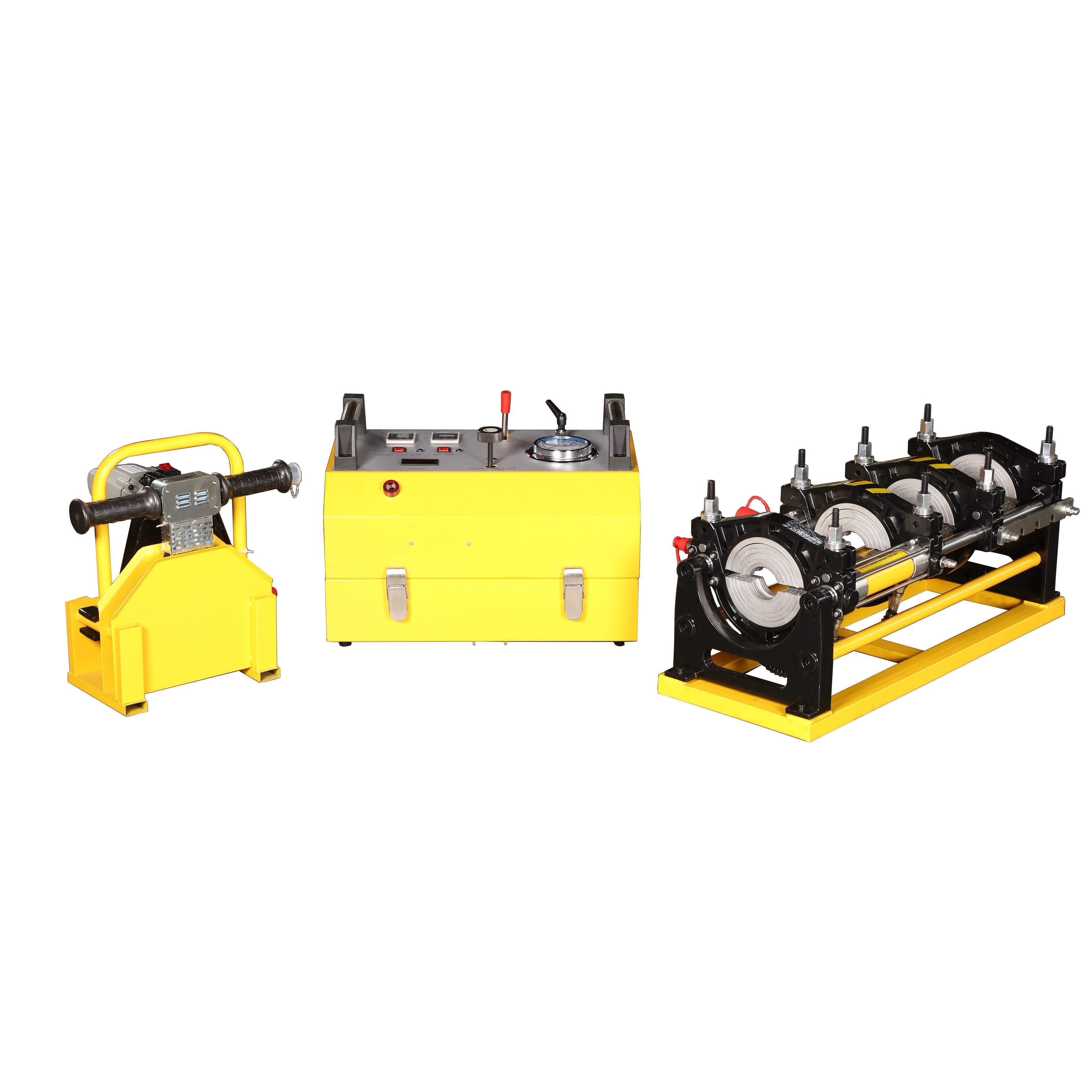
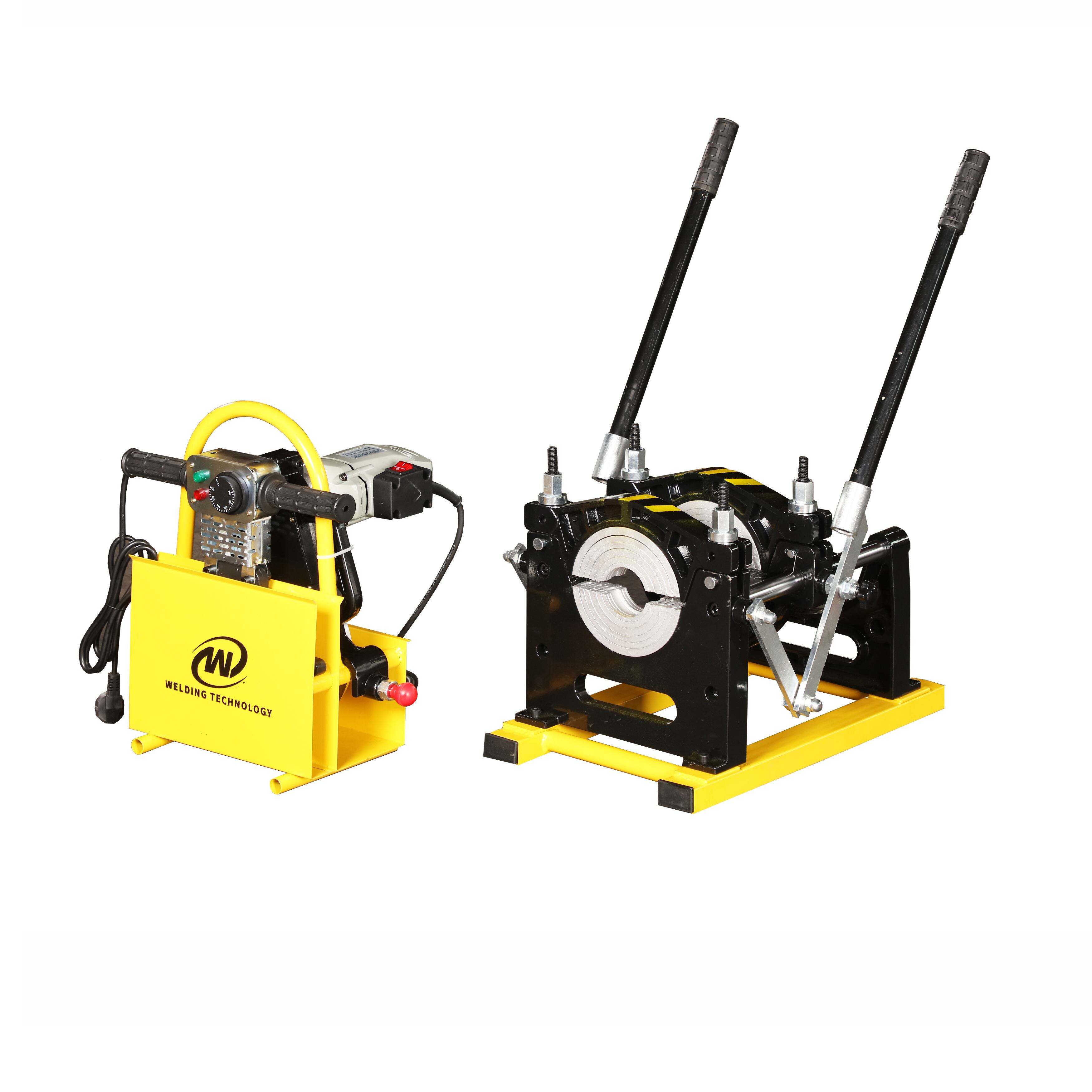
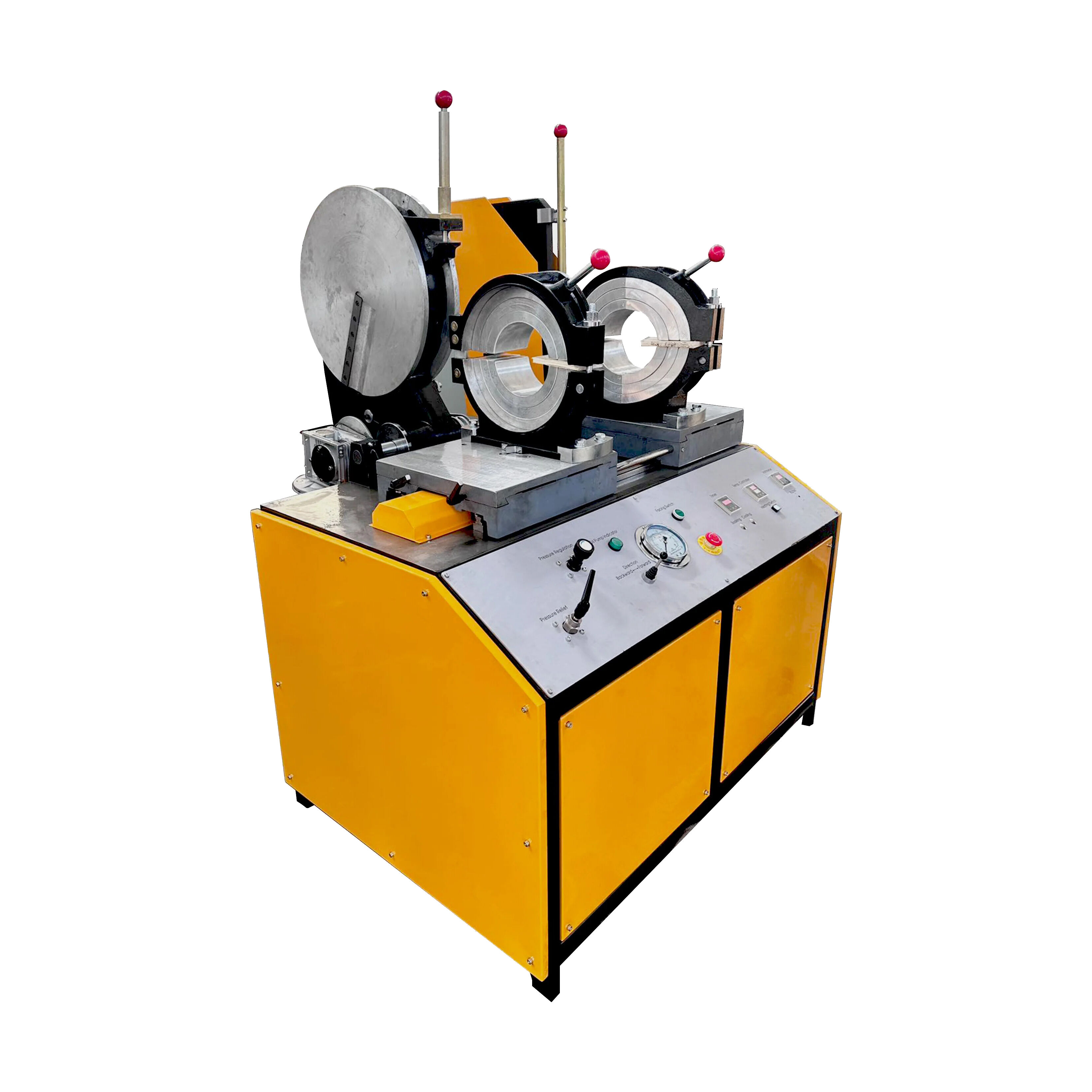
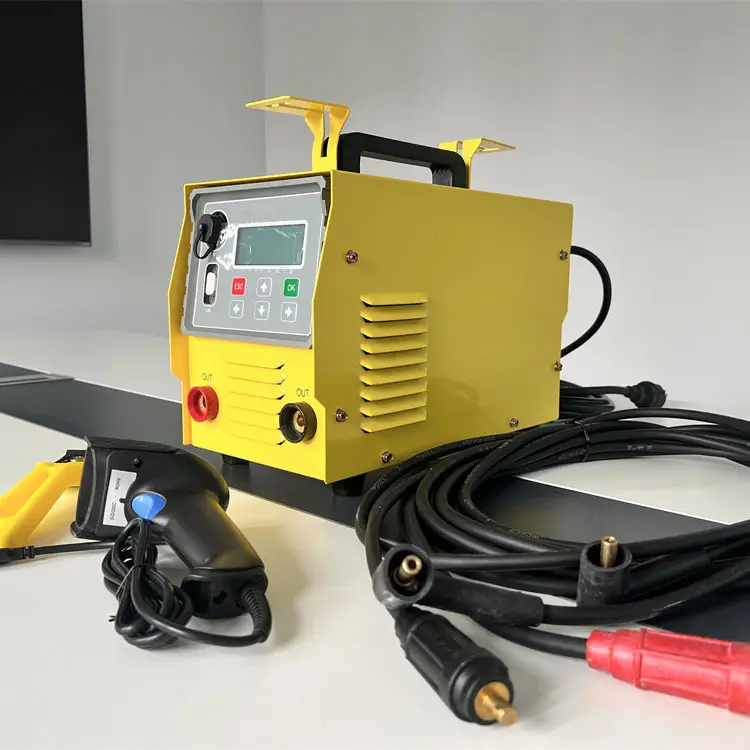
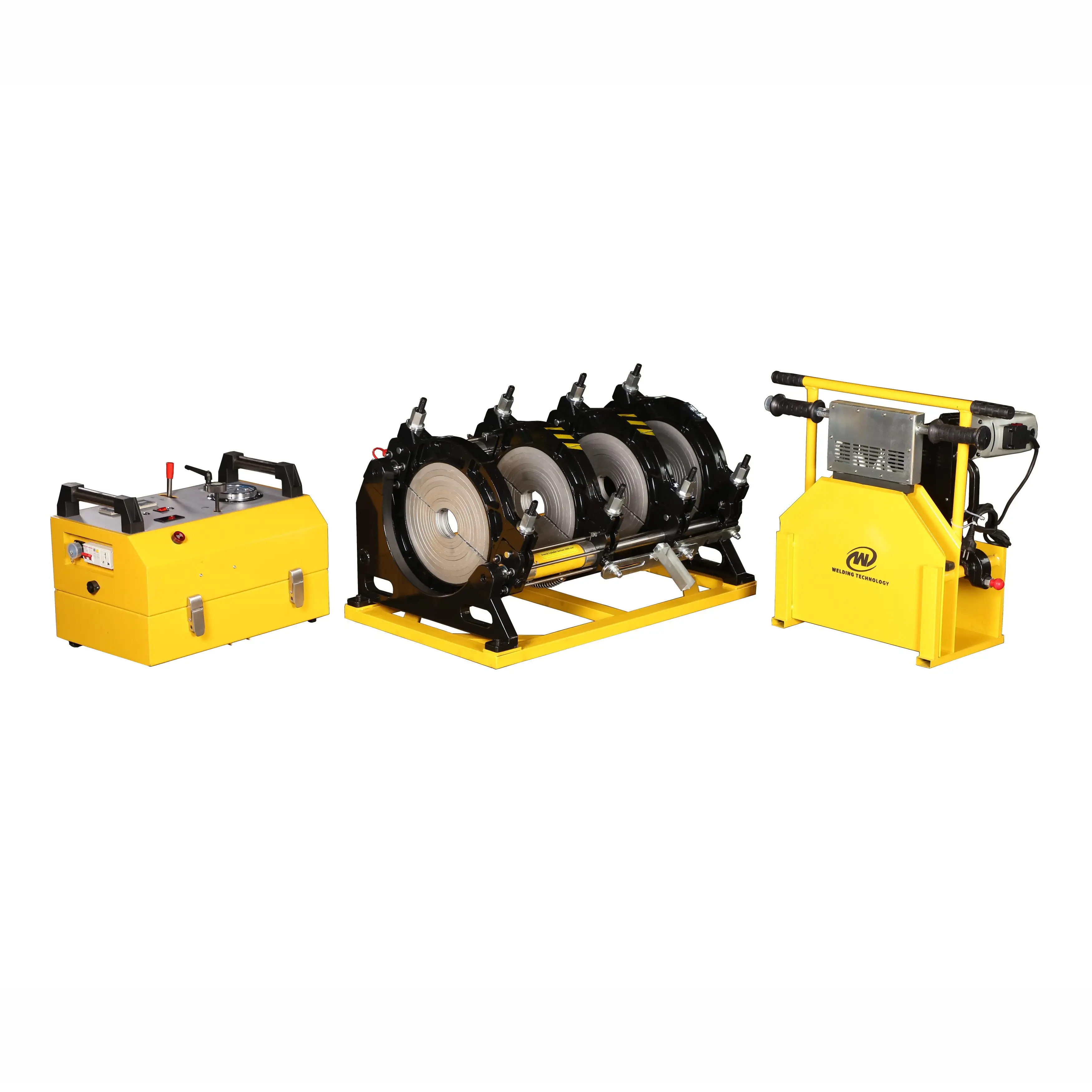
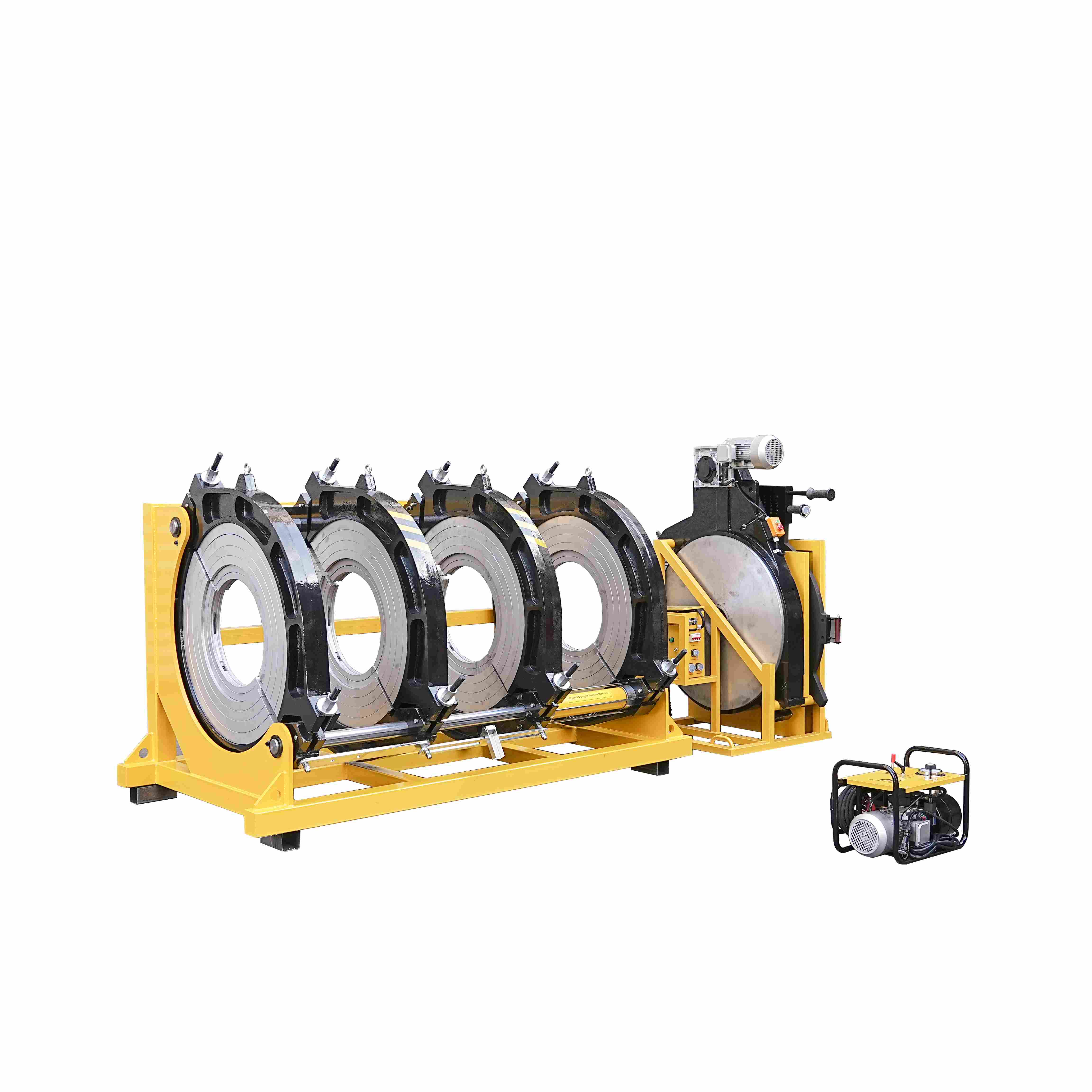
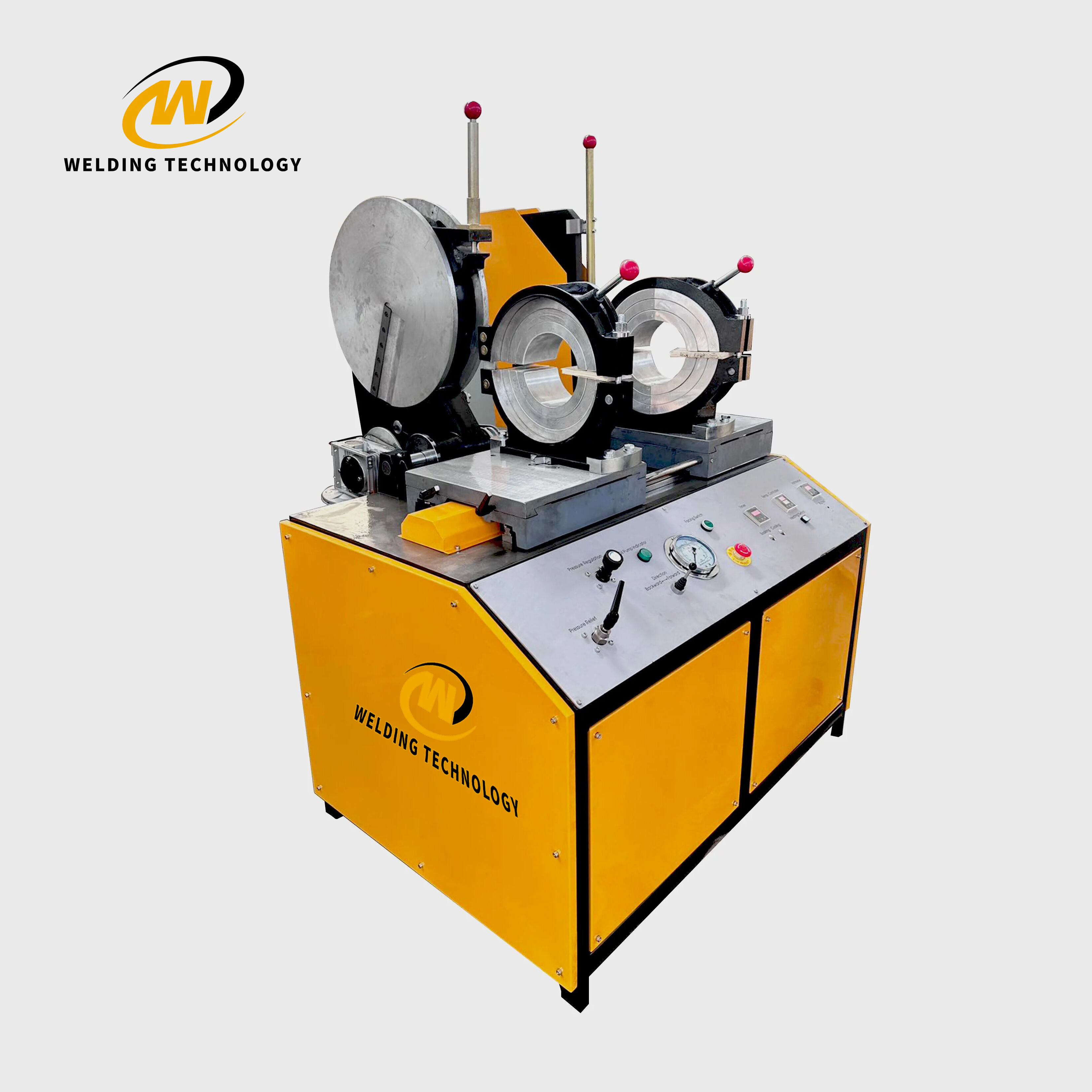
A workshop hdpe welding machine represents essential equipment for facilities that regularly work with high-density polyethylene materials. This specialized apparatus enables operators to create strong, permanent bonds between HDPE components through controlled heat application and pressure management. The machine operates by heating the plastic surfaces to their melting point, then joining them together under precise pressure conditions to form seamless connections. Modern workshop hdpe welding machine units incorporate advanced temperature control systems that maintain consistent heat levels throughout the welding process, ensuring uniform joint quality across different project requirements. These machines typically feature adjustable heating plates, pressure regulation mechanisms, and built-in timers that help operators achieve repeatable results. The equipment handles various HDPE thicknesses, accommodating pipes, sheets, fittings, and custom fabrications commonly found in plumbing systems, chemical containment applications, and manufacturing operations. Workshop models distinguish themselves from portable units through their enhanced stability, larger work surfaces, and greater power capacity, making them suitable for high-volume production environments. The technological architecture includes digital displays that show real-time temperature readings, automatic heating cycles that reduce operator intervention, and safety features such as thermal protection systems and emergency stops. Many contemporary workshop hdpe welding machine designs incorporate microprocessor controls that store welding parameters for different material grades and thicknesses, streamlining setup procedures and minimizing human error. The robust construction typically involves heavy-duty steel frames that absorb vibration and maintain alignment during operation, while the heating elements utilize materials that resist degradation from repeated thermal cycling. Applications span multiple industries including water treatment facilities, chemical processing plants, mining operations, agricultural irrigation system fabrication, and marine construction projects where corrosion-resistant joints prove critical for long-term performance.

 EN
EN