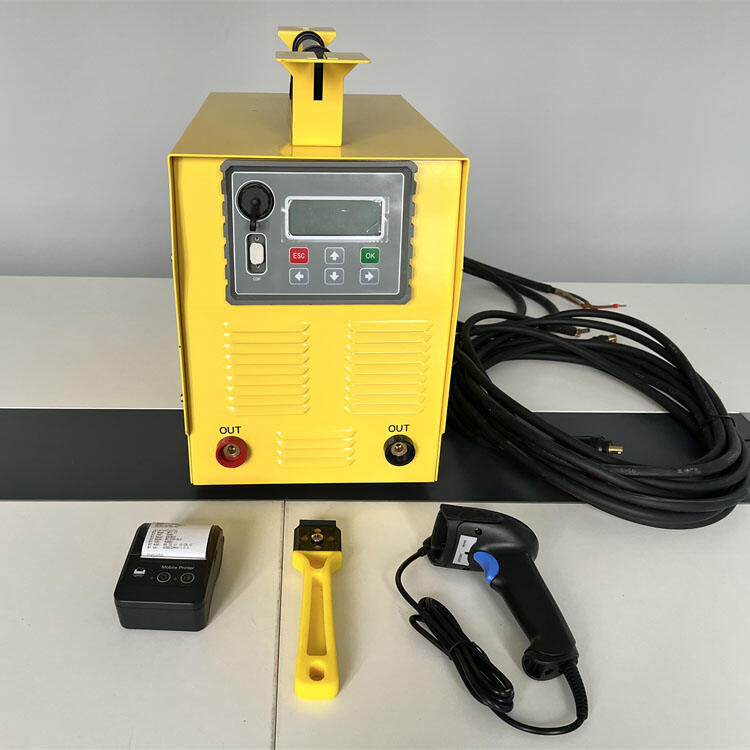
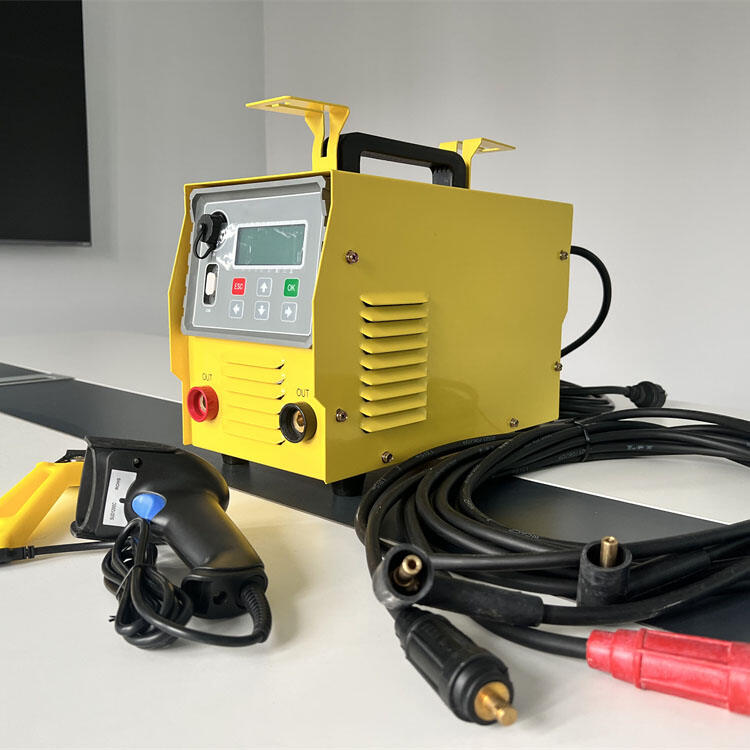
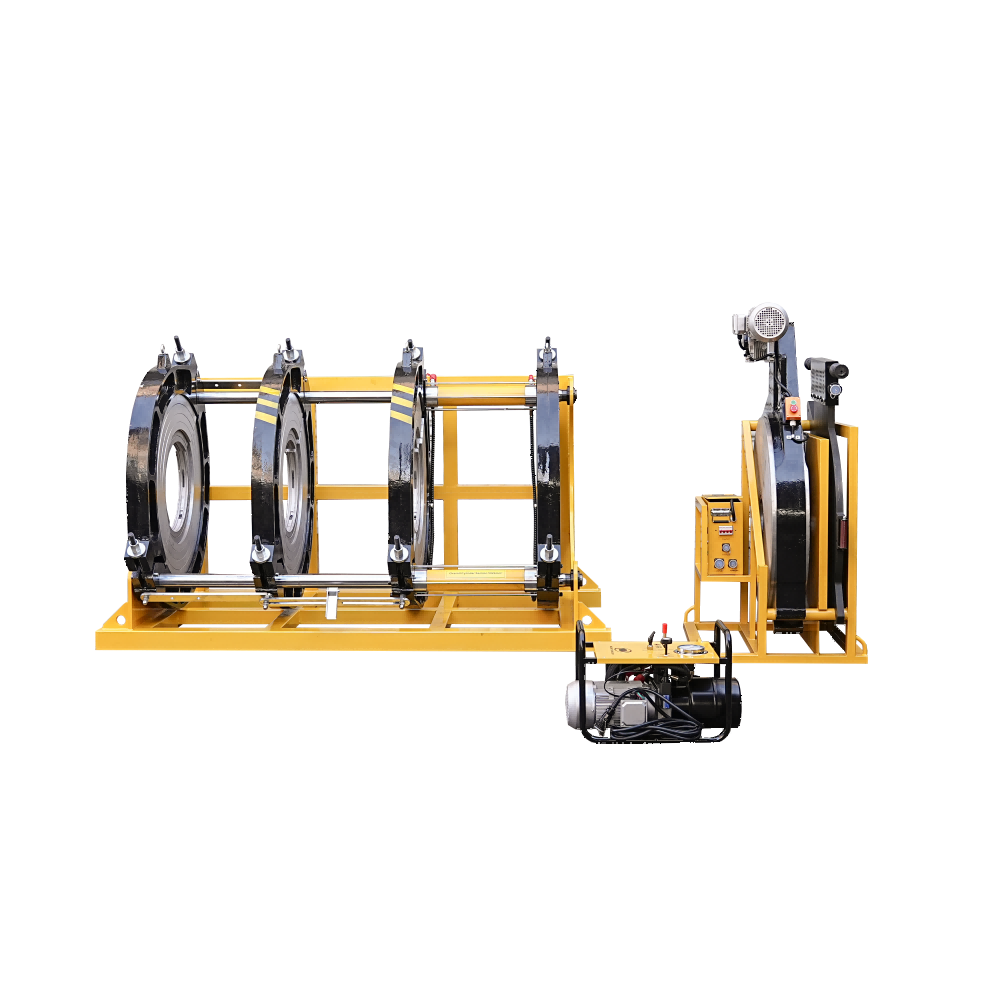
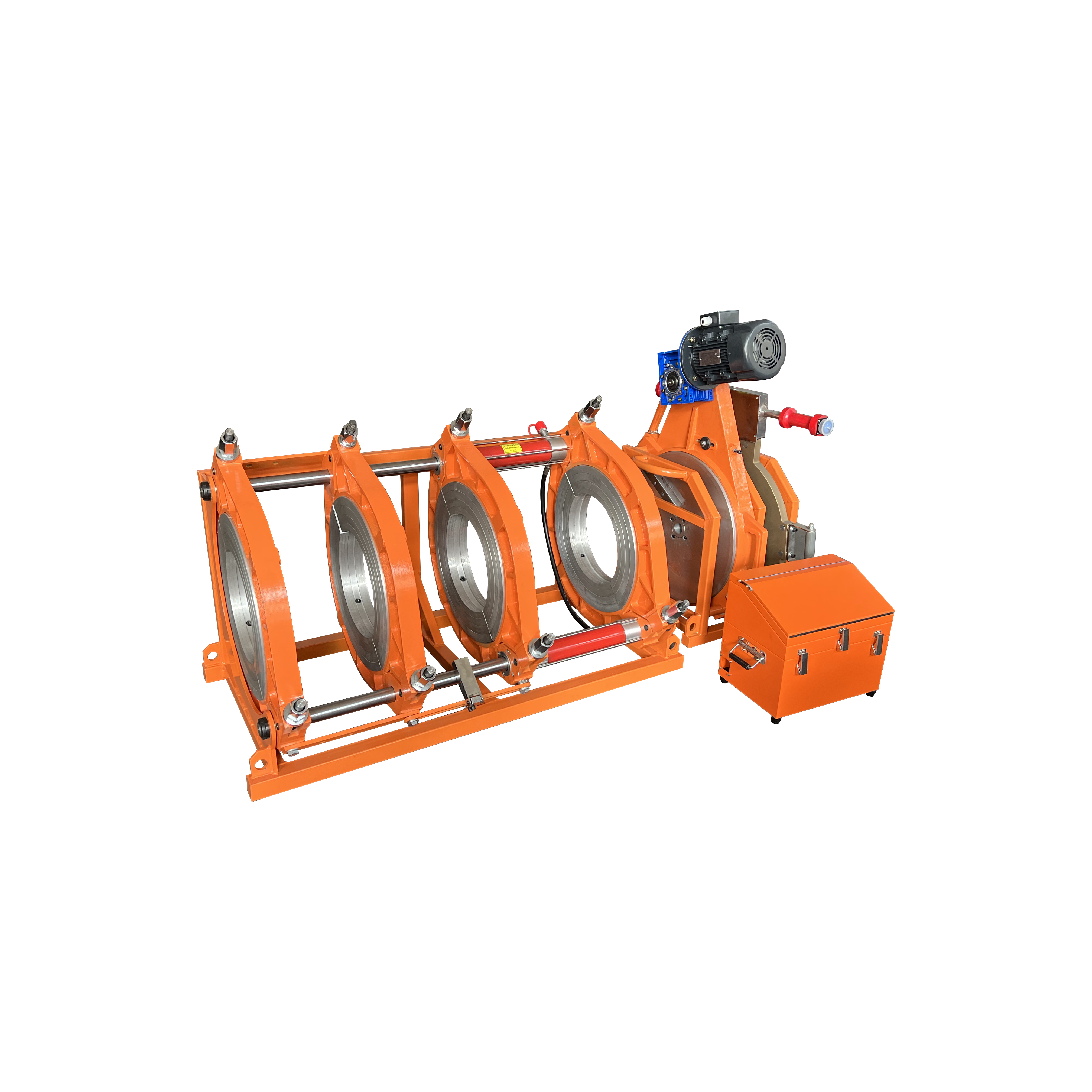
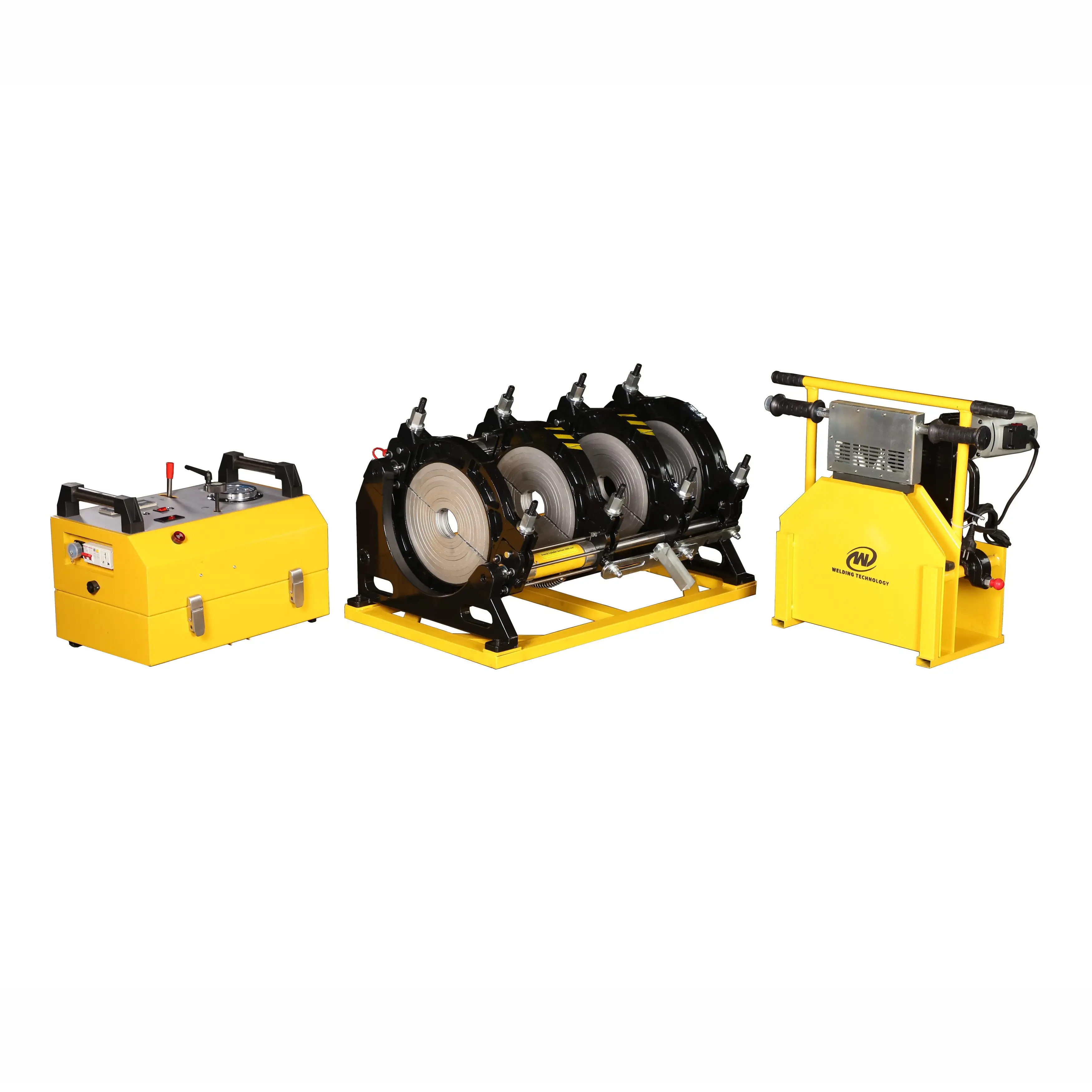
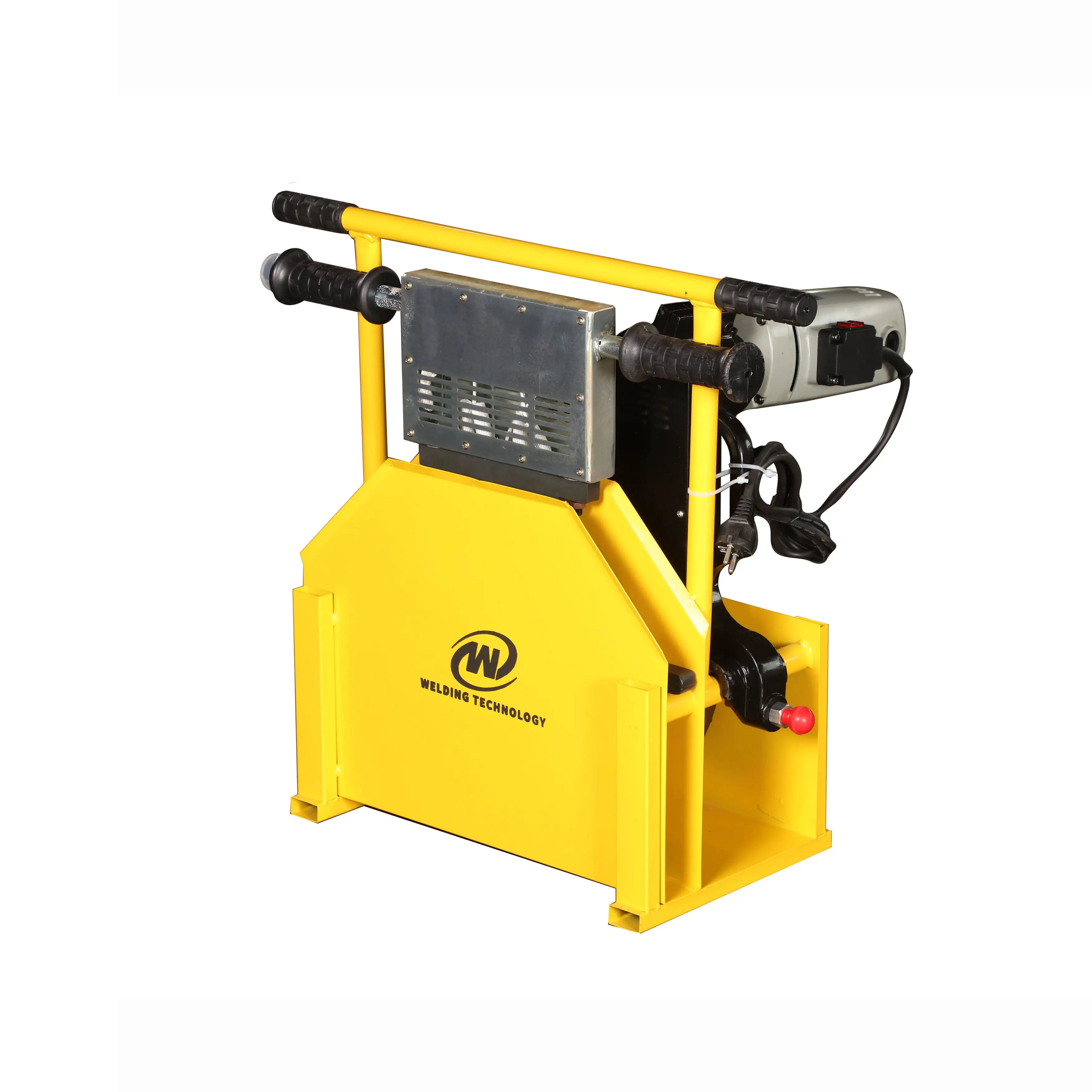
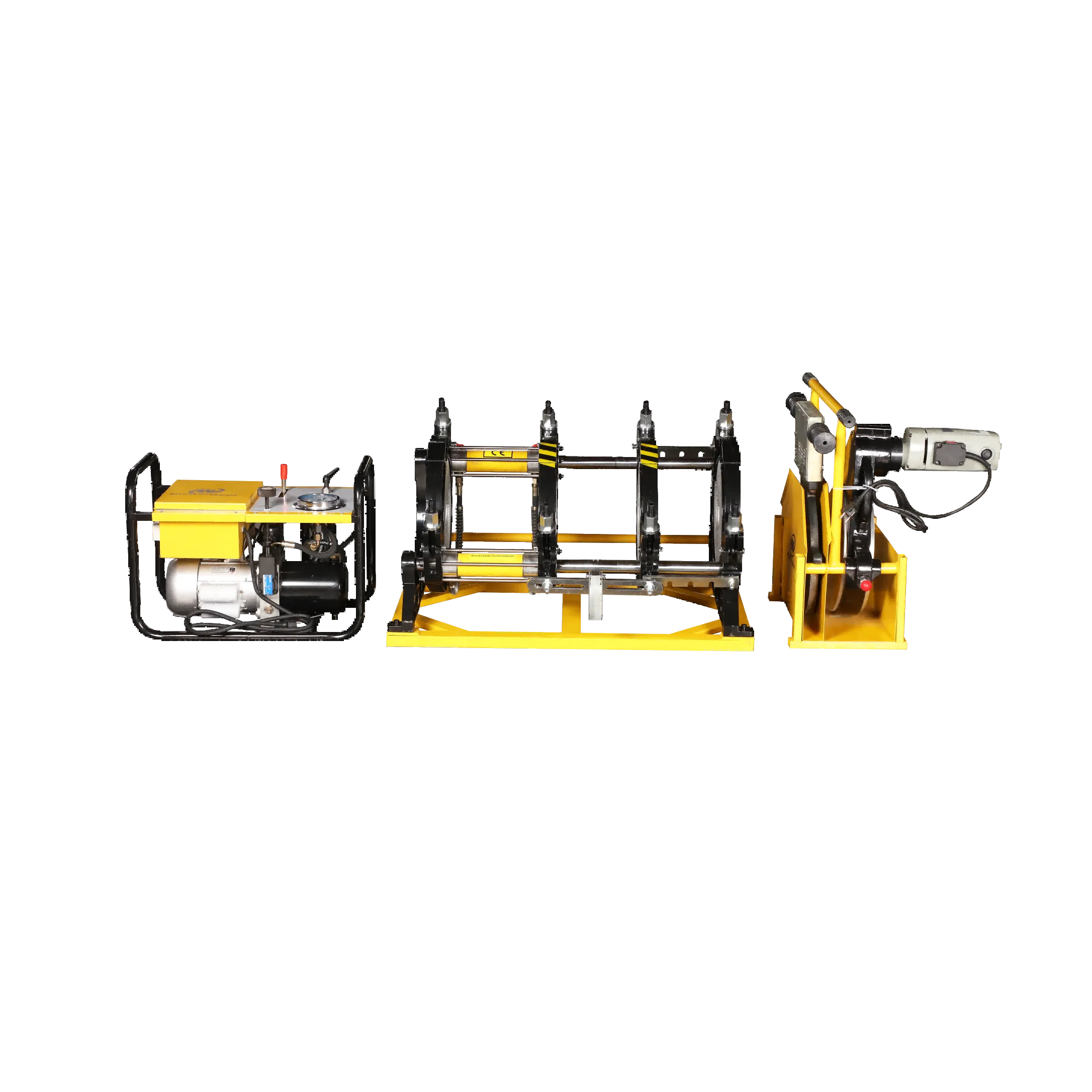
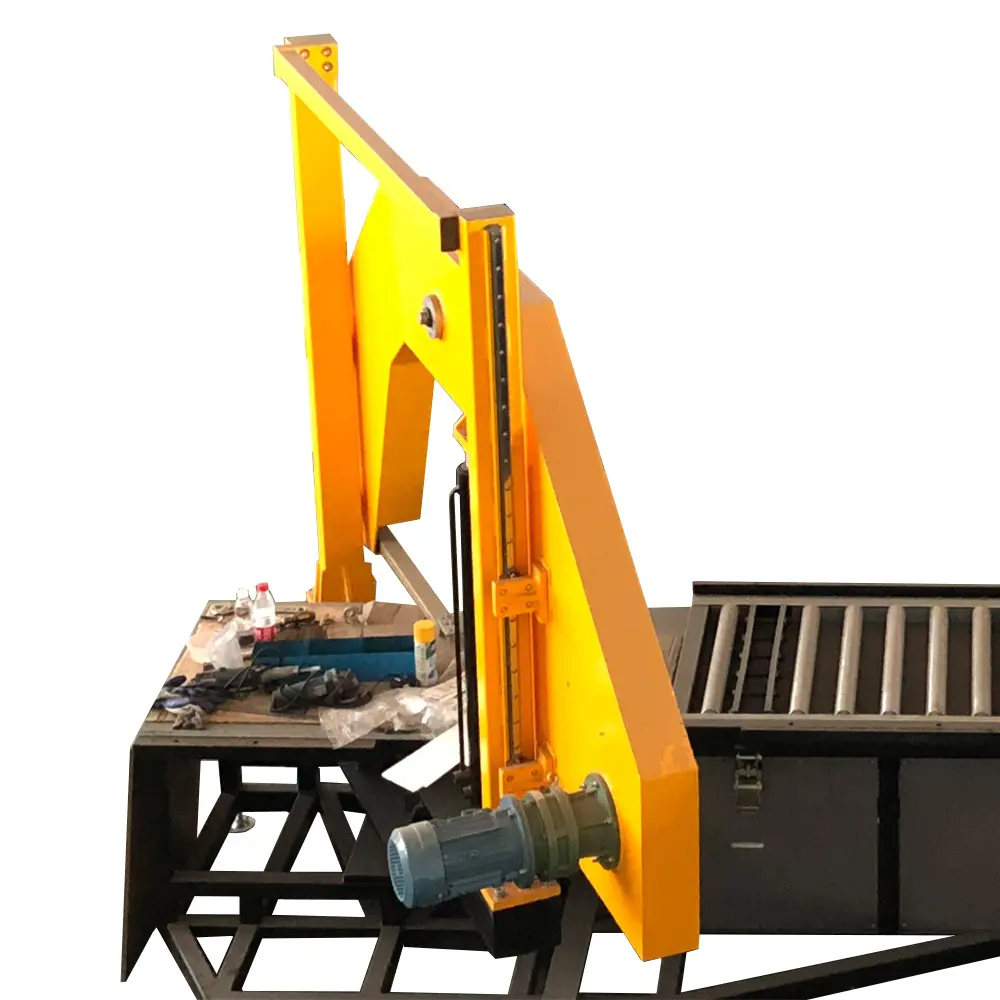
Professional Handheld Welding Machine - Portable Laser Welder for Precision Metal Fabrication

Get a Free Quote

Our representative will contact you soon.
E-mail
Name
Mobile/WhatsApp
Company Name
Message
0/1000

handheld welding machine

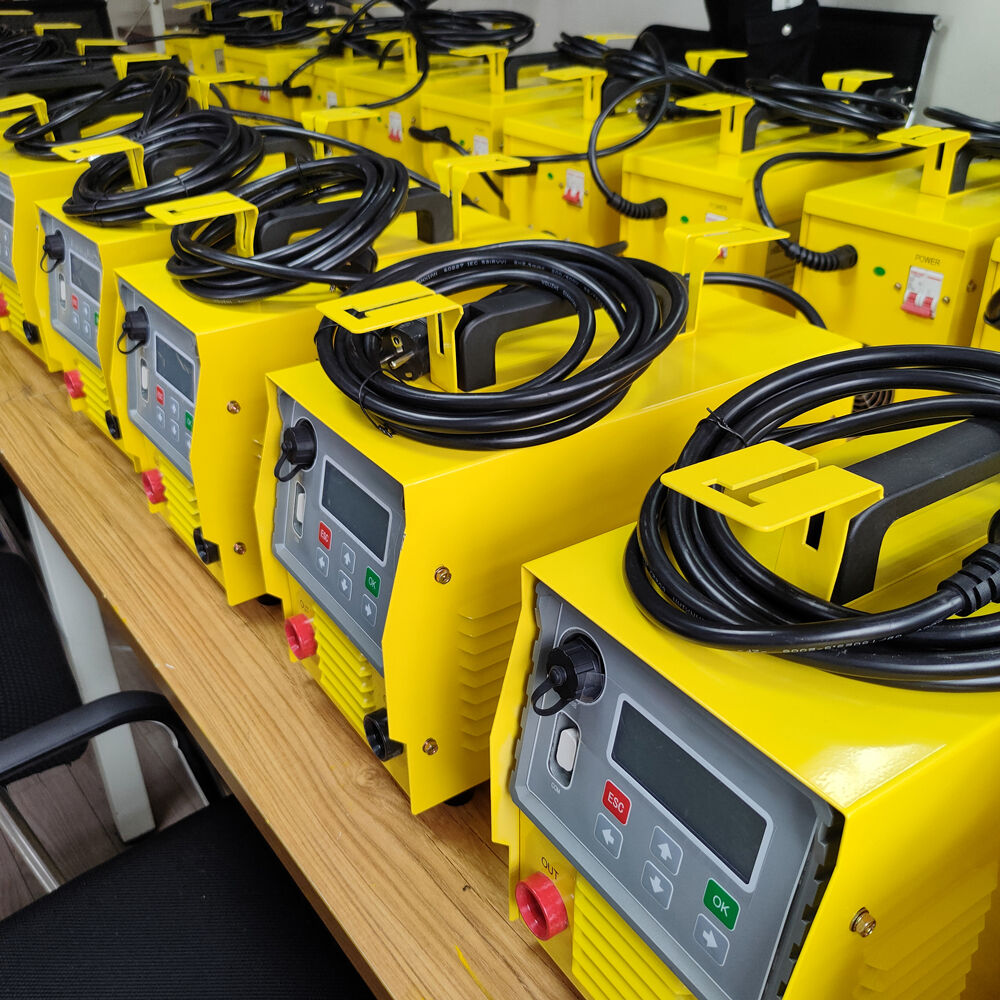
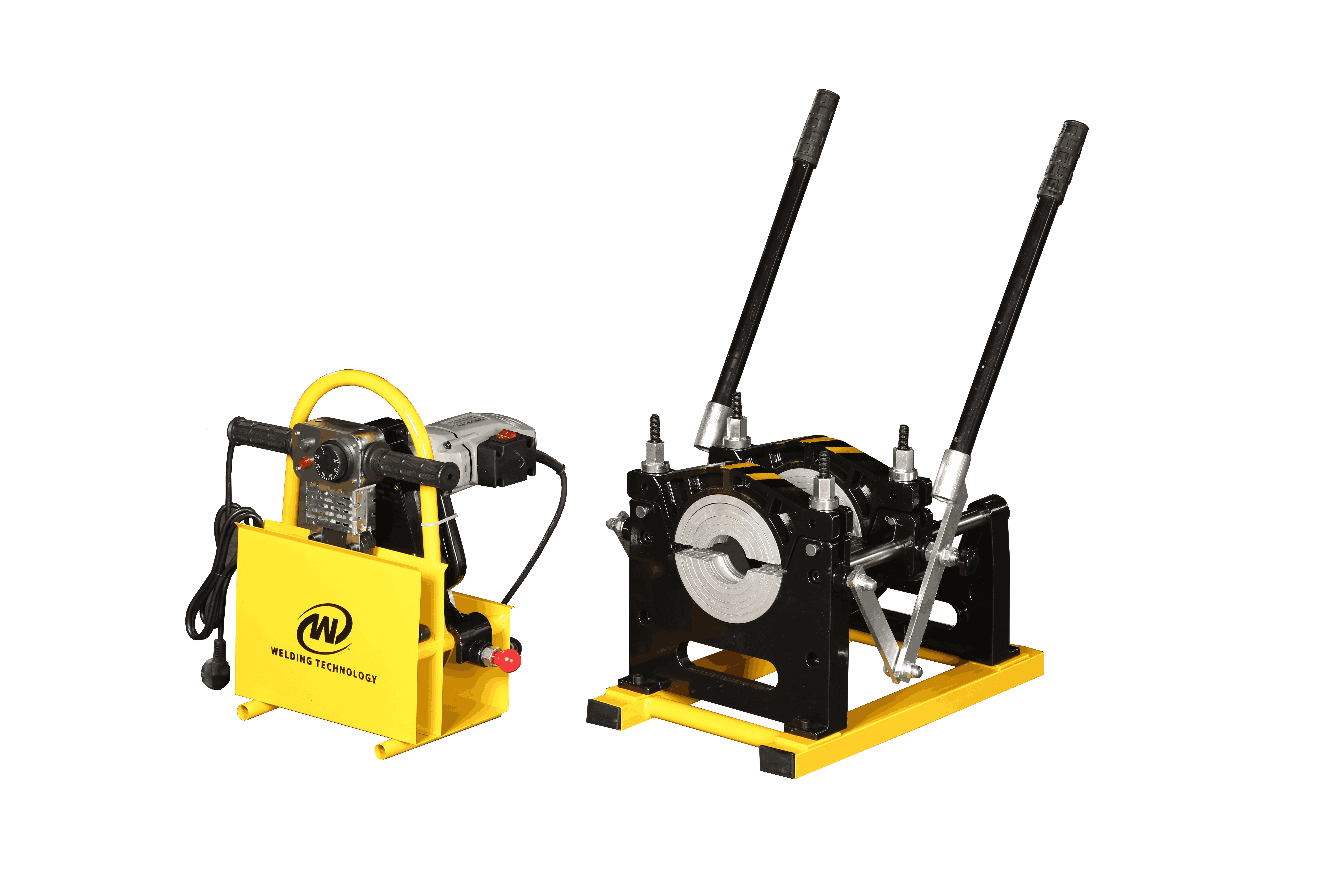
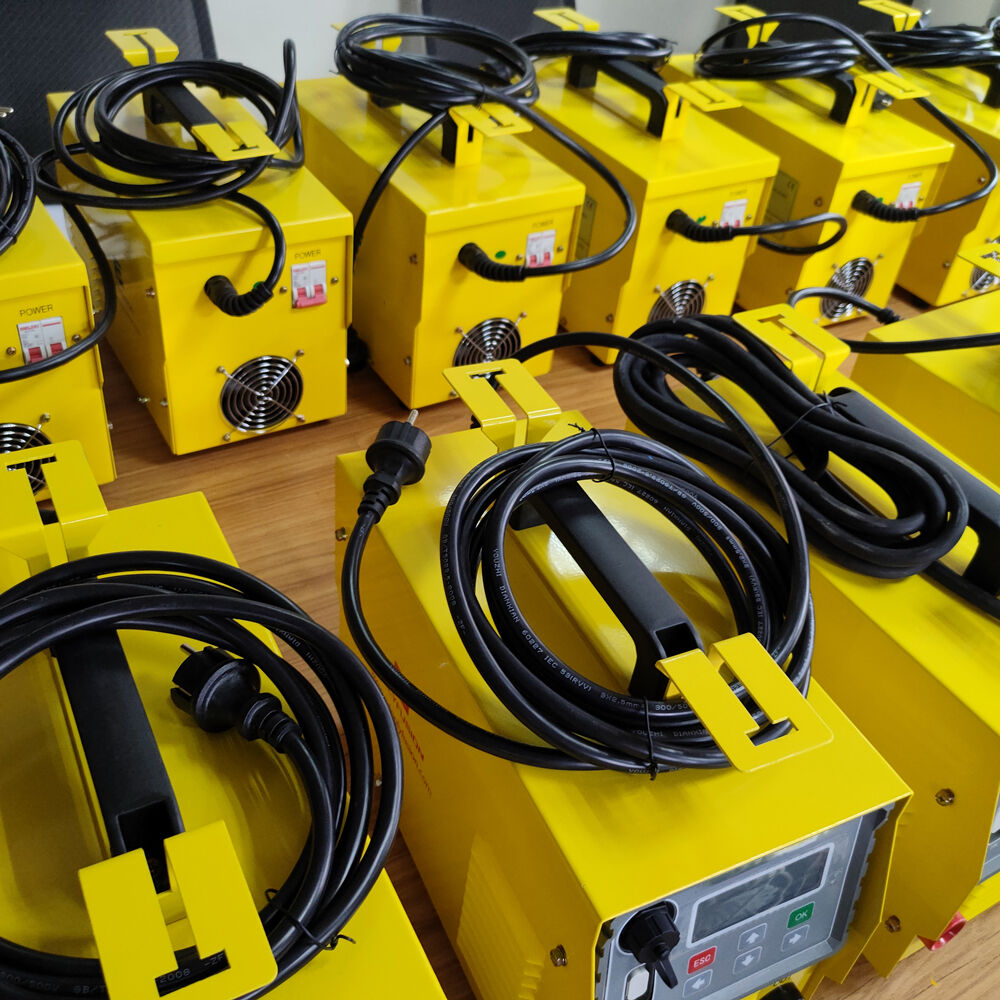
A handheld welding machine represents a revolutionary advancement in metal joining technology, combining portability with professional-grade welding capabilities. This compact device enables operators to perform high-quality welding tasks across diverse environments without the constraints of traditional stationary equipment. The handheld welding machine integrates laser or arc welding technology into an ergonomic, lightweight design that can be maneuvered easily by a single operator. These machines typically feature adjustable power settings, allowing users to work with various metal types and thicknesses ranging from thin sheets to moderate-gauge materials. The main functions include precision welding, cutting, and surface cleaning, making it a versatile tool for manufacturing, maintenance, and repair operations. Technological features often incorporate intelligent control systems that automatically adjust parameters based on material detection, ensuring consistent weld quality with minimal operator intervention. Many models include real-time monitoring displays that show welding parameters, energy consumption, and operational status. The cooling systems integrated into these machines prevent overheating during extended use, while safety features such as automatic shutdown mechanisms protect both the operator and the equipment. Applications span numerous industries including automotive repair, metal fabrication, construction, shipbuilding, and aerospace maintenance. The handheld welding machine excels in situations requiring on-site welding, repairs in confined spaces, or work on large structures where bringing the workpiece to a stationary welder proves impractical. Its ability to deliver professional results in field conditions makes it invaluable for emergency repairs, custom fabrication projects, and maintenance operations where downtime must be minimized.

New Product Recommendations

The handheld welding machine delivers significant time savings compared to conventional welding methods. Traditional welding often requires extensive setup, including positioning heavy equipment, running power cables, and preparing workstations. With a handheld unit, operators simply connect the device and begin working immediately, reducing setup time by up to seventy percent. This efficiency translates directly into cost savings for businesses managing multiple projects or frequent repair tasks. The portability factor cannot be overstated. Workers can carry these machines to remote locations, elevated platforms, or confined spaces that would be impossible to access with standard welding equipment. This mobility eliminates the need to transport heavy workpieces to a fixed welding station, saving both time and labor costs while reducing the risk of damage during material handling. Energy efficiency represents another compelling advantage. Modern handheld welding machines consume significantly less power than traditional systems while maintaining comparable or superior welding quality. This reduced energy consumption lowers operational costs and makes these devices suitable for use with portable generators in locations without direct access to electrical infrastructure. The learning curve for operating a handheld welding machine is considerably shorter than for conventional equipment. Intuitive controls and automated parameter adjustment allow new operators to produce quality welds after minimal training, addressing the skilled labor shortage many industries face. This accessibility expands the pool of workers who can perform welding tasks effectively. Maintenance requirements are minimal compared to bulky traditional systems. Fewer moving parts and simplified designs mean less downtime for repairs and lower maintenance costs over the equipment's lifespan. The compact construction also means easier storage and transportation between job sites. Safety improvements include reduced exposure to welding fumes due to better positioning options and improved visibility of the work area. The lightweight design decreases operator fatigue, allowing for longer productive work periods without compromising quality or safety. Additionally, many handheld welding machines produce cleaner welds with less spatter, reducing post-weld cleanup time and material waste. The versatility of these machines allows a single device to handle multiple tasks that would traditionally require separate equipment, further improving return on investment and workshop efficiency.

Latest News

What Is an HDPE Thermofusion Machine and How Does It Work?

10

Apr

What Is an HDPE Thermofusion Machine and How Does It Work?

High-density polyethylene (HDPE) piping systems have become the backbone of modern infrastructure projects, from municipal water distribution networks to industrial chemical transport lines. At the heart of creating reliable, leak-free HDPE pipe conn...
View More
Why Do Engineers Choose an HDPE Thermofusion Machine for Projects?

06

Apr

Why Do Engineers Choose an HDPE Thermofusion Machine for Projects?

Engineers working on pipeline infrastructure projects face critical decisions that affect long-term performance, project budgets, and operational reliability. Among the most consequential choices is the selection of joining equipment for high-density...
View More
Why Do Contractors Choose HDPE Fusion Equipment for Water Systems?

01

Apr

Why Do Contractors Choose HDPE Fusion Equipment for Water Systems?

Water infrastructure projects demand reliability, longevity, and cost-effectiveness, making equipment selection a critical decision for contractors. The choice of joining technology directly impacts project timelines, long-term system integrity, and ...
View More
How Can a Plastic Band Cutting Saw Ensure Accurate Cutting Results?

30

Jun

How Can a Plastic Band Cutting Saw Ensure Accurate Cutting Results?

In plastic fabrication and industrial processing environments, precision is not a luxury — it is a baseline requirement. A plastic band cutting saw is one of the most reliable tools available when consistent, clean, and accurate cuts are the goal. Wh...
View More

Get a Free Quote

Our representative will contact you soon.
E-mail
Name
Mobile/WhatsApp
Company Name
Message
0/1000

handheld welding machine

Unmatched Portability and Workspace Flexibility

Unmatched Portability and Workspace Flexibility

The defining characteristic that sets handheld welding machines apart from traditional welding equipment is their exceptional portability, which fundamentally transforms how welding work gets accomplished across industries. Unlike conventional welding systems that weigh hundreds of pounds and require dedicated workspace, a handheld welding machine typically weighs between fifteen and thirty-five pounds, making it easily transportable by a single operator. This dramatic weight reduction does not compromise performance but rather opens up entirely new possibilities for where and how welding can be performed. Consider the practical implications for field service technicians who respond to emergency repairs at customer locations. Rather than coordinating the transport of heavy equipment or attempting to bring damaged components back to a shop, technicians can carry a handheld welding machine in a standard vehicle and complete repairs on-site within minutes of arrival. This capability proves invaluable in industries where equipment downtime carries substantial financial consequences, such as manufacturing plants, mining operations, or transportation infrastructure. The workspace flexibility extends beyond simple transportation. Handheld welding machines enable operators to work in positions and locations that would be extremely challenging or impossible with traditional equipment. Overhead welding on ceiling-mounted structures, welding inside tanks or vessels, repairs on vertical surfaces at height, and work in cramped mechanical rooms all become feasible tasks rather than logistical nightmares. This flexibility eliminates the need for elaborate scaffolding, work platform construction, or complex material handling arrangements that would otherwise be required to bring the work to a stationary welder. The compact form factor also benefits workshops and fabrication facilities with limited floor space. A single handheld welding machine can be stored on a shelf or hung on a wall when not in use, freeing valuable workspace for other operations. Multiple units can be maintained in the space previously occupied by one traditional welding station, allowing businesses to scale their welding capacity without requiring facility expansion. For contractors and small businesses, this portability translates into competitive advantages. The ability to bid on and execute projects in diverse locations without the overhead of transporting heavy equipment or maintaining multiple fixed welding stations reduces operational costs and increases project margins. The handheld welding machine becomes a force multiplier, allowing smaller operations to compete effectively with larger competitors while maintaining superior response times and flexibility.
Superior Weld Quality with Intelligent Technology Integration

Superior Weld Quality with Intelligent Technology Integration

Modern handheld welding machines incorporate advanced technological features that consistently deliver professional-grade weld quality, often surpassing results achievable with traditional equipment operated by workers with similar skill levels. The integration of intelligent control systems represents a quantum leap forward in welding technology accessibility and reliability. These systems employ sophisticated sensors that continuously monitor the welding process in real-time, automatically adjusting parameters such as power output, wire feed speed, and arc stability to compensate for variations in material thickness, composition, or surface conditions. This intelligent adaptation ensures consistent weld penetration and fusion regardless of minor inconsistencies in operator technique or workpiece preparation. For laser-based handheld welding machines, the precision control extends to beam focus and energy density, allowing the system to optimize heat input for each specific application. This prevents common welding defects such as excessive heat-affected zones, warping, or burn-through that frequently occur with conventional methods when operators must manually judge and adjust settings. The result is stronger, more reliable welds with superior aesthetic appearance requiring minimal post-weld finishing work. The narrow, concentrated heat input characteristic of handheld welding machines produces remarkably clean welds with minimal spatter and reduced distortion of surrounding material. This precision proves especially valuable when working with thin materials where traditional welding methods risk creating holes or excessive warping. Industries such as automotive restoration, custom metal fabrication, and electronics enclosure manufacturing benefit tremendously from this capability, as it allows creation of strong joints without compromising the appearance or dimensional accuracy of finished products. Digital displays integrated into handheld welding machines provide operators with immediate feedback on welding parameters, energy consumption, and process stability. This real-time information enables quick adjustments and helps operators develop better technique through immediate correlation between parameter changes and weld quality results. Some advanced models include data logging capabilities that record welding parameters for quality assurance documentation, a feature increasingly important in regulated industries with strict traceability requirements. The consistency delivered by these intelligent systems also reduces material waste and rework costs. When welds are completed correctly the first time, businesses avoid the expenses associated with grinding out failed welds, ordering replacement materials, and dedicating additional labor hours to corrective work. Over time, these savings substantially exceed the initial investment in handheld welding machine technology.
Comprehensive Safety Features and Operator-Friendly Design

Comprehensive Safety Features and Operator-Friendly Design

Safety considerations and operator comfort have been prioritized in the design of handheld welding machines, resulting in equipment that protects workers while reducing fatigue during extended use periods. Traditional welding operations expose workers to numerous hazards including intense light radiation, electrical shock risks, toxic fumes, and physical strain from awkward positioning and heavy equipment manipulation. Handheld welding machines address these concerns through multiple engineered safety features and ergonomic design principles. The ergonomic handle design distributes weight evenly and incorporates cushioning materials that reduce vibration transmission to the operator's hand and arm. This attention to comfort allows welders to maintain steady control for longer periods without experiencing the hand fatigue and cramping common with poorly balanced equipment. The balanced weight distribution also improves weld quality by enabling smoother, more controlled movements along seam lines. Trigger mechanisms are positioned for natural finger placement, requiring minimal force to activate while incorporating safety interlocks that prevent accidental activation. Advanced thermal management systems built into handheld welding machines protect both the equipment and operator from heat-related issues. Efficient cooling circuits with intelligent fan control maintain safe operating temperatures even during intensive use cycles, while external surfaces remain cool enough to handle safely. This thermal control extends component lifespan and prevents the performance degradation that occurs when traditional welding equipment overheats during demanding applications. Automatic shutdown features activate when the system detects potentially dangerous conditions such as overheating, electrical anomalies, or low consumable levels, preventing equipment damage and reducing fire risks. Reduced fume generation compared to traditional arc welding processes represents a significant health and safety advantage. The concentrated heat input and efficient energy transfer characteristic of modern handheld welding machines vaporize less base material, producing fewer airborne particulates and toxic fumes. When combined with the improved positioning flexibility these machines provide, operators can maintain better distance from the weld zone and position themselves to avoid direct exposure to any fumes that are produced. This respiratory health benefit accumulates over a welder's career, potentially preventing chronic health conditions associated with long-term fume exposure. The lower spatter production also reduces burn risks from hot metal particles that frequently strike operators during conventional welding. Cable management has been carefully considered in handheld welding machine design. Lightweight, flexible cables reduce trip hazards and allow greater freedom of movement without the tangled cable messes common in traditional welding setups. Quick-disconnect fittings enable rapid setup and teardown while ensuring secure connections that prevent electrical hazards. For training purposes, the intuitive controls and built-in safety features make handheld welding machines ideal for developing new welders' skills in a controlled, lower-risk environment before progressing to more complex traditional equipment.

Get a Free Quote

Our representative will contact you soon.
E-mail
Name
Mobile/WhatsApp
Company Name
Message
0/1000