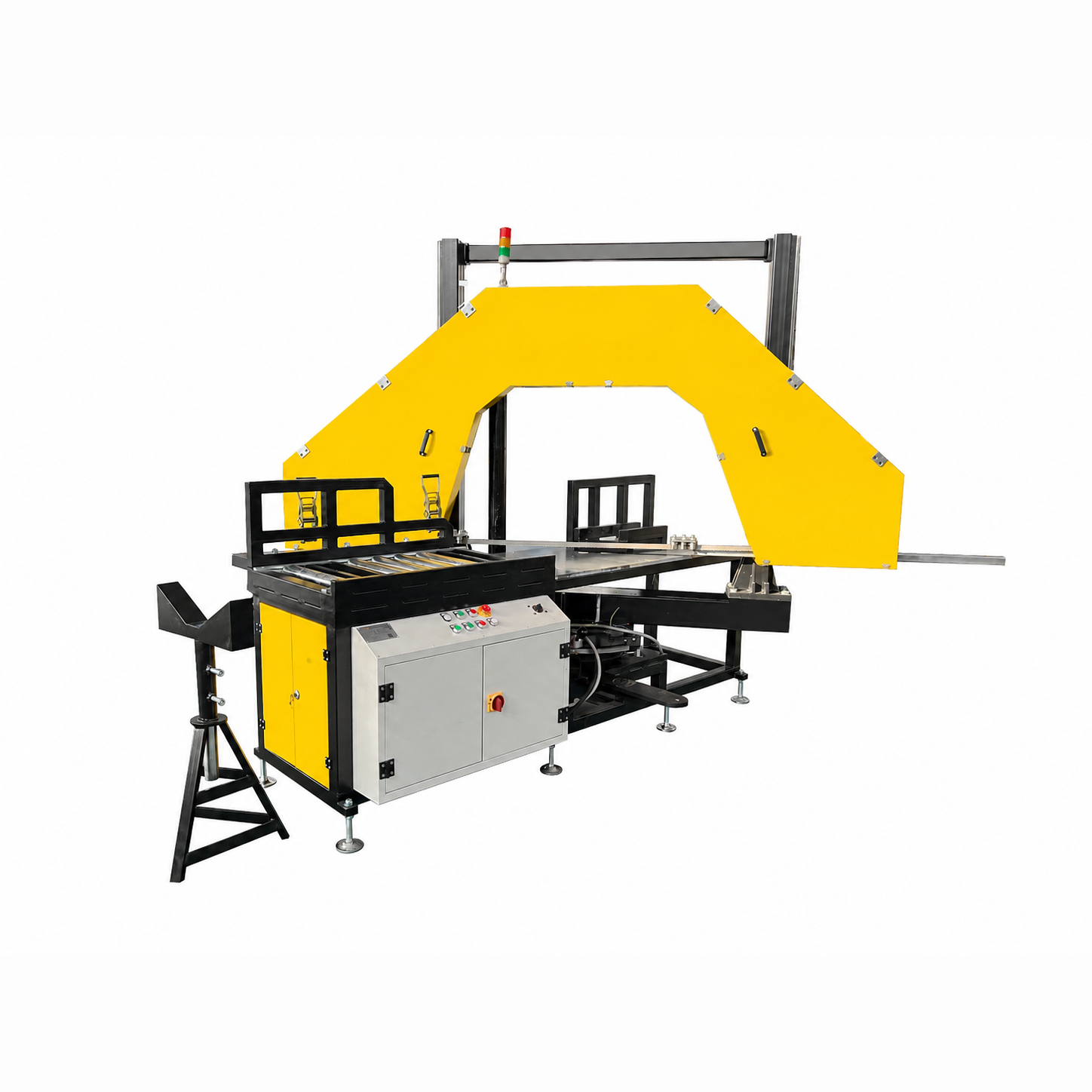
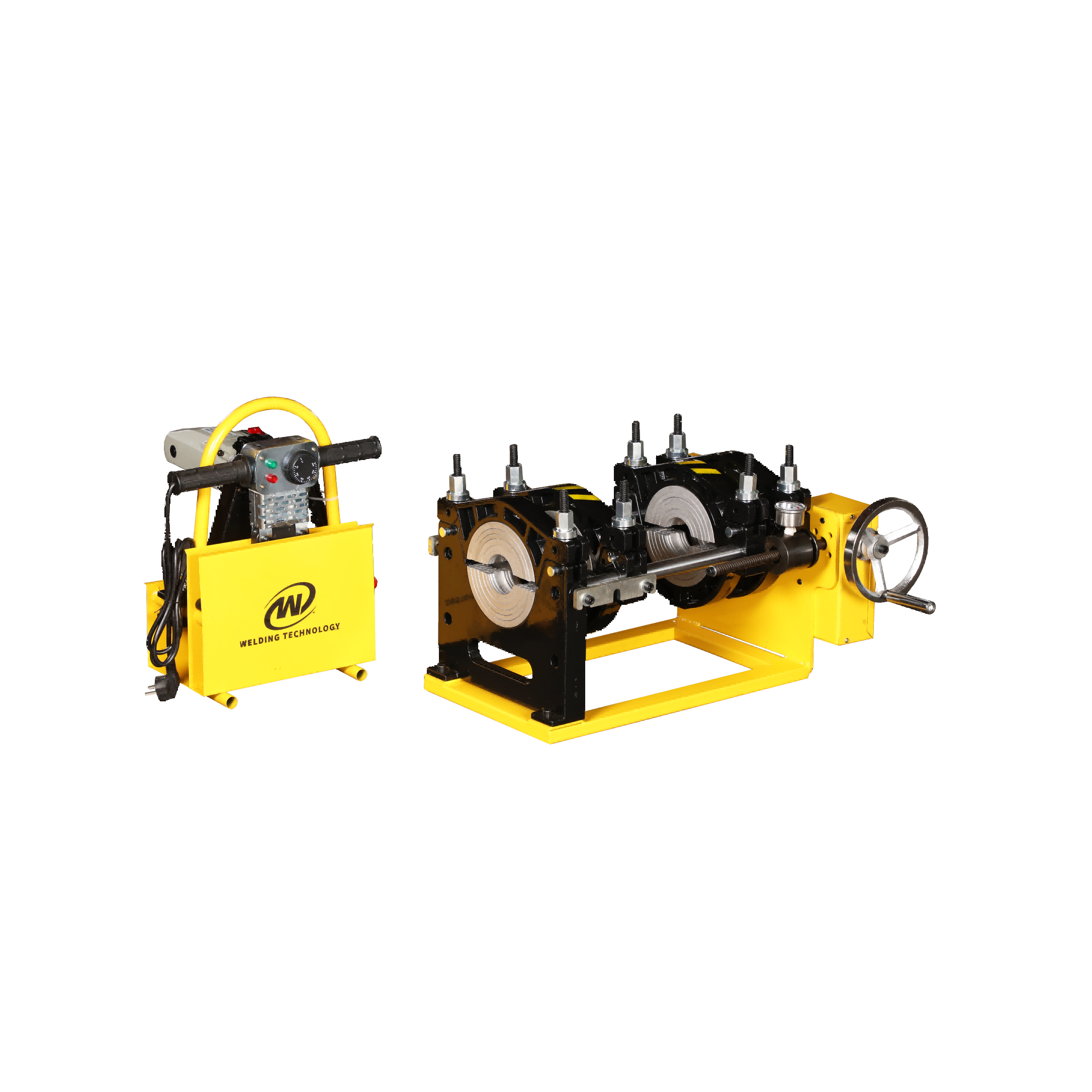
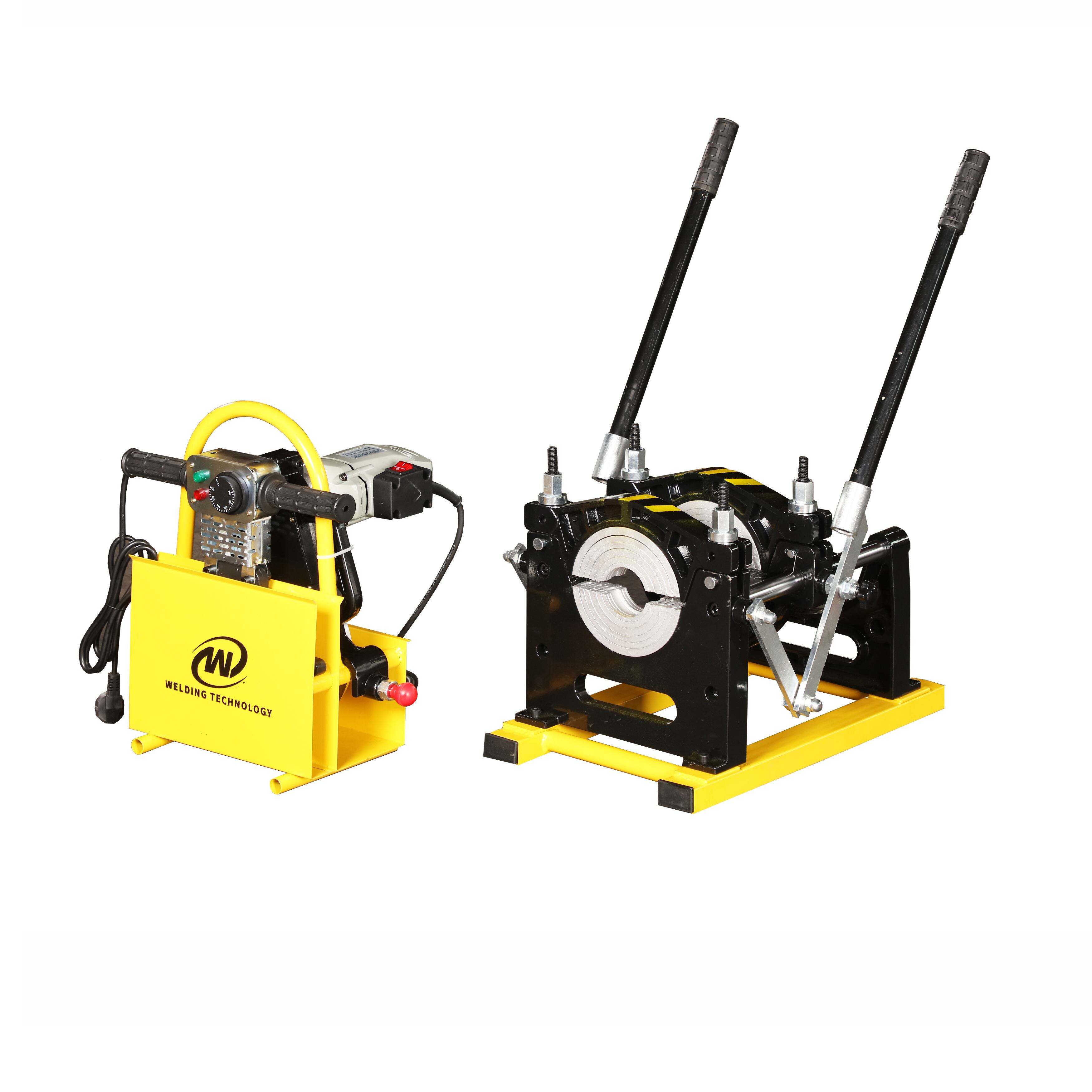
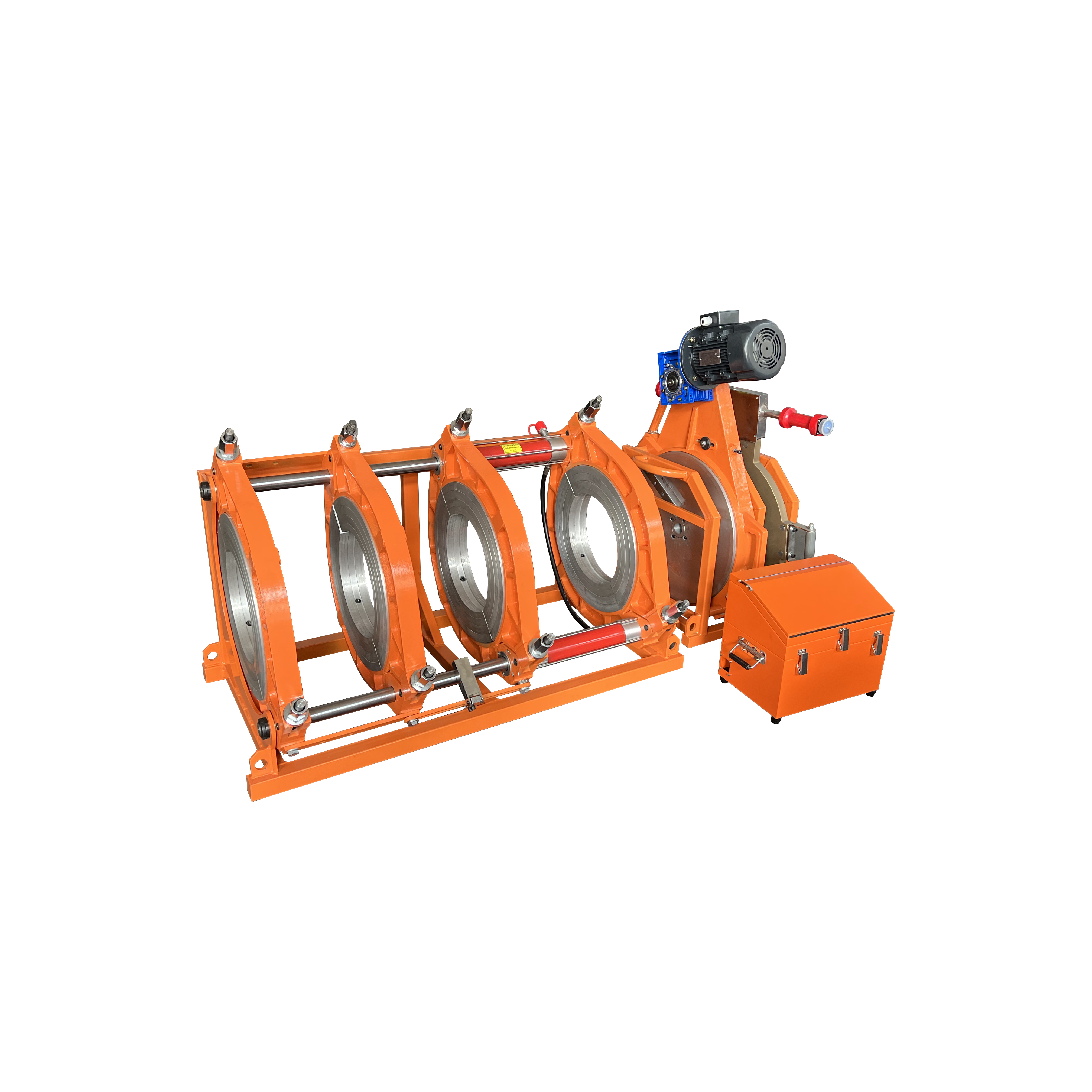
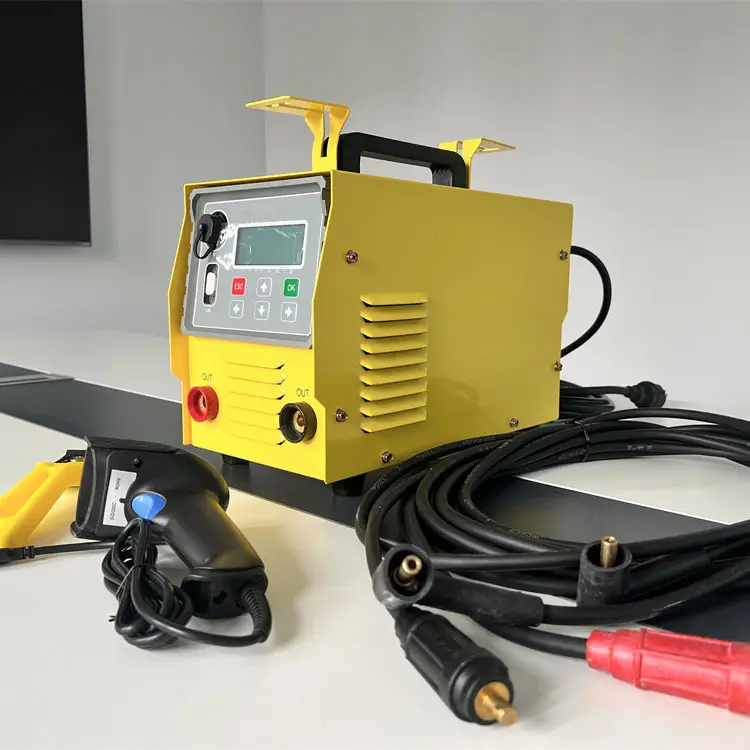
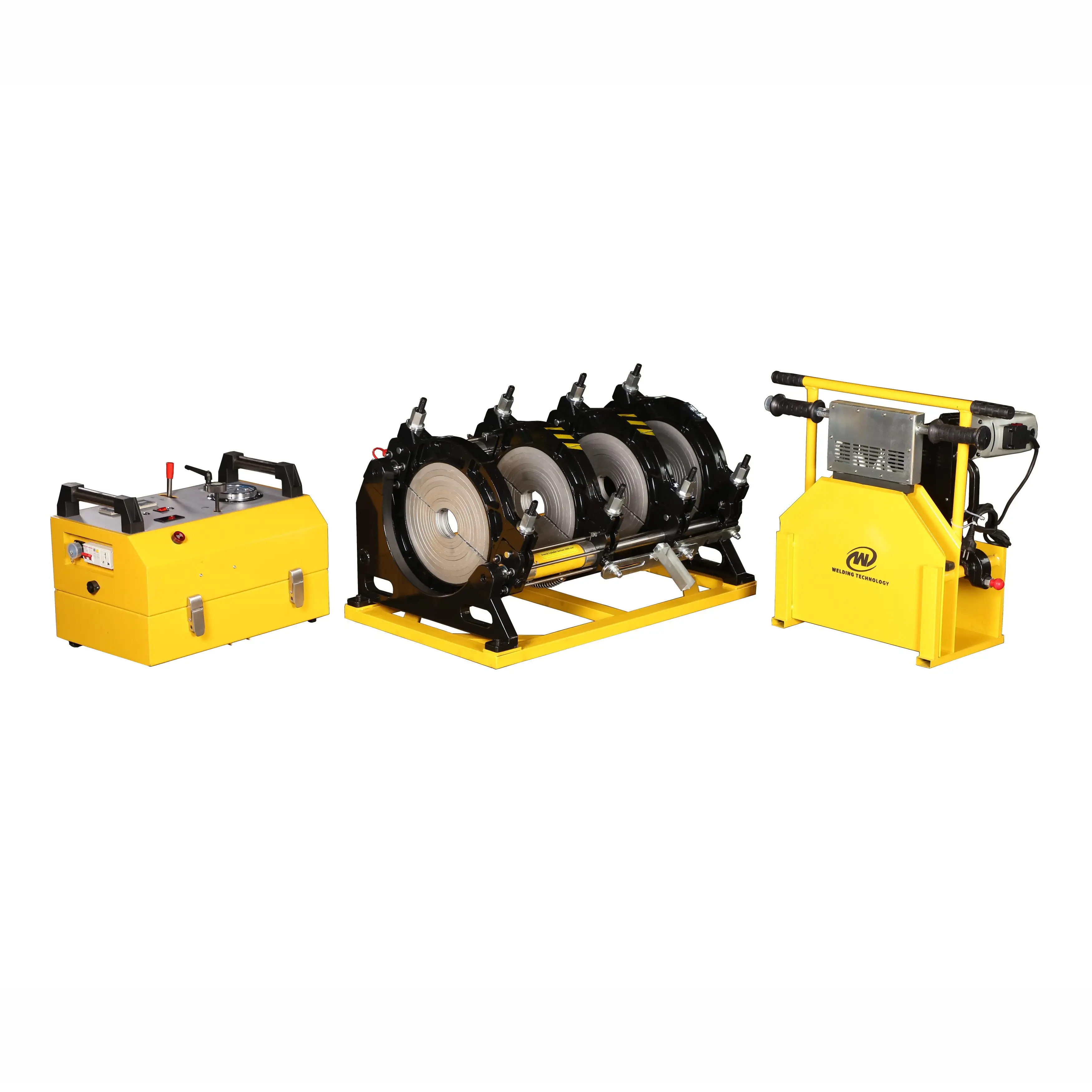
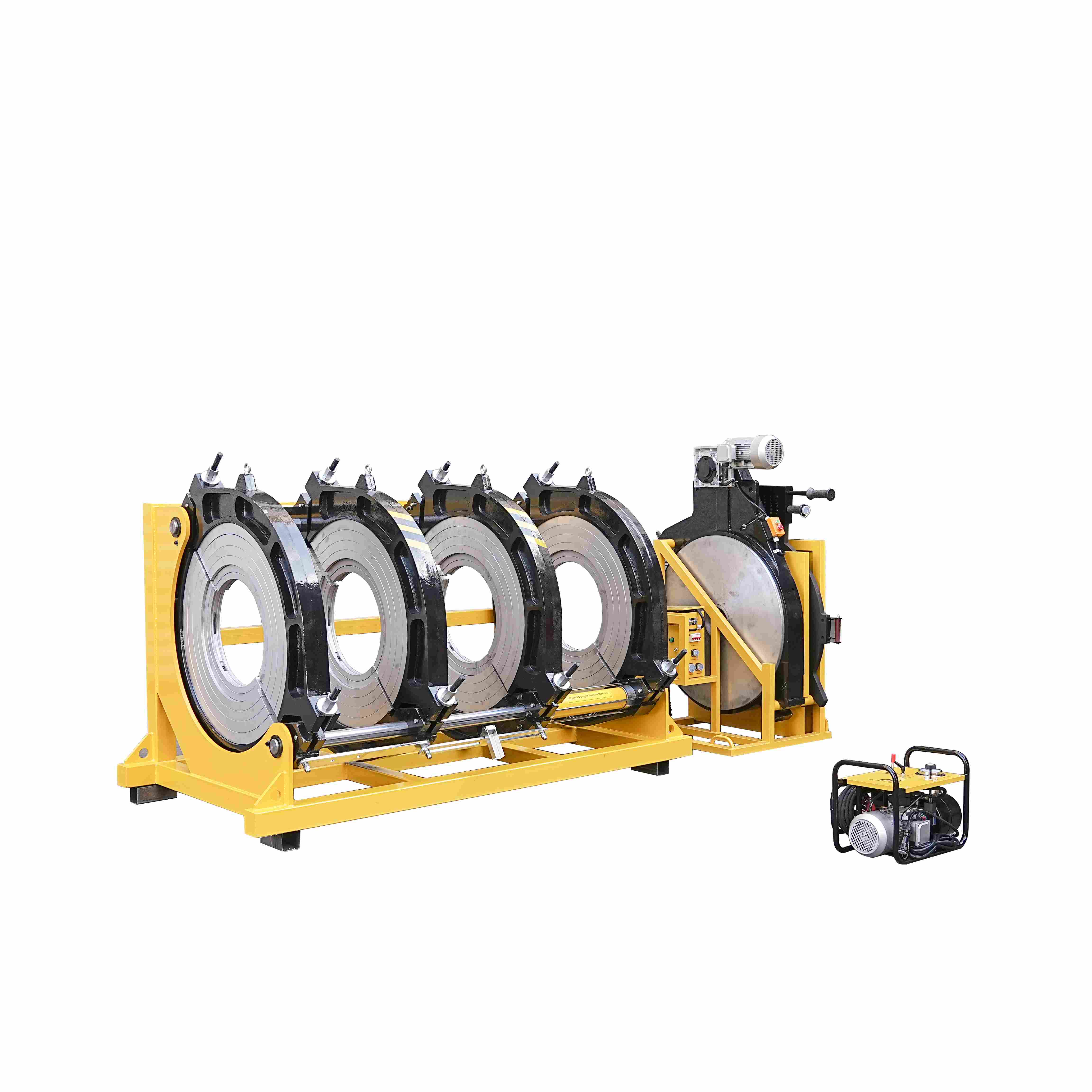
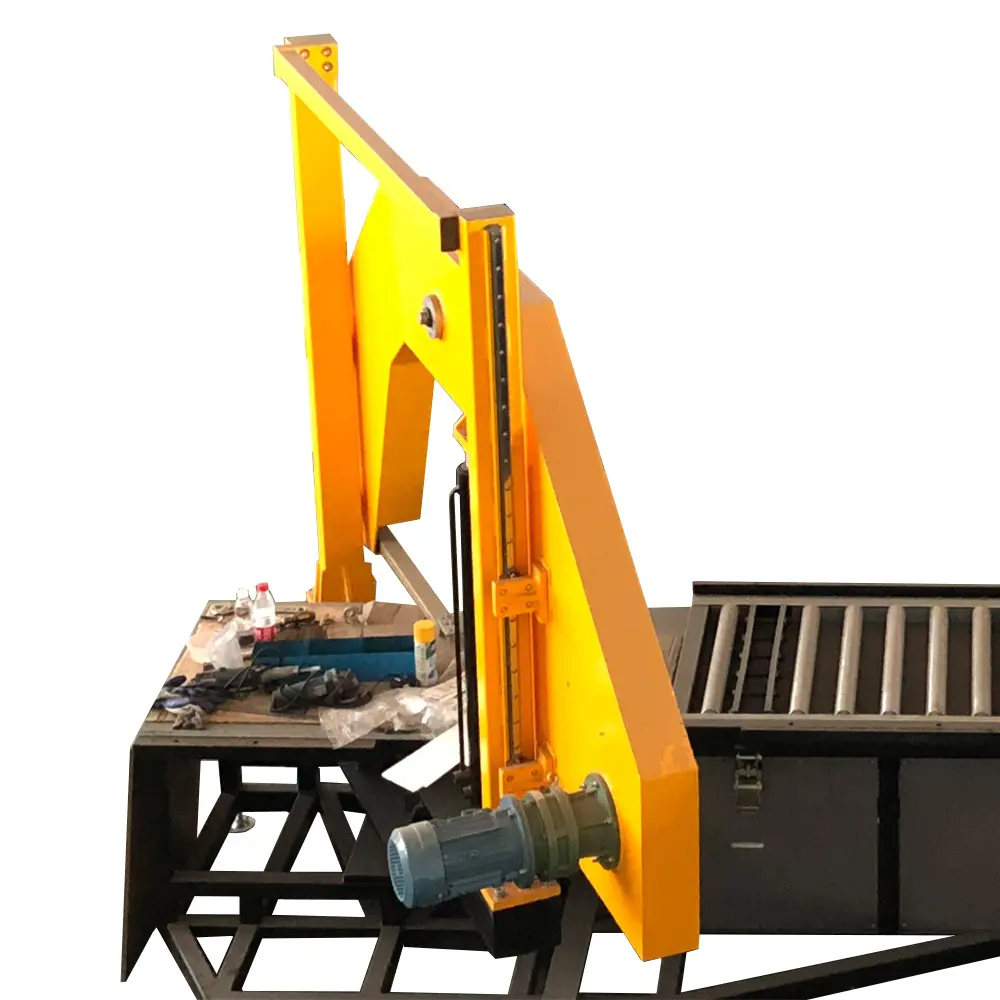
workshop butt fusion machine
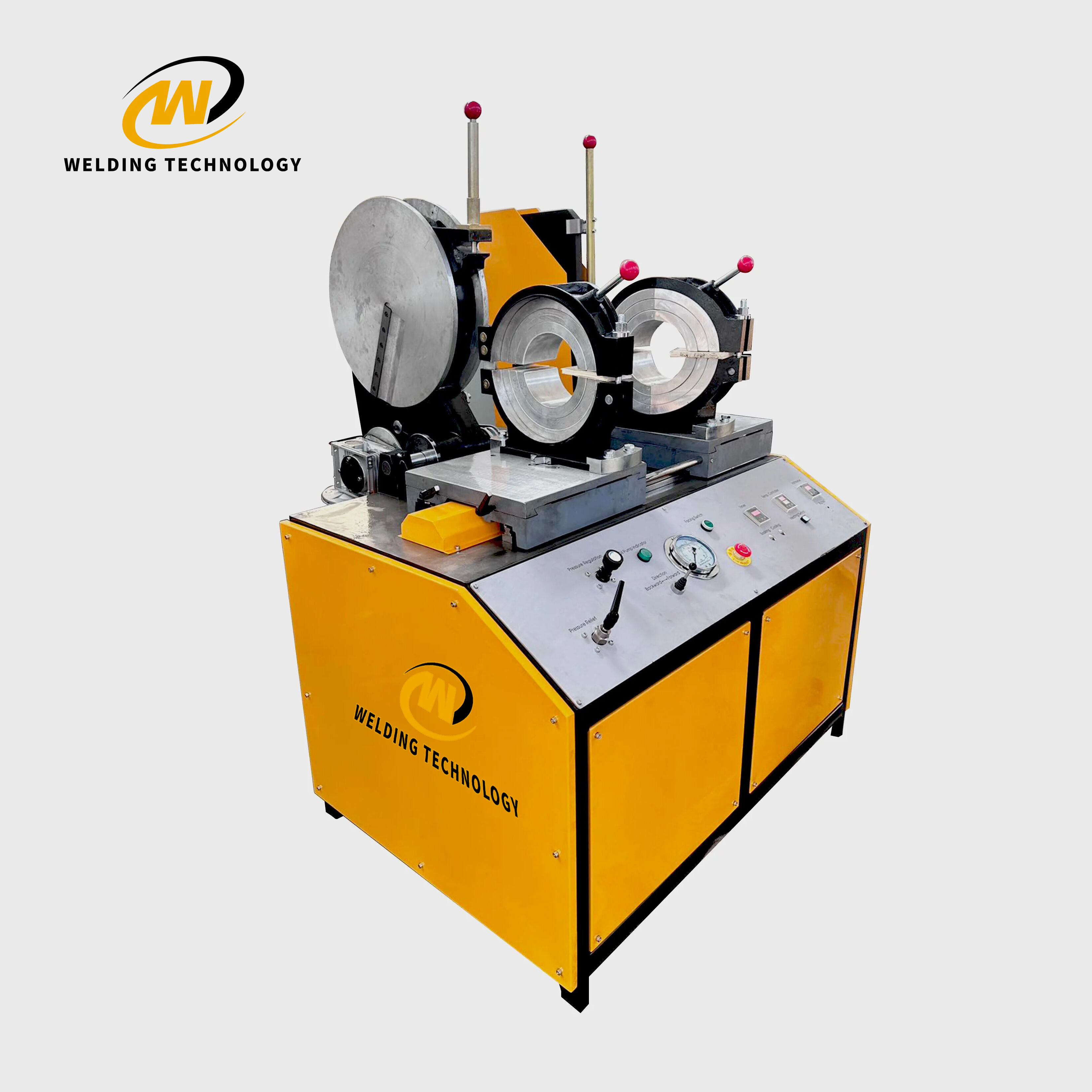
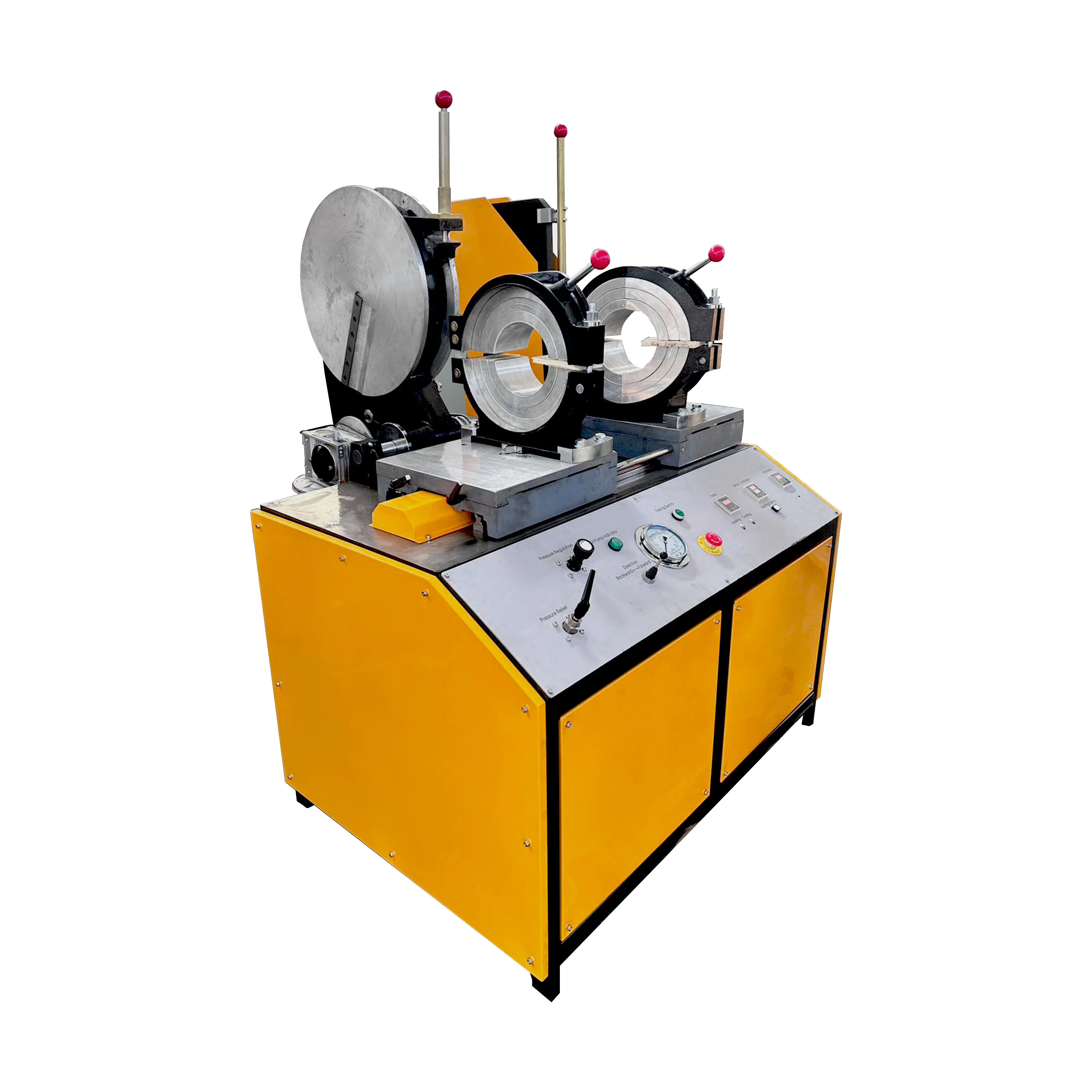
A workshop butt fusion machine represents essential equipment for joining thermoplastic pipes and fittings through heat fusion technology. This specialized machinery creates permanent, leak-proof connections by heating pipe ends to their melting point and pressing them together under controlled pressure. The workshop butt fusion machine operates within controlled indoor environments, providing optimal conditions for precision welding operations. These machines accommodate various pipe diameters, typically ranging from small residential sizes to large industrial applications. The core function involves four distinct phases: facing, heating, fusion, and cooling. During the facing phase, the machine trims pipe ends to ensure perfectly flat, parallel surfaces. The heating phase brings both pipe ends into contact with a heated plate, raising the material to its fusion temperature. Once proper melt beads form, operators remove the heating element and quickly join the pipes under specified pressure during the fusion phase. The cooling phase allows the joint to solidify while maintaining alignment and pressure. Modern workshop butt fusion machine models incorporate digital controls, automated pressure regulation, and temperature monitoring systems. These technological features ensure consistent joint quality and reduce operator error. The machines feature robust frames constructed from steel or aluminum alloys, providing stability during the fusion process. Hydraulic systems deliver precise pressure control, while electronic heating plates maintain uniform temperature distribution. Workshop environments offer advantages including protection from weather conditions, stable ambient temperatures, and access to reliable power sources. This controlled setting enables operators to achieve superior joint quality compared to field conditions. Applications span municipal water distribution, industrial process piping, gas distribution networks, and chemical processing facilities. The workshop butt fusion machine proves invaluable for pre-fabricating pipe sections, repairing damaged pipelines, and manufacturing custom pipe assemblies. Its versatility extends across multiple thermoplastic materials including polyethylene, polypropylene, and other fusion-compatible polymers.

 EN
EN