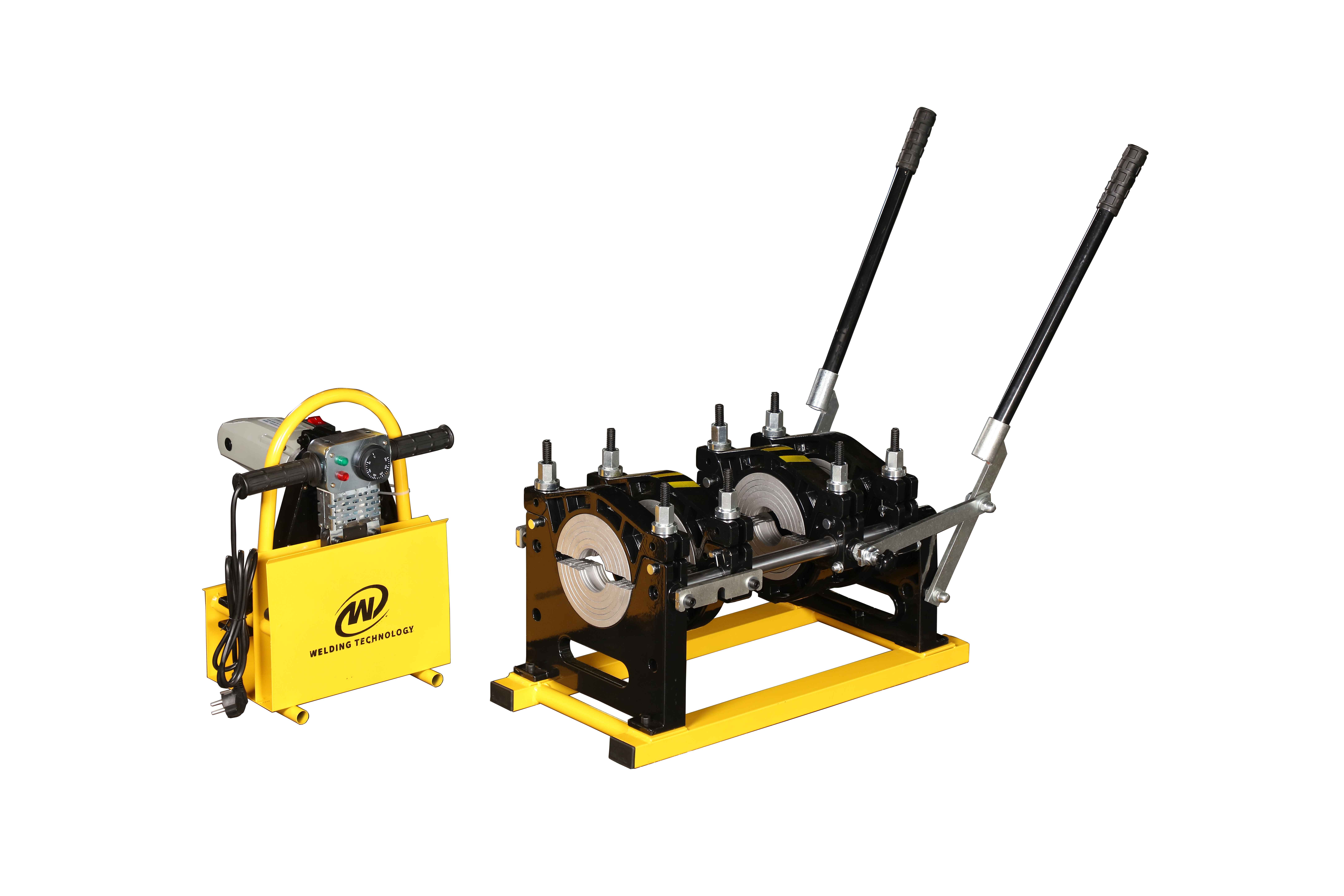
Professional Plastic Pipe Fusion Welding Machine - Superior Pipeline Joining Solutions

Get a Free Quote

Our representative will contact you soon.
E-mail
Name
Mobile/WhatsApp
Company Name
Message
0/1000

plastic pipe fusion welding machine

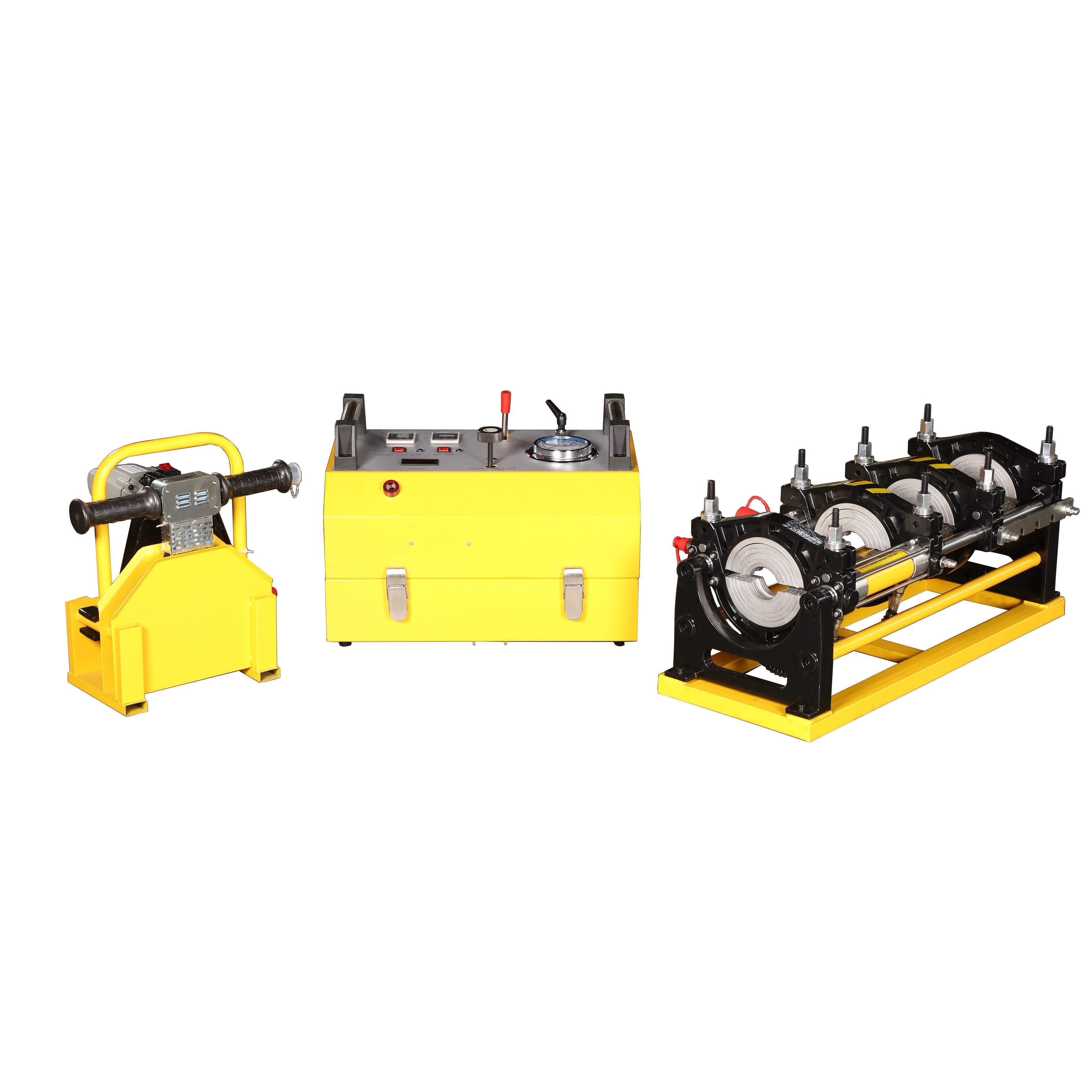
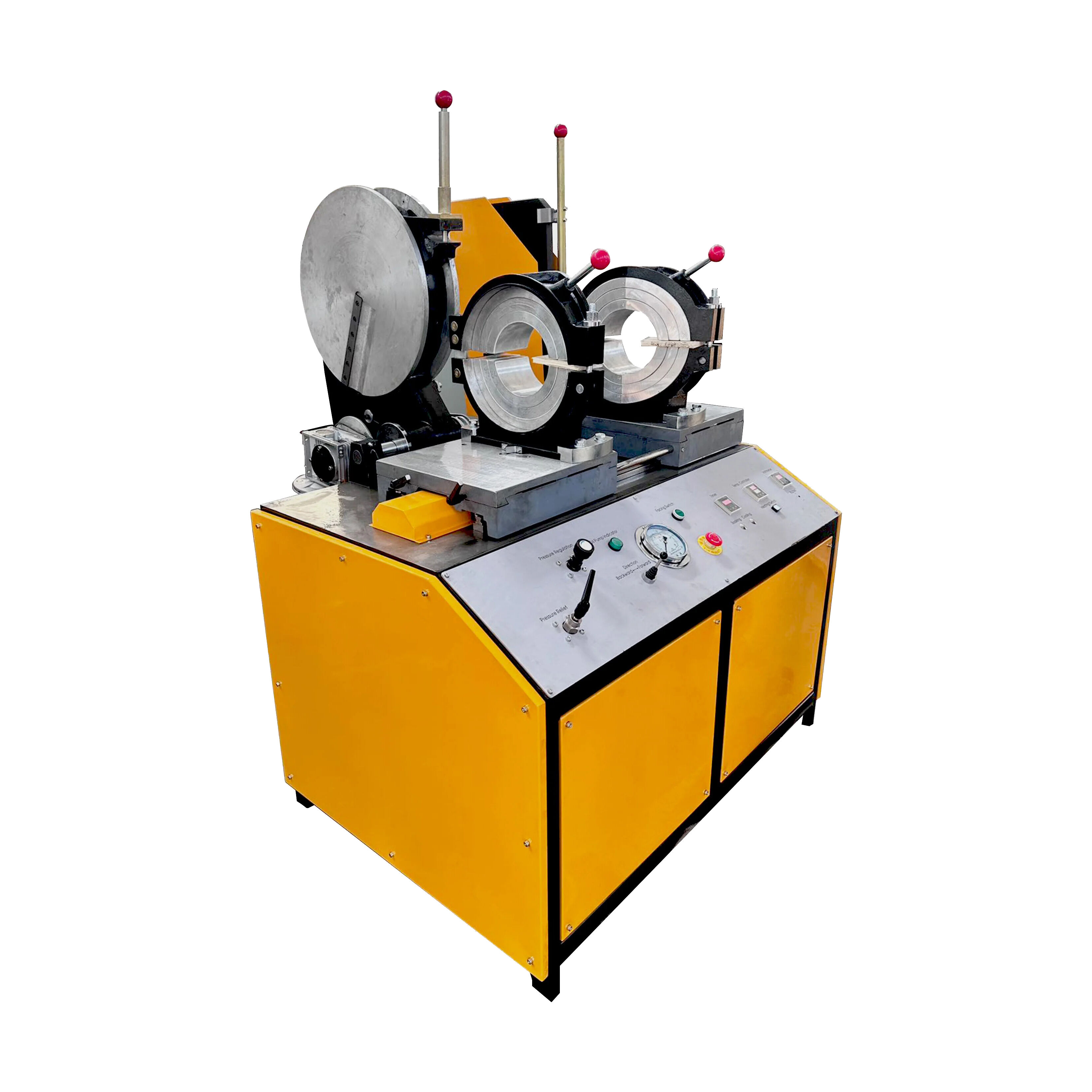
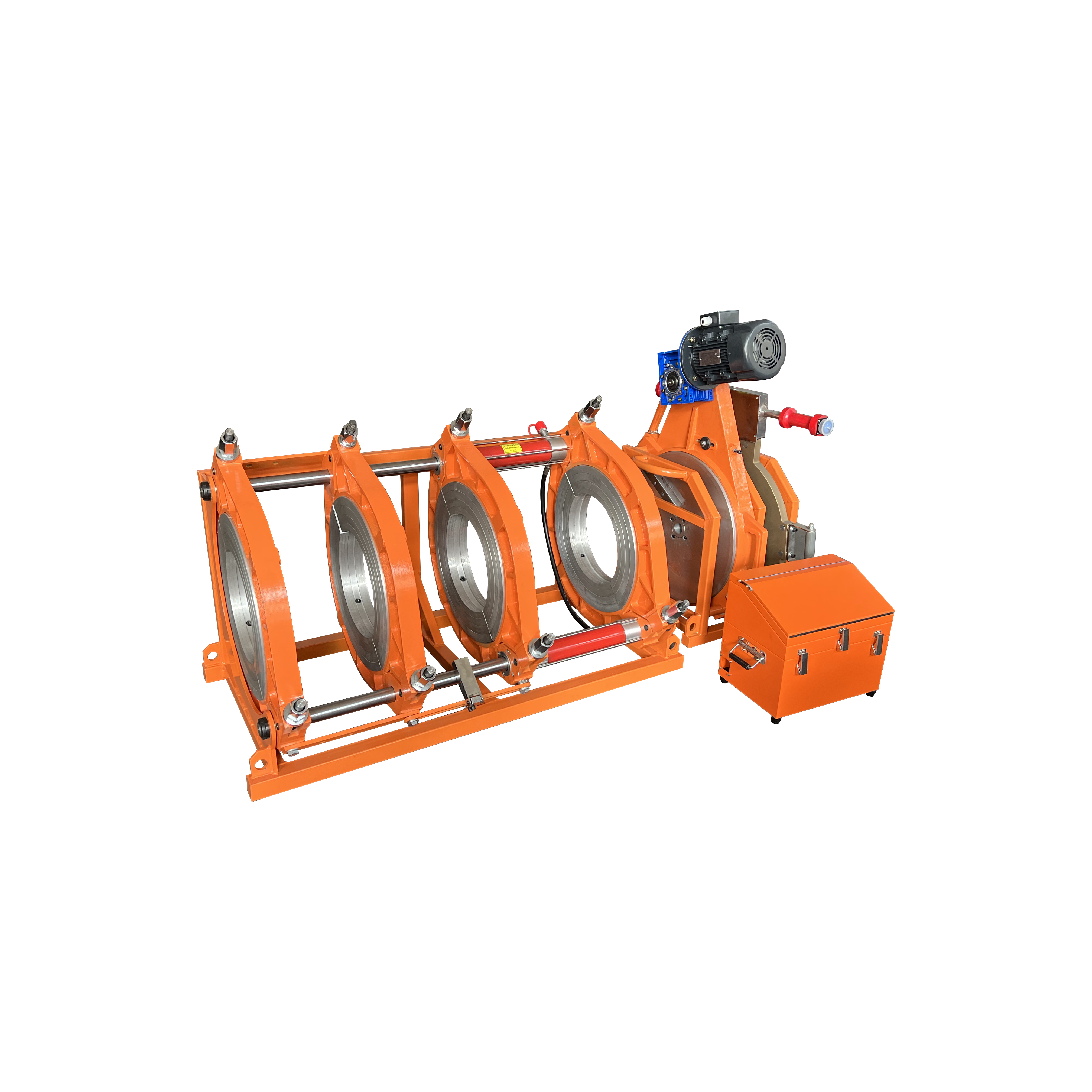
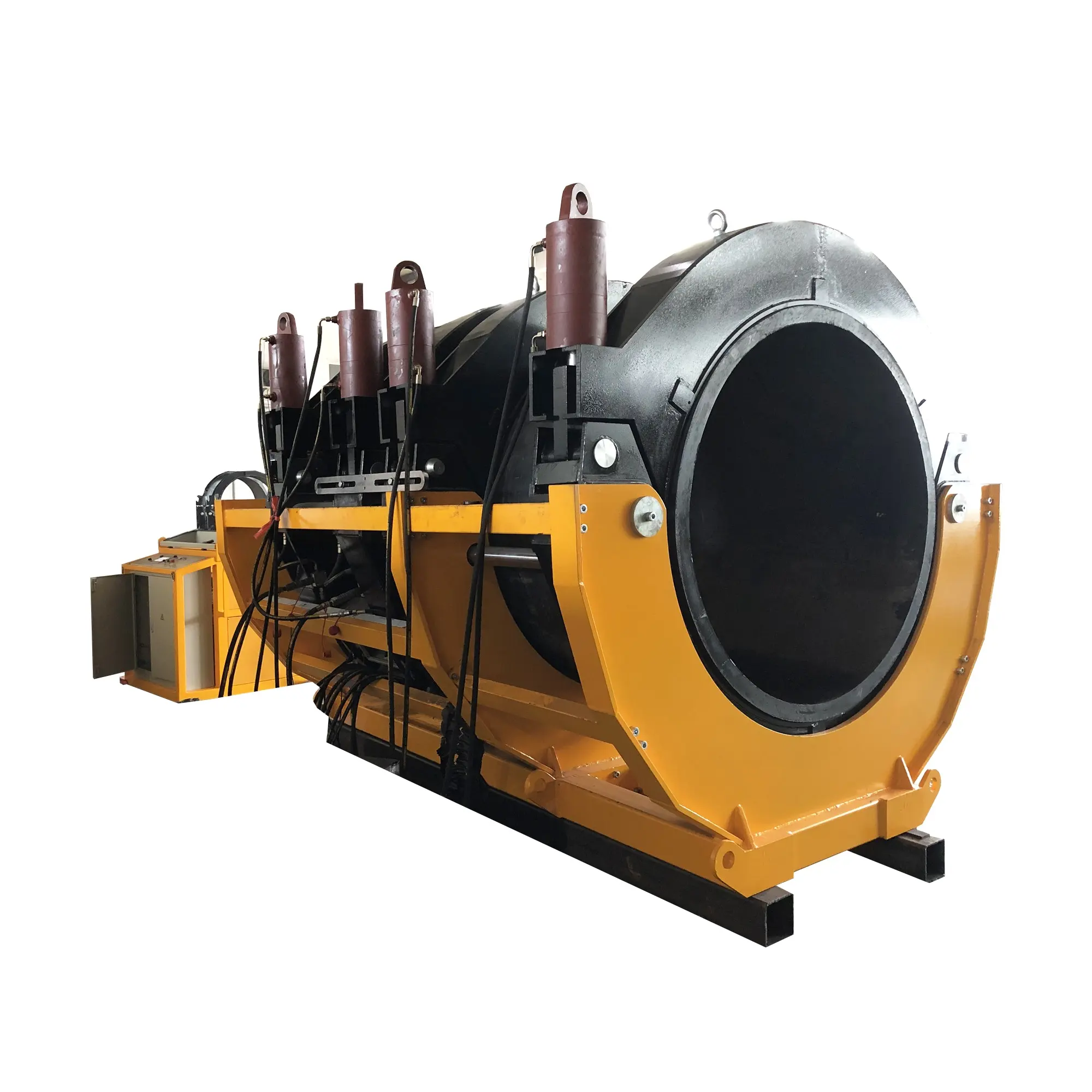
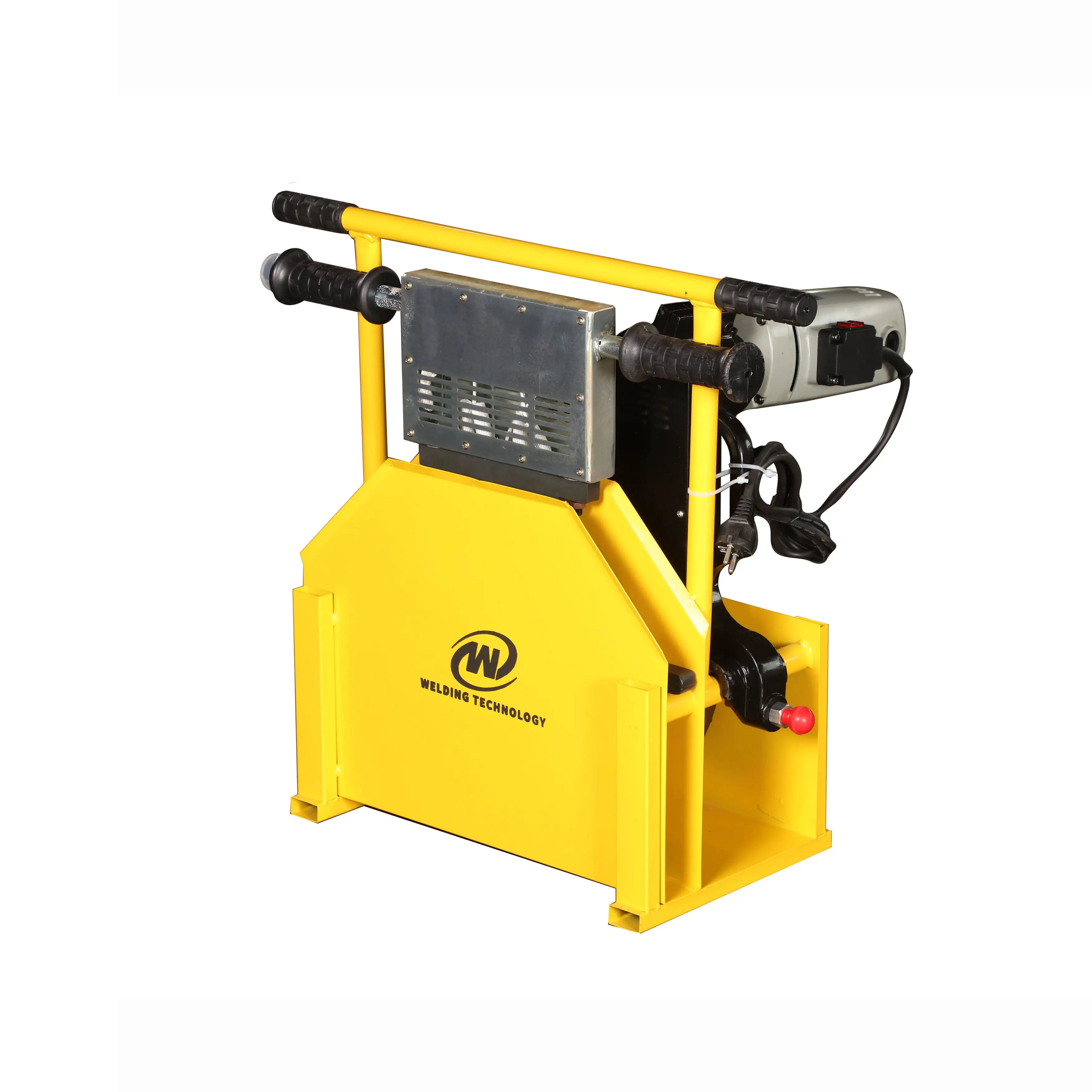
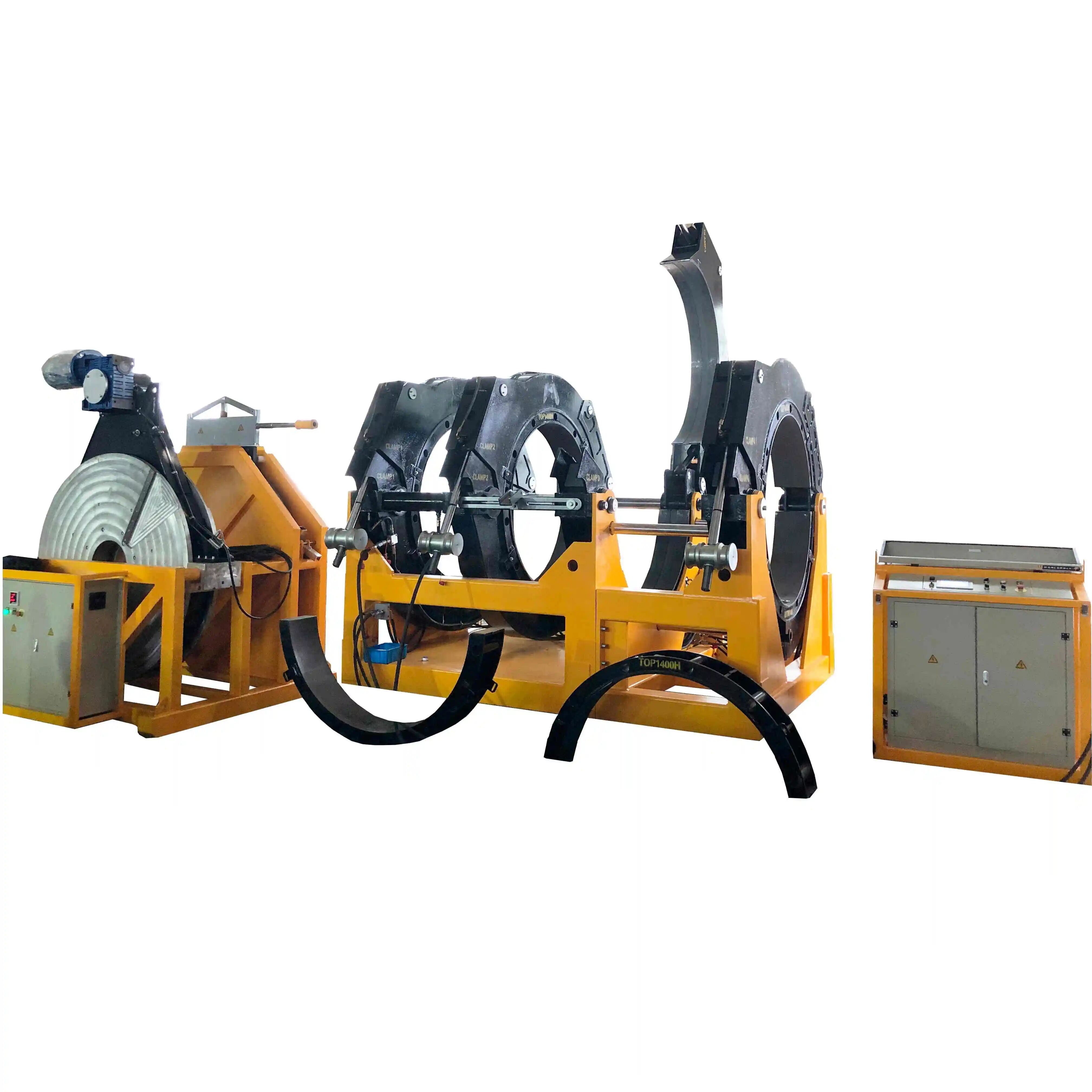
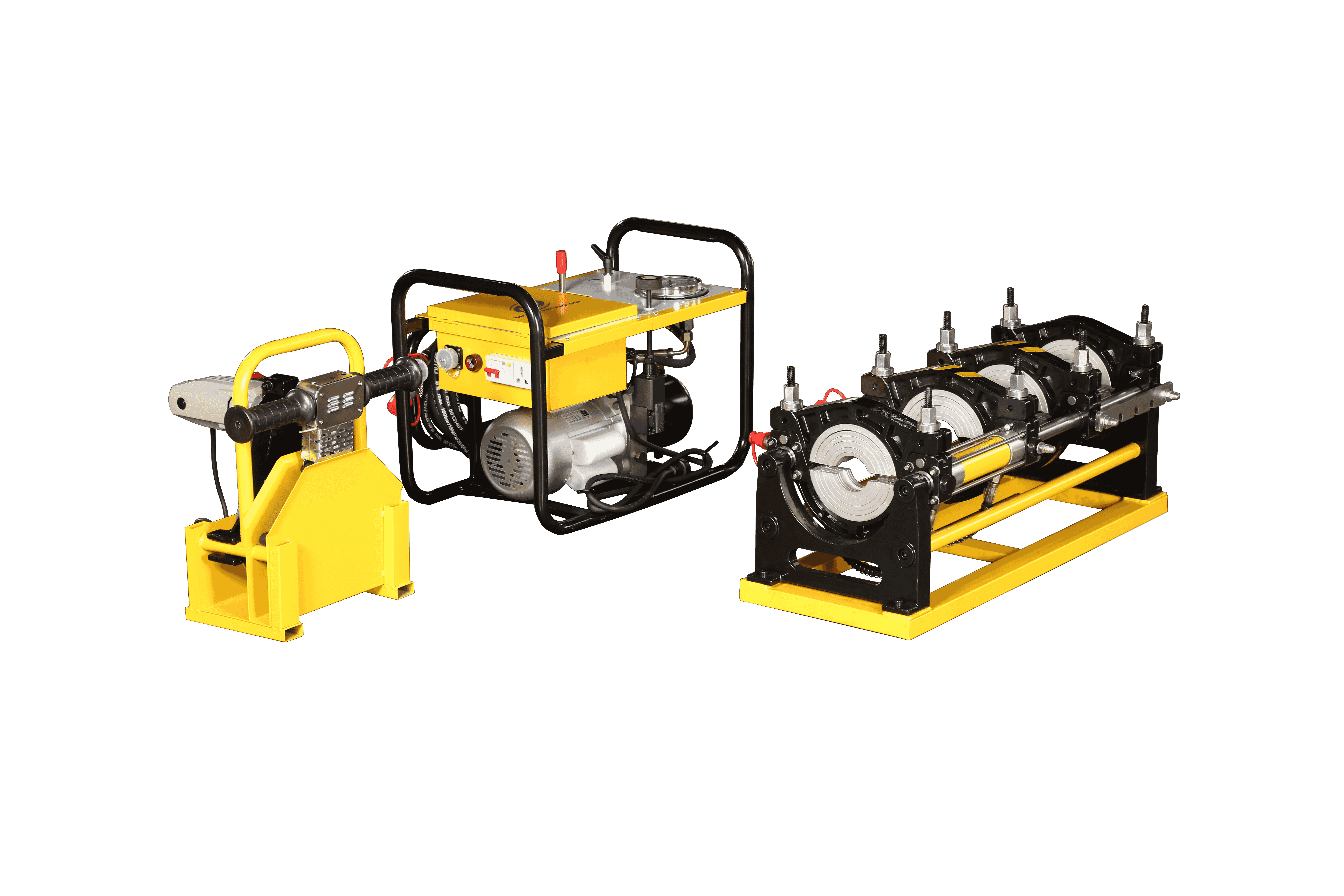
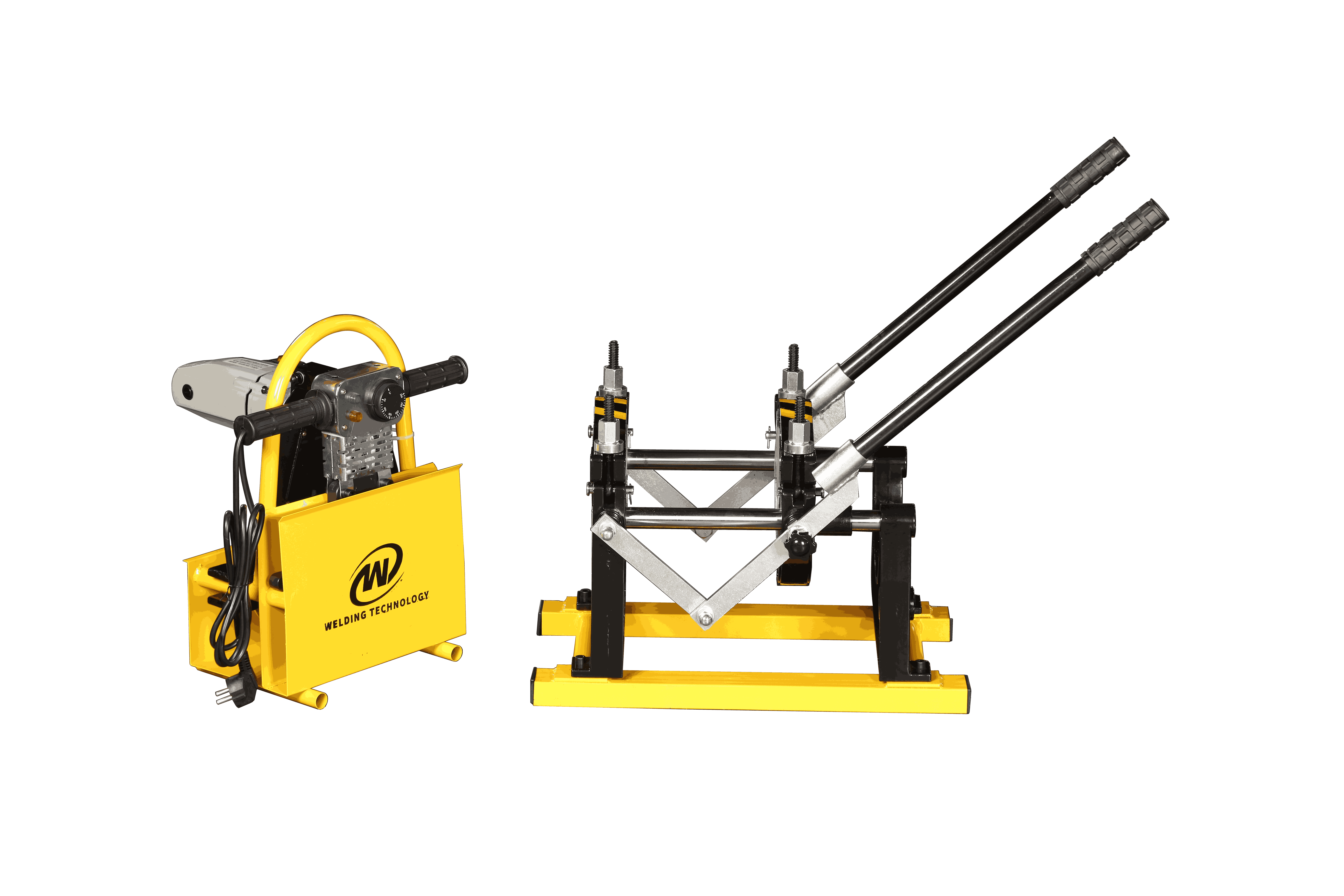
The plastic pipe fusion welding machine represents a revolutionary advancement in pipeline joining technology, designed specifically to create permanent, leak-proof connections between thermoplastic pipes. This sophisticated equipment utilizes controlled heat application to melt the pipe surfaces, which are then pressed together to form a homogeneous bond that matches or exceeds the strength of the original pipe material. Modern plastic pipe fusion welding machines incorporate precision temperature controls, automated heating cycles, and hydraulic pressure systems that ensure consistent, reliable welds across various pipe diameters and wall thicknesses. The primary functions of these machines include heating element temperature regulation, precise alignment of pipe sections, controlled cooling periods, and documentation of welding parameters for quality assurance purposes. Technological features distinguish premium plastic pipe fusion welding machines from basic models, including digital displays for real-time monitoring, programmable welding parameters, automatic data logging capabilities, and safety interlocks that prevent operator error. The heating plates are manufactured from materials that provide uniform heat distribution while resisting contamination and degradation over extended use. Hydraulic systems deliver consistent pressure throughout the fusion process, ensuring proper molecular bonding between pipe surfaces. Applications for plastic pipe fusion welding machines span numerous industries and sectors, including municipal water distribution networks, natural gas transmission pipelines, industrial chemical transport systems, geothermal heating installations, mining operations, and agricultural irrigation projects. These machines accommodate various thermoplastic materials such as polyethylene, polypropylene, and polybutylene pipes, making them versatile solutions for infrastructure development. The equipment ranges from compact, portable units suitable for field repairs and small-diameter pipes to large, trailer-mounted systems capable of welding pipes exceeding 1600 millimeters in diameter. The fusion welding process produces joints without mechanical fasteners, adhesives, or additional sealing components, resulting in cost-effective, environmentally friendly connections that maintain system integrity under pressure, temperature variations, and ground movement conditions.


Popular Products

Choosing a plastic pipe fusion welding machine delivers numerous practical benefits that directly impact project timelines, budgets, and long-term system performance. The most significant advantage lies in the superior joint strength achieved through fusion welding, where the molecular bond created between pipe sections actually becomes stronger than the surrounding pipe material itself. This eliminates the weak points commonly associated with mechanical couplings or adhesive joints, reducing failure risks and maintenance requirements throughout the pipeline's operational lifespan. Cost savings accumulate rapidly when using fusion welding technology, as the process eliminates expensive fittings, couplings, gaskets, and fasteners required by alternative joining methods. Labor expenses decrease substantially because trained operators can complete fusion welds quickly and efficiently, with typical cycle times ranging from minutes for small-diameter pipes to under an hour for large-diameter applications. The plastic pipe fusion welding machine enables year-round installation capabilities, functioning reliably in diverse weather conditions where other joining methods prove problematic or impossible. Unlike solvent cementing or threading, fusion welding produces zero harmful emissions, protecting worker health and satisfying environmental regulations without requiring special ventilation systems or protective equipment beyond standard safety gear. Quality assurance becomes straightforward with modern machines that automatically record welding parameters, creating verifiable documentation for inspections and certifications. This traceability satisfies regulatory requirements while providing accountability throughout construction projects. The versatility of these machines allows contractors to handle multiple pipe sizes with a single unit by changing removable inserts, reducing equipment investment and transportation costs. Fusion-welded joints resist corrosion, chemical attack, and biological degradation that compromise metal pipes and rubber seals, extending service life in challenging soil conditions and aggressive fluid environments. Installation flexibility improves dramatically because fusion-welded pipelines can navigate terrain changes, accommodate thermal expansion, and withstand ground settlement without joint separation or leakage. The learning curve for operating a plastic pipe fusion welding machine proves remarkably manageable, with comprehensive training programs enabling technicians to achieve certification quickly. Maintenance requirements remain minimal, consisting primarily of heating plate cleaning and periodic calibration checks, ensuring maximum equipment uptime. Energy efficiency characterizes the fusion welding process, with machines consuming electricity only during active heating cycles rather than requiring continuous power like some alternative systems. The reliability of fusion-welded connections dramatically reduces callback rates and warranty claims, protecting contractor reputations while building client confidence. Emergency repair capabilities become possible in the field, allowing operators to restore damaged pipelines rapidly without extensive excavation or specialized facilities, minimizing service disruptions and associated losses.

Latest News

How Can a Pipe Welding Machine Ensure Reliable Pipe Connections?

28

Apr

How Can a Pipe Welding Machine Ensure Reliable Pipe Connections?

Reliable pipe connections form the backbone of critical infrastructure systems across water distribution networks, natural gas pipelines, industrial processing facilities, and municipal wastewater management operations. The integrity of these connect...
View More
Why Do Engineers Choose an HDPE Thermofusion Machine for Projects?

06

Apr

Why Do Engineers Choose an HDPE Thermofusion Machine for Projects?

Engineers working on pipeline infrastructure projects face critical decisions that affect long-term performance, project budgets, and operational reliability. Among the most consequential choices is the selection of joining equipment for high-density...
View More
How Can a Plastic Sheet Butt Welding Machine Ensure Strong Seams?

05

May

How Can a Plastic Sheet Butt Welding Machine Ensure Strong Seams?

The strength and integrity of welded plastic seams directly impact the performance, durability, and safety of countless industrial applications, from geomembranes in environmental containment to large-scale tank fabrication. Achieving consistently st...
View More
What Is an HDPE Thermofusion Welding Machine Used for in Pipelines?

09

Jun

What Is an HDPE Thermofusion Welding Machine Used for in Pipelines?

When engineers and project managers plan modern pipeline infrastructure, the method used to join pipe segments is just as critical as the material chosen for the pipes themselves. An HDPE thermofusion welding machine is at the center of this process,...
View More

Get a Free Quote

Our representative will contact you soon.
E-mail
Name
Mobile/WhatsApp
Company Name
Message
0/1000

plastic pipe fusion welding machine

Unmatched Joint Integrity Through Molecular Bonding Technology

Unmatched Joint Integrity Through Molecular Bonding Technology

The plastic pipe fusion welding machine creates connections that fundamentally differ from mechanical or chemical joining methods by achieving true molecular fusion between pipe sections. When the heating plate raises the pipe ends to the precise melting temperature, the polymer chains at each surface become mobile and begin to intermingle. Upon pressing the heated surfaces together and allowing controlled cooling, these polymer chains entangle and re-solidify as a single, unified structure without any interface boundary. This molecular-level integration produces joints that actually exceed the tensile strength of the original pipe material, effectively eliminating the joint as a potential failure point in the pipeline system. Independent testing consistently demonstrates that properly executed fusion welds will not separate under pressure, with pipe failure occurring in areas away from the weld rather than at the joint itself. This remarkable strength characteristic provides enormous advantages for critical infrastructure applications where service interruptions carry severe consequences. Water utilities rely on this joint integrity to maintain uninterrupted service to communities, while industrial facilities depend on leak-free chemical transport for operational safety and environmental compliance. The homogeneous nature of fusion-welded joints eliminates the stress concentration points inherent in mechanical connections, where threads, grooves, or fasteners create structural weaknesses that accelerate fatigue failure under cyclic loading. Pipelines subject to ground movement, seismic activity, or freeze-thaw cycles benefit tremendously from this stress distribution, as the fusion-welded joints flex uniformly with the pipe rather than concentrating strain at discrete connection points. The plastic pipe fusion welding machine achieves this superior performance through precise process controls that monitor and adjust heating temperatures, interface pressures, and cooling rates according to pipe material specifications and environmental conditions. Advanced models incorporate feedback sensors that compensate for ambient temperature variations, ensuring consistent results regardless of whether installation occurs during summer heat or winter cold. The elimination of consumable sealing components represents another critical advantage of molecular bonding technology, as rubber gaskets, O-rings, and sealants inevitably degrade over time, creating maintenance requirements and eventual leakage paths. Fusion-welded joints contain no such components, providing permanent, maintenance-free connections that preserve system integrity throughout decades of service without periodic inspection or replacement activities that burden other joining methods.
Exceptional Operational Efficiency and Project Economics

Exceptional Operational Efficiency and Project Economics

The plastic pipe fusion welding machine transforms project economics by streamlining installation processes, reducing material consumption, and minimizing long-term maintenance obligations. Traditional pipe joining methods require extensive inventories of fittings, adapters, couplings, gaskets, bolts, and specialized tools, each representing capital tied up in stock and logistical complexity in procurement and transportation. Fusion welding eliminates virtually all these components, simplifying supply chains to pipe sections and basic consumables like heating plate release coatings. This inventory reduction translates directly to lower material costs while simultaneously decreasing the warehouse space and tracking systems needed to manage diverse component types. Transportation efficiency improves dramatically when hauling straight pipe sections rather than bulky fitting assemblies, allowing more material per truck and reducing freight expenses. On-site productivity increases substantially because fusion welding requires fewer steps than alternative methods, with operators completing the entire joining process without searching for specific fittings, applying adhesives with mandatory cure times, or torquing numerous fasteners to specified values. The plastic pipe fusion welding machine automates many process variables, reducing the skill variation between operators and producing consistent results that minimize rejected joints and rework requirements. Digital process controls eliminate guesswork by displaying exact temperatures, pressures, and timing parameters, while automated cycle timers prevent premature joint handling that could compromise weld quality. This standardization proves invaluable for large projects where multiple crews work simultaneously, ensuring uniform quality regardless of individual operator experience levels. Documentation capabilities built into modern machines provide automatic record-keeping that satisfies quality assurance protocols without manual logbook entries prone to errors or omissions. These electronic records streamline inspection processes, allowing supervisors to verify welding parameters remotely rather than personally observing each joint completion. The long-term economic benefits of fusion welding become even more compelling when considering lifecycle costs rather than initial installation expenses alone. Fusion-welded pipeline systems demonstrate exceptional longevity, routinely providing fifty years or more of trouble-free service without the joint failures, gasket replacements, or corrosion repairs that plague alternative joining methods. This reliability translates to lower operational costs, reduced emergency response requirements, and minimized service disruptions that damage customer relationships and organizational reputations. The plastic pipe fusion welding machine enables installation in conditions where other methods prove impractical or impossible, including submerged environments, contaminated sites, and locations lacking electrical power through battery-operated or generator-powered models. This versatility prevents project delays and expensive workarounds that escalate costs when site conditions don't align with joining method requirements.
Advanced Safety Features and Environmental Responsibility

Advanced Safety Features and Environmental Responsibility

The plastic pipe fusion welding machine incorporates comprehensive safety systems that protect operators while delivering environmental benefits that align with modern sustainability objectives. Unlike joining methods involving toxic solvents, hazardous fumes, or open flames, fusion welding relies solely on controlled electrical heating that generates no harmful emissions or combustion byproducts. This clean process eliminates worker exposure to volatile organic compounds, solvent vapors, or welding fumes that pose respiratory hazards and require expensive ventilation systems to maintain acceptable air quality. Operators work in comfortable conditions without cumbersome respirators or supplied-air equipment that restricts movement and reduces productivity. The absence of flammable materials or ignition sources permits fusion welding in locations where fire hazards prohibit alternative joining methods, including chemical plants, refineries, and confined spaces where explosive atmospheres might develop. Modern plastic pipe fusion welding machines feature multiple safety interlocks that prevent operation unless all protective guards remain properly positioned and safety conditions are satisfied. Emergency stop buttons provide immediate heating element retraction and pressure release, allowing operators to halt the process instantly if unexpected situations develop. Hydraulic systems incorporate pressure relief valves and flow controls that prevent excessive forces that could damage pipes or create operator hazards from sudden equipment movement. The controlled nature of the fusion welding process eliminates the unpredictability associated with manual techniques, where operator skill variations directly impact safety outcomes. Automated heating cycles proceed according to programmed parameters rather than subjective operator judgments, removing the temptation to rush processes or deviate from established procedures under schedule pressure. Temperature monitoring systems include high-limit cutoffs that prevent overheating conditions that could degrade pipe materials or create burn hazards, while insulated handles and protective barriers shield operators from contact with hot surfaces. The environmental advantages of fusion welding extend beyond the installation phase to encompass the entire pipeline lifecycle. Fusion-welded joints eliminate the groundwater contamination risks associated with solvent cementing, where volatile chemicals can migrate into soil and aquifers during application or from failed joints leaking adhesive residues. The permanent, leak-resistant nature of fusion-welded connections prevents the fluid losses that waste water resources, release pollutants, and undermine system efficiency in pipelines joined by less reliable methods. Energy consumption throughout the pipeline's operational life decreases when fusion-welded joints eliminate the friction losses and turbulence created by internal protrusions in mechanical couplings. The plastic pipe fusion welding machine supports circular economy principles by enabling repair and modification of existing pipeline infrastructure without wholesale replacement, extending asset life and reducing the environmental impact of manufacturing and disposing of piping materials.

Get a Free Quote

Our representative will contact you soon.
E-mail
Name
Mobile/WhatsApp
Company Name
Message
0/1000